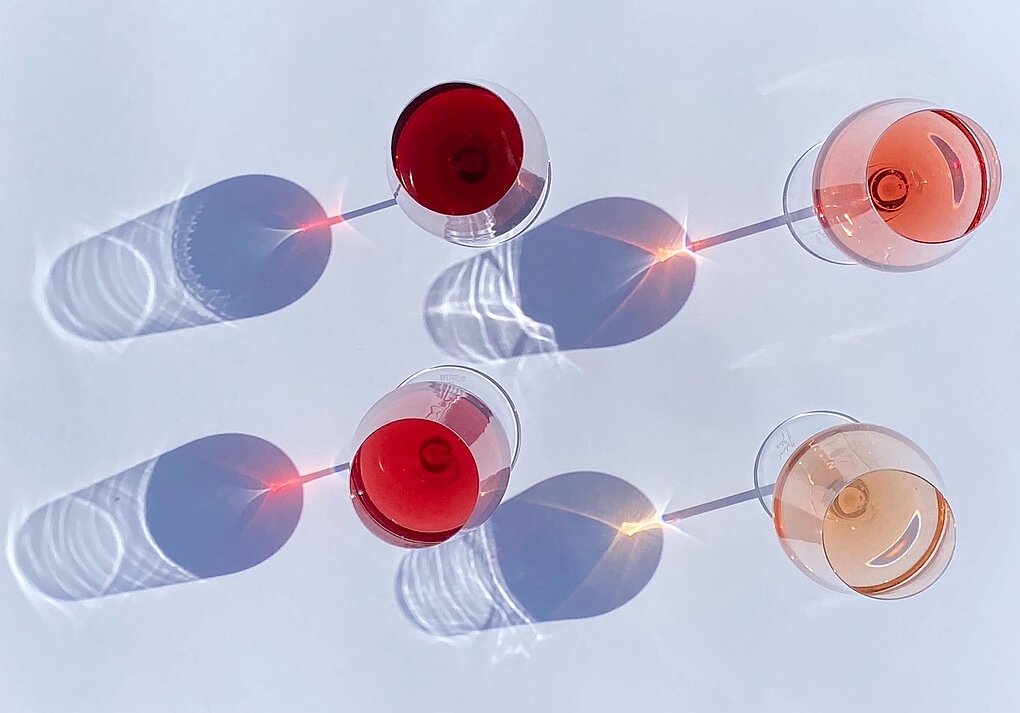
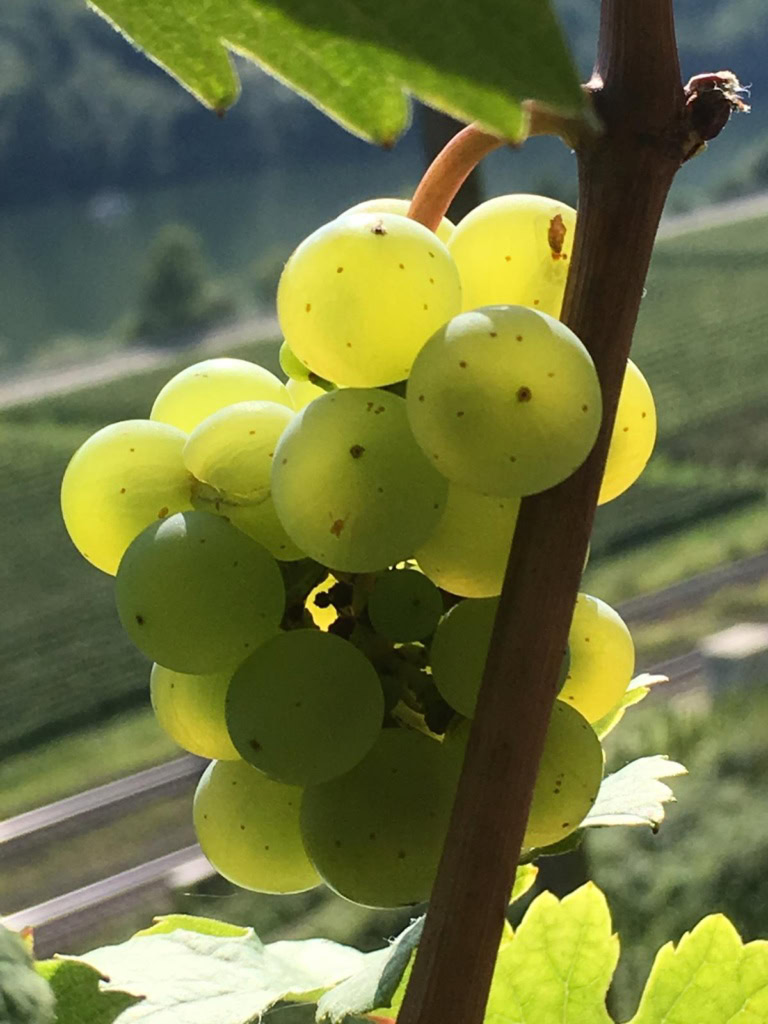
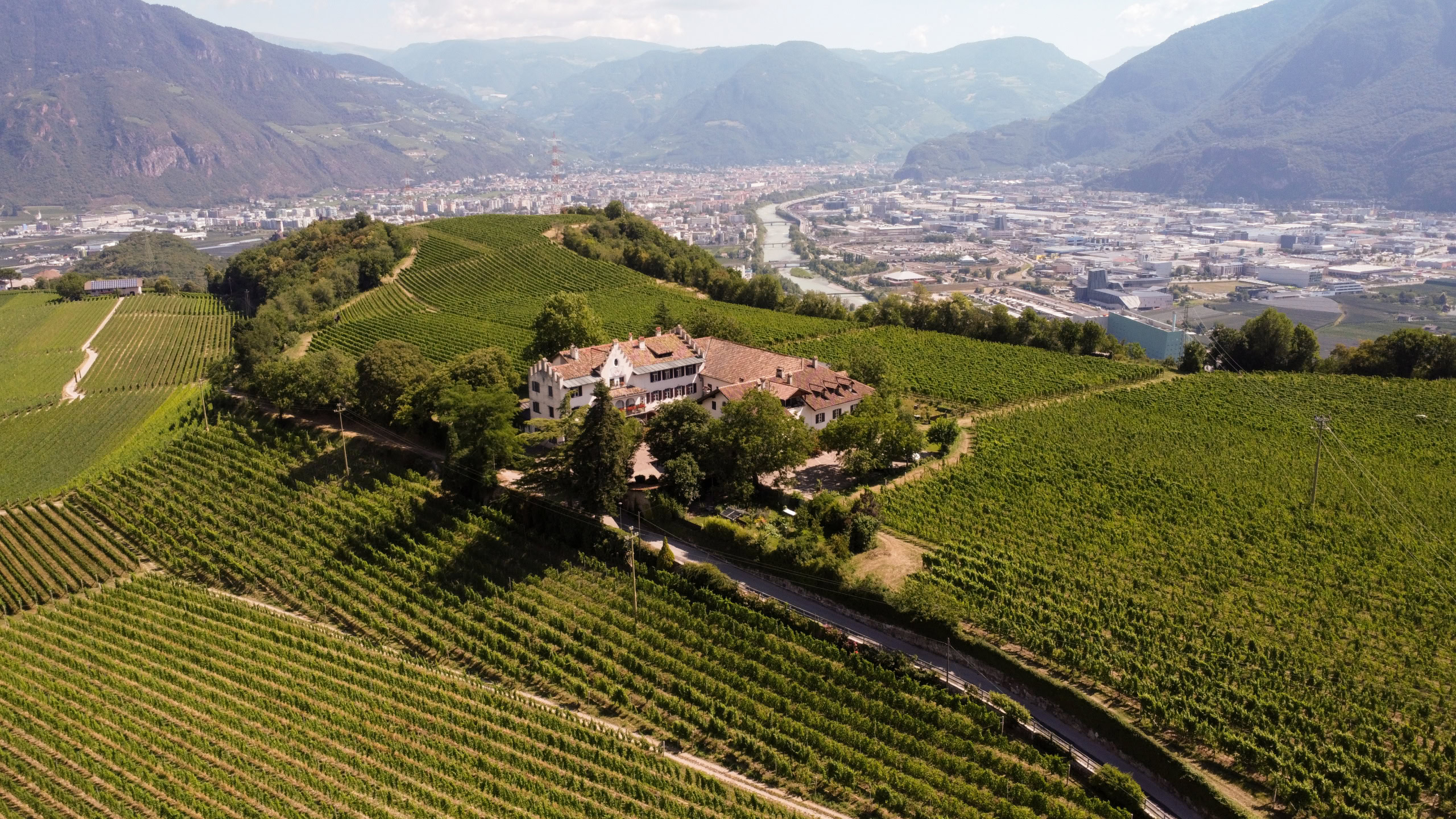
The sun blazes. The air shimmers. On the horizon four figures throw long shadows across the dry, crumbling ground. They are headed toward a city. Doors swing open. The four step from light into dark, their throats dusty and dry. Behind a deserted bar stands a man. He pushes four full glasses over to them. Out of the glasses sloshes a wine as red as the setting sun. If you aren’t thirsty by now, you should at least be hearing the melody of a harmonica. This is how the opening scene of a revival—the Rotling revival—could begin. The four men…
Kevin Puls works in advertising and PR. His passion for Austrian wine began nearly two decades ago and he's regularly tasted the vintages of the Alpenrepublik from the Wachau to Styria. His weakness for estates that work organically and for natural wines started with Gut Oggau's 2007 vintage. He's also a regular visitor to Franken. He blogs about food, wine, and the people who make them.
Truth be told, I relish the fact that the phrase “kabinett trocken” feels like an oxymoron to so many people. For all reasonable drinkers who have come to reflexively associate the word “Kabinett” with an off-dry Riesling, the fact that a Kabinett can be both 1) dry and 2) not Riesling is jarring. An oxymoron right up there with “freezer burn,” “peacekeeper missile,” and “airline food.” Yet, that’s only one part of a much larger obsession…er, story. Kabinett trocken reduces the grandest terroir to its most essential, most fundamental, most tangible, and most immediate. A few exceptional Kabinett trockens have been among…...
The scent of pine trees is a time machine, a brusque mix of barbed, balsamic beauty. I have a million pine memories. One good whiff and I’m transported home, sap streaking the inside of my scraped arms as I scale the tall white pine in our neighbor’s backyard, lunchbox dangling from the rear belt loop of my short pants. Lost in a cross-hatching of aromatic needles. I’m in the warming house of the town rink, my toes aching with cold. Silhouetted skaters float and spin on the bumpy ice outside. A pine fire acrid with resin heaves black smoke up…...
Terry Theise. Until quite recently, I would have written “an importer of German and Austrian wine who needs no introduction.” But over the past year, the axis of wine, not to mention the world, has shifted. A slew of new wine lovers might just need to be brought up to speed on this pioneering champion of “umlaut-bearing wines” (a term Theise coined long before we or anyone else). Theise fell for German wine and wine culture while living in Munich in his 20s. When he returned to the U.S. in the early 1980s, he brought this zeal back with him. He…...
The Wine Friend is a figure of great importance in the life of a wine drinker. They can take the form a kind benefactor, perhaps older, perhaps wiser, one whose personal cellar heaves with decades of collected knowledge and interest, and whose guileless goal is to share these experiences with others as a form of vinous karmic pleasure. I count myself as lucky to have a few such friends, which is how I found myself — on one of those chilly, foggy autumn San Francisco evenings — drinking a very smart coterie of wines among a small group of pals,…...