
TRINK started with an observation and a question.
Observation: Europe is home to six countries where German is an official language — Austria, Germany, Switzerland, Liechtenstein, Luxembourg, and Belgium — plus the Alto Adige/South Tyrol region of northern Italy, and Alsace in northeastern France, which have long histories of German bilingualism.
Question: What links them?
TRINK offers answers.
Wine and language have much in common. They are both expressions of humanity, speaking to community, collaboration, and creation. We believe the linguistic bonds these areas share reflect deeper affinities and exchanges. Some of these have been obscured over time. But by taking care to uncover such cross-influences, we believe we deepen our appreciation and understanding of each region and the area as a whole. German-speaking wines encompass some of the most distinctive varieties, dynamic producers, evolving terroirs, and innovative styles anywhere. We believe it is more important than ever before to give each one its own stage.
For now, we’ve narrowed the focus of German-speaking wines to Austria, Germany, German-speaking Switzerland, and Alto Adige/South Tyrol. We’re convinced there has never been a better time to dive headlong into these underexplored regions. We’re delighted to be your guides.
Latest articles about Germany
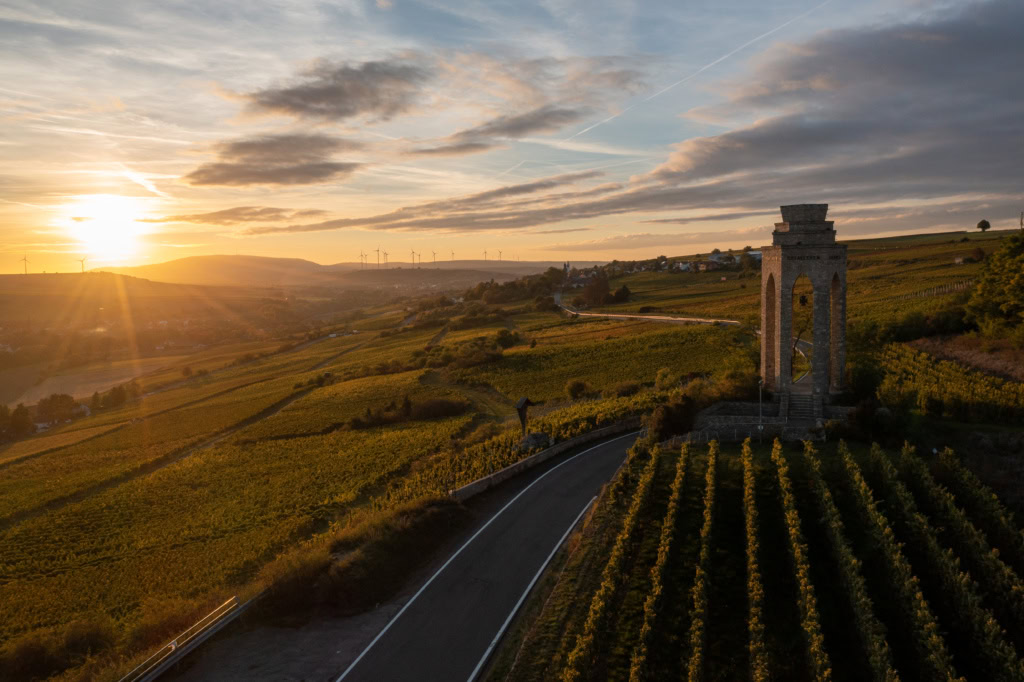
Zellertal: The Newest Need-to-Know Spot on the German Wine Map
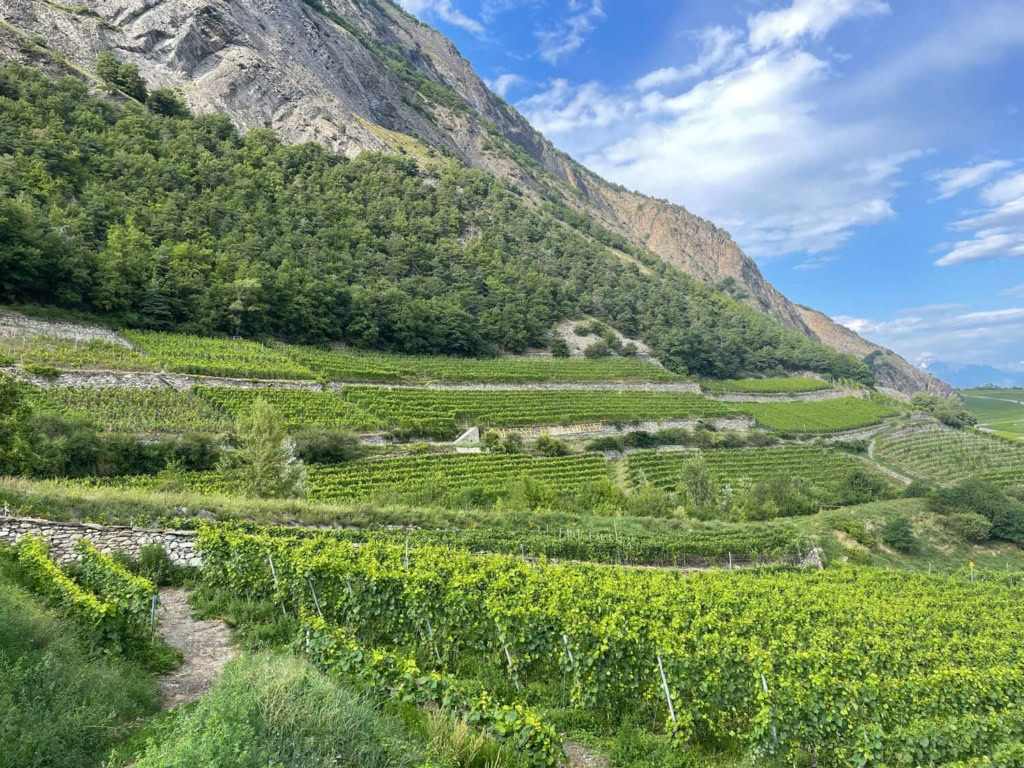
Luckily, Petite Arvine Likes It Hot
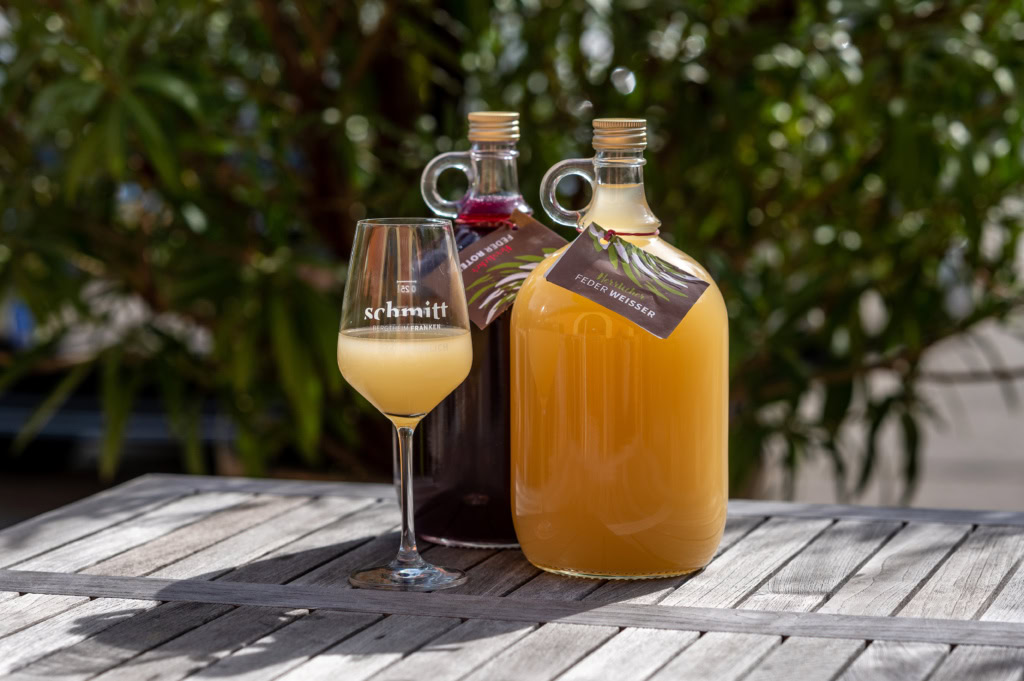
Federweißer’s Brief, Bubbly Season Is Here
Latest articles about Austria

Inside Austria’s Push for Grand Cru Vineyards
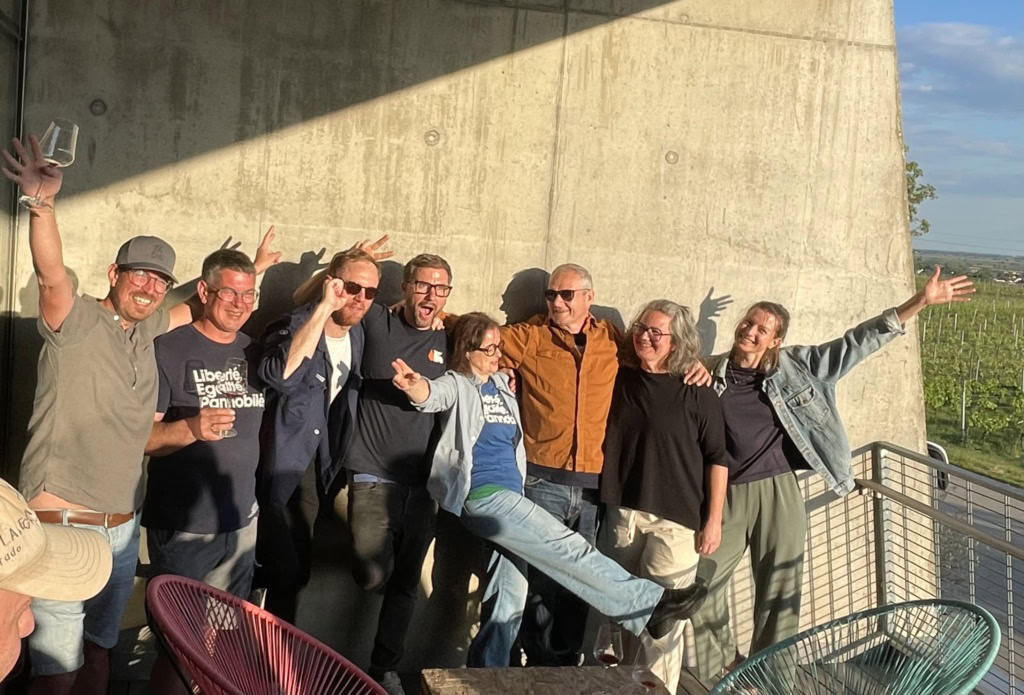
Austria Is the Antidote to Wine Doomerism
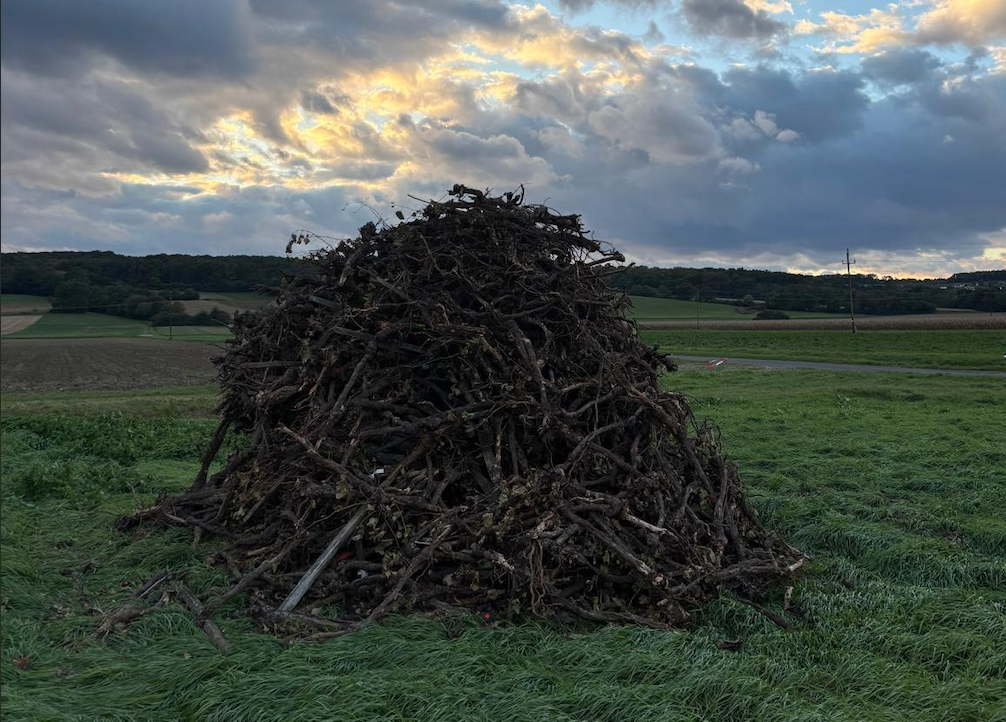
Flavescence dorée: A Viticultural Murder Mystery
Latest articles about Italy
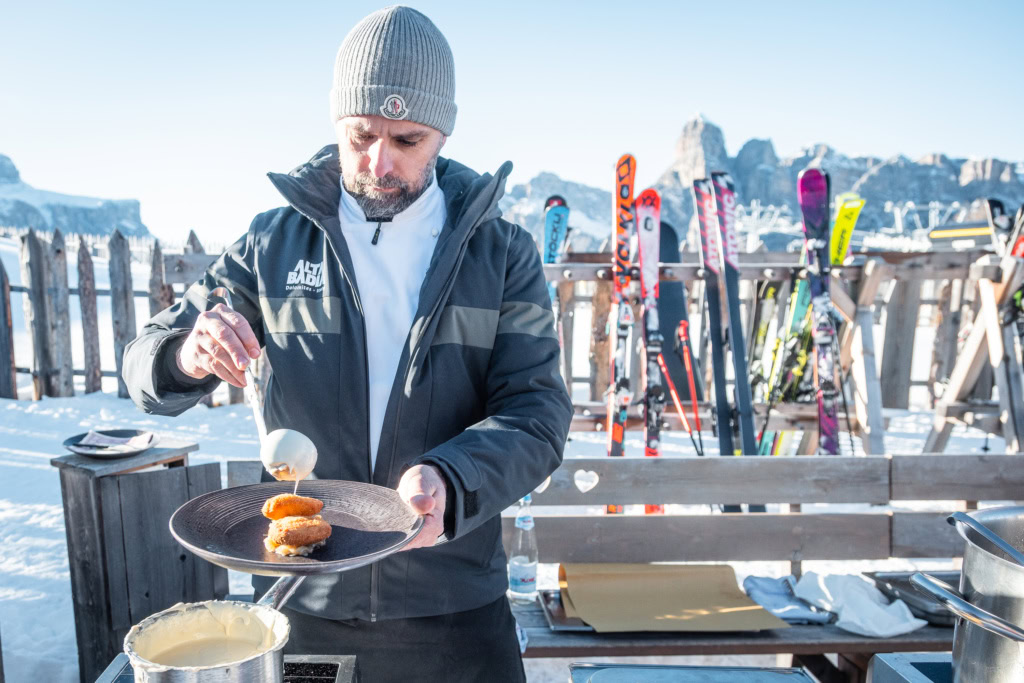
The Elevation of Appetite
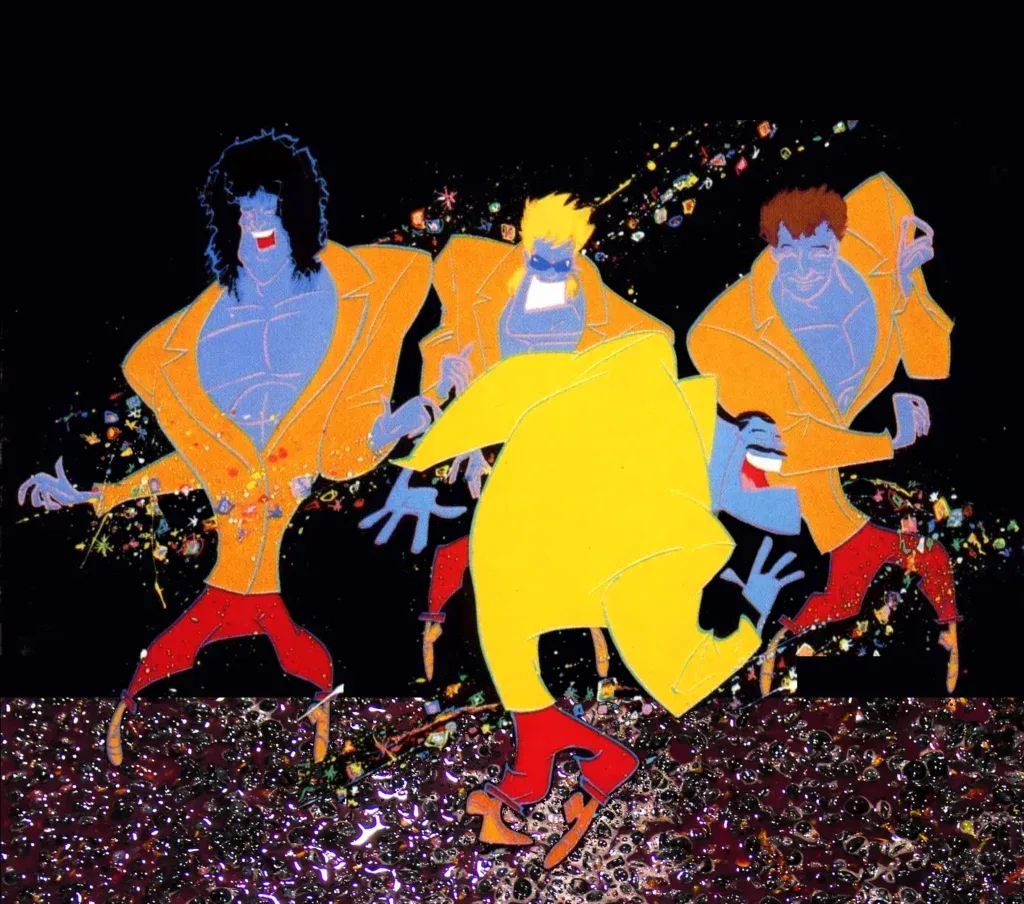
It’s a Kind of Magic

The Sacred Sylvaner of Neustift Abbey
Latest articles about Switzerland
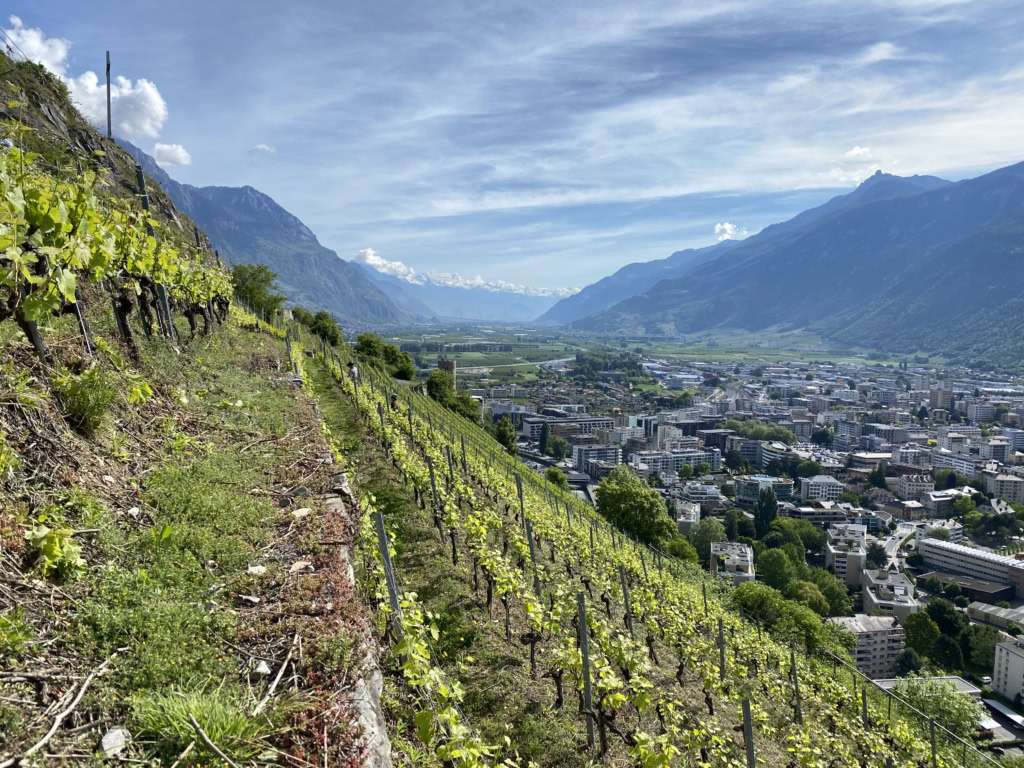
A Short Guide to Swiss Syrah (The Wallis Edit)

Alcohol Consumption in Austria, Germany, and Switzerland: A Long-term View