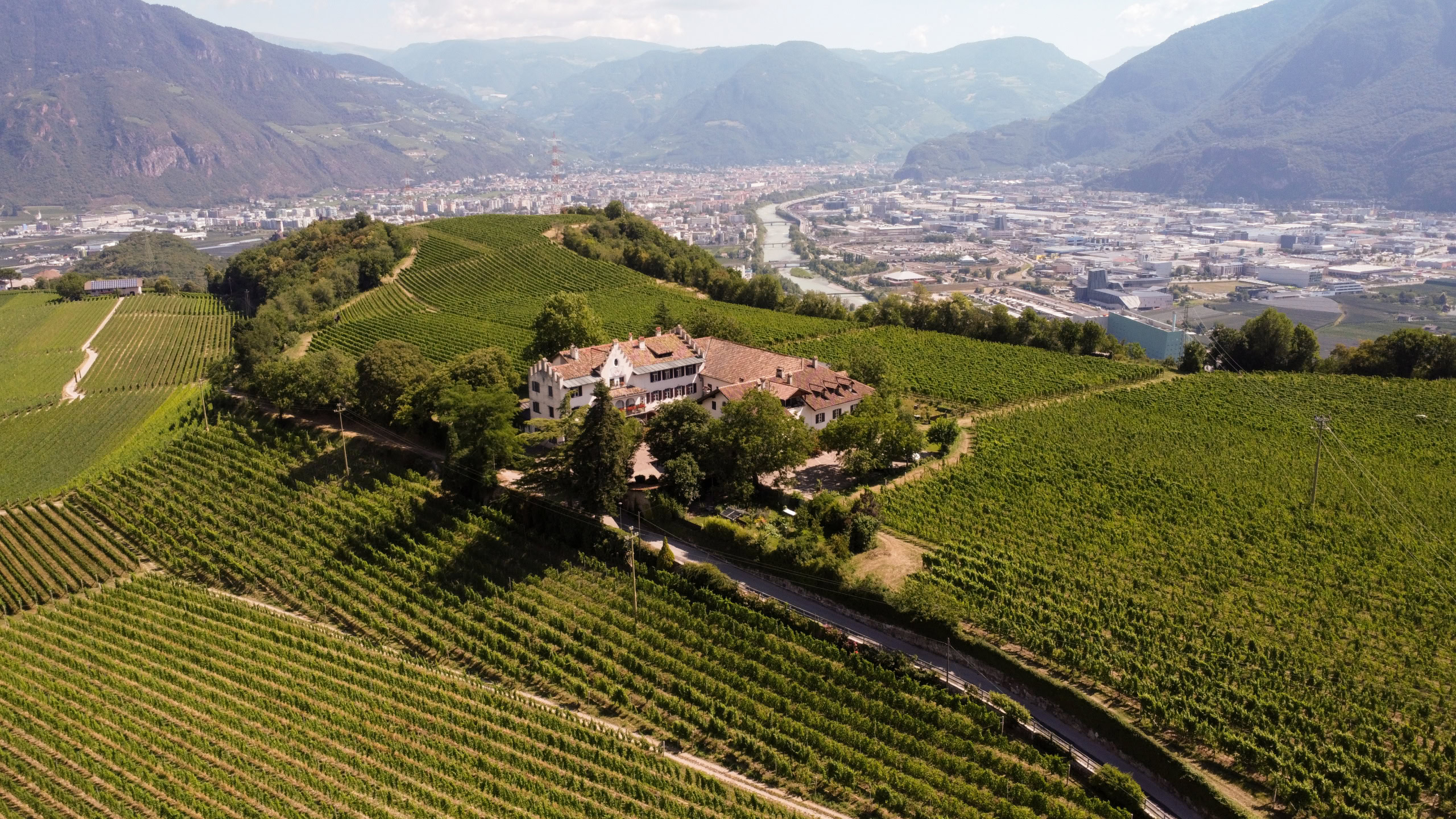
A Closer Look at Germany’s Wine Exports in 2024
Shutterstock
Much has been made of an increase in German wine exports last year. Dr. Karl Storchmann reports that the data are open to interpretation.

Much has been made of an increase in German wine exports last year. Dr. Karl Storchmann reports that the data are open to interpretation.

Karl Storchmann has been a Clinical Professor of Economics at New York University since 2009. He holds a Ph.D. in Economics from the University of Bochum in Germany (1998). Dr. Storchmann is a co-founder and the Editor of the Journal of Wine Economics, and the Executive Director of the American Association of Wine Economists (AAWE). He has taught or held permanent or visiting positions at various universities, including UCLA, Yale University, and Bordeaux Sciences Agro (2014–present). He is an applied microeconomist whose research focuses on environmental and industrial organization issues related to agriculture and the wine market. His most recent work examines the effects of tariffs on the wine industry. He has published wine-related papers in academic journals such as Agricultural Economics, the American Economic Review, Economic Inquiry, the Journal of Wine Economics, the Review of Economics and Statistics, and the Review of Industrial Organization.
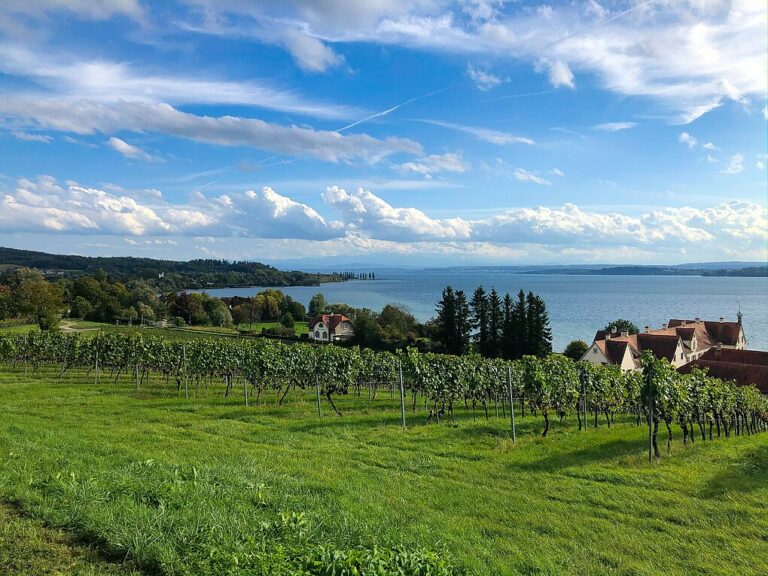
Ask a German about their favorite domestic vacation spots and Bodensee — aka Lake Constance — routinely sits near the top of the list. The country’s largest lake offers plenty of water and winter sports, proximity to Switzerland and Austria, the island of Mainau, and the Reichenau peninsula with its medieval history and churches. Then ask about dream winegrowing destinations, and watch Bodensee slip way, way down the list. With a reputation for simple wines that do little more than embody lake life, it is no wonder that in recent times Bodensee has struggled to be taken seriously. But a small group of young…...
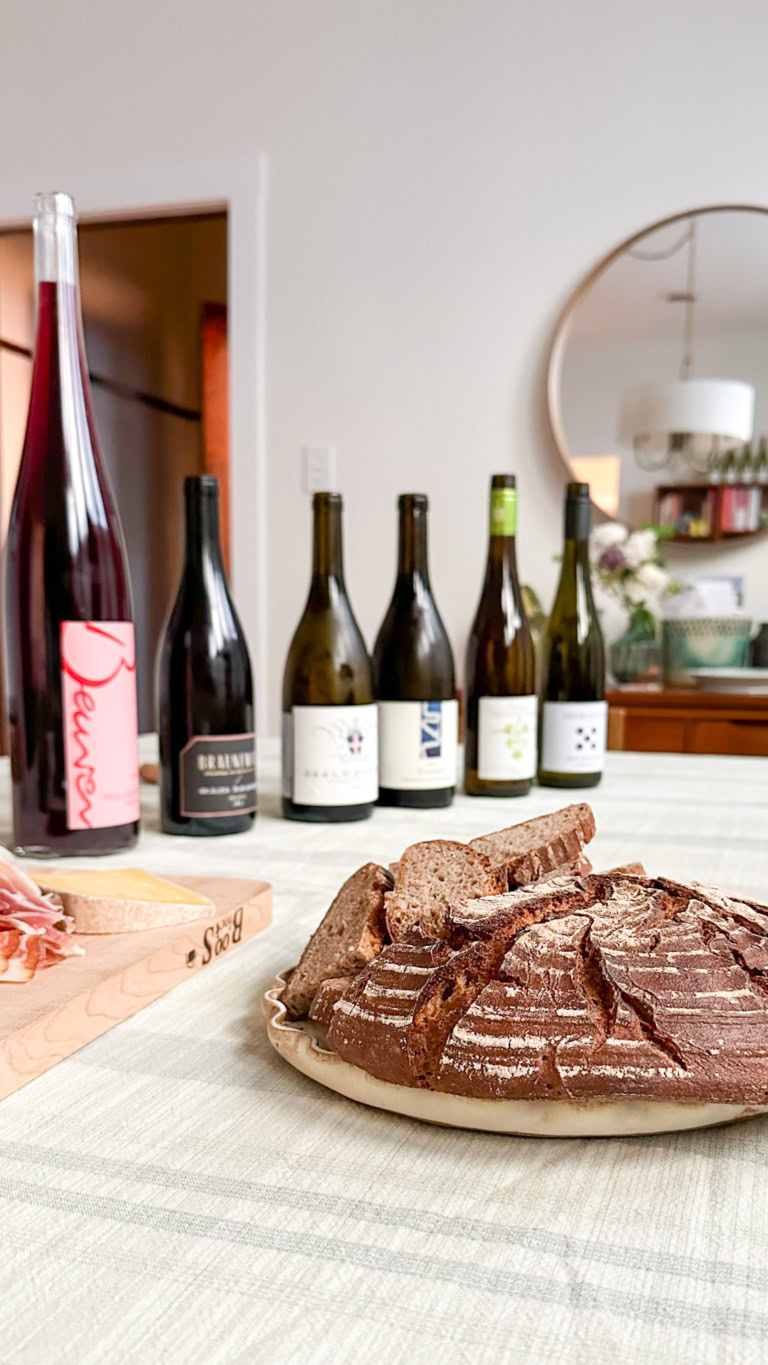
Star-baker Martin Sorge wants you to up your bread game. Wine pairings including.
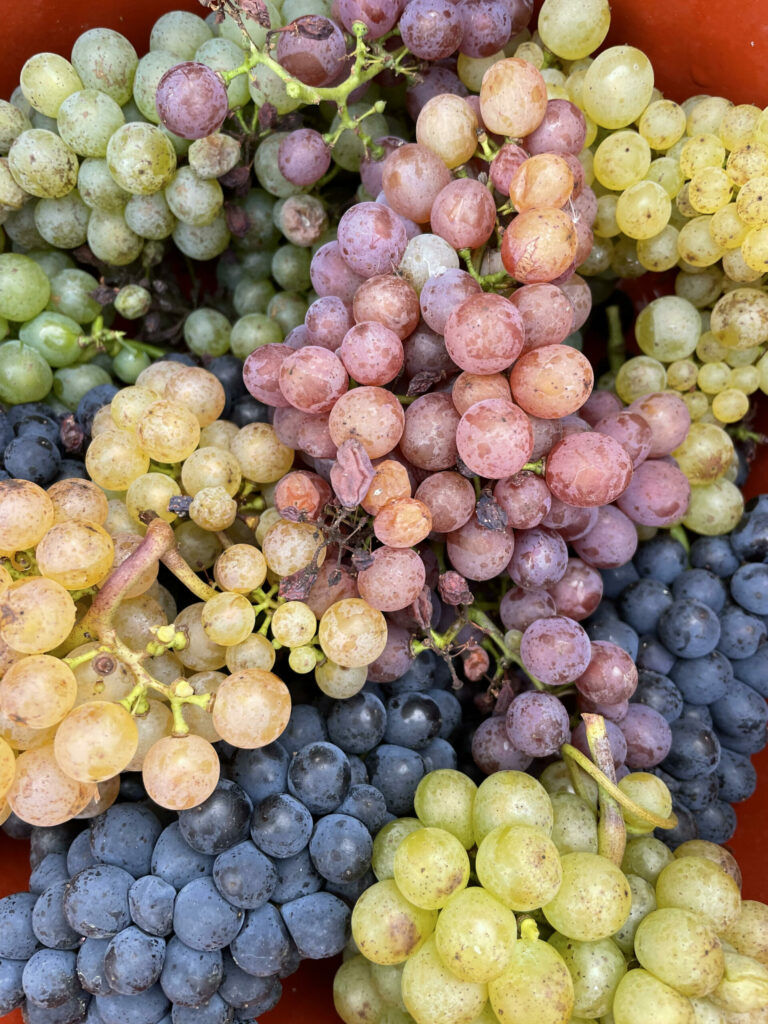
The year is 1806. The date June 17th. Privy Councilor Goethe sits in Frankfurt — high and dry. He reaches for his quill and writes a letter to a friend: “Send me some Würzburger wine, for no other wine satisfies, and I am morose without my accustomed favorite drink.” While the line may not be poetic, the composition Johann Wolfgang von Goethe thirsted for is. The wine in question was, quite possibly, “Frentsch” (local dialect for Altfränkischer Satz or Old Franconian Mixed Set): a field blend of some 20 grape varieties, all planted, harvested, and fermented together. What once gave growers a bit of…...
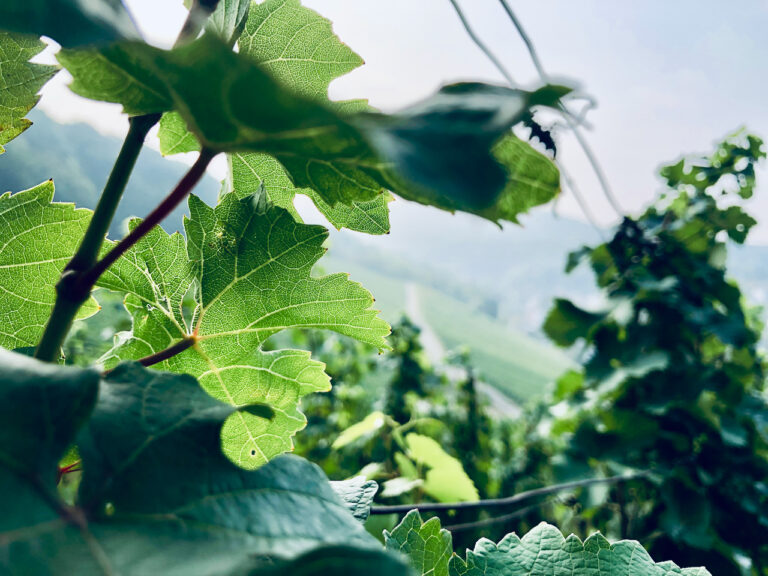
Her child, she thinks, is a Riesling. Of all the varieties in the world, she inevitably returns to this one. There is something in the grape’s singular ability to convey fragility and strength, ephemera and eternity, that mirrors motherhood and frames the child in her mind’s eye. The child could have reflected a multiple of varieties, a blend perhaps, or a different hue. She remembers a strawberry-scented evening of pink Cinsault in a South African game lodge, bottomless glasses as sundowners, followed by a queasy morning-after, and a realization that the child — then little more than a flicker —…...
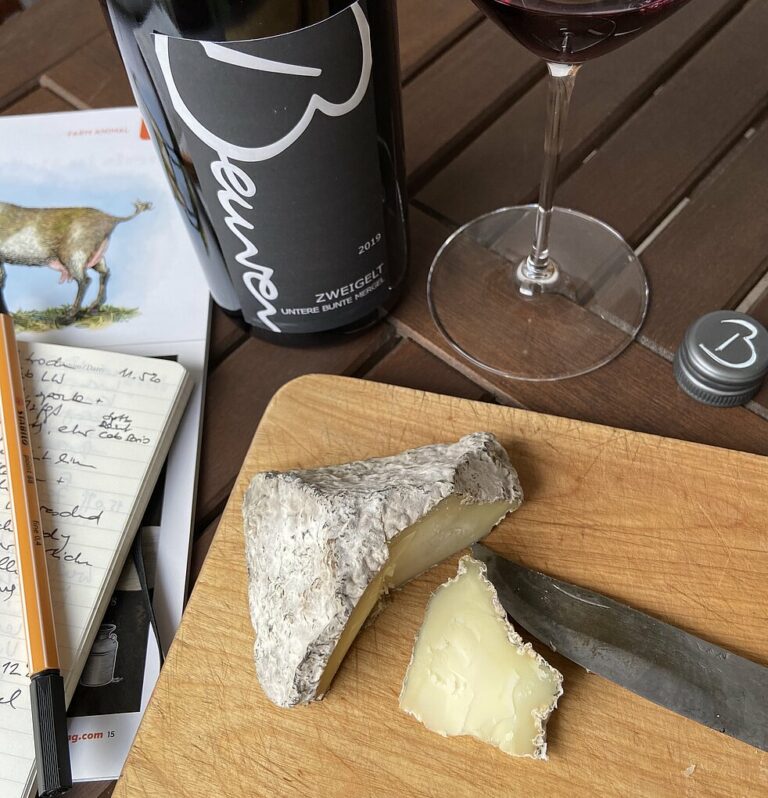
When Westphalia and Württemberg meet on the table good tastes are bound to happen.
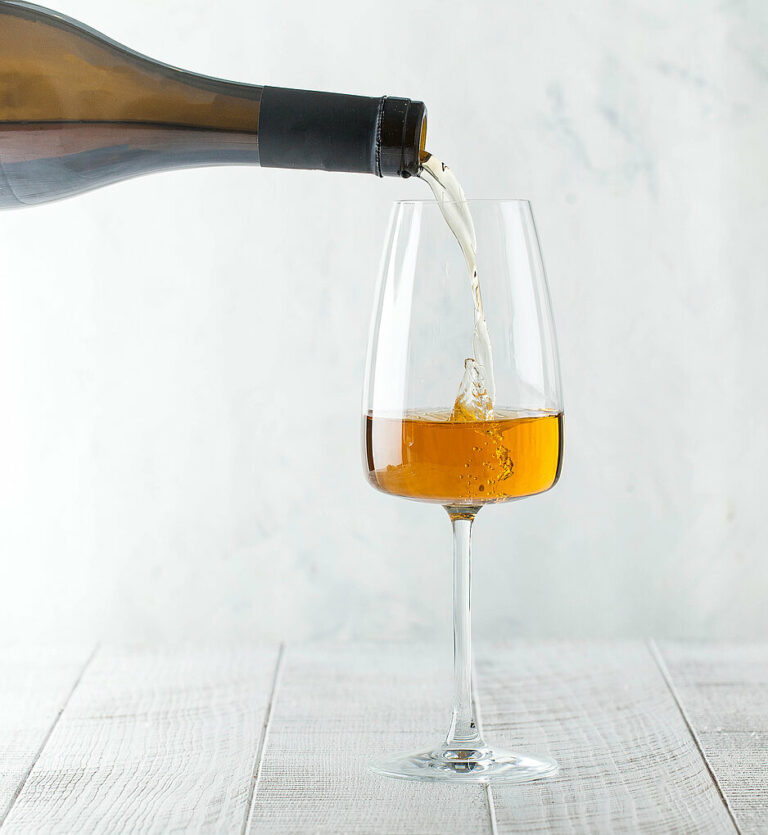
Skin-contact white wines may have their revolutionary roots in Georgia, Slovenia, and Friuli, but the umlaut zone also stakes a strong claim for orange expressions. Austria was an early and highly successful adopter (think Tschida and Tscheppe, Muster and Meinklang). For this, thank geographic proximity, shared traditions, a former empire’s worth of fascinating white varieties, and the remarkable open-mindedness of producers, especially in Styria and Burgenland. Germany came later to the game. The country has been slower to embrace natural and experimental styles generally and its signature variety, Riesling, requires an exceptionally deft hand to succeed in skin-fermented form. However, German…...
© 2026, TRINK Magazine. No portion of this article may be copied, shared or re-distributed without prior consent from TRINK.