Mum’s Vindaloo Meets Its Match
The chilies get the glory. But a Goan family recipe gives Sebastian Bordthäuser other things to think about: rich pork, sweet onions, sharp vinegar—and a mature Silvaner from Franken with something to add.

September 2026
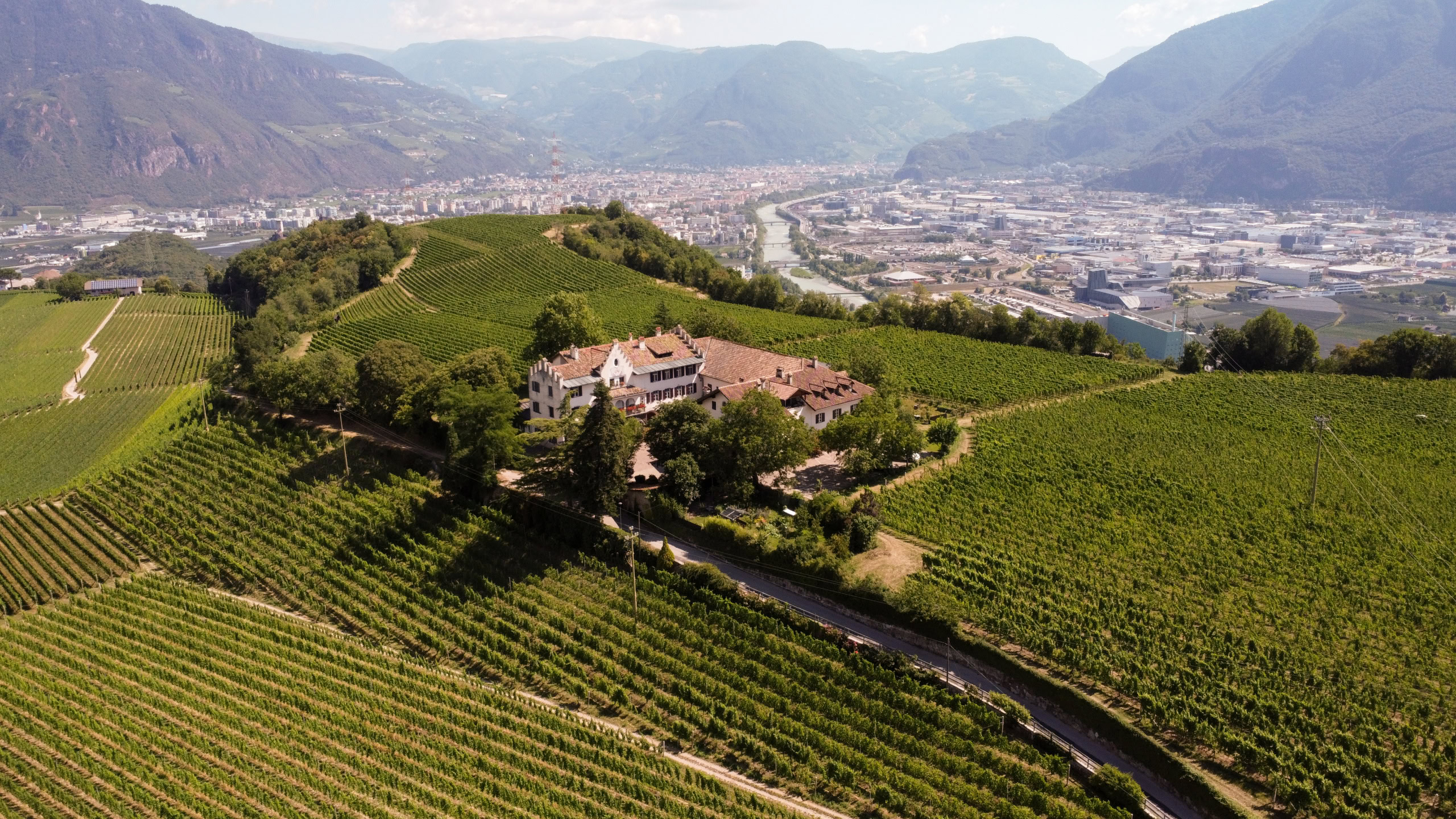
Dear Readers,
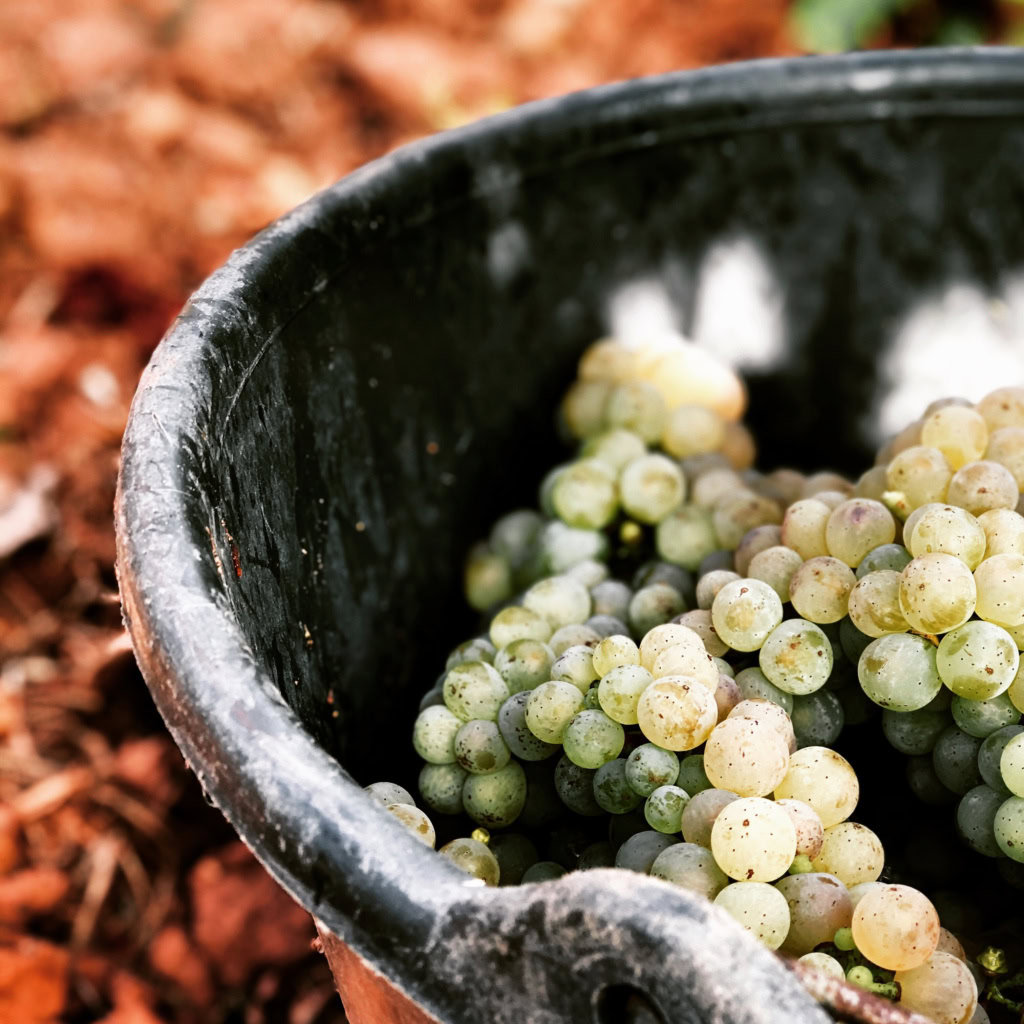
What a strange new season we find ourselves in. Small yields in the vineyard, large pools of inventory in the cellar. A thrilling surge in wine quality and styles, a discouraging downturn in consumption. Brave ventures taking root, reports of bankruptcy and closure.
In our 25th volume of TRINK — “New Harvests” — we refuse to look away from reality, but insist on embracing the optimism and excitement that are undeniable. New ideas, varieties, faces, approaches, events, and enthusiasts abound.
In this edition, you’ll discover what feels like thrilling new terroir in Germany, quietly awaiting rediscovery for decades. You’ll get an exclusive expert-led hiking route through this area, should you prefer your wine explorations to be boots on the ground, as we do. You will learn about the shifting landscape of wine classification in Austria, get a glimpse of what might be the future of grape growing in the Mittelrhein, and learn about the brief, bubbly phenomenon of Federweißer.
We will continue to publish Volume 25 articles throughout the fall. Look for investigations of Berlin’s urban terroir, report on the latest vintage in German-speaking Swiss wine regions, and more.
October marks our 6th anniversary of publishing TRINK. From day one, it has been a labor of love. Sometimes more labor, other times more love. But it is always made possible by the support and encouragement of you, our readers and subscribers. Thank you for being with us on the journey.
Happy reading!
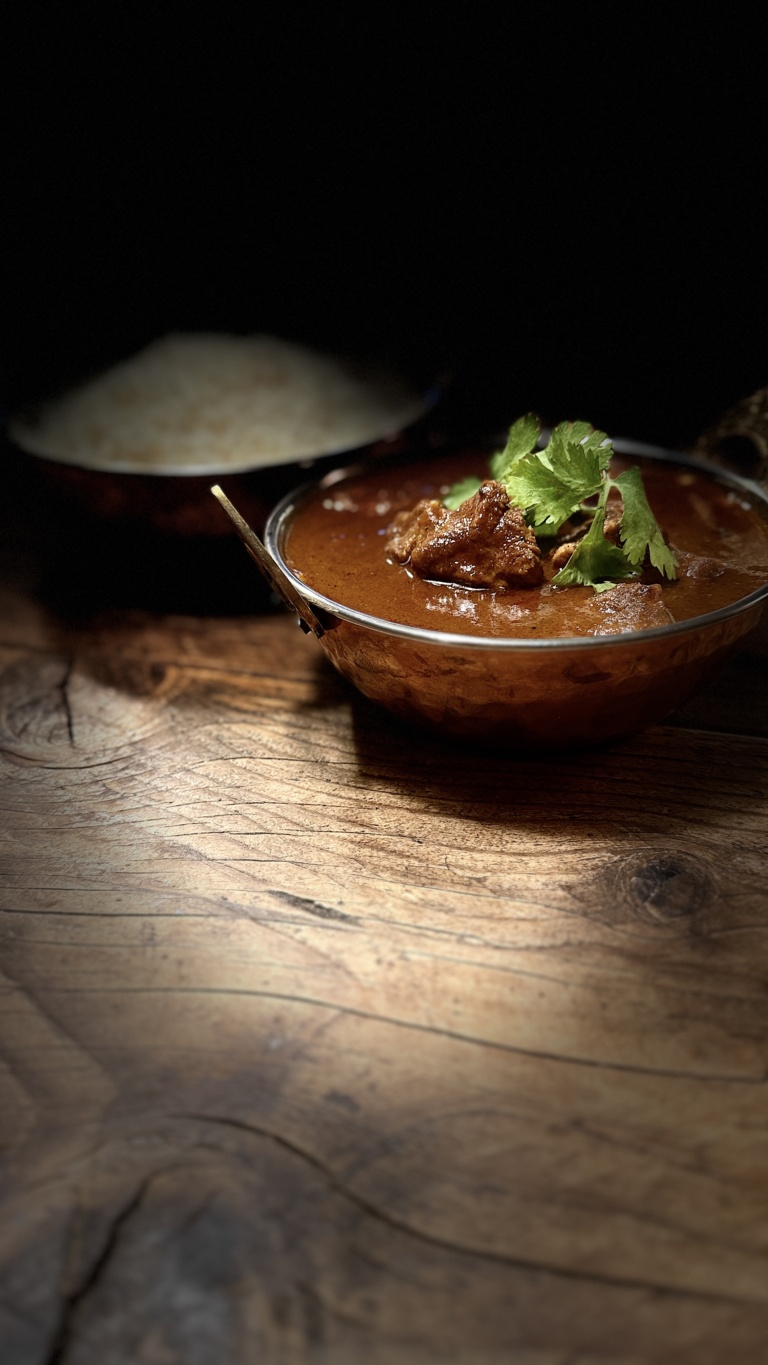
The chilies get the glory. But a Goan family recipe gives Sebastian Bordthäuser other things to think about: rich pork, sweet onions, sharp vinegar—and a mature Silvaner from Franken with something to add.
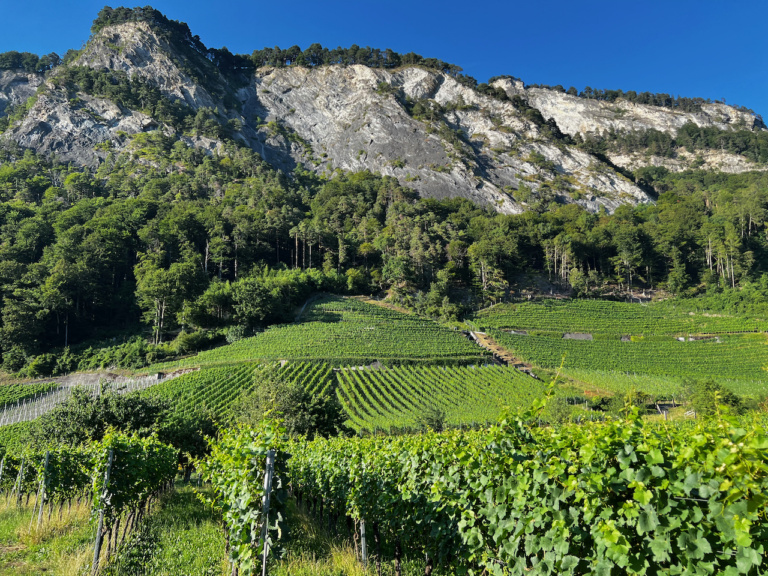
Switzerland is one of the world’s wealthiest and most proudly independent countries, yet the reality is far more complex than its idealized image. The nation’s small but diverse wine industry is not immune to the challenges faced elsewhere. However, while many other countries and regions have extensive experience selling their wines abroad, for Switzerland, export remains a land of opportunity only now cautiously being explored. This creates a long-awaited chance for the wine-curious to try out the vinous treasures of a country that until quite recently consumed 99 percent of its own production. Although not everyone will agree (more about…...
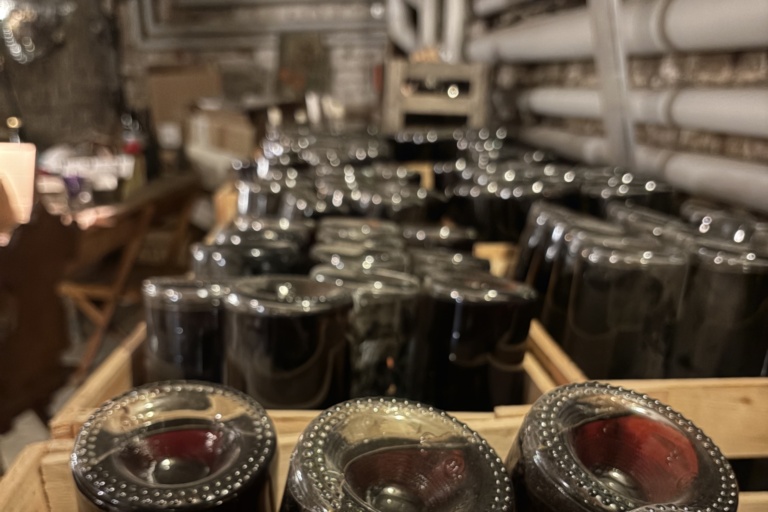
Terroir without a view: what happens when winemakers in Berlin, Cologne and Munich make wine in the city from grapes grown elsewhere.
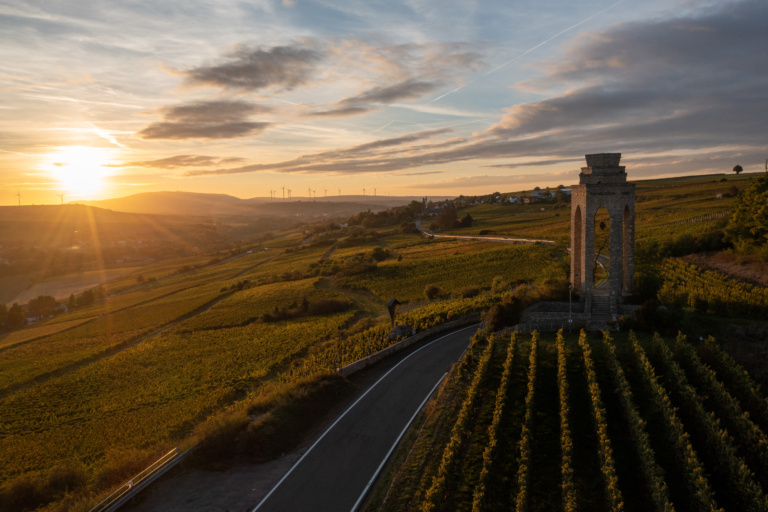
When I arranged to meet H.O. Spanier of Weingut Battenfeld Spanier, one of Germany’s leading growers, in the Zellertal, he wrote to me: “Zellertal is probably one of Germany’s most dynamic regions. I began investing in its most limestone-rich sites 30 years ago.” Since then, interest in the Zellertal has built gradually. But in the past few years, that interest has exploded. Spanier has played a major role in this, as has the world-renowned father-son winemaking duo Klaus Peter and Felix Keller of Weingut Keller. Both estates are now significantly invested in Zellertal vineyards. There was no question their moves…...
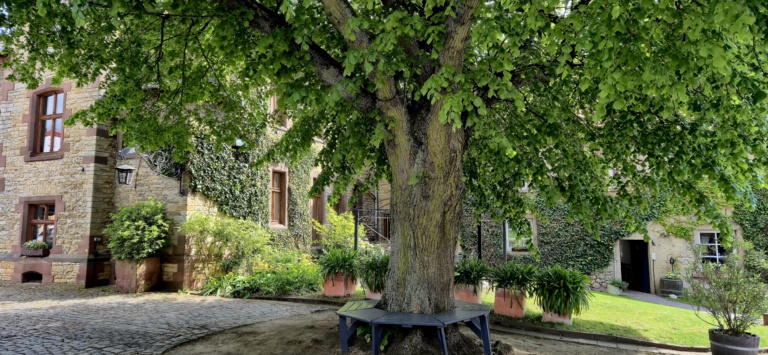
The 45-kilometer Zellertalweg hiking trail runs through the heart of the Zellertal. I have created a loop trail that builds off of this longer path and can be divided into several stages. It takes in the best-known vineyards and some of the most interesting sights featured in my forthcoming wine travel guide to Germany. For me, this is the most beautiful part of the Zellertal, naturally including the Schwarzer Herrgott in both the Pfalz and Rheinhessen. As my route diverges from the Zellertalweg at several points, use this downloadable GPX file to navigate. (Works with any standard phone-based hiking app…...
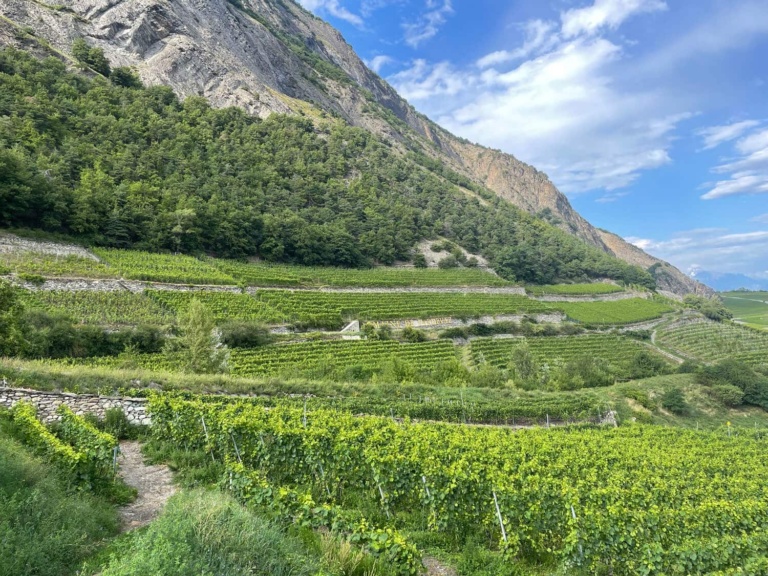
As more cool-climate regions like Germany's Mittelrhein seek grapes that can beat the heat, the rare Swiss variety Petite Arvine offers a surprising possibility.
Austria’s vineyard classification is nearing legal status. Can its grand-cru model withstand its critics — and travel beyond Austria? A conversation with ÖTW Managing Director Michael Tischler-Zimmermann.
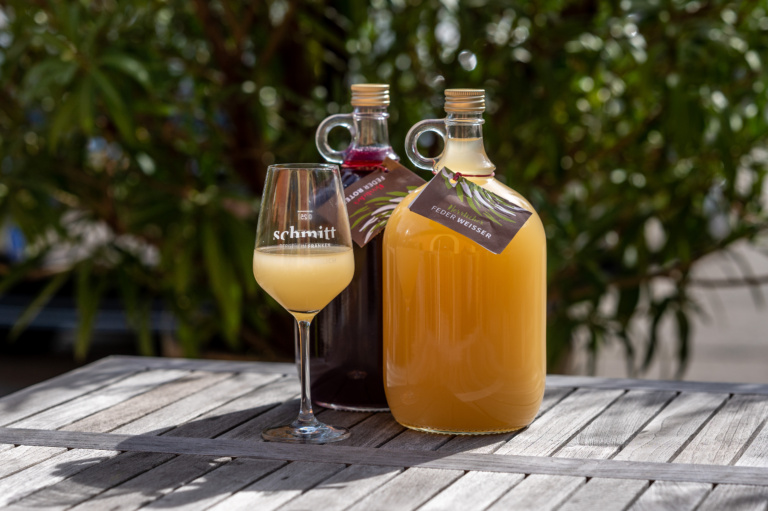
A bottle of wine is a foregone harvest, a transmuted measure of the soil, sun, and rain that fed erstwhile grapes. Federweißer, however, is an immediate taste of the harvest. In 2007, I was fresh out of college and living in Mainz, Germany, a gateway to major wine regions like the Rheingau and Rheinhessen, when I first encountered the young, sweet, low-alcohol wine called Federweißer and its red counterpart, Federroter. It was late summer when wooden stalls selling Federweißer materialized throughout the pedestrianized city center. There, I had my first swigs alongside Zwiebelkuchen, a flaky onion tart with a caramelized…...