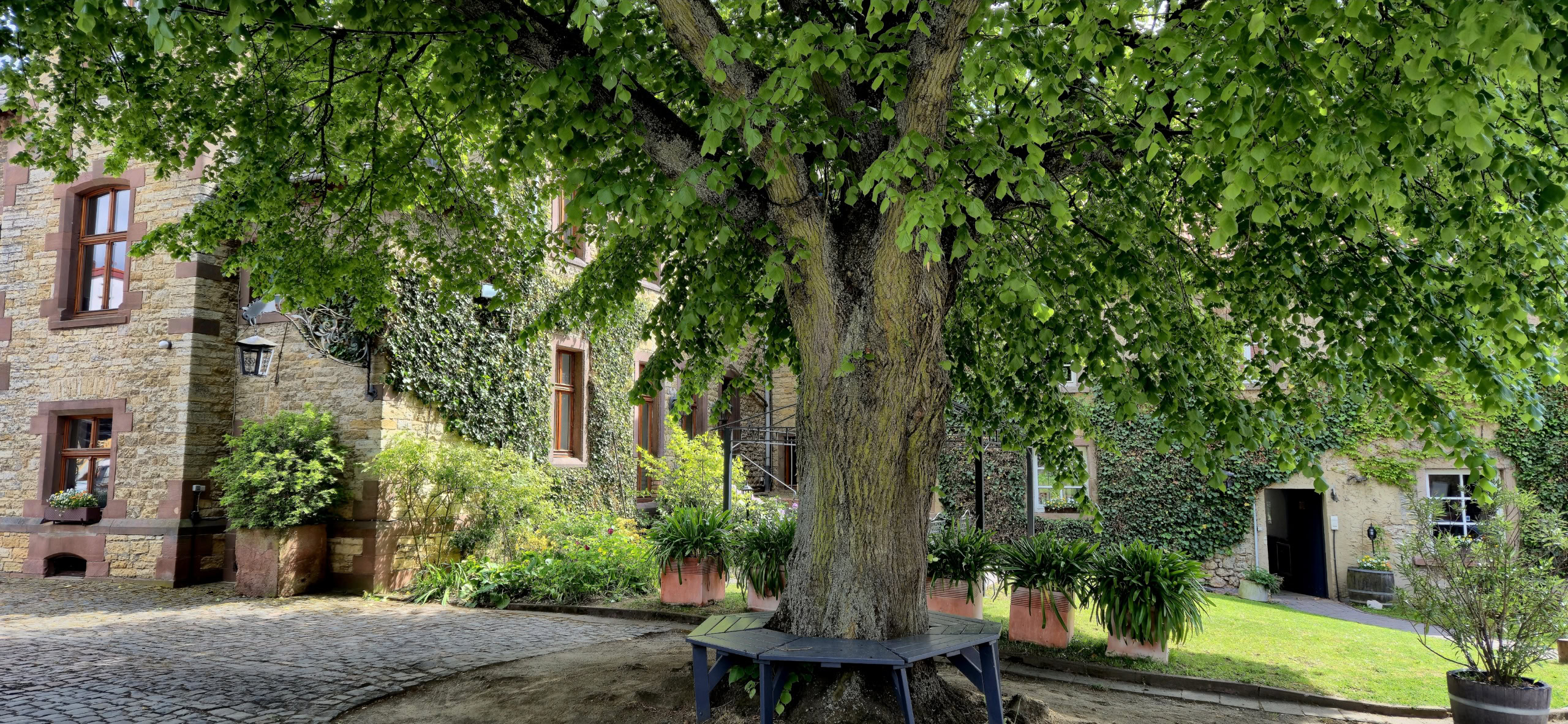
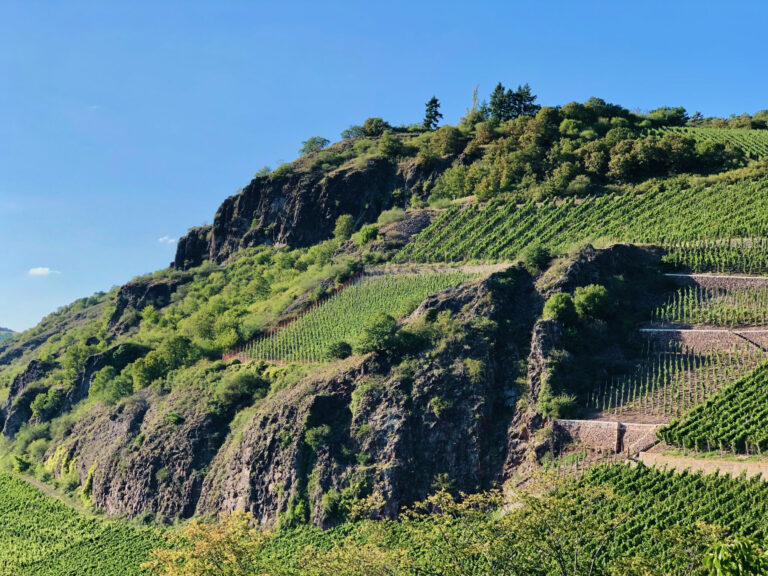
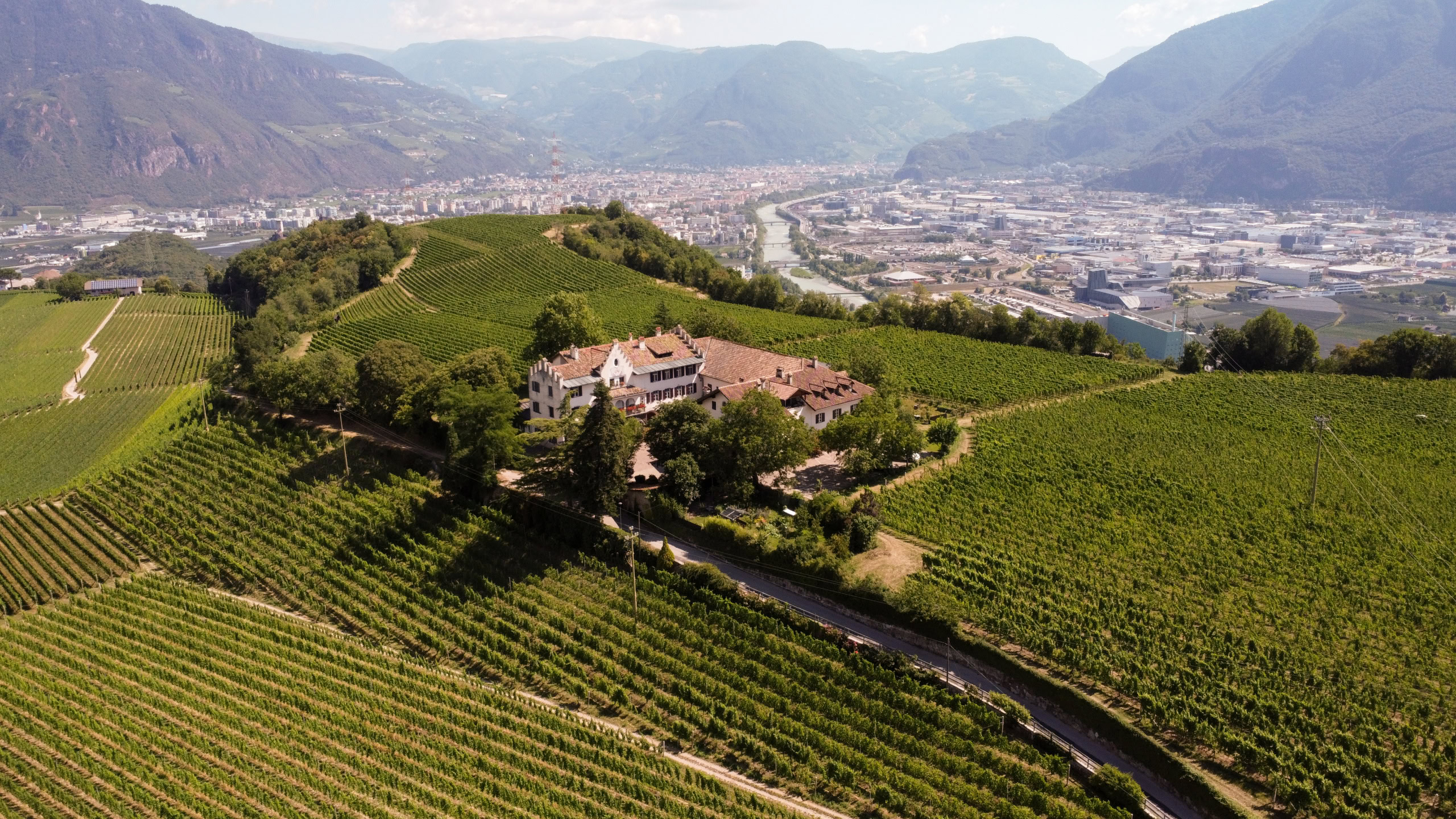
The 45-kilometer Zellertalweg hiking trail runs through the heart of the Zellertal. I have created a loop trail that builds off of this longer path and can be divided into several stages. It takes in the best-known vineyards and some of the most interesting sights featured in my forthcoming wine travel guide to Germany. For me, this is the most beautiful part of the Zellertal, naturally including the Schwarzer Herrgott in both the Pfalz and Rheinhessen. As my route diverges from the Zellertalweg at several points, use this downloadable GPX file to navigate. (Works with any standard phone-based hiking app…
As a former importer, speaker, writer, organizer of events, wine tours and wine-focused walking holidays, Gerd Brabant has gained exceptional first-hand experience within the German wine world. Together with Marc Roovers, he is the co-author of Wijnland Duitsland, a comprehensive Dutch-language book on German wine. Gerd’s next book is due out in 2027: an in-depth wine travel guide to nine German wine regions. His greatest passion is exploring wine regions on foot. Photo credit: Femke de Kerpel
“Die Luft war raus.” The spark had vanished; the bloom was off the rose. That was the phrase circulating in the weeks before ProWein opened, in emails, on the phone, in the particular silence that greets an appointment calendar nobody has the energy to open. Executing pre-fair rituals felt like a chore. My cowboy boots weighed heavy; my playlists, uninspired. And I wasn’t alone. Wine Paris closed its seventh edition in February with 63,541 trade visitors from 169 countries, up 21 percent in a single year. My social media feed was full of smiling faces and hand-lettered “Bonjour! Bienvenue!” signs,…...
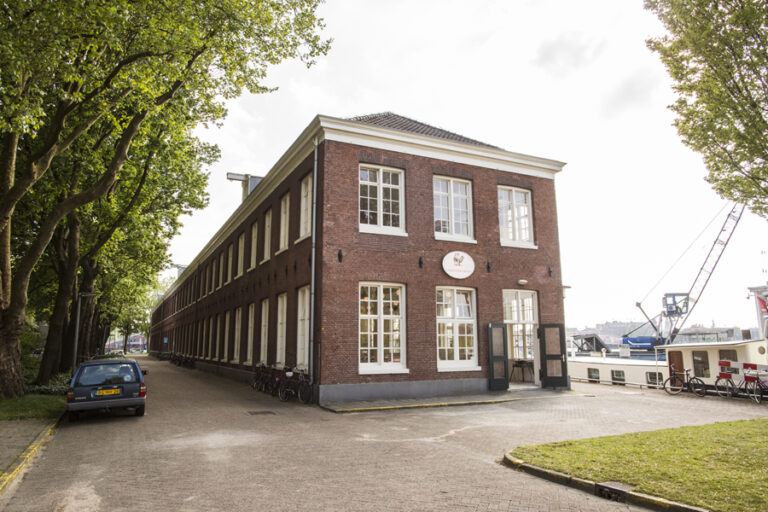
“When I started drinking wine, wine was French,” my father told me recently over dinner at Scheepskameel, a Dutch restaurant known for its excellent wine menu. He never spends more than 10 euro on a bottle, and rarely drinks white, but that evening he unexpectedly admitted, he preferred our glass of German Riesling to our bottle of red Bordeaux. A few days later, I hosted a Riesling tasting for some serious wine friends. They have accounts with posh traders and their own cellars, which are typically stocked with Burgundies and Bordeaux. They were impressed. But, I wondered, would they buy…...
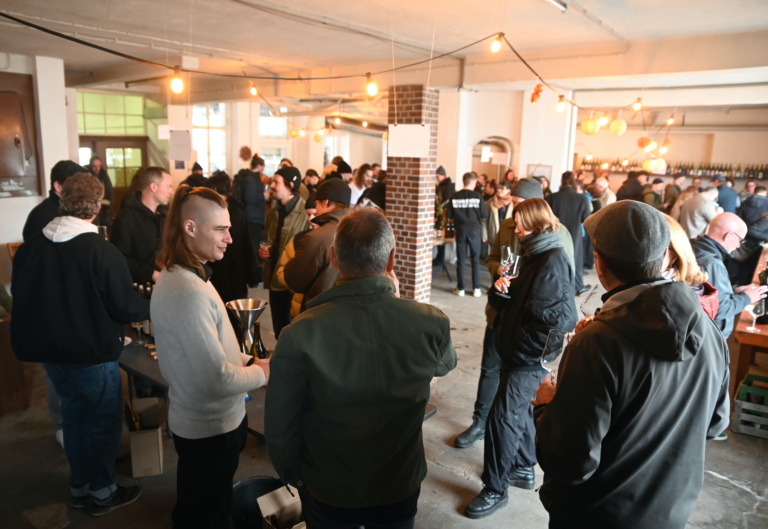
Kitzingen has never been particularly famed as a mecca for winemaking in Franken. So when I received an invitation to visit this town, 20 km southeast of Würzburg, for a wine presentation by the New Kitz & Friends, I had little reason to suspect it would mutate into a natural wine hub. At this point, New Kitz & Friends are hardly unknowns – certainly not in this magazine. Colleague Rainer Schäfer recently profiled this group of unconventional locals and newcomers, all moving in a cosmic orbit around the pioneering natural wine estate 2Naturkinder. For this event, the New Kitz called…...
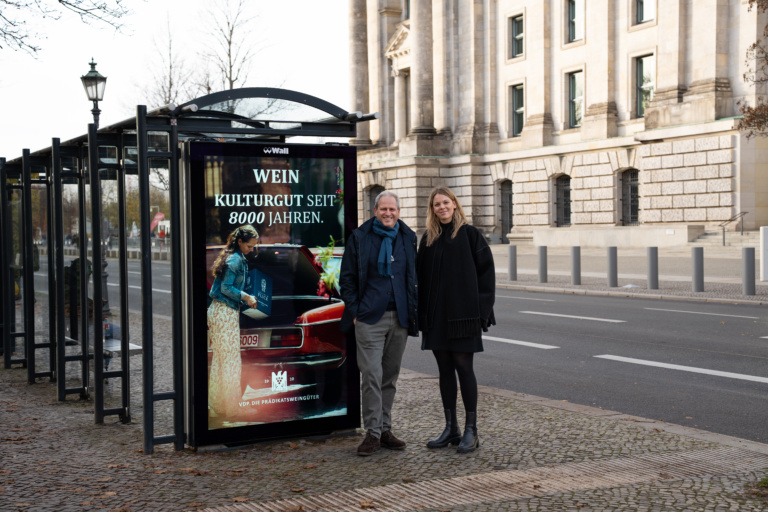
Maps illustrating German viticulture in the Middle Ages show a dense, far-reaching expanse. Vines and wine were integral to daily life, sacred and secular. Vineyards formed a distinctive cultural landscape and wine a vital cultural asset — a long, living link to the past. Today, that link is being tested. The German wine industry is contending with what some experts have called its greatest crisis since World War II. Fueling the crisis are anti-alcohol messaging, demographic shifts, rocketing costs, and the increasingly erratic tolls of the climate crisis. Worse, there’s no clear sense of where rock bottom lies. But German…...
Some say it lacks the historical cache of the Rheingau, the legendary vineyard names of the Mosel, or the easy charm of neighboring Rheinhessen. There are no convenient river boats to ferry you between wine villages, nor even particularly good train connections. No argument: the Nahe [NAHH-heh] Valley demands that you put in a bit of work to explore its more far-flung corners. The reward for those efforts is some of the most objectively fascinating landscapes, geology, climate, and wines anywhere in Germany. In fact, things can get downright adventurous in Germany’s version of the (Wine) Wild West. From the…...
A fresh crop of Masters of Wine was announced late last month: Ten individuals who have grasped the holy grail of wine education. Among them is Moritz Nikolaus Lüke of Bonn — the tenth German to achieve the distinction. He joins an elite crew who have earned the title by passing legendarily rigorous blind tasting examinations and writing a series of theory papers as well as a research-based thesis. TRINK caught up with Lüke to find out what the experience was like, learn about his Covid-driven research paper — and get an answer to the question we’re all naturally most curious about: what he drank…...