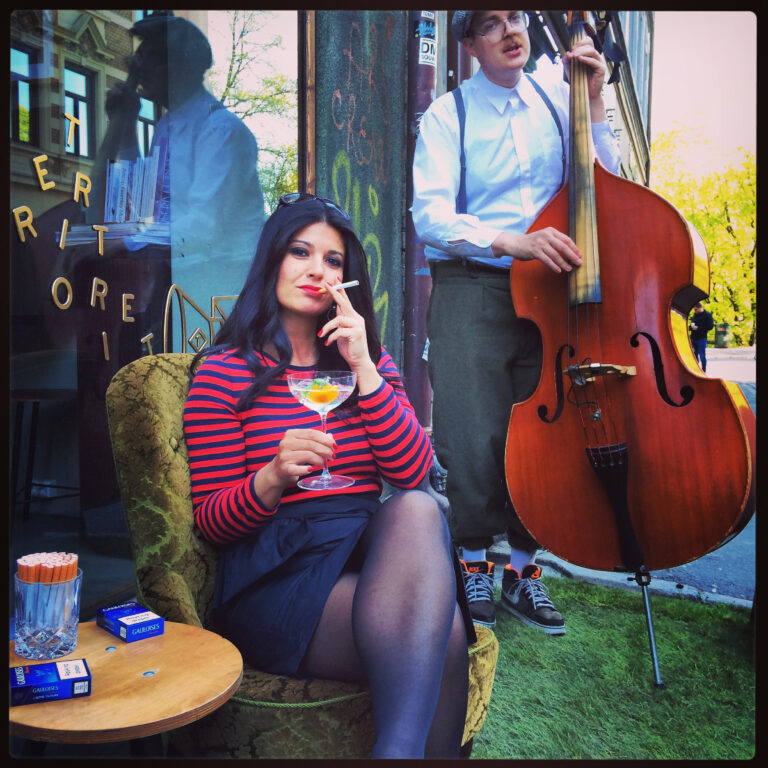
The VDP's wine culture campaign hits the streets. Photo credit: VDP by Lennart Schmidt | pleasure* - Agentur für Genuss GmbH
Maps illustrating German viticulture in the Middle Ages show a dense, far-reaching expanse. Vines and wine were integral to daily life, sacred and secular. Vineyards formed a distinctive cultural landscape and wine a vital cultural asset — a long, living link to the past.Today, that link is being tested. The German wine industry is contending with what some experts have called its greatest crisis since World War II. Fueling the crisis are anti-alcohol messaging, demographic shifts, rocketing costs, and the increasingly erratic tolls of the climate crisis. Worse, there’s no clear sense of where rock bottom lies.But German wine has…
Valerie Kathawala specializes in the wines of Germany and Austria. Her work appears in the pages of regularly in Noble Rot and SevenFifty Daily. She is the author of the "German Wine Scholar" (2025).
“Die Luft war raus.” The spark had vanished; the bloom was off the rose. That was the phrase circulating in the weeks before ProWein opened, in emails, on the phone, in the particular silence that greets an appointment calendar nobody has the energy to open. Executing pre-fair rituals felt like a chore. My cowboy boots weighed heavy; my playlists, uninspired. And I wasn’t alone. Wine Paris closed its seventh edition in February with 63,541 trade visitors from 169 countries, up 21 percent in a single year. My social media feed was full of smiling faces and hand-lettered “Bonjour! Bienvenue!” signs,…...
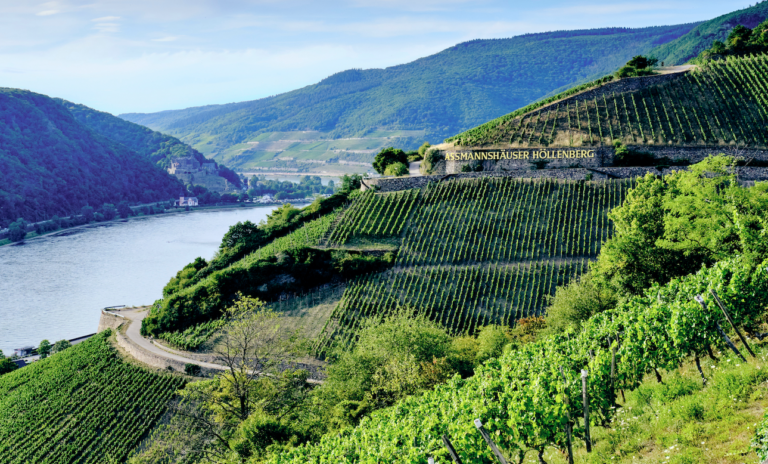
The Rheingau. A small, splendidly historic region of aristocratic estates and superb terroir awaiting an energizing charge. The steady ship in Germany’s often storm-tossed seas, navigating a course of admirable quality through the centuries. Its large estates set global benchmarks; its noble mien, iconic landscapes, and heralded vineyards have always set it apart. In recent times, however, the Rheingau’s identity has become somewhat obscured by the dominance of large, in some cases impersonal estates and global warming has diminished its long-held prominence as one of the few German wine regions capable of achieving consistent ripeness. If it is often described as “underachieving,” the word does hint at…...
Liora Levi, high-profile sommelier, television personality, and president of ASI Norwegian Sommelier Association, came late to wine. In its own odd way, that only bolsters her bona fides as a daughter of the north. The countries to the north of the umlaut region can generally be viewed as latecomers to the joys of wine, and white wine in particular. But times change, and opinion makers like Levi have now helped the Nordics become prime drivers of the Riesling Revolution. It is a boom time for whites under the northern lights. As Levi explains in an interview with TRINK, the delayed…...
Germany seems to require an official examination for everything. Qualitätsweine (“quality wines”) are no exception. Those that fail the test are slapped with the Landwein label. In April 2015, a group of top growers from Baden, deep in Germany’s southwest, joined forces to rebel against the official inspection system. Flouting what officials would think of as a demotion, they decided to wear Landwein as a badge of honor. Baden has long been seen as the kinder, more conventional Germany. Thus Landwein is a direct challenge to that sensibility, one that takes on more significance because it seemed the unlikeliest of places for revolt. It happened the way so many…...
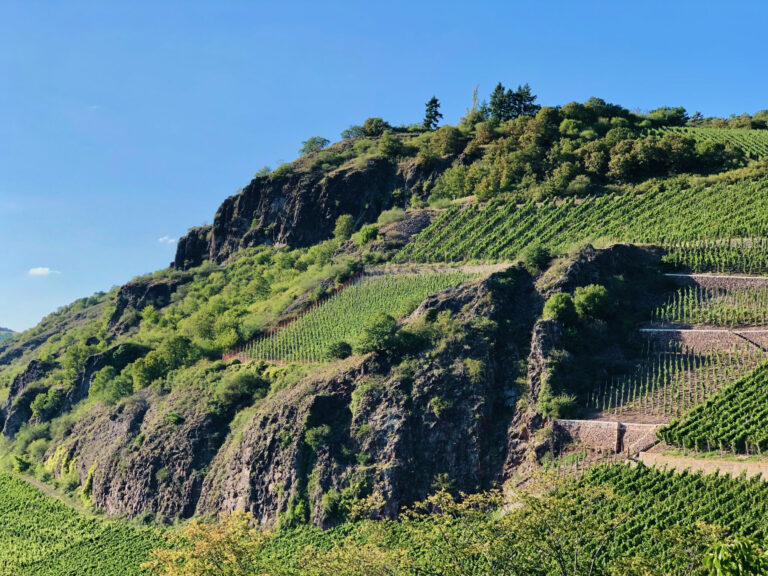
Some say it lacks the historical cache of the Rheingau, the legendary vineyard names of the Mosel, or the easy charm of neighboring Rheinhessen. There are no convenient river boats to ferry you between wine villages, nor even particularly good train connections. No argument: the Nahe [NAHH-heh] Valley demands that you put in a bit of work to explore its more far-flung corners. The reward for those efforts is some of the most objectively fascinating landscapes, geology, climate, and wines anywhere in Germany. In fact, things can get downright adventurous in Germany’s version of the (Wine) Wild West. From the…...
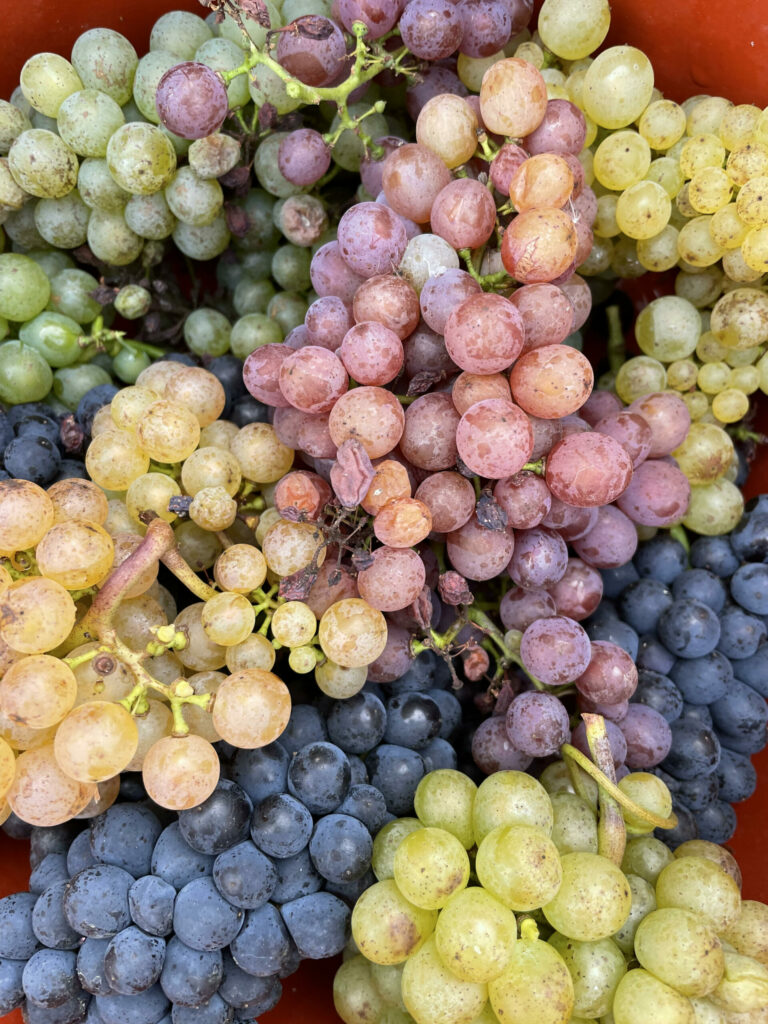
The year is 1806. The date June 17th. Privy Councilor Goethe sits in Frankfurt — high and dry. He reaches for his quill and writes a letter to a friend: “Send me some Würzburger wine, for no other wine satisfies, and I am morose without my accustomed favorite drink.” While the line may not be poetic, the composition Johann Wolfgang von Goethe thirsted for is. The wine in question was, quite possibly, “Frentsch” (local dialect for Altfränkischer Satz or Old Franconian Mixed Set): a field blend of some 20 grape varieties, all planted, harvested, and fermented together. What once gave growers a bit of…...