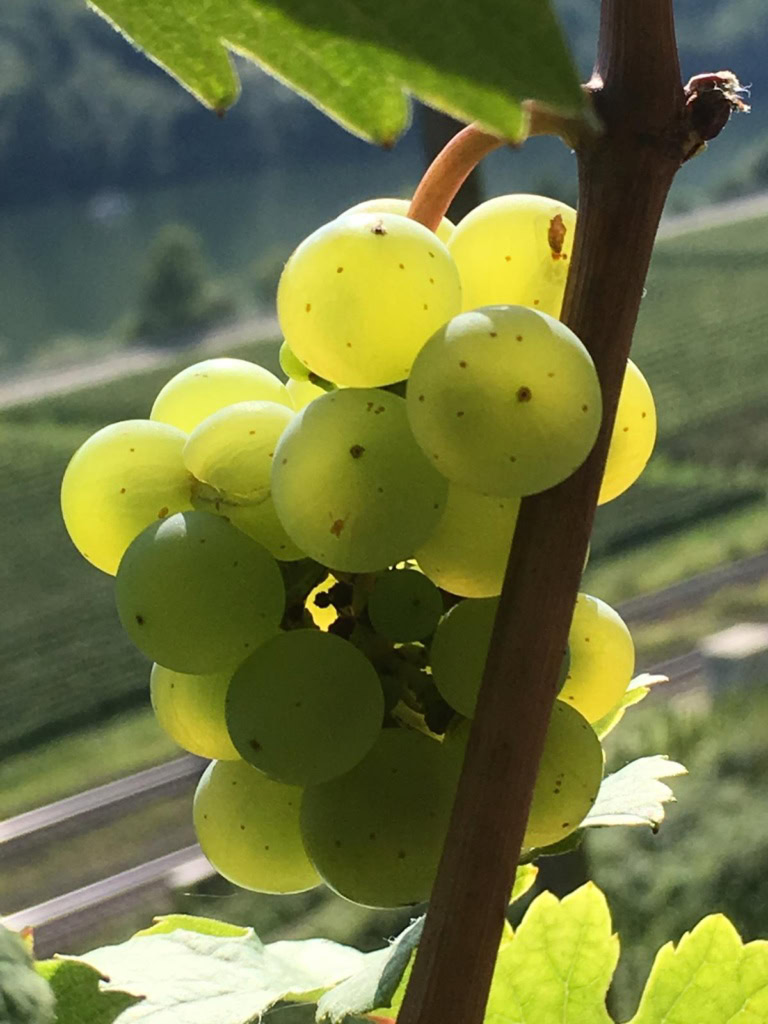
My socials fill up with harvest photos at this time of year. It’s joyful and a bit primal. Nature controls the parameters of how and when, no matter how hard we try to predict and plan. The act of picking grapes initiates an even more fundamental process. Fermentation is to wine what oxygen is to humans. It’s both essential and deadly at the same time. There is no wine without it, yet fermentation’s transformative effects can destroy as readily as they create. It’s a kind of magic. Smoke, Stinks and Magic It’s magic because you start with fresh fruit, then…
Simon J. Woolf has been writing about wine since 2011 in magazines, books, on and offline. He writes about what he personally likes to drink, and the overarching themes he covers - organic and biodynamic farming, sustainability, low intervention, natural and orange wine - all represent his own deeply held beliefs and passions. His first book "Amber Revolution - How the World Learned to Love Orange Wine" has become the go-to guide to this wine category. "Foot Trodden - Portugal and the Wines that Time Forgot" was published in 2021, and co-written with Ryan Opaz. Both books were New York Times wine books of the year, and "Foot Trodden" was shortlisted for a James Beard award.
Lunar New Year (aka Spring Festival, or Guo Nian in Mandarin) is arguably the most important holiday for people of Chinese heritage — especially in Taiwan, where I grew up. It’s been my favorite since I was a kid. Now, living in Brooklyn, I recall that a few days before the New Year every household starts to “sweep the dust” to banish bad luck, erase unhelpful habits, and create positive new ones. On the day before New Year’s Eve (a holiday we call Little New Year’s Eve), we will take down the old Spring Festival couplets and replace them with fresh verses. On New…...
By traditional measures, my first year of college was a waste. I spent a lot of it playing cards with a gang of liberal theologians at a Jesuit university in California. Towering above the group was our guru, the truest Renaissance man I’ve ever met — priest, medieval scholar, professional clown, and director of his own traveling circus. He spent most of each year wandering from one Catholic university to another, plying his gift for persuasion. But he always made time for cards when he was in town. When not lobbying for Christ, he was partial to Texas Hold ’em,…...
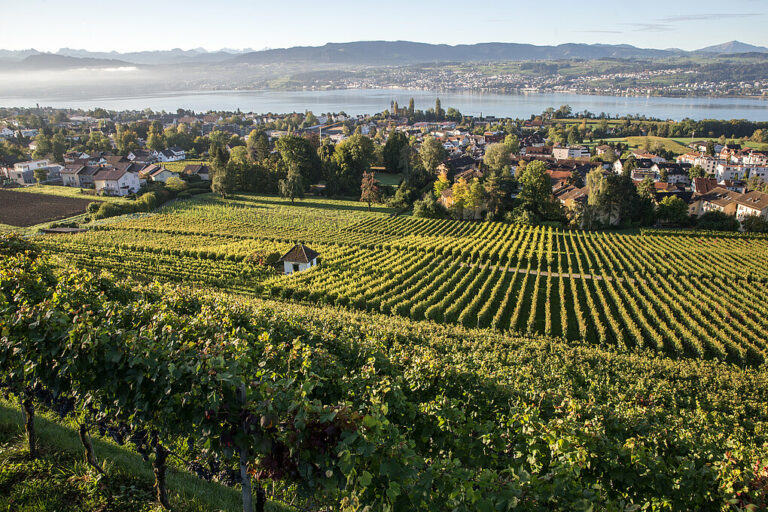
Räuschling isn’t just wonderfully umlauted, it’s also one of the most exciting autochthonous white wine varieties in German-speaking Switzerland. This became clear to me on a March afternoon in 2015. I had accepted an invitation from Mémoire des Vins Suisses to come to Zürich and take part in a Räuschling vertical tasting — featuring vintages that stretched back to 1935 — at Weingut Schwarzenbach in Meilen on Lake Zürich. Since then, I taste every Räuschling I can get my hands on. The lively acidity, fine citrus aromatics, and aging potential of this rare variety fascinate me over and over. Native…...
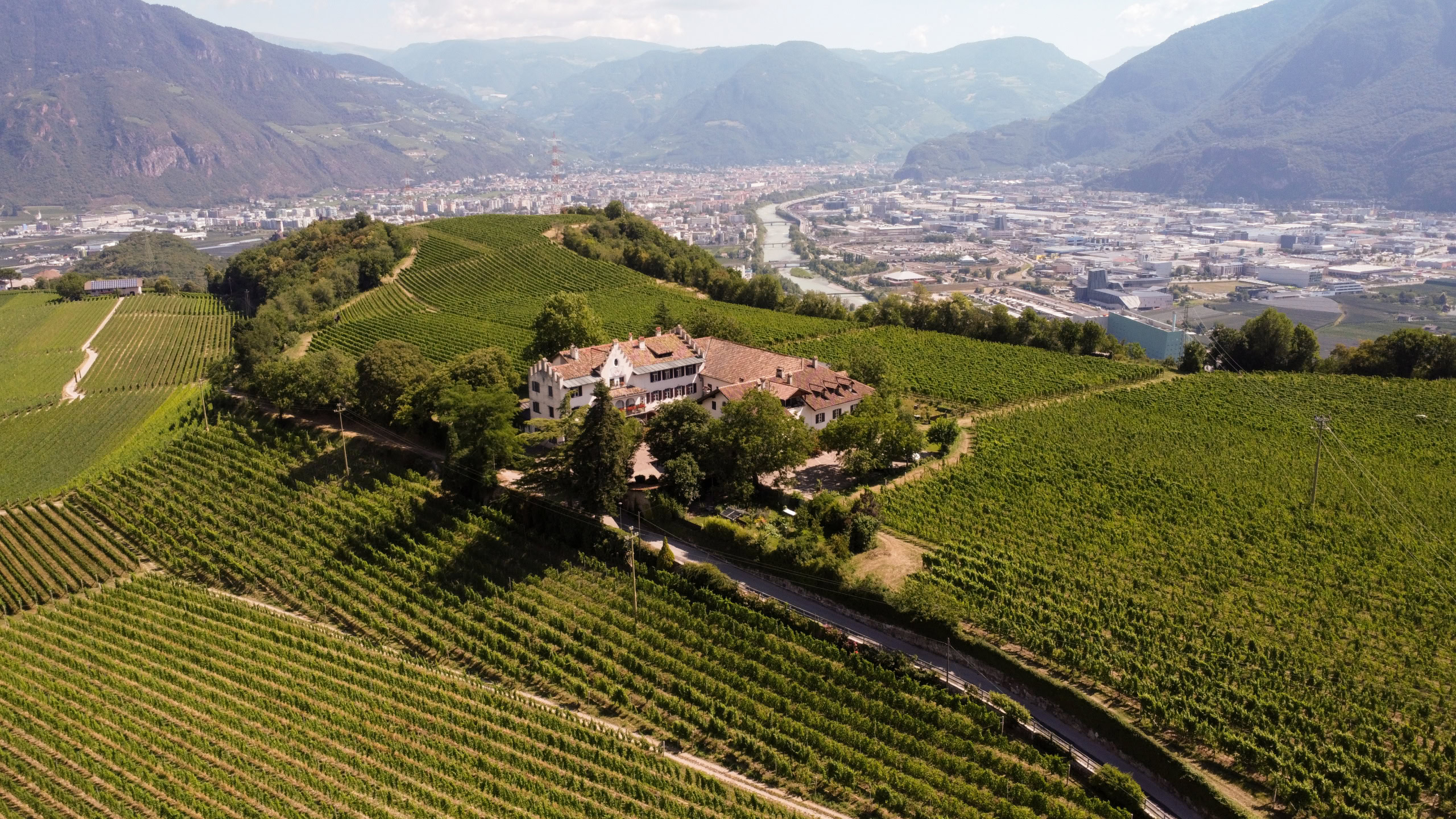
In the heart of Alto Adige-Südtirol, infinite green rows of vines crown the chestnut-brown roofs of Neustift Abbey. In this fairytale-like northern Italian valley, German and Italian coexist in mutual synchrony, a vivid reminder of a not-so-distant past when this was part of the Austrian Empire. The fortified ensemble houses a monastery, boarding school, museum, and winery within its Romanesque, Baroque, and Rococo walls. Wine has been made using grapes of the region here for the last nine centuries, all under the vigilance of Augustinian canons. Grüner Veltliner, Kerner, and Sylvaner reflect the terroir, proudly representing the abbey in local…...