A jack of all trades is inherently a master of none. While finding the right focus can help, that is often easier said than done. Sometimes a more drastic solution is needed. Intervention, anyone? Rheinhessen! I’m so glad you could make it today. Won’t you join us? Feel free to grab something to eat before you sit. There’s coffee, tea, and water. And a big box of tissues, in case we need those later. Wine? No, at least not like that. But I’m glad you raise the issue, because wine is actually what’s brought us together here. I know this won’t be…
Trink Magazine | Are PIWIs or grape hybrids our viticultural future as the climate crisis makes winegrowing more, not less, challenging? By Christoph Raffelt
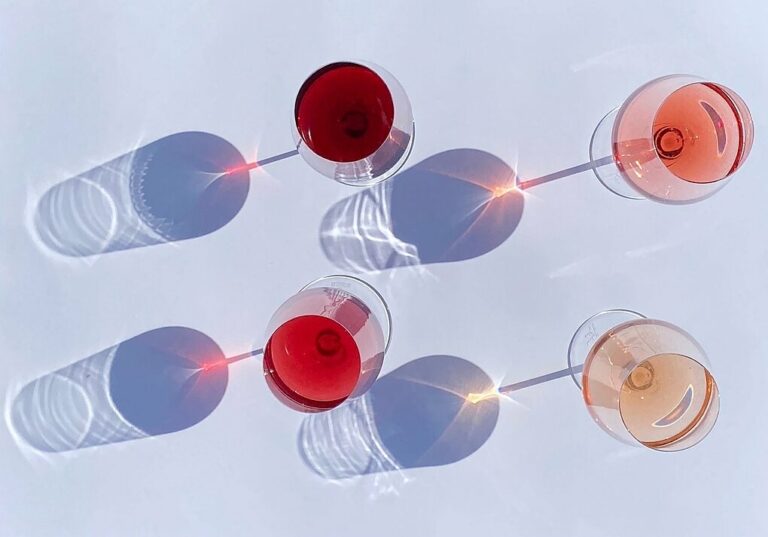
The sun blazes. The air shimmers. On the horizon four figures throw long shadows across the dry, crumbling ground. They are headed toward a city. Doors swing open. The four step from light into dark, their throats dusty and dry. Behind a deserted bar stands a man. He pushes four full glasses over to them. Out of the glasses sloshes a wine as red as the setting sun. If you aren’t thirsty by now, you should at least be hearing the melody of a harmonica. This is how the opening scene of a revival—the Rotling revival—could begin. The four men…...
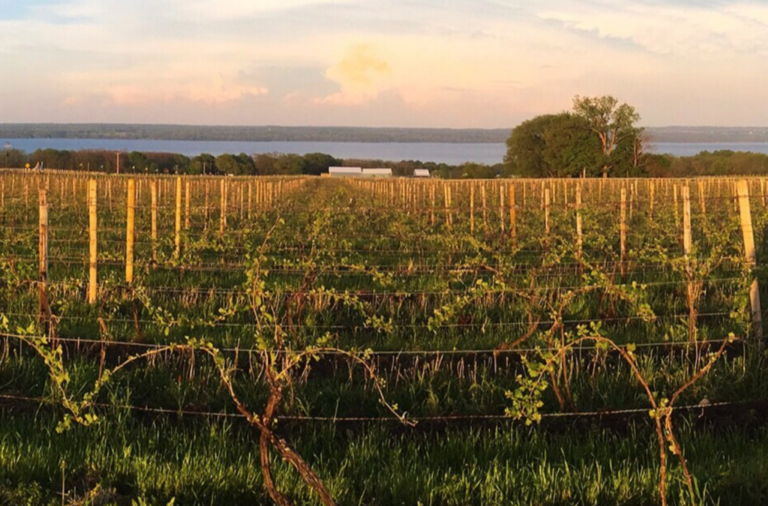
Slopes tilting toward shimmering water; a long, cool growing season; and shallow slate soil — to a connoisseur of German wines, these features immediately evoke the storied Mosel region. Yet they also describe a much younger wine-growing area: New York State’s Finger Lakes, or FLX. Long dismissed as a producer of tourist-friendly sweet wines made from non-vinifera grapes, the Finger Lakes now give life to vintages that express grape and terroir with nuance and sophistication. These include wines created by German-born winemakers, such as Johannes Reinhardt at Kemmeter Wines and Peter Weis at Weis Vineyards, as well as those who trained…...