Sekt embodies free spirit, hedonism, even — in its blatant disregard for rules — punk. The limitless maximization of lust for life and the unadulterated joy of the sensual assume the spotlight, while ethics and morals are asked to exit stage left. Whether it’s to christen a ship, toast a victory, or celebrate a birthday in the office (back when we did things like this), bubbles embrace the sparkling side of everyday life. A flash of glam on an otherwise wretched Tuesday afternoon. Sekt is bound to nothing and to no one, neither to food nor occasion. And that’s why…
Sebastian Bordthäuser’s original dream was to be a rockstar. But between solos and concerts, he developed a hunger and thirst for good food and wine — and the people and stories behind them. And so trading his guitar for books, he began studying German and English literature. He spent more than a decade working in gastronomy before setting out as a freelance sommelier, author, and journalist. His work appears regularly in many of Germany's top publications, including Effilee, Welt am Sonntag, Der Feinschmecker, and Meiningers Sommelier-Magazin. Wine, food, cooking and travel remain the heart of his matter.
Why does biodynamics matter? Respekt-BIODYN is the ongoing effort of 25 growers from German-speaking wine regions to answer that question. Though there are many forms of holistic farming that benefit people, planet, vines and wines, this tight-knit Austria-based group believes that a shared commitment to viewing the teachings of philosopher and agricultural reformer Rudolf Steiner as a springboard for exchange, cooperation, shared learning, and support helps cultivate a sense of individuality that, ultimately, translates into more profound terroir expression and higher quality in their wines. Biodynamic Origins “The first 12 winemakers started in 2005,” explains the group’s leader, Michael Goëss-Enzenberg…...
Gerhild Burkhard, founder of the International Sparkling Festival, reveals everything you've always wanted to know about sekt (*but were afraid to ask).
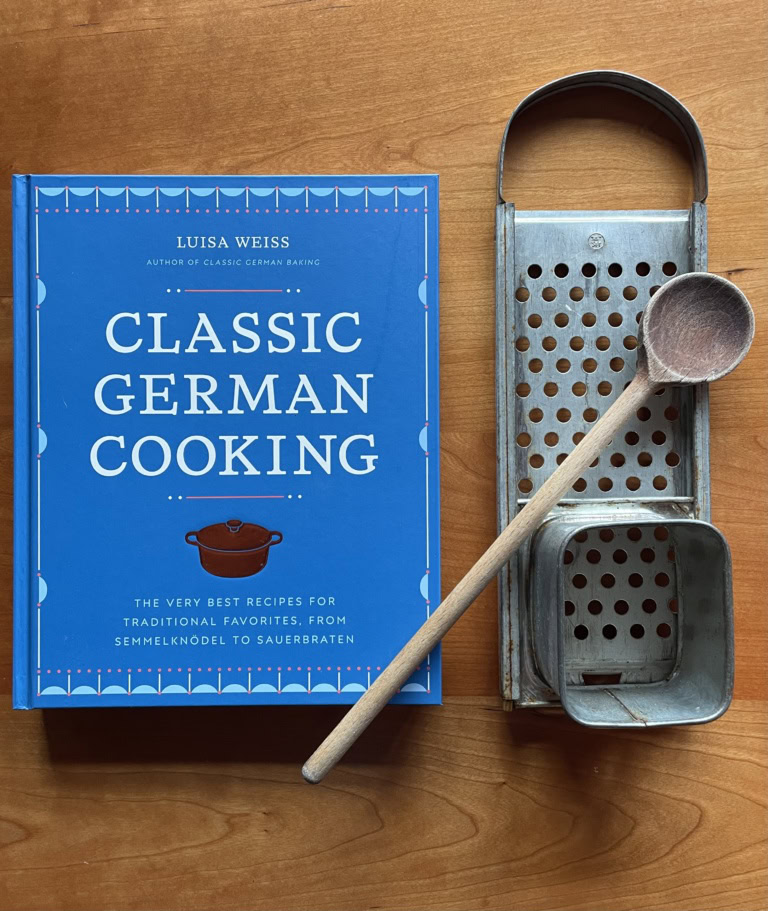
“Germans are particularly nostalgic about the food of their grandmothers,” writes Luisa Weiss, furnishing a sturdy thesis for her handsome, welcoming new cookbook. Weiss, whom you may — should — know, is a food writer. She was born, partly raised, and now lives full-time in Berlin. She blogged about food for more than a decade from New York as The Wednesday Chef, then moved to Germany. There she wrote her way deeper into the German culinary world: the food-driven memoir My Berlin Kitchen: A Love Story with Recipes (2012) and Classic German Baking (2016). She now writes a Substack organized…...
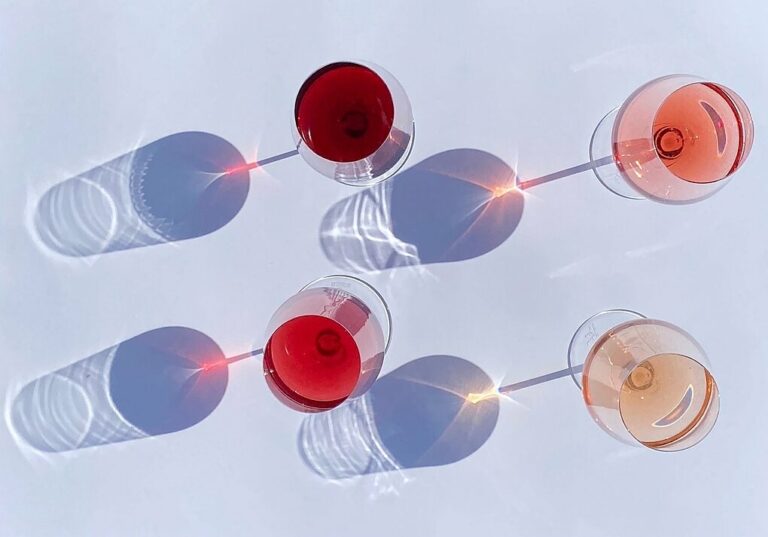
The sun blazes. The air shimmers. On the horizon four figures throw long shadows across the dry, crumbling ground. They are headed toward a city. Doors swing open. The four step from light into dark, their throats dusty and dry. Behind a deserted bar stands a man. He pushes four full glasses over to them. Out of the glasses sloshes a wine as red as the setting sun. If you aren’t thirsty by now, you should at least be hearing the melody of a harmonica. This is how the opening scene of a revival—the Rotling revival—could begin. The four men…...
for S.B. with love Die Rebe ist ein Sonnenkind. Sie liebt den Berg und haβt den Wind.So open your door already—for god’s sake, just let me in! Nothing to fear from wild slopes—a matter of terraces and grading.Sankt Aldegund, your roses—they labor on unforgiving slate. Vigor derives from parameters. The desert ends with water.Ritual is an amphora: it gives life room to breathe. The hag at the door is never a hag—she’s always a secret queen. Don’t you fear that ugly mug comes bringing revelation. The special red plum from the Mosel is imbued with healing power.If you go to the…...