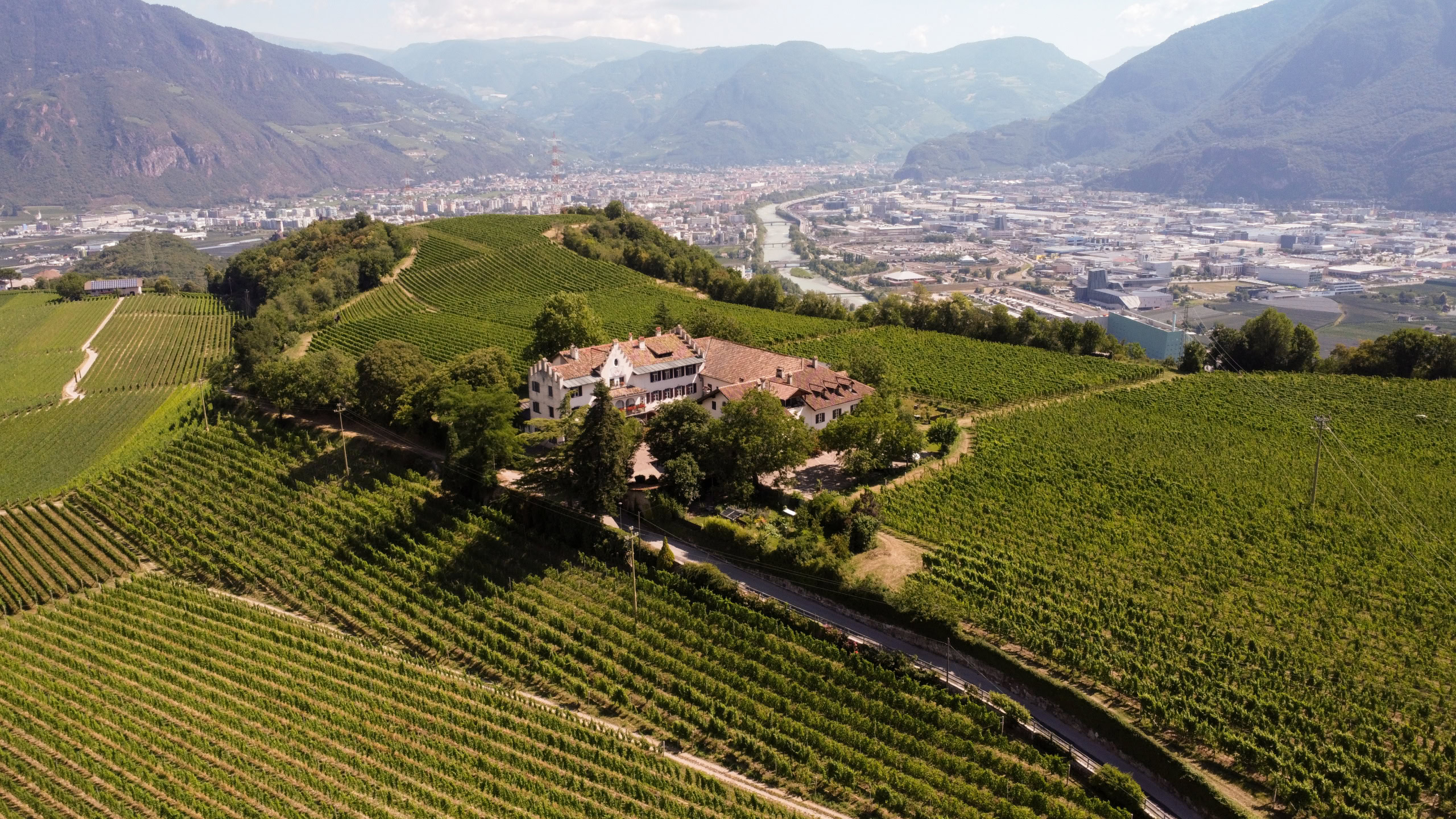
Not According to Plan: Sektgut Christmann & Kauffmann
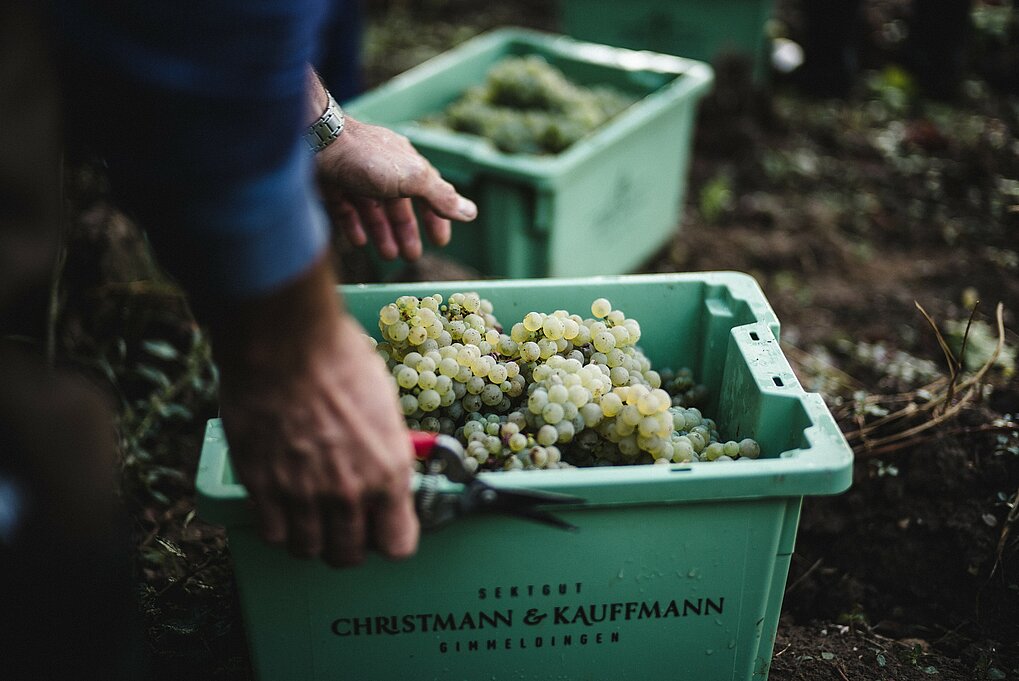
© Fabian Pellegrini
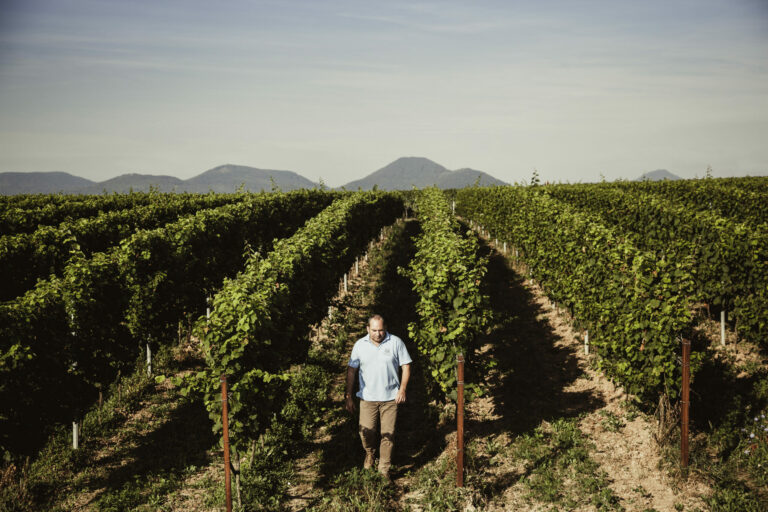
Champagne roots and Riesling blood: an interview with Pfalz’s newest sektgut Christmann & Kauffmann.

Champagne roots and Riesling blood: an interview with Pfalz’s newest sektgut Christmann & Kauffmann.

Writer, Editor, Publisher
Paula Redes Sidore moves smoothly between the worlds of wine and words. In 2012, she founded Weinstory, a creative content and translation agency dedicated to transposing the world of German-speaking wine into English. TRINK is the natural extension of that pursuit. She is the German and Austrian regional specialist for jancisrobinson.com and a member of the Circle of Wine Writers. Paula has a Masters degree in fiction writing, and her work has been featured in jr.com, Sevenfifty Daily, Feinschmecker, and Heated. She lives on the northern wall of wine growing with her family in Bonn, Germany.

I’ve been a fan of B sides since, well, pretty much since there have been B sides. Record companies have historically used vinyl’s flipside as a holding pen for unreleased or less desirable concept material. Pieces that don’t fit the brand; supplementary songs with minimal hopes and lower aspirations. Filler. Yet, to me B sides embody the edgy and unpredictable, the vulnerable creative underbelly of both artist and medium. Let’s call rosé, the pink “wunder” of the last decade, our A side. Industry figures show that rosé now constitutes some 9% of the global wine market. Thirty-nine percent of wine drinkers in…...
The Jewish State was proclaimed in 1948; the Federal Republic of Germany founded a year later. There was a pregnant pause when many wondered if West Germany would acknowledge the past. In 1951, Chancellor Konrad Adenauer acknowledged Germany’s “unspeakable crimes toward Jewish people.” The spell of silence was broken, and Israeli Prime Minister David Ben-Gurion and Adenauer began the long, painful, still unfinished journey toward healing. In the decades since, the people of Germany and Israel have followed their lead, with financial and cultural exchanges that each serve as a profound demonstration of human transcendence. It’s clear we have much…...
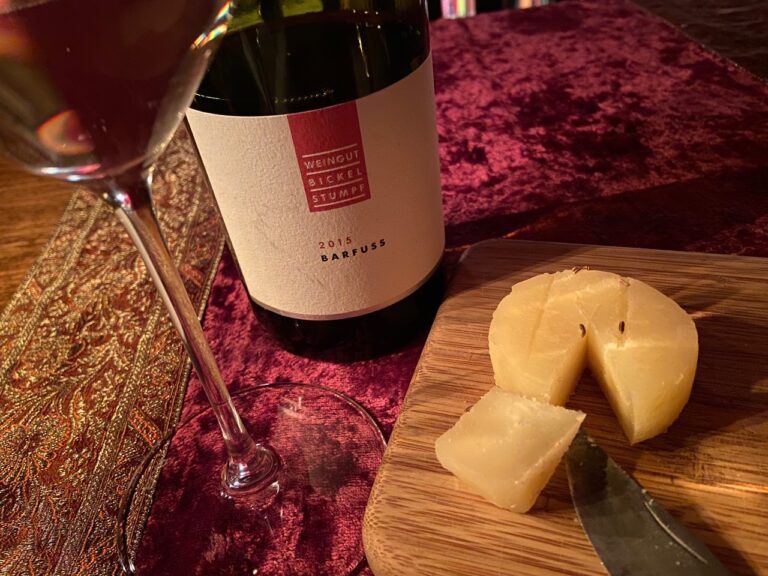
Can you hear the music? Forget onions and vinegar: this Franken co-ferment hits harmonies as only Handkäse can do.

At a time when some Mosel producers are shedding vineyards like snakeskins, Ernst “Erni” Loosen, who already has 90 hectares at his disposal, is trying on a new one. A few years ago, a cousin of Loosen’s called to say he was selling a parcel. Lammertslay, a steep, mid-slope, two-and-a-half-hectare plot within the Wehlener Sonnenuhr, is hallowed ground for Riesling. The vines were largely wurzelecht (ungrafted), planted around 1895 in pure blue slate soil on a south-facing slope. Loosen was sold. The parcel had belonged to his great-grandfather, Dr. Zacharias Bergweiler-Prüm. Loosen saw it as a rare chance to honor…...
Zeter assesses the natural bounty of his home, the Pfalz, with the eye of a chef. The soils are his mise en place — the basis of his work — the grape varieties are the ingredients he brings to the table and the bottle. His favorite ingredient — Sauvignon Blanc — has become his trademark. This love came early: in South Africa, 1992, at the Buitenverwachting winery in Cape Town. Now, he is celebrating 15 years as a Sauvignon Blanc iconoclast himself. A recent vertical tasting spanning his first vintage in 2007 to the current release, 2021, made clear the value of following palate…...

As I peer out the window of a train from Hamburg, I understand why Sylt, sometimes referred to as “the Hamptons of Germany,” is such a popular destination for German vacationers. I can feel the tension of travel slipping away with the mainland as the tracks cross the shallow waters of the Wadden Sea and approach the sweeping, sandy landscape of this North Frisian island. Nils Lackner, a charismatic sommelier, tour guide, and regional expert based here, picks me up at the station, wondering how Sylt ended up on my radar since so few Americans are aware of it. I…...
© 2026, TRINK Magazine. No portion of this article may be copied, shared or re-distributed without prior consent from TRINK.