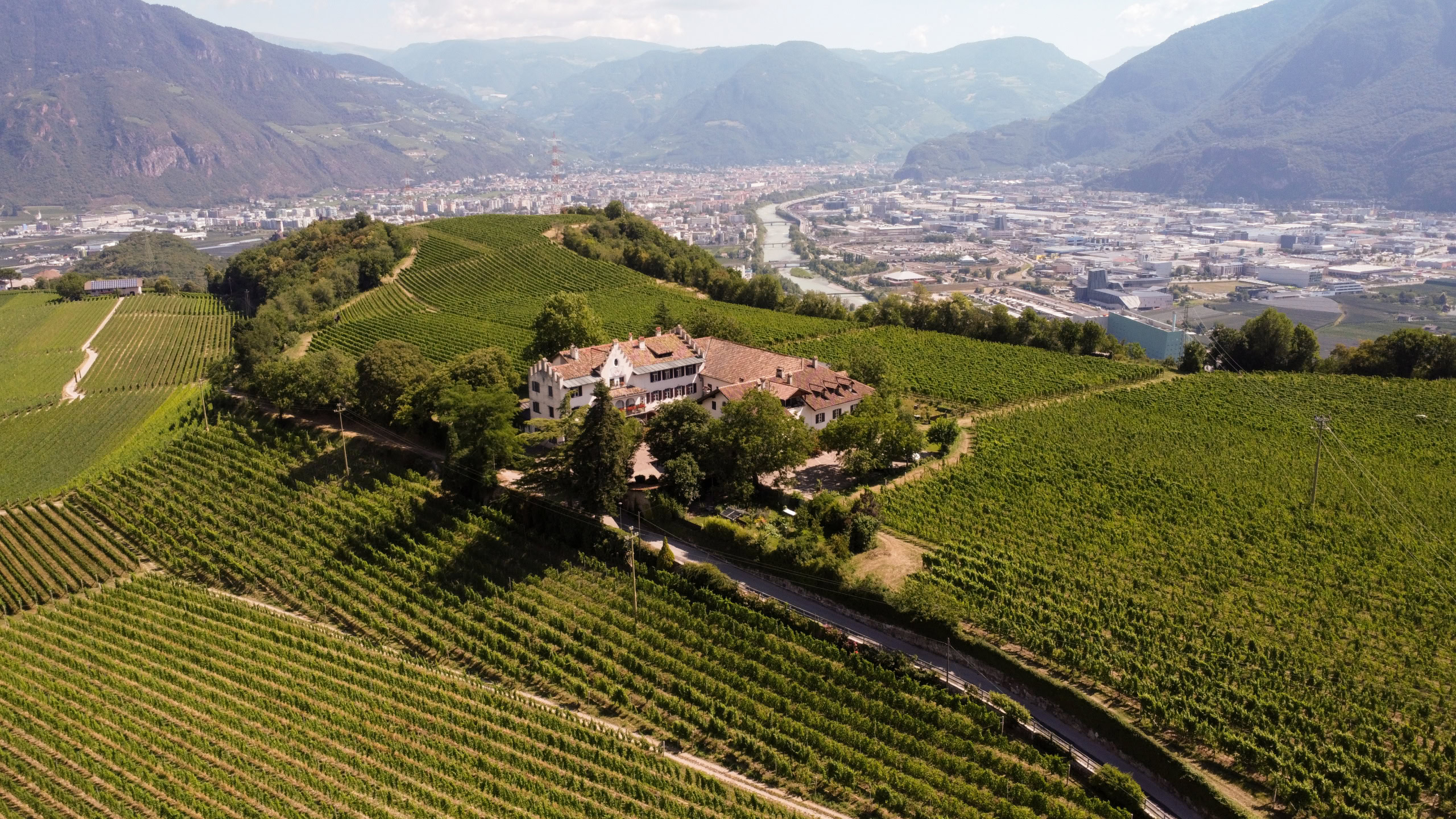
Müller-Thurgau: A Shoulder for Germany to Cry On
Shutterstock
Müller-Thurgau was a blessing and a curse for 20th-century Germany. Emily Campeau asks whether new respect from growers can make a contender in the 21st.

Müller-Thurgau was a blessing and a curse for 20th-century Germany. Emily Campeau asks whether new respect from growers can make a contender in the 21st.

Emily Campeau is the Wine Director of Restaurant Candide in Montreal, Canada but works remotely from her home in Europe (yes, that’s feasible), where she is also one half of the micro-estate Wein Goutte. Her work has been published in various magazines and web platforms in English and French. In 2018 she was the winner of the Jancis Robinson "Seminal Wine" writing competition.
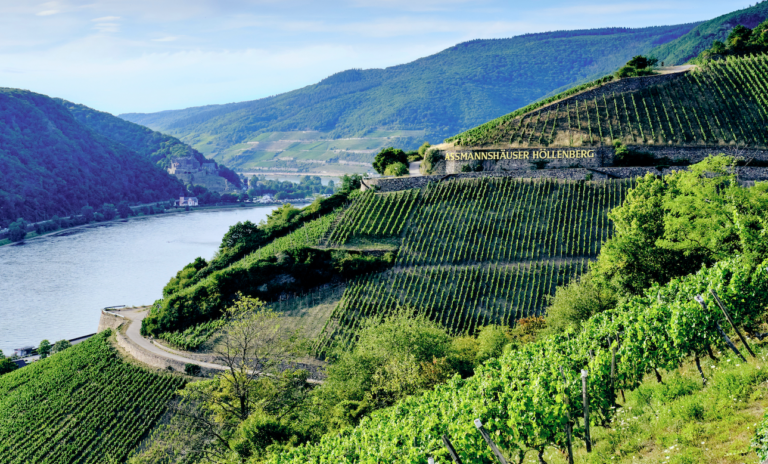
The Rheingau. A small, splendidly historic region of aristocratic estates and superb terroir awaiting an energizing charge. The steady ship in Germany’s often storm-tossed seas, navigating a course of admirable quality through the centuries. Its large estates set global benchmarks; its noble mien, iconic landscapes, and heralded vineyards have always set it apart. In recent times, however, the Rheingau’s identity has become somewhat obscured by the dominance of large, in some cases impersonal estates and global warming has diminished its long-held prominence as one of the few German wine regions capable of achieving consistent ripeness. If it is often described as “underachieving,” the word does hint at…...
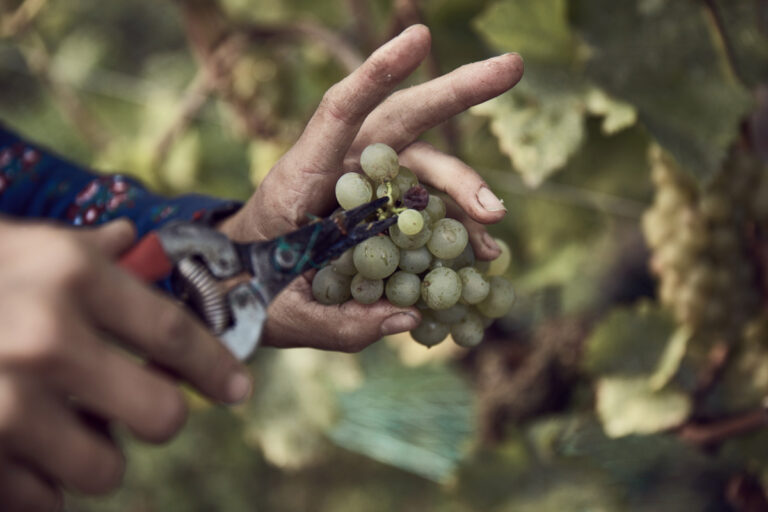
Silvaner. It’s complicated. Ask about its nature or character, and like as not you’ll get one answer: asparagus. With delicate vegetal aromas and moderate acidity, Silvaner is indeed a near perfect pairing for the fabled stalk that emerges from the earth to fill German grocery stores and market stalls annually between April and June. Yet, stop for a minute and imagine: what if there were more? Silvaner is viewed as a national counterpoint to Burgundian Chardonnay or Saumur Chenin Blanc. For many years Silvaner was Germany’s most important grape variety, less inclined toward fruity fun and more toward structure, texture, spice, and earth. De facto it…...
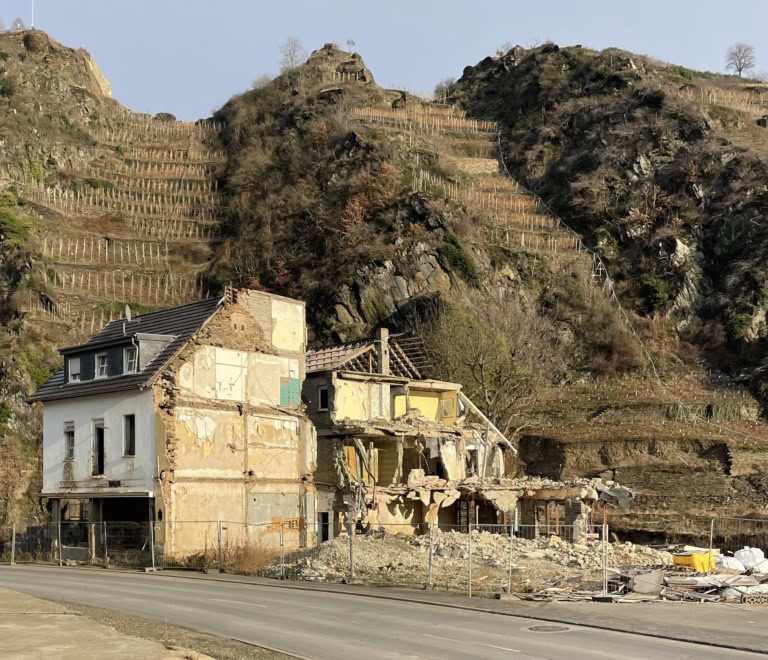
From last Wednesday night into Thursday morning, 148 liters/square meter of rain fell on the Ahr. In a normal July, the region gets about 80 liters/square meter — in the entire month. This immense volume of precipitation in such a short span dilated creeks into torrents. Torrents rose and swiftly emptied into the Ahr itself, which morphed into an implacable, surging mass of water. As we’ve now all seen on the news, the river ripped through the villages that line its banks — Ahrweiler, Dernau, Mayschoss will be names familiar to German wine lovers — shocking everyone from the authorities charged…...
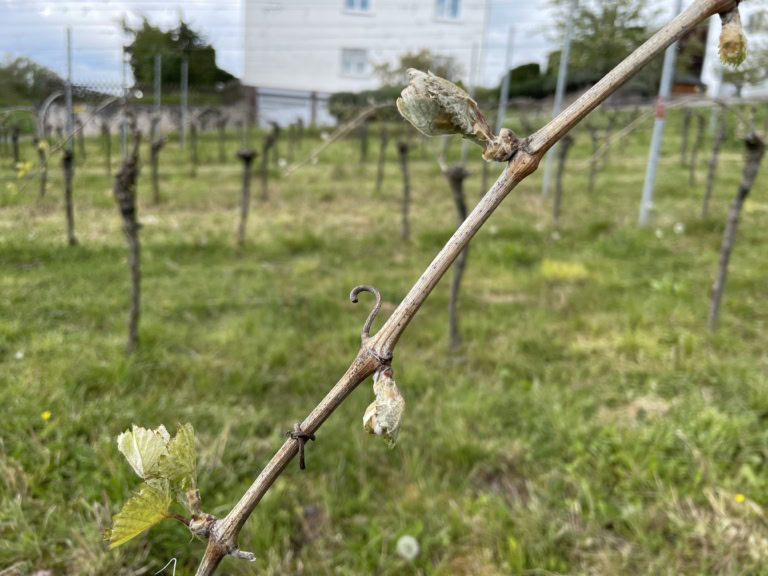
Berries without borders for some member estates in 2024?
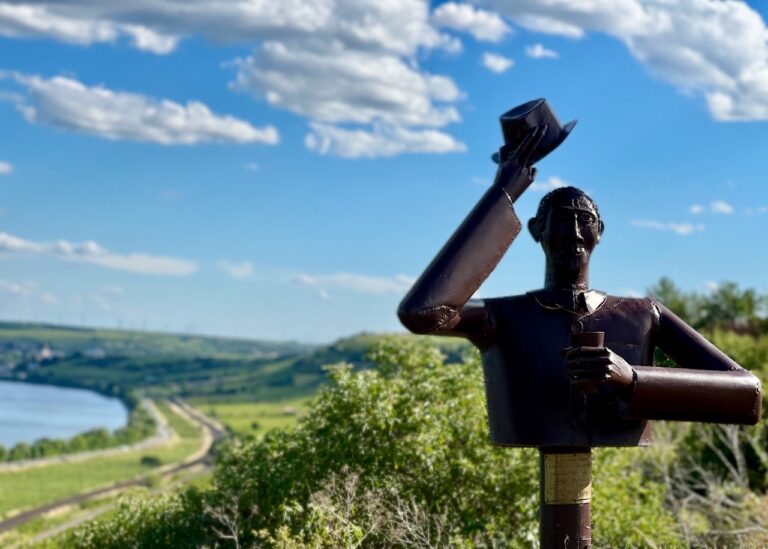
A jack of all trades is inherently a master of none. While finding the right focus can help, that is often easier said than done. Sometimes a more drastic solution is needed. Intervention, anyone? Rheinhessen! I’m so glad you could make it today. Won’t you join us? Feel free to grab something to eat before you sit. There’s coffee, tea, and water. And a big box of tissues, in case we need those later. Wine? No, at least not like that. But I’m glad you raise the issue, because wine is actually what’s brought us together here. I know this won’t be…...
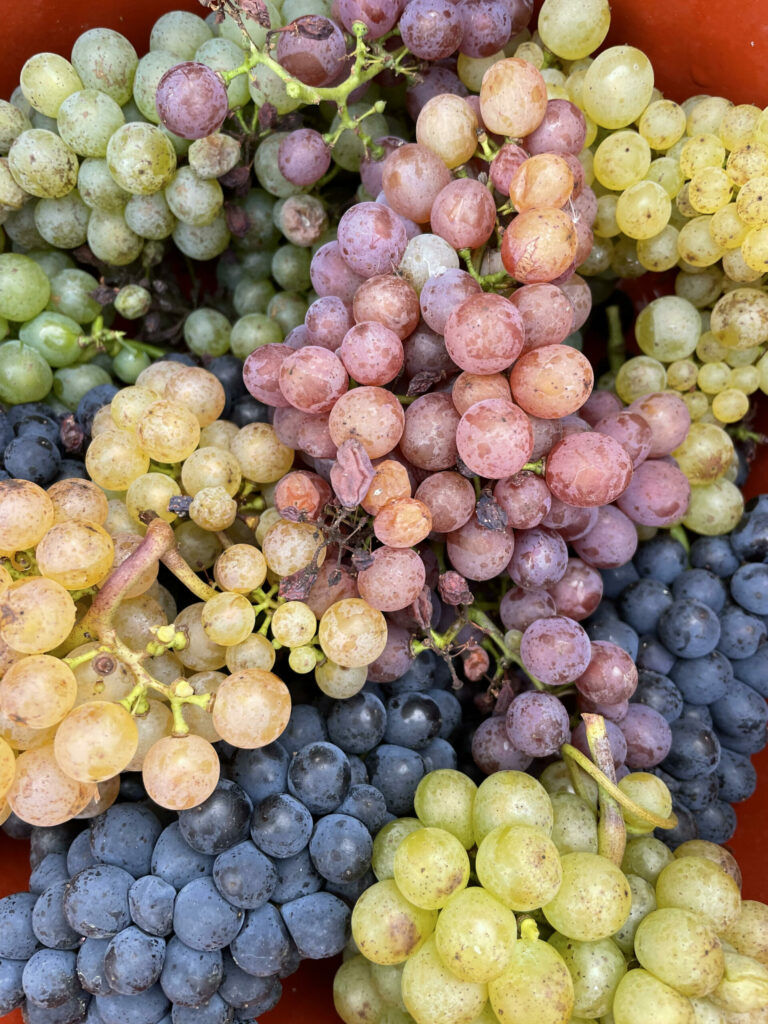
The year is 1806. The date June 17th. Privy Councilor Goethe sits in Frankfurt — high and dry. He reaches for his quill and writes a letter to a friend: “Send me some Würzburger wine, for no other wine satisfies, and I am morose without my accustomed favorite drink.” While the line may not be poetic, the composition Johann Wolfgang von Goethe thirsted for is. The wine in question was, quite possibly, “Frentsch” (local dialect for Altfränkischer Satz or Old Franconian Mixed Set): a field blend of some 20 grape varieties, all planted, harvested, and fermented together. What once gave growers a bit of…...
© 2026, TRINK Magazine. No portion of this article may be copied, shared or re-distributed without prior consent from TRINK.