

Volume 01 – Identity & Intersection

October 2020

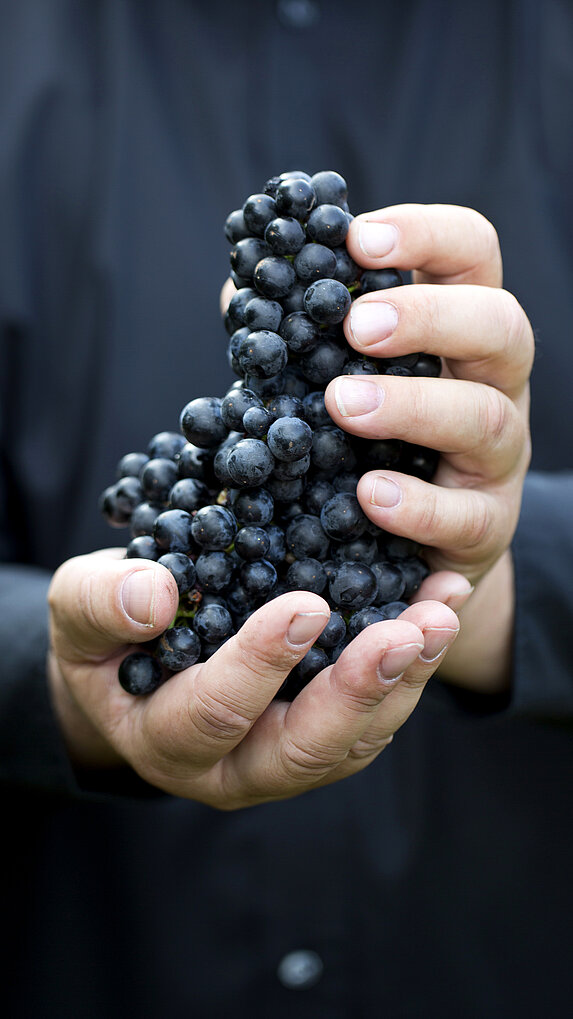
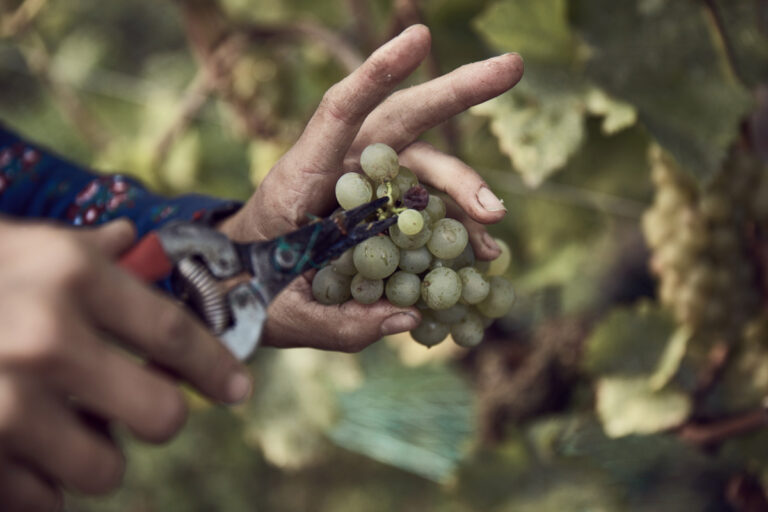
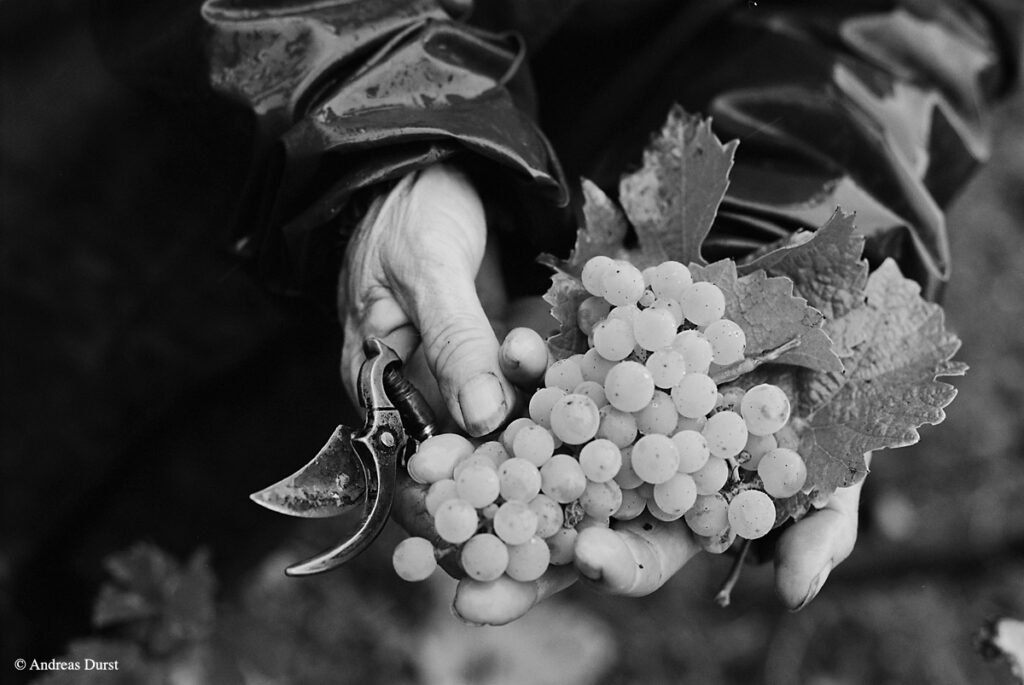
Black and white photo of two hands holding a cluster of white grapes and pruning shears

Lieben Dank!

TRINK is not a solo, it’s not a duet, it’s an entire damn orchestra of talents who came together to bring this magazine to life.

Good content can only exist with good people to create it. The generosity of many writers, artists, and designers has gotten us this far. Please show our extraordinary contributors that you value their work by visiting our Registration page and consider making a pledge. All pledges go to paying TRINK’s freelancers (and yes, editors) a fair wage for their work.

Contributors

Sebastian Bordthäuser | Köln, Germany

Emily Campeau | Somewhere in Europe

Andreas Durst | Bockenheim an der Weinstraße, Germany

Robert Dentice | New York, US

Daniela Dejnega | Vienna, Austria

Carrie Dykes | New York, US

Jérôme Hainz | Mainz, Germany

Anne Krebiehl MW | London, UK

Medienagenten | Bad Dürkeheim, Germany

Christoph Raffelt | Hamburg, Germany

Michael Pabich | Virginia, US

Bart de Vries | London, UK

Kathleen Willcox | New York, US

  • Foehn — The Alpine Wind

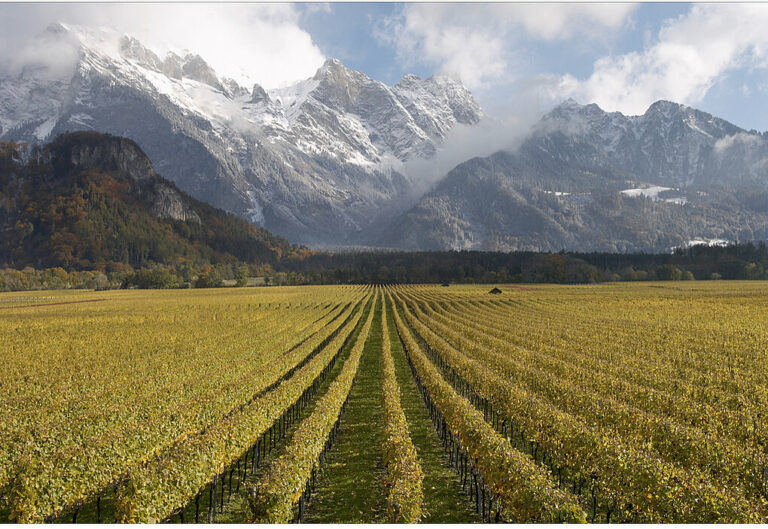
    “The Foehn wind is a real affineur of grapes . . .” from the diary of Weingut Bründlmayer Evidence from wine regions everywhere suggests that if cool climate viticulture is to survive, then it must move north — or, in Switzerland’s case, up. Warming temperatures in formerly marginal regions such as Burgundy and Piedmont now require changes in viticulture and/or additions to the permitted roster of grapes just to keep up. Even with successful change, however, the freshness, delicacy, and intricate architecture we love in Pinot Noir and Nebbiolo may be harder to come by. By contrast, Switzerland and parts…...

    Membership Required

    You must be a member to access this content.

    View Membership Levels

    Already a member? Log in here
  • Non-vintage Is Timeless 

    ​ Was everything really better in the past? Well, people were at least more patient. Vaccines were developed over the course of years. Under Communism in eastern Germany it could take up to a decade to get a car. OK, bad examples. But even food and drink were given more time. Today, fermentation and preservation are back on the front burner in kitchens — and in cellars, too.  Vintners typically work within the natural rhythms of the year, giving their wines time in cask or tank until just before the next harvest. But some are stepping deeper into the past…...

    Membership Required

    You must be a member to access this content.

    View Membership Levels

    Already a member? Log in here
  • WeinGoutte: A Suitcase Winery Unpacks on New Ground 

    ​ Home is where the vines grow. We’ve all heard variations on that theme. But just how far can that idea be taken? WeinGoutte offers one answer. This portable micro-estate — whose first vintage sold out in a blink — is the brainchild of husband-and-wife team Christoph Müller and Emily Campeau. The concept goes beyond negociant but stops well short of flying winemaker.  It also presents an entirely new model for a footloose generation’s interpretation of the relationship between vintner and site. Campeau, a fierce lover of food and wine (and a vivid writer on both), is originally from Québec. Her experiences in…...

    Membership Required

    You must be a member to access this content.

    View Membership Levels

    Already a member? Log in here
  • Once and Future St. Laurent

    ​St. Lawrence, the man, was born in Valencia, Spain, sometime around 225 CE. He moved to Rome to work with Pope Sixtus II, became a deacon, and earned a reputation as a champion of the poor. On August 10, 258, Roman Emperor Valerian sentenced him to die by being lashed to a bed of hot coals. But so great was his devotion to god, the legend goes, that he resisted the flames, demanding that his tormentors flip him like a steak. A martyr was made. St. Laurent, the grape, is thought to have originated in what is now eastern Austria…...

    Membership Required

    You must be a member to access this content.

    View Membership Levels

    Already a member? Log in here
  • ·

    Three Ways to Pine for Zirbenschnaps

    ​The scent of pine trees is a time machine, a brusque mix of barbed, balsamic beauty. I have a million pine memories. One good whiff and I’m transported home, sap streaking the inside of my scraped arms as I scale the tall white pine in our neighbor’s backyard, lunchbox dangling from the rear belt loop of my short pants. Lost in a cross-hatching of aromatic needles. I’m in the warming house of the town rink, my toes aching with cold. Silhouetted skaters float and spin on the bumpy ice outside. A pine fire acrid with resin heaves black smoke up…...

    Membership Required

    You must be a member to access this content.

    View Membership Levels

    Already a member? Log in here
  • · ·

    Balance with a Bit of an Accent

    “Free your mind and the rest will follow.”  Coming from one of the co-owners of Germany’s oldest wine trading houses, one might suspect a quote from Goethe, Schiller, or Nietzsche. It’s actually the American R&B/pop group, En Vogue. And that makes for a jarring, if fitting, introduction to my conversation with these stewards of tradition in German wine that look back to 1786 in Worms as easily as they look ahead to 2019 Organic Madonna. P.J. Valckenberg has the history and the pedigree, no question. Its customers have included the Swedish royal family and Charles Dickens. In addition to a truly impressive portfolio…...

    Membership Required

    You must be a member to access this content.

    View Membership Levels

    Already a member? Log in here
  • · ·

    German Wine’s Radical Love Machine

    Known to his 18,000-plus Instagram followers as @soilpimp, Robert Dentice is a German wine collector and vinyl fanatic, founder of the Riesling Study event series, and a driving force behind a brand new project called sourcematerialwine that is set to spread his evangelical zeal for German wine to the wide world. Short of spending an evening at one of his legendary Riesling-, Silvaner-, or Weissburgunder-fuelled music events — and he’d sincerely love nothing more than to have you there — the next best way to get a sense of the radiant positivity he brings to German wine is to cue…...

    Membership Required

    You must be a member to access this content.

    View Membership Levels

    Already a member? Log in here
  • ·

    Landwein: Flouting Rules to Follow Instinct

    Germany seems to require an official examination for everything. Qualitätsweine (“quality wines”) are no exception. Those that fail the test are slapped with the Landwein label. In April 2015, a group of top growers from Baden, deep in Germany’s southwest, joined forces to rebel against the official inspection system. Flouting what officials would think of as a demotion, they decided to wear Landwein as a badge of honor. Baden has long been seen as the kinder, more conventional Germany. Thus Landwein is a direct challenge to that sensibility, one that takes on more significance because it seemed the unlikeliest of places for revolt.  It happened the way so many…...

    Membership Required

    You must be a member to access this content.

    View Membership Levels

    Already a member? Log in here
  • · ·

    Germany’s Blanc de Noir: In Praise of B Sides

    I’ve been a fan of B sides since, well, pretty much since there have been B sides. Record companies have historically used vinyl’s flipside as a holding pen for unreleased or less desirable concept material. Pieces that don’t fit the brand; supplementary songs with minimal hopes and lower aspirations. Filler. Yet, to me B sides embody the edgy and unpredictable, the vulnerable creative underbelly of both artist and medium.  Let’s call rosé, the pink “wunder” of the last decade, our A side.  Industry figures show that rosé now constitutes some 9% of the global wine market. Thirty-nine percent of wine drinkers in…...

    Membership Required

    You must be a member to access this content.

    View Membership Levels

    Already a member? Log in here
  • ·

    Gantenbein and the Secrets of Switzerland’s Cult Wine

    For most of us, it would be easier to climb the Matterhorn in flip-flops than to lay hands on a bottle of wine made by Daniel and Martha Gantenbein. The couple painstakingly grow and make minute quantities of Pinot Noir, Chardonnay, and Riesling on 6 hectares of high Alpine valley in German-speaking Switzerland. Before the wines have even been bottled, each and every one is already sold to long-time customers. How has this modest couple, working in unheralded terrain, become the emblem of Swiss wines par excellence?  After nearly 40 vintages, Daniel and Martha have fine-tuned every element within their control — from…...

    Membership Required

    You must be a member to access this content.

    View Membership Levels

    Already a member? Log in here
  • German Wines’ Compass Swings North

    For decades, America was indeed the promised land: A vast nation of eager consumers with a low bar for entry. German winemakers were among the throng of sellers vying to win a sliver of Americans’ massive spending power. But times — along with politics and tariffs — have changed. Now, German winemakers are finding that their most loyal and free-spending audience may actually be up north. How Did We Get Here? The public’s perception of German wine is capricious; more so, arguably, than that of any other wine-producing nation. After rising to prominence over the 19th century, German wine suffered…...

    Membership Required

    You must be a member to access this content.

    View Membership Levels

    Already a member? Log in here
  • · ·

    Sammie Steinmetz: A Voice for Change in the Mosel

    Sammie Steinmetz is one half of Weingut Günther Steinmetz, a mid-sized, family-run winery in Brauneberg on the Mosel. Born in Pensacola, Florida, Sammie came to Germany in 2007 as an enlisted member of the U.S. Air Force, stationed at Spangdahlem Air Base not far from the winery. She’d already planned on settling in the country when her term of service ended (“because Riesling,” she laughs). But a chance invitation to a wine-tasting introduced her to fifth-generation winemaker Stefan Steinmetz. Two weeks after meeting, they were dating and they married a few years later.  In 2014, Sammie took early retirement from the…...

    Membership Required

    You must be a member to access this content.

    View Membership Levels

    Already a member? Log in here
  • ·

    TRINK This! Gewürztraminer

    The view from the Gasthaus patio across the South Tyrolean valley is framed by lush vegetation and floral splendor. Three weeks ahead of schedule, nature has already reached peak blossom and seems literally bursting with fertility. Wherever you look, all that can grow, does. Bees buzz, butterflies flutter, and the inn is teeming long before even the first wave of spring tourists. The regional charcuterie board arrives with a bottle of Gewürztraminer, amplifying the unrelenting sensory euphoria of flowers, landscape, sunshine, and speck. Skeptics are the ones missing out because Gewürztraminer over the Alps has never been better. Back in Germany, where Gewürztraminer’s reputation…...

    Membership Required

    You must be a member to access this content.

    View Membership Levels

    Already a member? Log in here
  • · · ·

    Silvaner’s Moment is Now

    Silvaner. It’s complicated. Ask about its nature or character, and like as not you’ll get one answer: asparagus. With delicate vegetal aromas and moderate acidity, Silvaner is indeed a near perfect pairing for the fabled stalk that emerges from the earth to fill German grocery stores and market stalls annually between April and June. Yet, stop for a minute and imagine: what if there were more? Silvaner is viewed as a national counterpoint to Burgundian Chardonnay or Saumur Chenin Blanc. For many years Silvaner was Germany’s most important grape variety, less inclined toward fruity fun and more toward structure, texture, spice, and earth. De facto it…...

    Membership Required

    You must be a member to access this content.

    View Membership Levels

    Already a member? Log in here
  • 3 Can’t-Miss Austrian Natural Wines

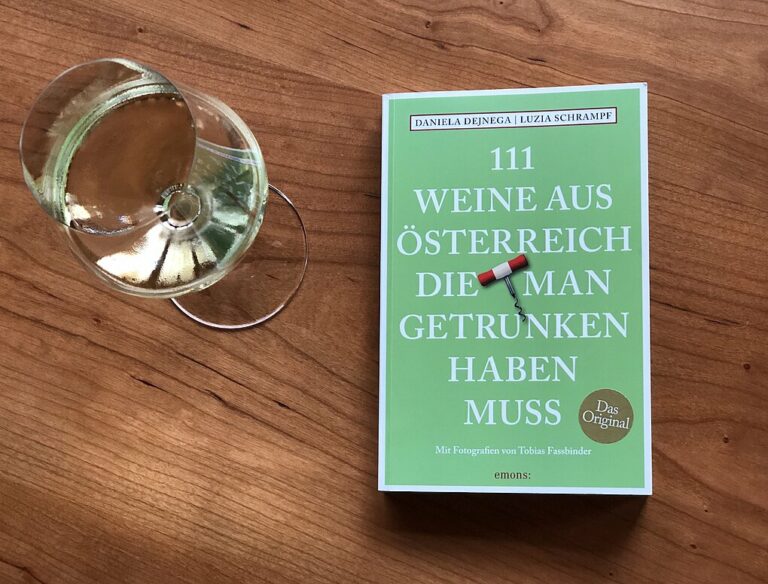
    111 Austrian Wines You Must Not Miss showcases the diversity and range of Austria’s wine landscape — beyond the ubiquitous fresh and fruity Grüner Veltliner. In it, wine journalist Luzia Schrampf and I tell 111 short, engaging stories, packed with wine knowledge and insight into what goes into growing and making a wine, as well as the many and varied ideas and philosophies of Austria’s vintners. An extraordinary number – nearly 80 per cent – of those featured in this book farm organically and more than a few produce natural wines. Here are three wines – white, orange, and red, from…...

    Membership Required

    You must be a member to access this content.

    View Membership Levels

    Already a member? Log in here