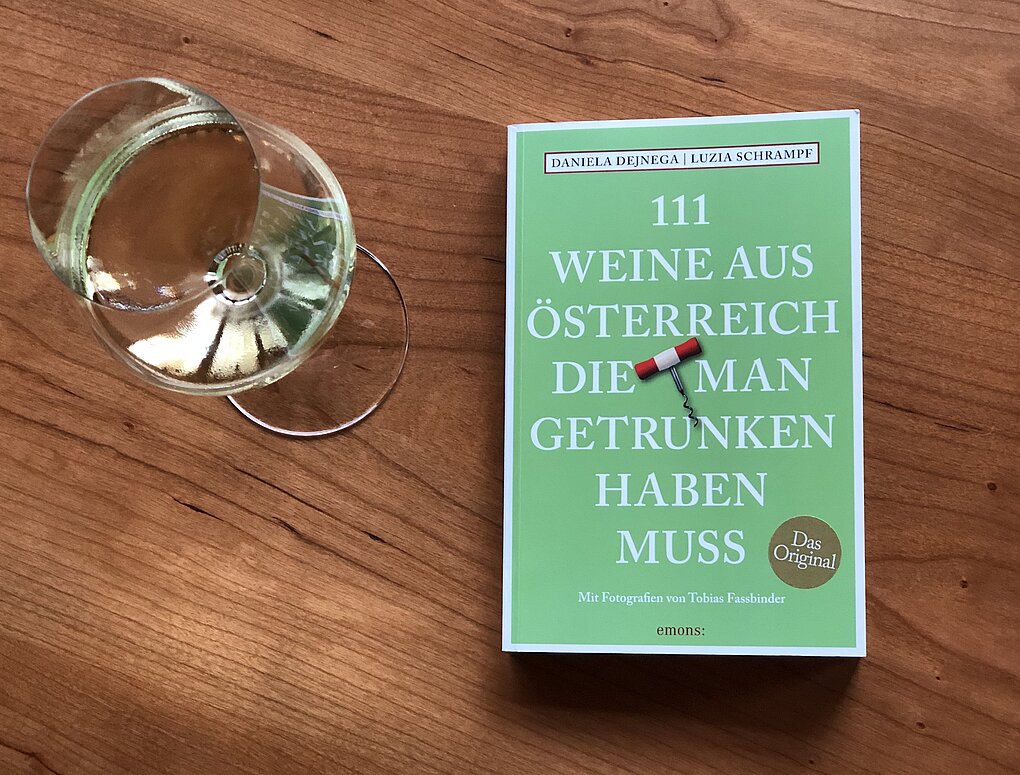
111 Austrian Wines You Must Not Miss showcases the diversity and range of Austria’s wine landscape — beyond the ubiquitous fresh and fruity Grüner Veltliner. In it, wine journalist Luzia Schrampf and I tell 111 short, engaging stories, packed with wine knowledge and insight into what goes into growing and making a wine, as well as the many and varied ideas and philosophies of Austria’s vintners. An extraordinary number – nearly 80 per cent – of those featured in this book farm organically and more than a few produce natural wines. Here are three wines – white, orange, and red, from…
Daniela Dejnega studied landscape design and discovered her love of wine while writing her thesis on "Erosion prevention in viticulture." Afterwards, she trained at the Weinakademie in Rust, Austria. She now lives in Vienna where she works as an editor at a viticultural trade magazine, writes regularly for Austrian wine publications, and is a frequent judge and taster at wine competitions.
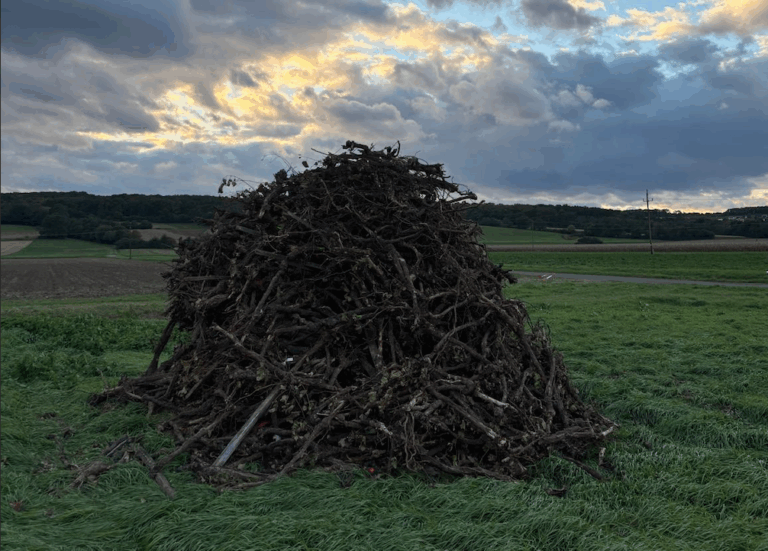
In slanting early morning light, a shadow crosses a vineyard. The figure moves row by row, ripping out vines and casting them onto a large, burning pyre. The blaze stretches to greet the sun as it rises above a mountainous horizon. There is fire from all points of the compass. Death is in the air. The culprit is a phytoplasm fatal to Vinifera vines. Its spread is aided by the American grapevine leafhopper (Scaphoideus titanus), a dwarf cicada native to North America. As it feasts on the vines, it transmits the pathogen of what is known in German as Goldgelbe…...
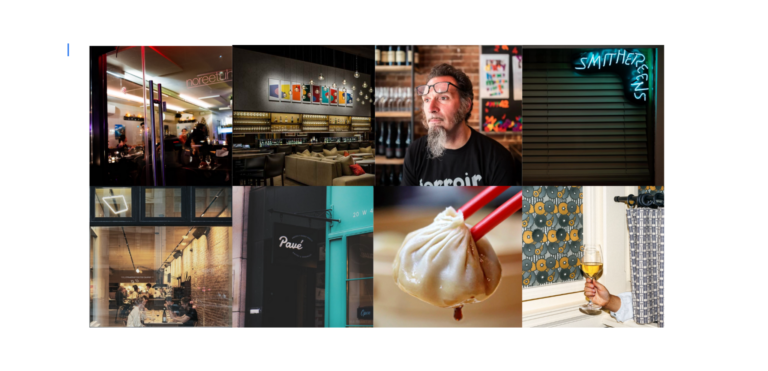
Whether you’re dropping into town for the bacchanalia that is Rieslingfeier or you’re a native New Yorker curious to get a taste of the latest and greatest in German and Austrian wines, here’s your hit list of bars and restaurants that make NYC the country’s best (if priciest) city to drink auf Deutsch. Updated November 2025 to remove Koloman, which has closed. G = German focus A = Austrian focus Noreetuh (G) Manager and co-owner Jin Ahn has turned this decade-old Lower East Side Hawaiian spot into the city’s ultimate insider Riesling hangout. Ahn’s exceptionally well-informed list is divided into Rieslings…...
In Vulkanland Steiermark — “volcanic Styria” — the name says it all. Some 1,500 hectares of vineyard are, for the most part, sited on the slopes of extinguished volcanic cones that rise from a gently hilly landscape. Here Pannonian warmth from the east meets the Illyric balminess of the Adriatic. Among the best-known growers in Vulkanland are Weingut Neumeister, Winkler-Hermaden, and Ploder-Rosenberg. As throughout Styria, white varieties are most strongly represented, with Welschriesling and Weißburgunder (aka Pinot Blanc) statistically far in the lead, followed by Sauvignon Blanc, Müller-Thurgau, and Chardonnay; Zweigelt yields respectable red wines here as well. Traminer from…...
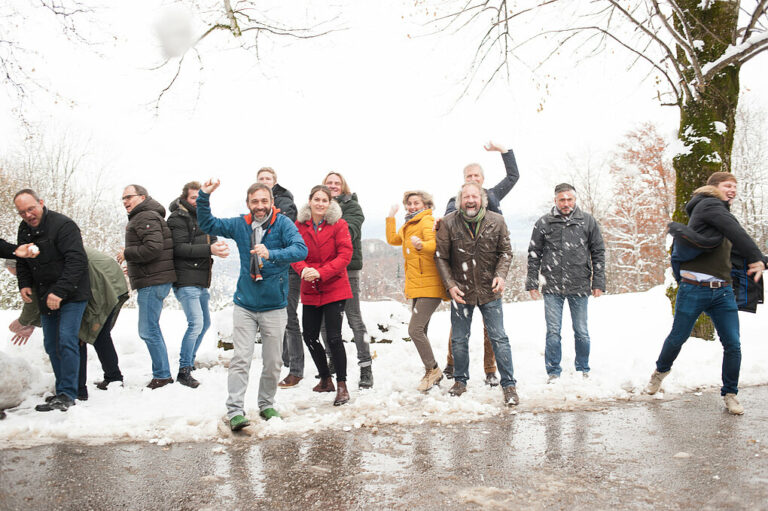
Why does biodynamics matter? Respekt-BIODYN is the ongoing effort of 25 growers from German-speaking wine regions to answer that question. Though there are many forms of holistic farming that benefit people, planet, vines and wines, this tight-knit Austria-based group believes that a shared commitment to viewing the teachings of philosopher and agricultural reformer Rudolf Steiner as a springboard for exchange, cooperation, shared learning, and support helps cultivate a sense of individuality that, ultimately, translates into more profound terroir expression and higher quality in their wines. Biodynamic Origins “The first 12 winemakers started in 2005,” explains the group’s leader, Michael Goëss-Enzenberg…...
This article is an excerpted chapter from We Don’t Want Any Crap in Our Wine (2019). After the book went to print, the Rennersistas informed the author that Susanne Renner left the winery, which will now be run by siblings Stefanie and Georg. In 2015, Susanne and Stefanie Renner took over the family wine business in Gols, Austria and became their parents’ bosses. In short order, the sisters converted to biodynamics and created their own line of wines, Rennersistas, in addition to the family’s traditional red Renner cuvées. Ever since, Susanne and Stefanie have reveled in the freedom of making…...
Is there a way to understand a vineyard? Wines from certain sites evoke the urge to uncover more about the place and the reason the wines taste the way they do. These are wines that, whatever the vintage or producer, manage to stay true to some sensory basics. Riesling might be the medium, but the message is origin. Geography and geology are where the notion of terroir begins. To understand a vineyard is to listen to what place tells us through location, aspect, and soil. Zöbinger Heiligenstein in Kamptal, Austria has plenty to say. The brave little vineyard: Heiligenstein’s storied…...