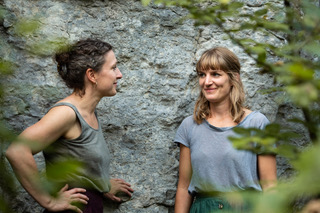
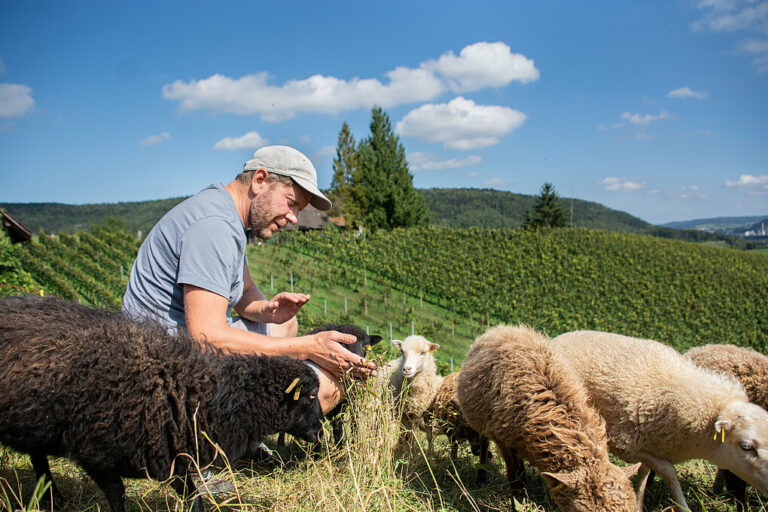
A new wave of vignerons is gathering strength in Swiss wineries. They are young, eclectic, and often organic or biodynamic in their work. Most are keenly focused on sustainability and trying disease-resistant grapes. Thirty of them, who go by JSNW (Junge Schweiz Neue Winzer, or Young Switzerland New Vignerons), offer a snapshot of this generation, all under age 40. The association was created in 2010 in Zurich to put “sharing” in boldface: of experience and ideas, but most of all of their wines and feedback, at regular meetups. The group has expanded to include vignerons from the French- and Italian-speaking…
Ellen Wallace is the author of Wine Hiking Switzerland, a selection of 50 hikes and 50 wines, to be published 1 September 2022 by Helvetiq, in English, German and French. Ellen is an American-raised Swiss who lives high in the Alps. She is the author of the introductory book Vineglorious! Switzerland’s Wondrous World of Wines and she publishes an independent blog and newsletter in English whose main focus is journeying through the landscape (wines, vineyards, people, history, culture) of Swiss wines, to make these more accessible to wine-lovers in Switzerland and outside the country. Ellen is also a regular presenter of Swiss wines to groups and clubs, in English. She has judged at the Mondial de Bruxelles, Mondial des Pinots, Mondial des Merlots and the national Grand Prix des Vins Suisses.
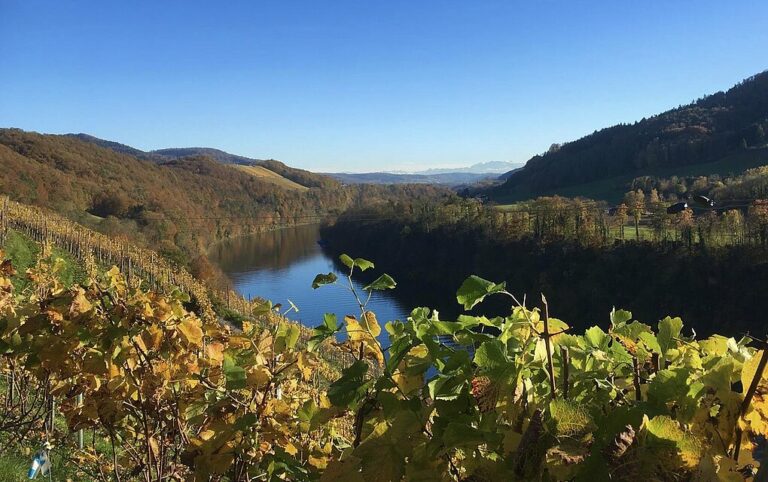
Every guide to Swiss wine begins with the same emphatic but overly simple premise: there are six wine regions in Switzerland. That means one of them, Deutschschweiz, is forever miscast as a single entity, even though it encompasses 19 cantons and covers two-thirds of the nation’s surface area. Meanwhile, four of the other official regions are single cantons — Geneva, Vaud, Valais, and Ticino — each with its own story to tell; a sixth — the Three Lakes region — is geographically contiguous, linguistically mixed and, while quite small, celebrated for its diversity. Why, I ask, is there so little…...
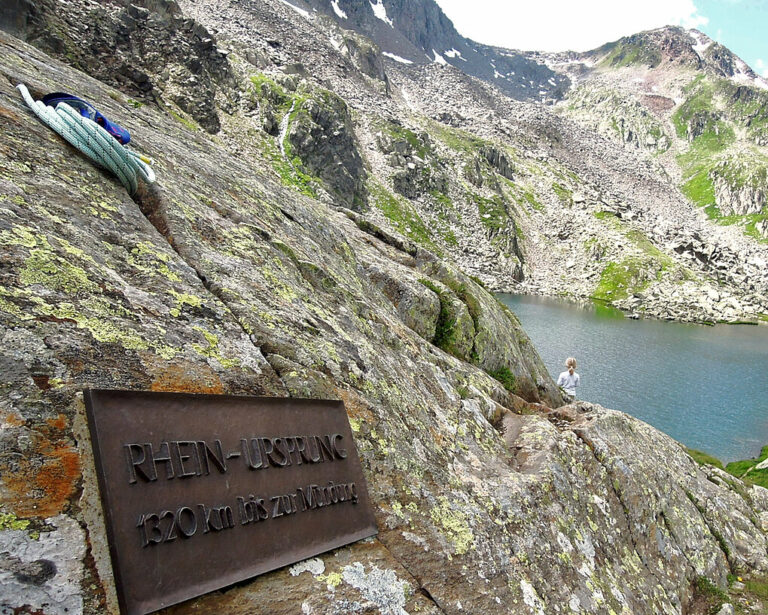
It would be easy to dismiss what happens in the tiny winegrowing country of Switzerland as an inconsequential alpine eddy, an iridescent surge in the great river of wine. After all, the nation boasts a mere 15,000 hectares of vines, ranking it only 132nd worldwide in terms of area. But do so at your own peril. After all, the Rhine itself begins in this country, high in the hills of Graubünden some 120 km due south of Switzerland’s capital city. In that spot, it is little more than a spring-fed stream off Lake Toma. “To me, the Rhine looks very…...
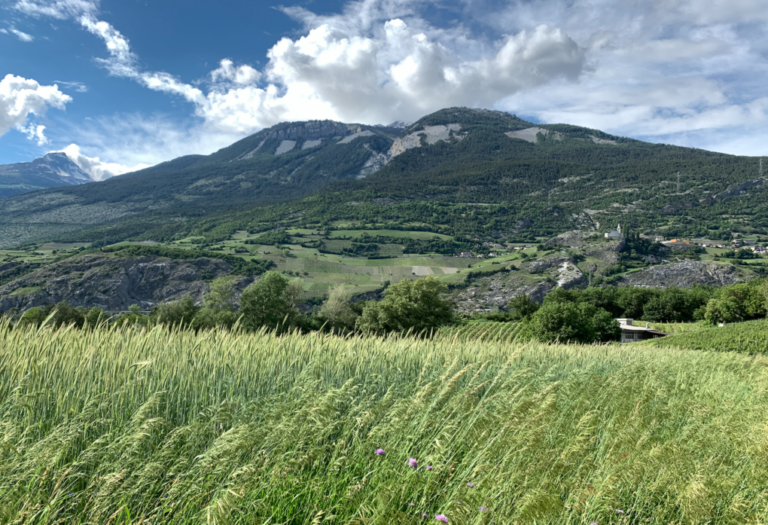
In a Swiss park, a footpath leads from Leuk, a village straddling the Rhone, up to Varen, which is perched on a cliff. The trail is steep and strewn with pebbles in early summer. But three lightfooted young people with small backpacks move at a steady pace, in the way the Swiss tend to do when they grow up hiking in the Alps. The trio checks a list of clues they picked up at the Leuk tourism office. This treasure hunt will take them along groomed trails for eight hours (several pauses included) to wineries within the extraordinary Pfyn Nature…...
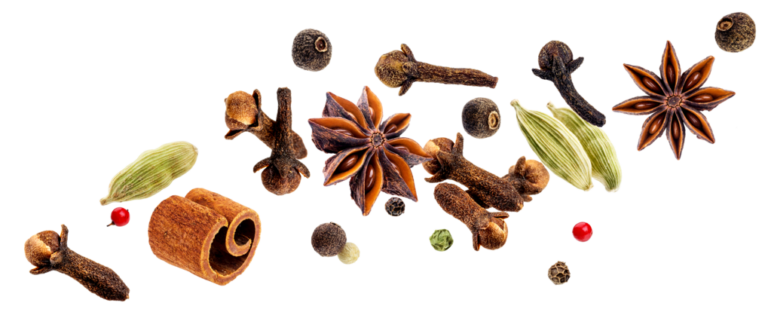
Picture yourself at a German holiday market (if such things were happening in 2020) — a mug of glühwein in hand and the scent of fresh pfeffernuss cookies in the air. It’s no surprise that these warm, spicy aromas are key attributes in many wines from Germany and Austria, South Tyrol, and the German-speaking parts of Switzerland. And there’s a hidden world of compounds and precursors to thank for this distinctive and alluring range. Much like a chef in the kitchen, growers can influence the aromatic and flavor complexity of their wines by playing with soil type, exposition, vine age,…...