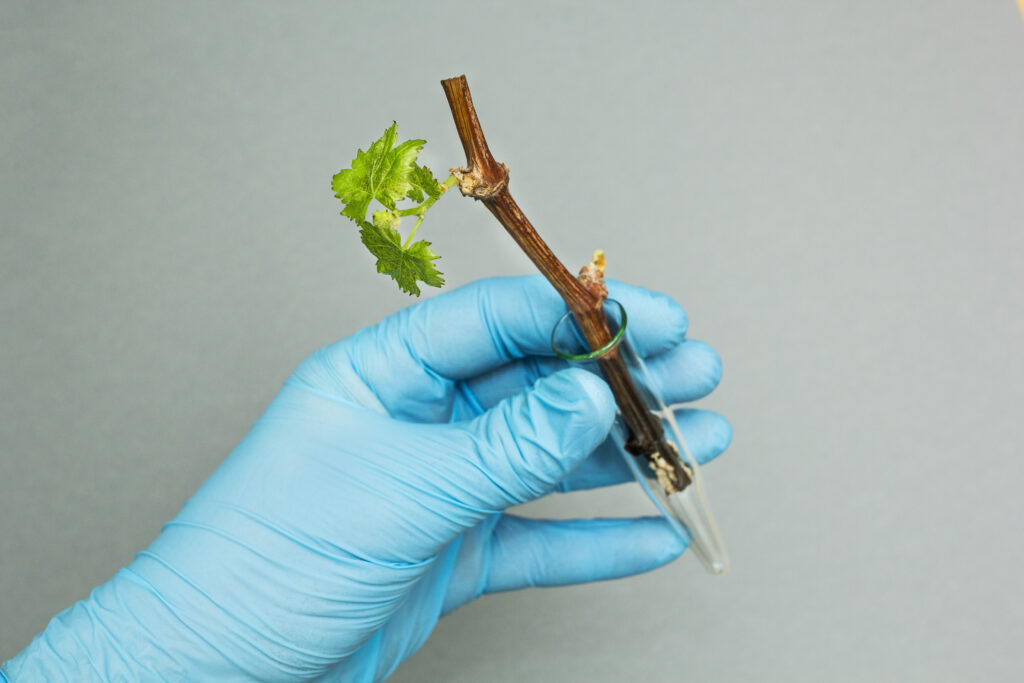
With a third generation of fungus-resistant hybrid wine grapes in development, are we poised for a breakthrough in the spread of so-called PIWIs? Will the quest for an alternative to disease-prone Pinot Noir finally bear fruit? Swiss researchers, breeders, nurseries, and winemakers are at the forefront of this effort. For an increasing number of vintners, traditional grape growing with seven to 12 rounds of spraying annually has become unsustainable. For some, organic farmingisn’t the answer. Because organic agents work superficially and wash off with rain,they must be applied more frequently. This requires more labor and more passes through the vineyard,…
A geographer by training, Bart’s understanding of soil, geomorphology, and climate, important factors in winemaking, was kindled at an early age. But it was his move to Basel, on the doorstep of Baden and Alsace, that really stirred up his interest for wine. Since his studies at the Austrian Weinakademie, wine has been his profession. Apart from writing for several European publications, such as Perswijn (NL), Apéritif (Norway), Metropole (Austria), Bart organizes wine trips and moderates tastings. An avid amateur flautist, Bart is also very honored to be writing the English program notes for the Sinfonieorchester Basel for the fourth season running.
In a Swiss park, a footpath leads from Leuk, a village straddling the Rhone, up to Varen, which is perched on a cliff. The trail is steep and strewn with pebbles in early summer. But three lightfooted young people with small backpacks move at a steady pace, in the way the Swiss tend to do when they grow up hiking in the Alps. The trio checks a list of clues they picked up at the Leuk tourism office. This treasure hunt will take them along groomed trails for eight hours (several pauses included) to wineries within the extraordinary Pfyn Nature…...
Räuschling isn’t just wonderfully umlauted, it’s also one of the most exciting autochthonous white wine varieties in German-speaking Switzerland. This became clear to me on a March afternoon in 2015. I had accepted an invitation from Mémoire des Vins Suisses to come to Zürich and take part in a Räuschling vertical tasting — featuring vintages that stretched back to 1935 — at Weingut Schwarzenbach in Meilen on Lake Zürich. Since then, I taste every Räuschling I can get my hands on. The lively acidity, fine citrus aromatics, and aging potential of this rare variety fascinate me over and over. Native…...
It was biodynamic wine that helped me to find my footing in Europe. Yet, as a Black American woman living in Europe, Rudolf Steiner's interests and views present a complicated and troubling legacy.
My socials fill up with harvest photos at this time of year. It’s joyful and a bit primal. Nature controls the parameters of how and when, no matter how hard we try to predict and plan. The act of picking grapes initiates an even more fundamental process. Fermentation is to wine what oxygen is to humans. It’s both essential and deadly at the same time. There is no wine without it, yet fermentation’s transformative effects can destroy as readily as they create. It’s a kind of magic. Smoke, Stinks and Magic It’s magic because you start with fresh fruit, then…...
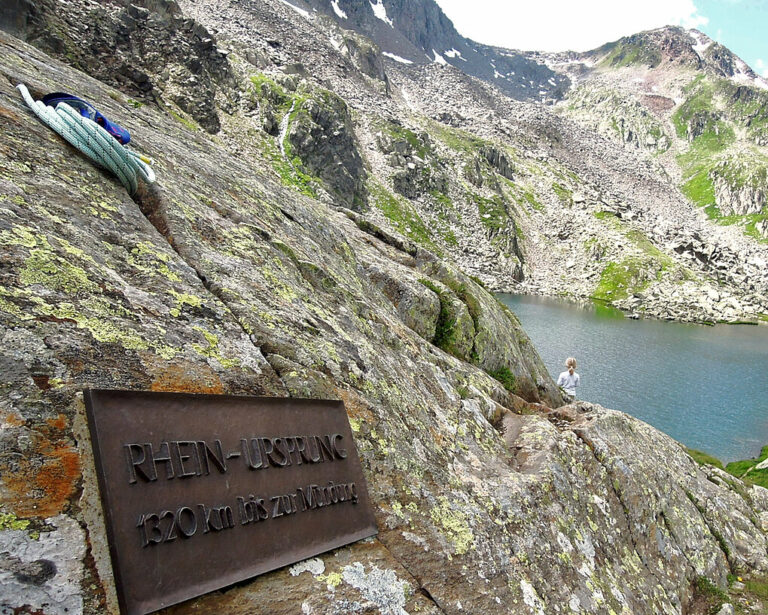
It would be easy to dismiss what happens in the tiny winegrowing country of Switzerland as an inconsequential alpine eddy, an iridescent surge in the great river of wine. After all, the nation boasts a mere 15,000 hectares of vines, ranking it only 132nd worldwide in terms of area. But do so at your own peril. After all, the Rhine itself begins in this country, high in the hills of Graubünden some 120 km due south of Switzerland’s capital city. In that spot, it is little more than a spring-fed stream off Lake Toma. “To me, the Rhine looks very…...