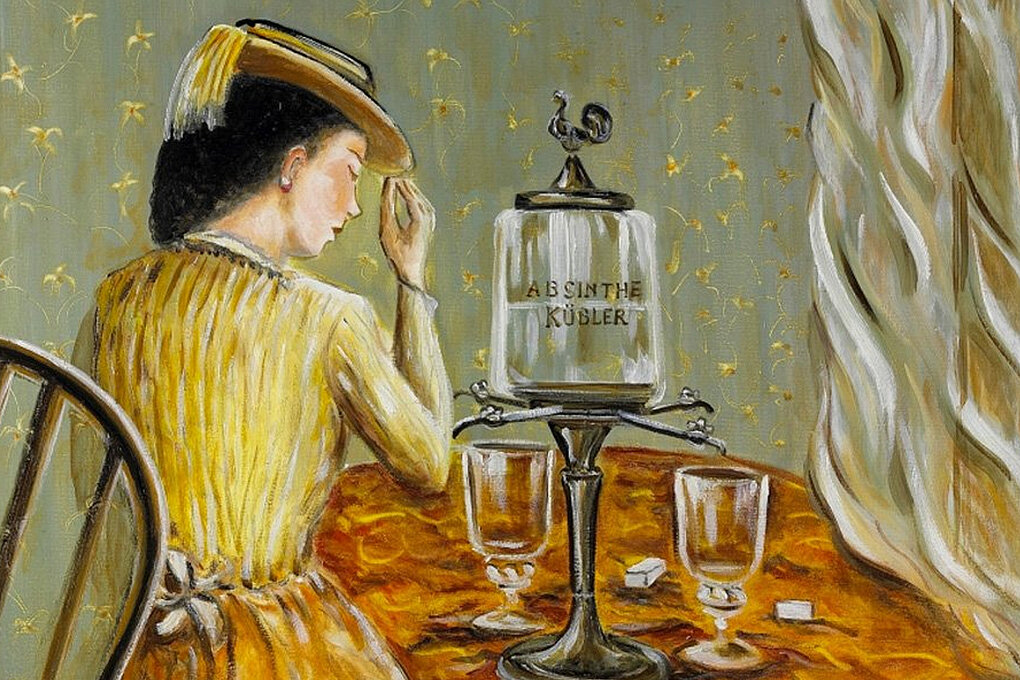
Banned and beloved, feared and revered, one would assume the birth story of absinthe to be as spirited as its character. Yet its quite conventional beginnings can be clearly traced back to the mild-mannered region of Val-de-Travers, Switzerland, below the limestone-cliffed Jura mountains, where a greenish-gray perennial that gave the herbal elixir its name thrives on the lush borders of the region’s forests and roadsides. And so it is that neither the what nor the where, but rather the who of absinthe’s beginnings that has been called into question, becoming only the first in a long twisted tale of controversy…
Matt Keller cut his teeth bartending for two years in Konstanz, Germany. The experience immersed him in the language, people, and traditions of the area while growing his affinity for the region’s imbibing customs and cultures. He authors the blog “District Cocktail - A Drinker’s Notes in Capitol City” and can be found on Twitter remarking on cocktails and life.
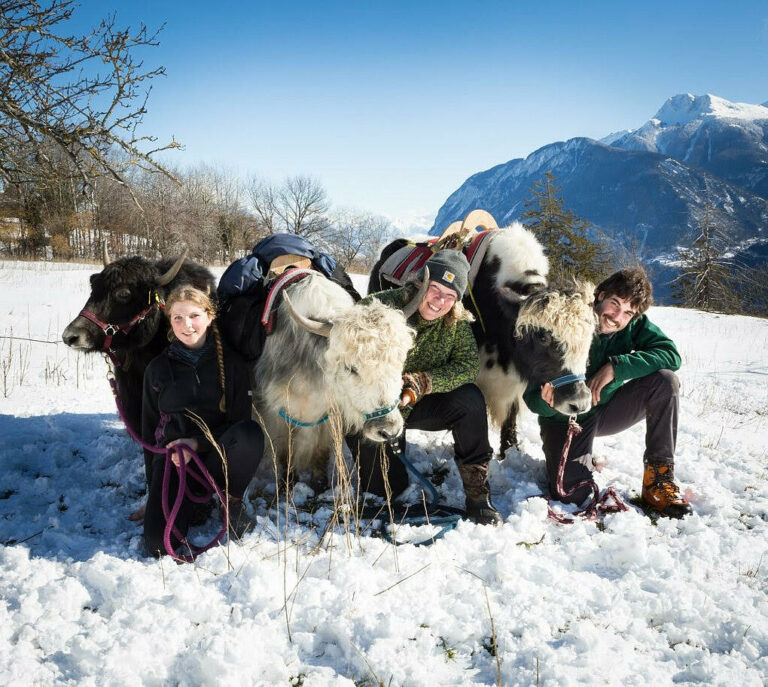
There’s no “yak crossing” sign in front of Caves du Paradis. Nevertheless, in September cars and trucks on the busy industrial road at the edge of Sierre, Switzerland were forced to cede to sturdy yaks trekking from the vines across to the Paradis cellar, their broad backs loaded with ripe Gamay grapes. The yaks appeared to enjoy their new temporary jobs, unusual work for a yak, who normally tills or treks. The pickers in the vineyard quickly made friends with the quiet, gentle creatures, recalls winery owner Olivier Roten, once they realized that the long horns would not get in…...
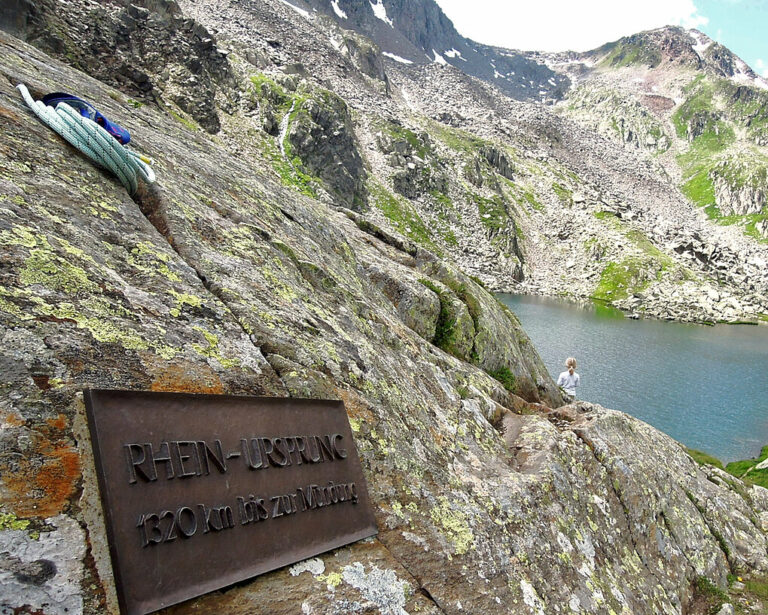
It would be easy to dismiss what happens in the tiny winegrowing country of Switzerland as an inconsequential alpine eddy, an iridescent surge in the great river of wine. After all, the nation boasts a mere 15,000 hectares of vines, ranking it only 132nd worldwide in terms of area. But do so at your own peril. After all, the Rhine itself begins in this country, high in the hills of Graubünden some 120 km due south of Switzerland’s capital city. In that spot, it is little more than a spring-fed stream off Lake Toma. “To me, the Rhine looks very…...
Editors’ Note: Data open tantalizing invitations to speculation. Wine economist Dr. Karl Storchmann of the American Association of Wine Economists is a master at collecting information, presenting it in clear, compelling graphics, and stepping away to allow each of us to draw our own conclusions. When he looked at wine, beer, and spirits consumption in three of TRINK’s coverage zones over the past century, he found striking disparities and a surprising convergence. What story do they tell you? Per capita wine consumption in Austria, Germany, and Switzerland has fluctuated significantly since the late 19th century (see Figure 1). Switzerland has…...
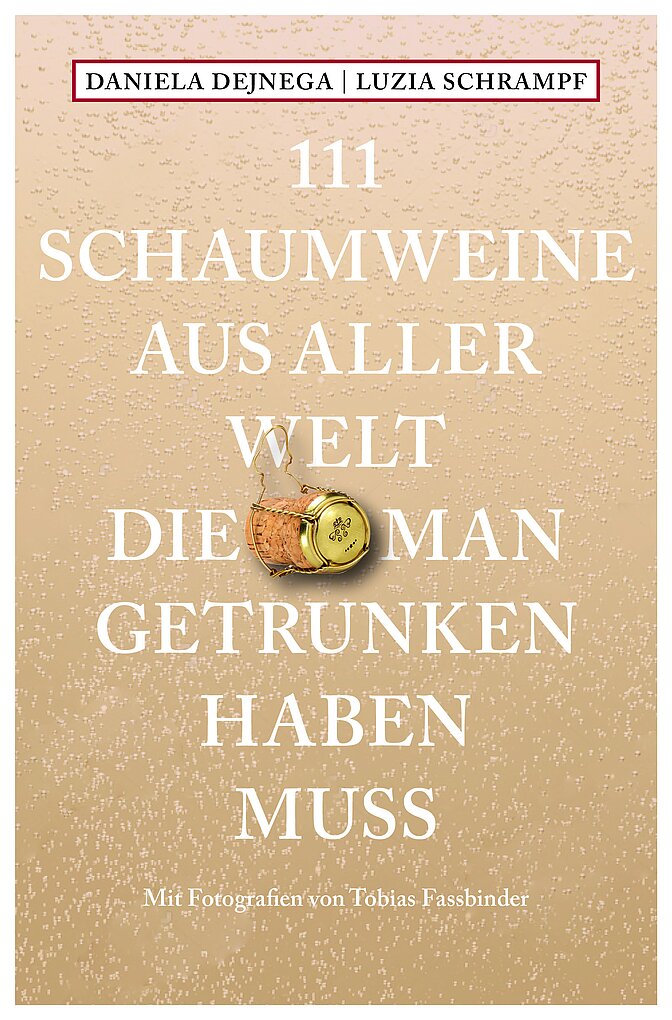
The world of sparkling wines is changing for the better. The number of producers approaching this beverage in serious, artisanal, and creative ways continues to climb. “Grower Sekt” from Austria and Germany is very much en vogue. We are witnessing a tremendous push to quality. For a long time, “mass over class” was the motto, especially in Germany. But for a new generation, awareness of terroir and a trend toward reducing residual sugar are increasingly the focus. No stone has been left unturned in Austria, either. For several years, Austrian Sekt has been governed by a three-tiered quality pyramid: “Sekt…...
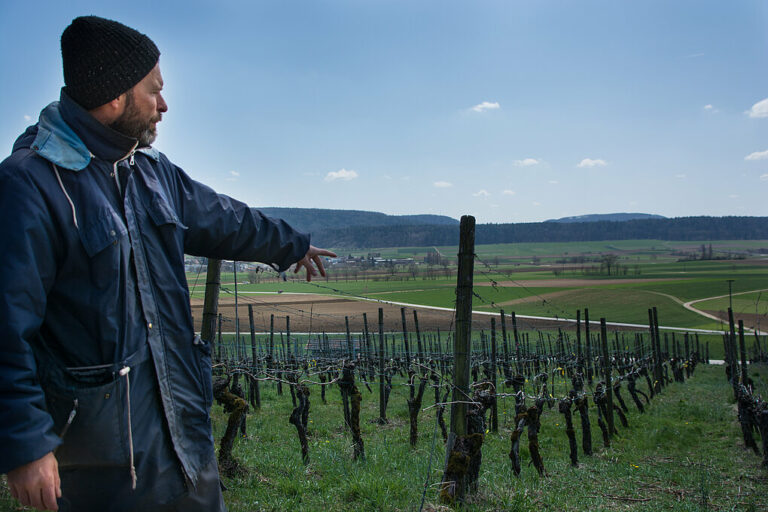
Swiss wines remain rare on the international wine scene. But a new generation of talent committed to uncompromising work and meaningfully sustainable viticulture is slowly changing this. Markus Ruch has been cultivating his own vineyards in the Klettgau, part of Switzerland’s northernmost canton, since 2007. He is widely credited with producing the first Swiss natural wines and leads the movement today. His Pinot Noirs and orange Amphore are served from NOMA in Copenhagen to Konstantin Filippou in Vienna. Ruch’s wines are classy. With a twist. For those less familiar with Swiss geography, the canton of Schaffhausen is situated north of…...