I’ve read about as widely on Swiss wines as an Anglophone can: the relevant chapters of Jason Wilson’s delicious Godforsaken Grapes. The late Sue Style’s charming, informative Landscape of Swiss Wine. Ellen Wallace’s colorful Vineglorious. Dennis Lapuyade’s expert blog ArtisanSwiss. Stephan Reinhardt’s candid, convincing coverage in the Wine Advocate. But it is Dr. José Vouillamoz’s Swiss Grapes: History and Origin that has done the most to help me wrap my head around the marvelously confounding world of Swiss wines. The English edition, published in 2019 (two years after the original French), is a startlingly accessible and appealingly personal exploration of the trove…
Valerie Kathawala specializes in the wines of Germany and Austria. Her work appears in the pages of regularly in Noble Rot and SevenFifty Daily. She is the author of the "German Wine Scholar" (2025).
“The Foehn wind is a real affineur of grapes . . .” from the diary of Weingut Bründlmayer Evidence from wine regions everywhere suggests that if cool climate viticulture is to survive, then it must move north — or, in Switzerland’s case, up. Warming temperatures in formerly marginal regions such as Burgundy and Piedmont now require changes in viticulture and/or additions to the permitted roster of grapes just to keep up. Even with successful change, however, the freshness, delicacy, and intricate architecture we love in Pinot Noir and Nebbiolo may be harder to come by. By contrast, Switzerland and parts…...
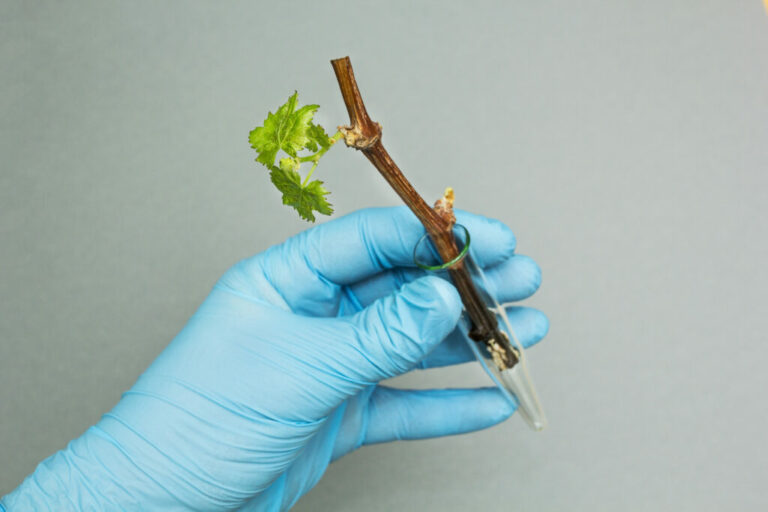
With a third generation of fungus-resistant hybrid wine grapes in development, are we poised for a breakthrough in the spread of so-called PIWIs? Will the quest for an alternative to disease-prone Pinot Noir finally bear fruit? Swiss researchers, breeders, nurseries, and winemakers are at the forefront of this effort. For an increasing number of vintners, traditional grape growing with seven to 12 rounds of spraying annually has become unsustainable. For some, organic farmingisn’t the answer. Because organic agents work superficially and wash off with rain,they must be applied more frequently. This requires more labor and more passes through the vineyard,…...
Every guide to Swiss wine begins with the same emphatic but overly simple premise: there are six wine regions in Switzerland. That means one of them, Deutschschweiz, is forever miscast as a single entity, even though it encompasses 19 cantons and covers two-thirds of the nation’s surface area. Meanwhile, four of the other official regions are single cantons — Geneva, Vaud, Valais, and Ticino — each with its own story to tell; a sixth — the Three Lakes region — is geographically contiguous, linguistically mixed and, while quite small, celebrated for its diversity. Why, I ask, is there so little…...
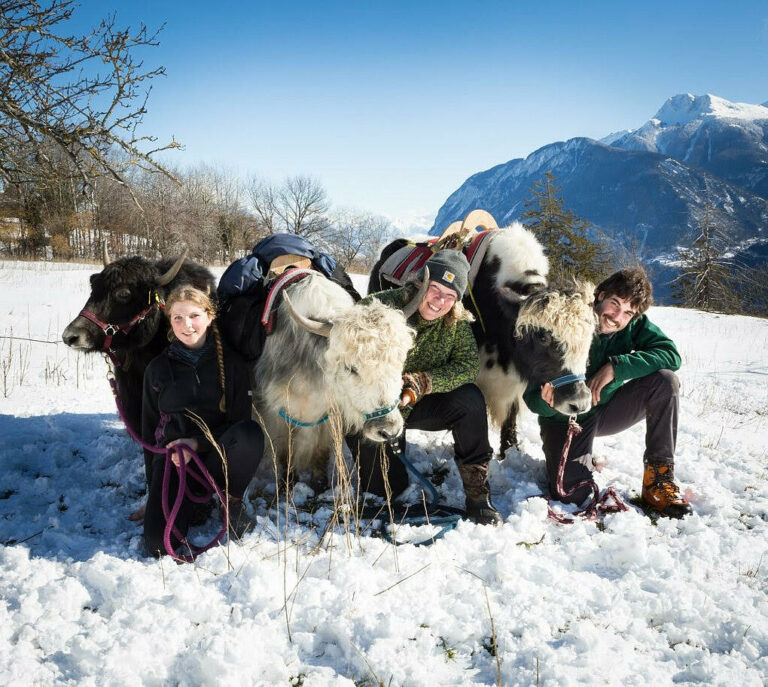
There’s no “yak crossing” sign in front of Caves du Paradis. Nevertheless, in September cars and trucks on the busy industrial road at the edge of Sierre, Switzerland were forced to cede to sturdy yaks trekking from the vines across to the Paradis cellar, their broad backs loaded with ripe Gamay grapes. The yaks appeared to enjoy their new temporary jobs, unusual work for a yak, who normally tills or treks. The pickers in the vineyard quickly made friends with the quiet, gentle creatures, recalls winery owner Olivier Roten, once they realized that the long horns would not get in…...
By traditional measures, my first year of college was a waste. I spent a lot of it playing cards with a gang of liberal theologians at a Jesuit university in California. Towering above the group was our guru, the truest Renaissance man I’ve ever met — priest, medieval scholar, professional clown, and director of his own traveling circus. He spent most of each year wandering from one Catholic university to another, plying his gift for persuasion. But he always made time for cards when he was in town. When not lobbying for Christ, he was partial to Texas Hold ’em,…...
It was biodynamic wine that helped me to find my footing in Europe. Yet, as a Black American woman living in Europe, Rudolf Steiner's interests and views present a complicated and troubling legacy.