
Austria Is the Antidote to Wine Doomerism
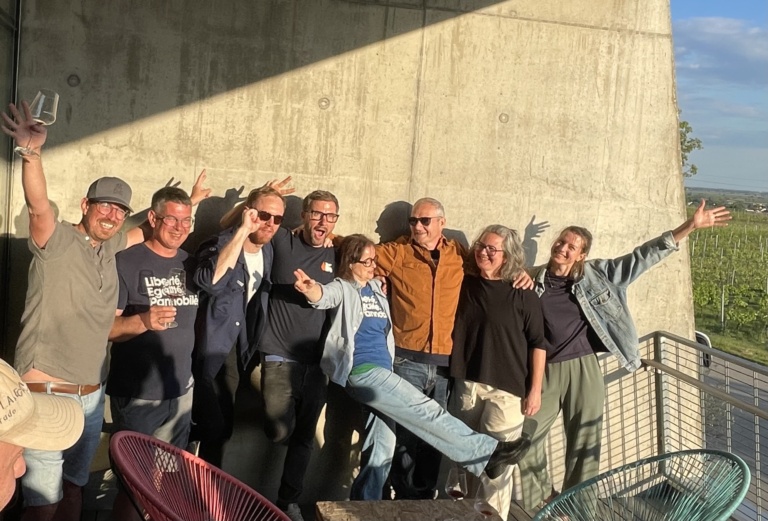
The focus and energy of Austria's biennial wine trade fair VieVinum puts the spotlight on a country that is doing wine right.
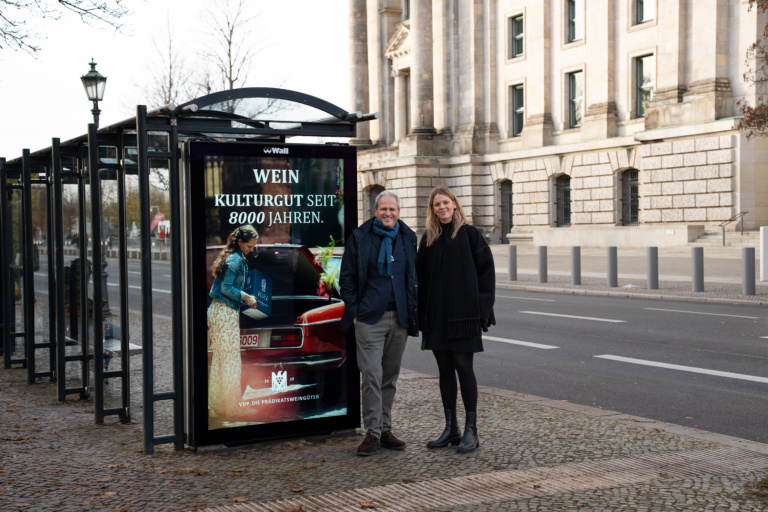
Melanie Broyé-Engelkes, a seasoned marketing executive and entrepreneur from Paris and Luise Böhme, a former nationally competitive athlete from eastern Germany, have joined Theresa Olkus, a communications specialist from Württemberg, to form a triumverate that — in ways large and small — now steers the future of German wine.
At a time when some Mosel producers are shedding vineyards like snakeskins, Ernst “Erni” Loosen, who already has 90 hectares at his disposal, is trying on a new one. A few years ago, a cousin of Loosen’s called to say he was selling a parcel. Lammertslay, a steep, mid-slope, two-and-a-half-hectare plot within the Wehlener Sonnenuhr, is hallowed ground for Riesling. The vines were largely wurzelecht (ungrafted), planted around 1895 in pure blue slate soil on a south-facing slope. Loosen was sold. The parcel had belonged to his great-grandfather, Dr. Zacharias Bergweiler-Prüm. Loosen saw it as a rare chance to honor…...
Maps illustrating German viticulture in the Middle Ages show a dense, far-reaching expanse. Vines and wine were integral to daily life, sacred and secular. Vineyards formed a distinctive cultural landscape and wine a vital cultural asset — a long, living link to the past. Today, that link is being tested. The German wine industry is contending with what some experts have called its greatest crisis since World War II. Fueling the crisis are anti-alcohol messaging, demographic shifts, rocketing costs, and the increasingly erratic tolls of the climate crisis. Worse, there’s no clear sense of where rock bottom lies. But German…...
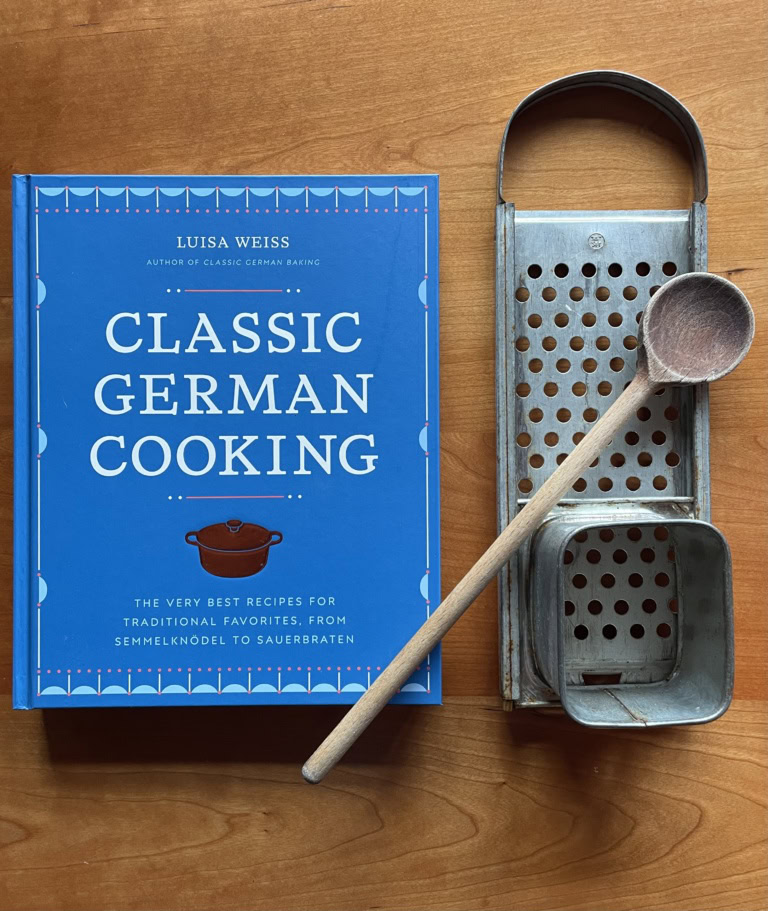
“Germans are particularly nostalgic about the food of their grandmothers,” writes Luisa Weiss, furnishing a sturdy thesis for her handsome, welcoming new cookbook. Weiss, whom you may — should — know, is a food writer. She was born, partly raised, and now lives full-time in Berlin. She blogged about food for more than a decade from New York as The Wednesday Chef, then moved to Germany. There she wrote her way deeper into the German culinary world: the food-driven memoir My Berlin Kitchen: A Love Story with Recipes (2012) and Classic German Baking (2016). She now writes a Substack organized…...
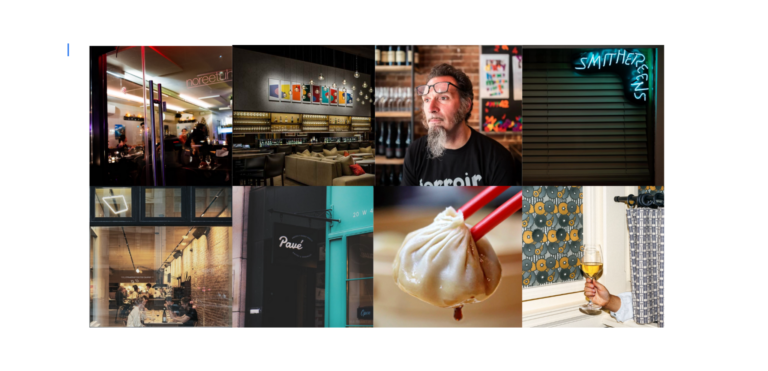
Whether you’re dropping into town for the bacchanalia that is Rieslingfeier or you’re a native New Yorker curious to get a taste of the latest and greatest in German and Austrian wines, here’s your hit list of bars and restaurants that make NYC the country’s best (if priciest) city to drink auf Deutsch. Updated November 2025 to remove Koloman, which has closed. G = German focus A = Austrian focus Noreetuh (G) Manager and co-owner Jin Ahn has turned this decade-old Lower East Side Hawaiian spot into the city’s ultimate insider Riesling hangout. Ahn’s exceptionally well-informed list is divided into Rieslings…...
The historic German wine club faces a crossroads.
Learn more about the most dynamic way to interact with 120 producers in just one weekend.
A new direction is taking shape at an ancient estate in the Ruwer.
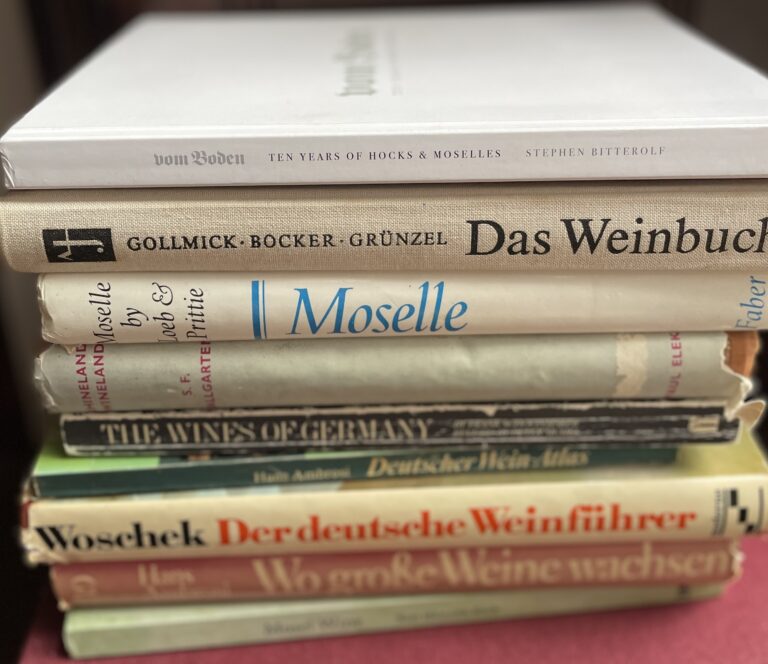
Stephen Bitterolf's new book "Vom Boden: Ten Years of Hocks & Moselles" in review.
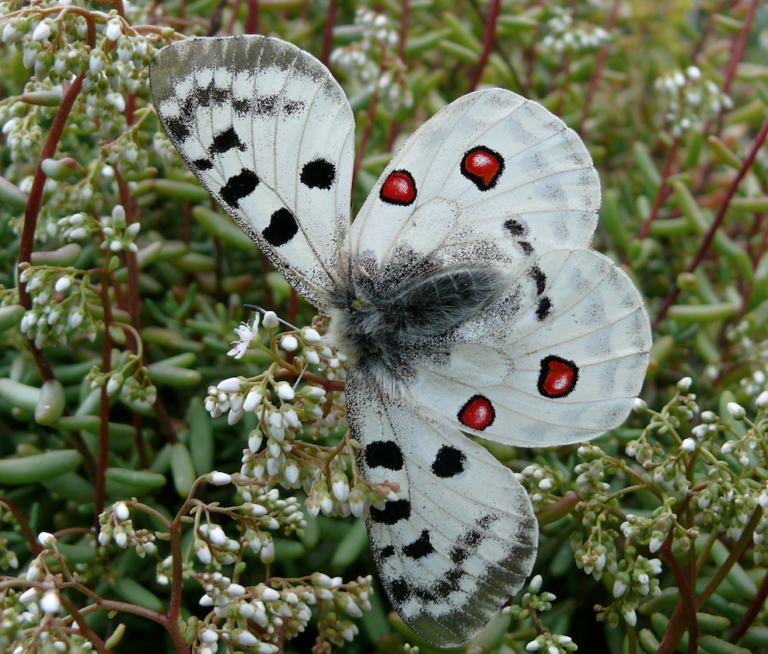
The future of the Mosel Apollo butterfly and its habitat of the Mosel terraces are endangered. Can a solution be found that allows both to continue to coexist?
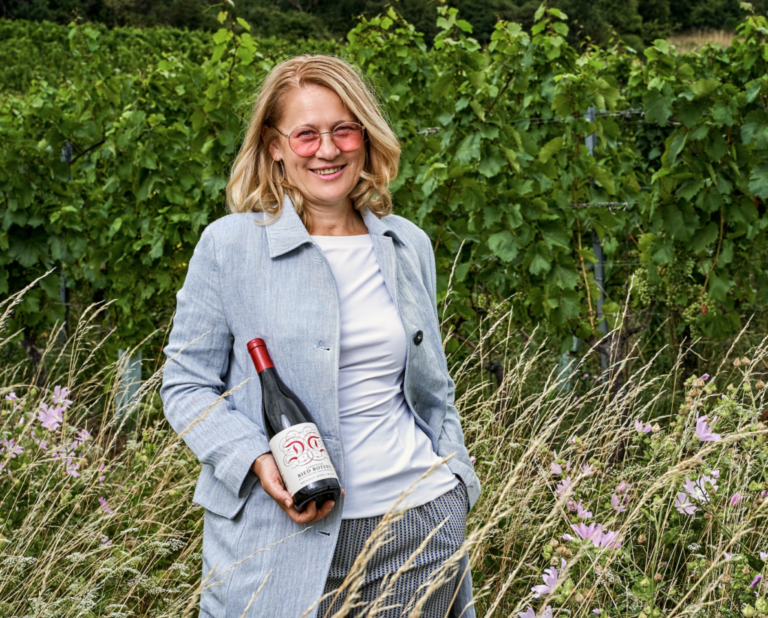
Austrian wine splashed back into the headlines recently when four of its wineries were chosen by a leading U.S. wine publication for inclusion in their “Top 100” worldwide. Notably, three of the four made their names with red wines. What’s more — in a first for Austria — one is a woman. The woman in question, Dorli Muhr, has been a powerful catalyst for the rise of Austrian wine over the past three decades. But gaining international recognition for her own wines, particularly her strikingly finessed Blaufränkisch from a vineyard she was the first to champion, has been a long…...
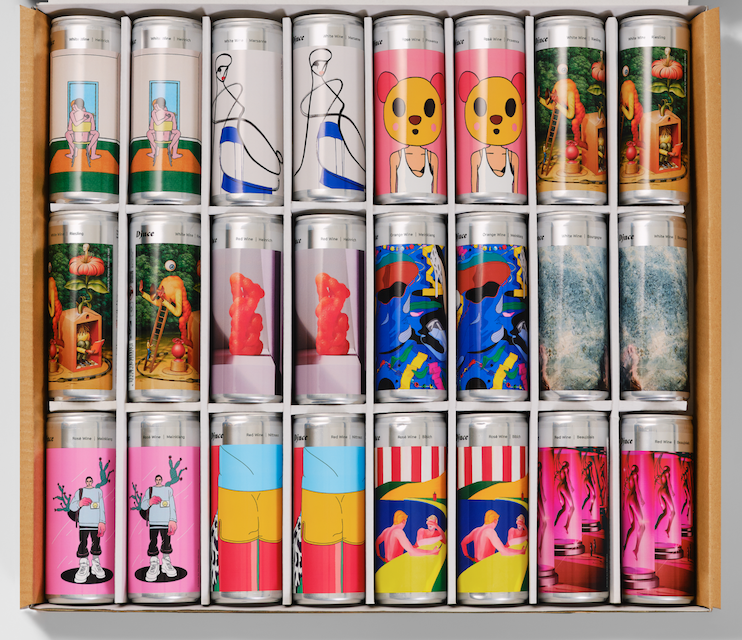
Djuce first entered my periphery late last year at the New York City iteration of Karakterre’s natural wine fair. Amid a cheerful invasion of producers from what has winningly been dubbed “the Austro-Hipsterian Empire,” I narrowed my focus to taste at some touchstones of Austrian natural wine — Judith Beck, Zillinger, Heinrich, Meinklang, Nittnaus, Weninger. Hurrying between offerings of electric-amped Grüner Veltliner and ethereal Blaufränkisch, I brushed by a small table stacked with slim, colorful cans and a paper sign that read “Djuce.” I paused just long enough to register an internal eye roll at what I assumed was the bro-culture spelling and reflexive ecoism of yet…...
Archetype, a Portland, Oregon-based import start-up, is focused on Alpine wines. They are refining consumer's understanding of the category and building community near and far.
Trink Magazine | Valerie Kathawala hazards forecasts for the future of wines from Alto Adige-Südtirol, Austria, Germany, and German-speaking Switzerland.
March 25, 2024 Update: Schmetterling has closed. It’s owners hope to reopen in the future. Are there parallels between German and Austrian wines, small-scale farming, and the queer community? If so, the most essential may be a shared need for safe space. Schmetterling, a queer-forward natural wine and vinyl shop that opened this summer in rural Vermont, aims to offer just that. By prioritizing the needs of communities at — admittedly starkly unequal — risk, owners Danielle Pattavina and Erika Dunyak have created an unlikely outpost for low-intervention German, Austrian, and other Alpine wines. The shop is both an incubator…...
What do you do when you have world-class Riesling terroirs — including some of Germany’s highest, coolest vineyards, extraordinary old vines and massale selections, and a growing cadre of hyper-talented producers who bring imagination and dedication to it all — but the world still thinks of you as a place for, well, something else? This is the predicament of Württemberg’s growers. Over the past decade, they’ve made a strong argument that Riesling should be front and center when we consider the wines of this southwestern German region. Although not everyone believes a narrowed focus benefits Württemberg’s identity (the region’s top…...
We’ll come right out and say it: Franken (Franconia) is Germany’s most underrated region. If you still think of it as the source of wan wines poured from squat flagons and drunk mostly at home, we’re here to let you in on a secret: there has never been a more exciting time for this corner of northern Bavaria, where wine, not beer, rules the day. The region sits just below the 50th parallel and at the cool, eastern edge of Germany’s wine core. It’s a perilous position for viticulture. As decades of frost-crimped and extreme-heat-affected vintages attest, its starkly continental…...