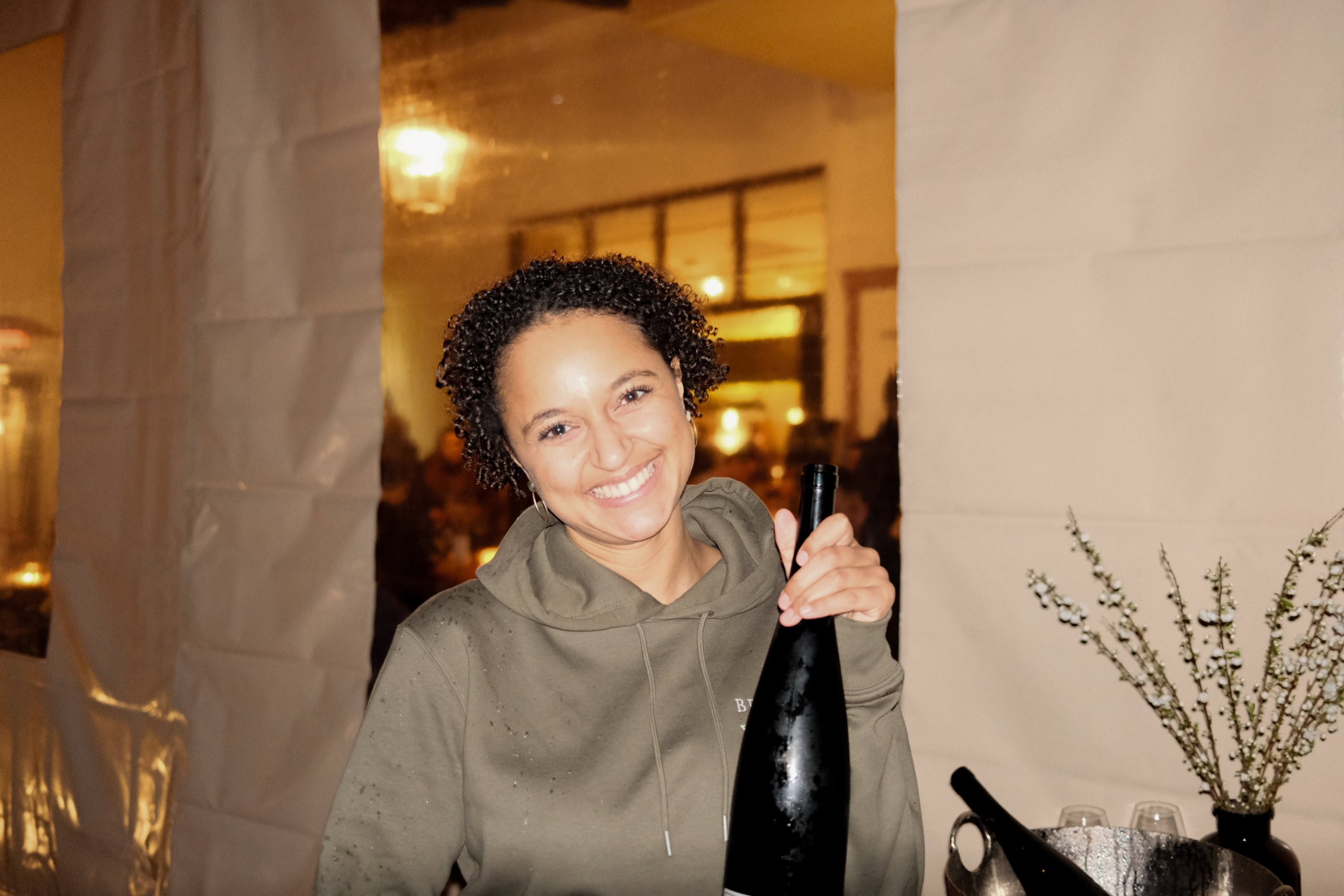
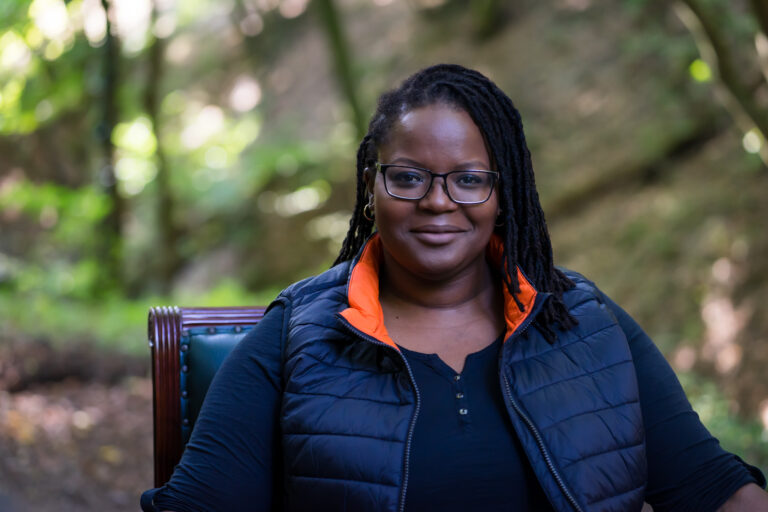
At 31, Isabella (“Bella”) Keller-Rutayungwa is already a force in German wine. She’s an entrepreneur who launched her own wine import company, a Master of Wine student, the mind behind a globally popular pop-up bar, a part-time grower at Weingut Keller, one of Germany’s most respected estates — and the newest member of German wine’s highly respected “royal family.” Beyond all this, what sets Keller-Rutayungwa apart is her conviction that fine wine (she prefers a different term) is for everyone. Her mindset is already changing how people approach the wines she champions. She’s got a winning backstory, smart ideas around…
Valerie Kathawala specializes in the wines of Germany and Austria. Her work appears in the pages of regularly in Noble Rot and SevenFifty Daily. She is the author of the "German Wine Scholar" (2025).
Müller-Thurgau was a blessing and a curse for 20th-century Germany. Emily Campeau asks whether new respect from growers can make a contender in the 21st.
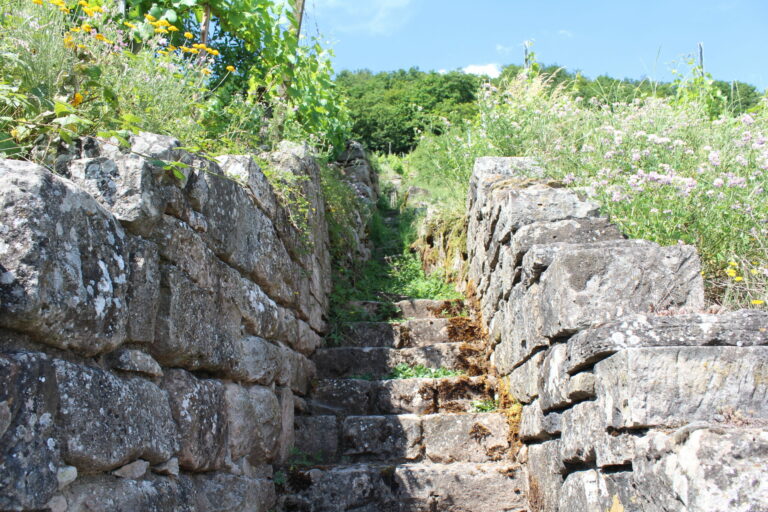
This is a story for the wine romantics among us who dream of bygone varieties, who hunker down to listen to the old stone terraces telling stories of yesteryear, of those with a weak spot for growers and wines committed to character. It is in this world of nostalgia and nerds that this story is set. Enter Ulrich “Uli” Martin, a viticulturist from Gundheim in Rheinhessen. “Such a reliable companion!” he says. “Honest, direct, and amiable. You sense it immediately.” This high praise, however, is not aimed at his best friend, at least not in the traditional sense. Rather, at a grape…...
The intimate wine bar from Holger Schwedler, the size of a Texas walk-in closet, sat off a quiet pedestrian alley not far from the famous curative hot spring of Wiesbaden, the Kochbrunnen. Too small for a kitchen, the wine bar encouraged patrons to bring their own vittles, which, like the guests, included a variety...
Sammie Steinmetz is one half of Weingut Günther Steinmetz, a mid-sized, family-run winery in Brauneberg on the Mosel. Born in Pensacola, Florida, Sammie came to Germany in 2007 as an enlisted member of the U.S. Air Force, stationed at Spangdahlem Air Base not far from the winery. She’d already planned on settling in the country when her term of service ended (“because Riesling,” she laughs). But a chance invitation to a wine-tasting introduced her to fifth-generation winemaker Stefan Steinmetz. Two weeks after meeting, they were dating and they married a few years later. In 2014, Sammie took early retirement from the…...