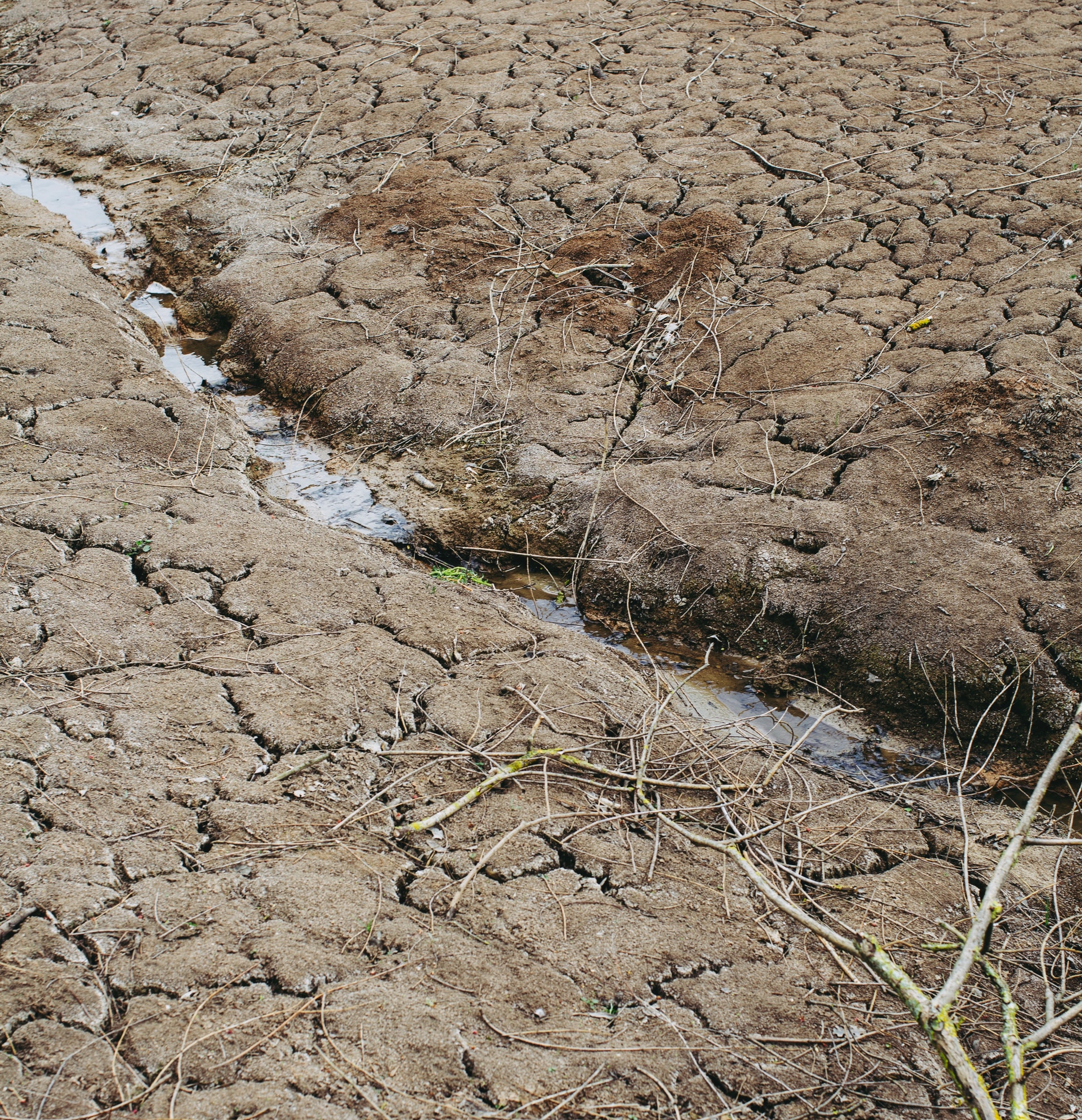
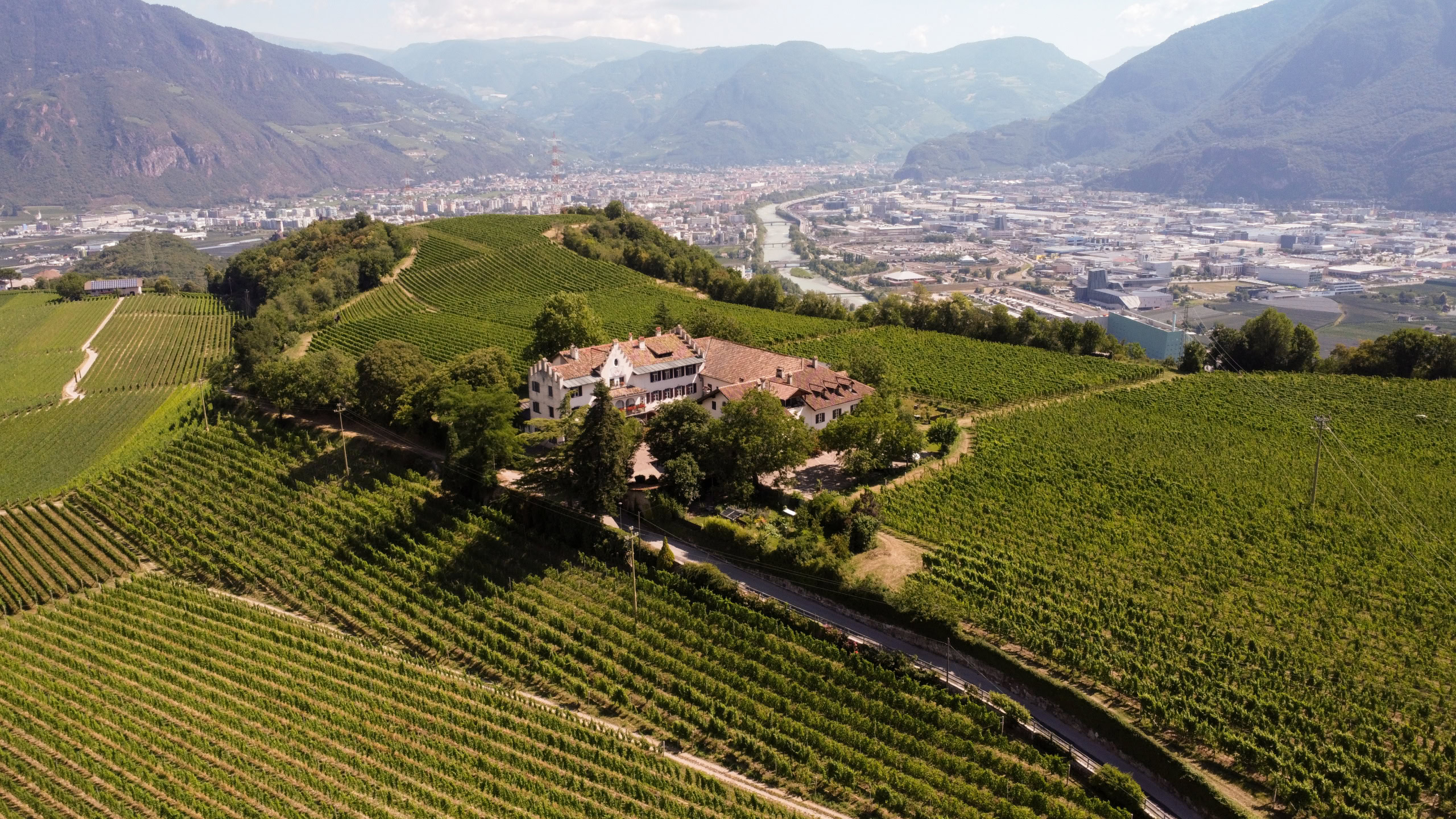
The photos that German astronaut Alexander Gerst sent back from the International Space Station during summer 2018 were deeply shocking: Germany was no longer green, but brown. The only visible green in the entirety of many of the wine regions was in fact the vines. RIP cool climate? While it was common knowledge that the summer of 2018 had been exceptionally warm, few people realize it was also the warmest ever recorded. The Average Growing Season Temperature (AVGST) registered at Geisenheim/Rheingau in 2018 was 17.8° Celsius, or 0.9° (1.6° on the Fahrenheit scale) above the previous record year, 1947. However, most were…
After getting an MA in cultural history from the Royal College of Art in London in 1986 Stuart Pigott realized the only way he could earn a living was to write about wine. Since then he has worked from the Mosel, Berlin and New York City, now residing in the little town of Eppstein in the Taunus Hills of Germany. Although his name is closely associated with Riesling he has undertaken in-depth research in regions as widely contrasting as the Bordeaux, Thailand and Arizona. In 2008-9 Pigott was a guest student at the famous wine university of Geisenheim in Germany. His writing combines a scientific approach with the gonzo journalism inspired by the works of Hunter S. Thompson. Pigott is a Senior Editor at JamesSuckling.com and the first winner of the Professor Müller-Thurgau-Prize who is neither a scientist nor a politician.
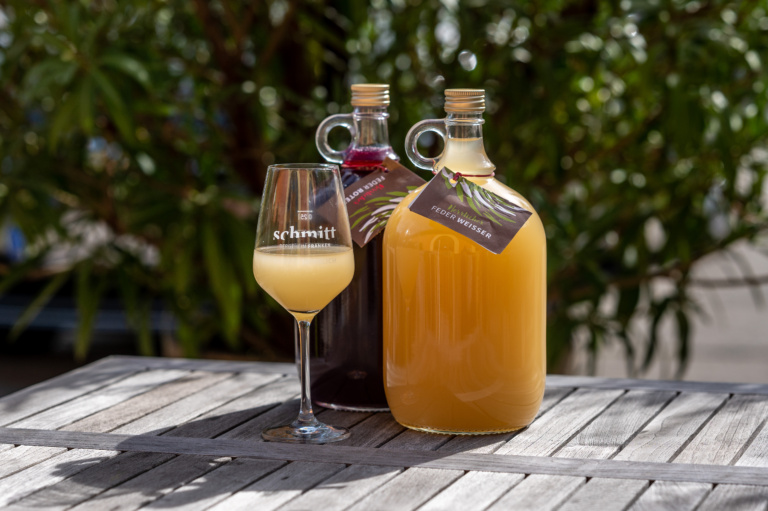
A bottle of wine is a foregone harvest, a transmuted measure of the soil, sun, and rain that fed erstwhile grapes. Federweißer, however, is an immediate taste of the harvest. In 2007, I was fresh out of college and living in Mainz, Germany, a gateway to major wine regions like the Rheingau and Rheinhessen, when I first encountered the young, sweet, low-alcohol wine called Federweißer and its red counterpart, Federroter. It was late summer when wooden stalls selling Federweißer materialized throughout the pedestrianized city center. There, I had my first swigs alongside Zwiebelkuchen, a flaky onion tart with a caramelized…...
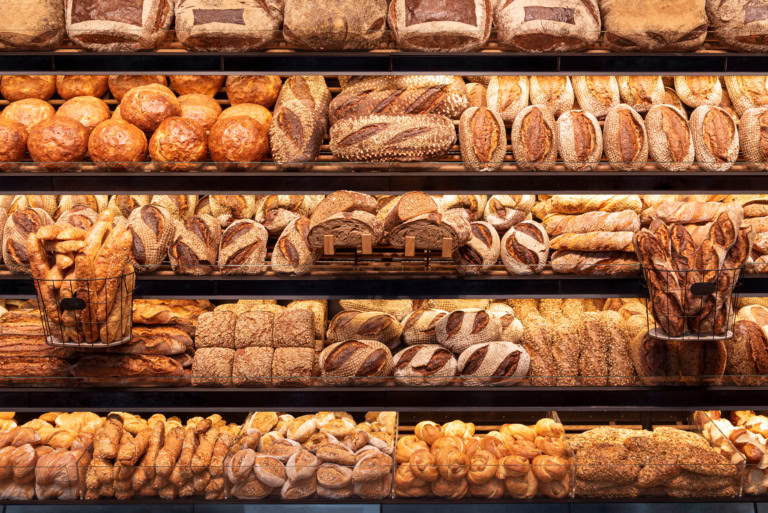
On a chilly April morning, I sat in the tasting room of an renowned old Alsatian winery, under the spell of an enchanting rose-and-peach-inflected, off-dry Gewurztraminer from vines right outside the winery’s door. I chatted with the person pouring the wine. They asked what brought me to Alsace. I answered that I had just studied German bread baking at the Akademie Deutsches Bäckerhandwerk. “I’ve never thought about German bread before,” they responded. We were less than 30 kilometers from the German border, in a town with a German name, at a winery with a German name. But they’d never even…...
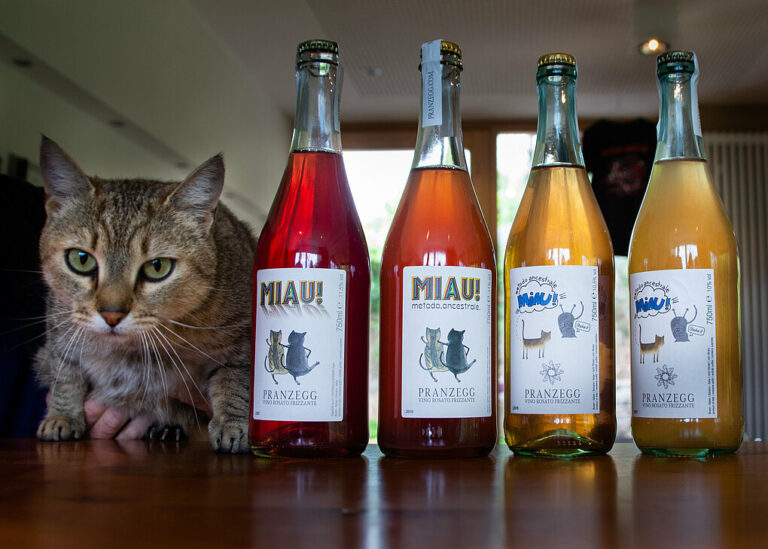
Miau! from Martin Gojer and Marion Untersulzner of Weingut Pranzegg in Bozen, South Tyrol could not be more “critter,” but is it also more? By Daniel and Liliana Schönberger