Volume 06 – Forest for the Trees

June 2021

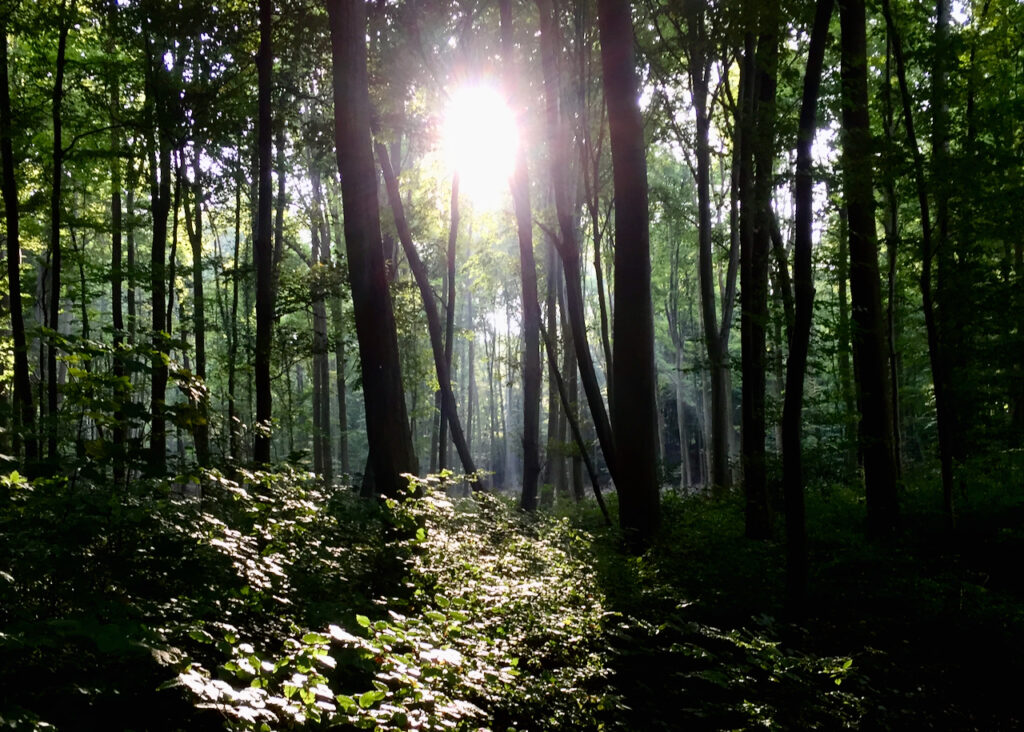
Sun shining through the German forest of Bad Honnef with thick summer foliage.

Over the past year, we’ve grown accustomed to keeping our heads down, focused on placing one foot in front of the other. Now we can look up and shift our focus, from tree back to forest.

Reestablishing equilibrium and redefining the balance between responsibilities to ourselves and to others has led to a long-needed reevaluation of the status quo. We’ve seen it play out in many realms, and wine is finally, thankfully among them.

In this volume, our authors take us on that challenging journey of rediscovery as they confront their own preconceptions. Lauren Johnson comes to terms with an element of racism in a winemaking philosophy she revered. Stuart Pigott warns of the stark reality of heat and drought in a country that, only decades ago, struggled to reliably ripen wine grapes. Ronald Merlino continues his journey along Beethoven’s footpaths to uncover the interplay of music and some quintessential Austrian wines — and the ways in which they amplify our understanding of the composer’s greatest works.

You’ll also find Ellen Wallace’s story of a fascinating Swiss nature park that’s now home to 80 wineries working in symbiosis with nature and human need, as well as Nils Kevin Puls’ fresh look at the timeless appeal of working non-vintage among four top Austrian growers, and expert picks for orange wines from the umlaut zone. From South Tyrol, Simon Staffler reports insights gleaned in the final installment of his three-part investigation of Vernatsch. Liv Fleischhacker explores lessons three Berlin wine retailers learned from their pandemic experiences.

Last but definitely not least, we present a practical and a theoretical introduction to the world of Kabinett trocken. It is a style both loved and little understood.  And who better than David Schildknecht and Jérôme Hainz to elucidate?

As we head into summer, we thank you, our readers, for your remarkable engagement and support for our first six volumes of TRINK. We will now pause publication until autumn, allowing us to refresh our focus, as well as the look, feel, and function of the magazine.

As ever, we welcome your feedback and suggestions. Drop us a line [email protected]

Happy reading!

Paula Redes Sidore, Bad Honnef
Valerie Kathawala, New York

  • · ·

    Flood Comes for the Ahr and Its Winemakers

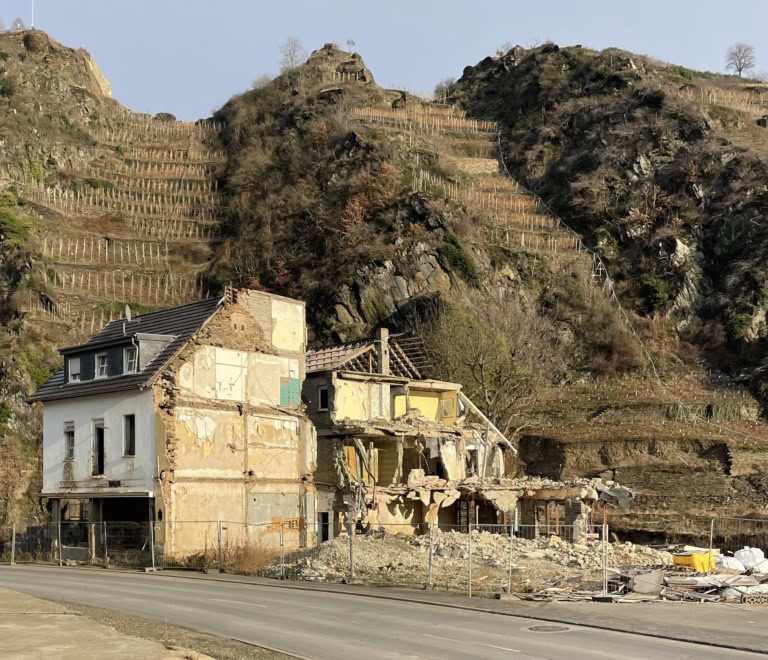
    From last Wednesday night into Thursday morning, 148 liters/square meter of rain fell on the Ahr. In a normal July, the region gets about 80 liters/square meter — in the entire month. This immense volume of precipitation in such a short span dilated creeks into torrents. Torrents rose and swiftly emptied into the Ahr itself, which morphed into an implacable, surging mass of water. As we’ve now all seen on the news, the river ripped through the villages that line its banks — Ahrweiler, Dernau, Mayschoss will be names familiar to German wine lovers — shocking everyone from the authorities charged…...

    Membership Required

    You must be a member to access this content.

    View Membership Levels

    Already a member? Log in here
  • · ·

    Beethoven as Bacchus, Part II

    In the first movement of this piece, we looked at the origins of Ludwig van Beethoven’s interest in wine and the critical role this played in shaping the composer’s musical career. Here, we trace his path through Vienna’s living landscape, to find multiple points of intersection between past and present in his music and in some of the city’s defining wines. We then head south to the Austrian spa region of Baden, where Beethoven drank, and composed, masterpieces. As we will find, his music comes more vividly to life when appreciated within the context of the vines and landscapes in which it was written…...

    Membership Required

    You must be a member to access this content.

    View Membership Levels

    Already a member? Log in here
  • Berlin-Style Sustainability

    Over the last decade, Berlin has established itself as a wine city. No small feat, since little quality wine is made within a five-hour driving radius. But in the early 2010s the natural wine movement brought in “small plates and natural wine” bistros and more and more distributors — independent wine stores who both import and buy wines and then sell them to both restaurants and consumers alike — are basing themselves here. The RAW wine fair made Berlin its Central European hub back in 2015. Before March 2020, business was good.  Then came Covid.  Putting the Neighbor back in Neighborhood at…...

    Membership Required

    You must be a member to access this content.

    View Membership Levels

    Already a member? Log in here
  • ·

    Terroir Trocken

    The photos that German astronaut Alexander Gerst sent back from the International Space Station during summer 2018 were deeply shocking: Germany was no longer green, but brown. The only visible green in the entirety of many of the wine regions was in fact the vines.  RIP cool climate? While it was common knowledge that the summer of 2018 had been exceptionally warm, few people realize it was also the warmest ever recorded. The Average Growing Season Temperature (AVGST) registered at Geisenheim/Rheingau in 2018 was 17.8° Celsius, or 0.9° (1.6° on the Fahrenheit scale) above the previous record year, 1947. However, most were…...

    Membership Required

    You must be a member to access this content.

    View Membership Levels

    Already a member? Log in here
  • ·

    Explore Pfyn: A Swiss Wine Nature Park

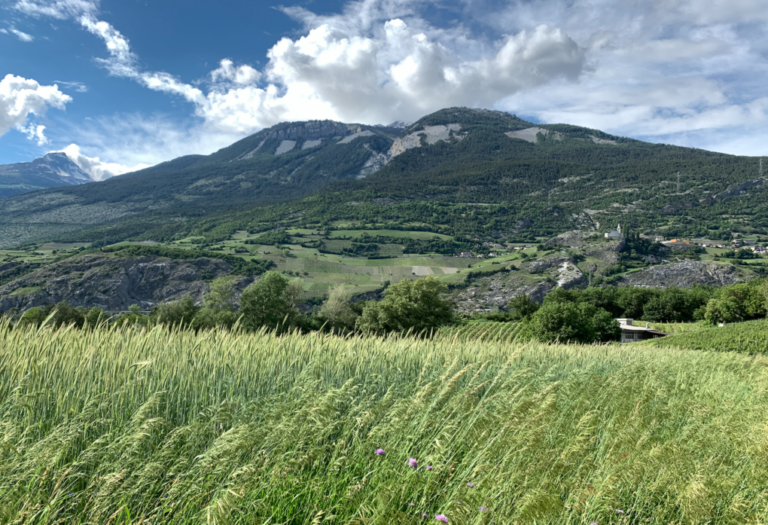
    In a Swiss park, a footpath leads from Leuk, a village straddling the Rhone, up to Varen, which is perched on a cliff. The trail is steep and strewn with pebbles in early summer. But three lightfooted young people with small backpacks move at a steady pace, in the way the Swiss tend to do when they grow up hiking in the Alps. The trio checks a list of clues they picked up at the Leuk tourism office. This treasure hunt will take them along groomed trails for eight hours (several pauses included) to wineries within the extraordinary Pfyn Nature…...

    Membership Required

    You must be a member to access this content.

    View Membership Levels

    Already a member? Log in here
  • · ·

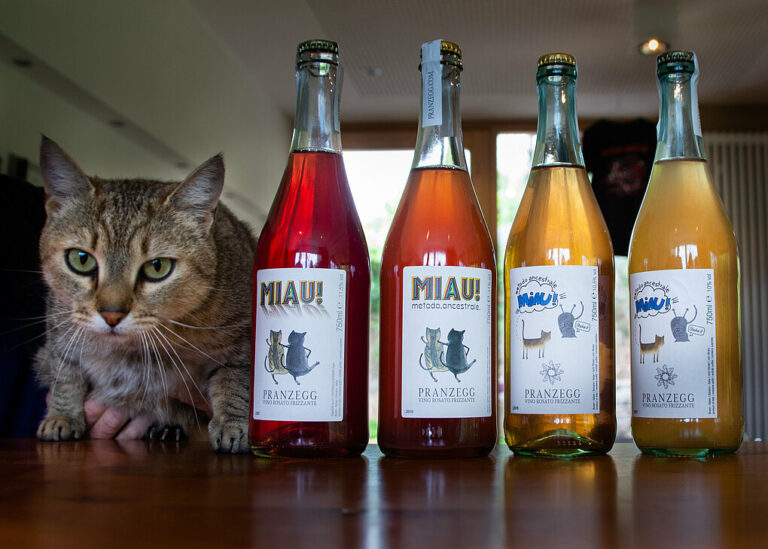
    Get to Know German-Speaking Orange Wines

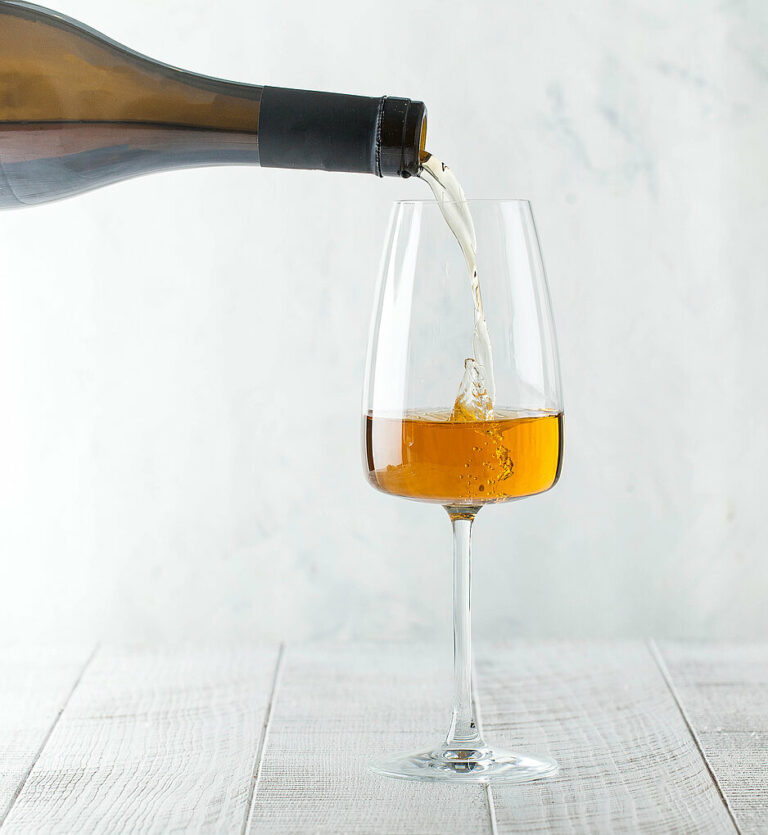
    Skin-contact white wines may have their revolutionary roots in Georgia, Slovenia, and Friuli,  but the umlaut zone also stakes a strong claim for orange expressions.  Austria was an early and highly successful adopter (think Tschida and Tscheppe, Muster and Meinklang). For this, thank geographic proximity, shared traditions, a former empire’s worth of fascinating white varieties, and the remarkable open-mindedness of producers, especially in Styria and Burgenland. Germany came later to the game. The country has been slower to embrace natural and experimental styles generally and its signature variety, Riesling, requires an exceptionally deft hand to succeed in skin-fermented form. However, German…...

    Membership Required

    You must be a member to access this content.

    View Membership Levels

    Already a member? Log in here
  • · ·

    Opinion: Reconciling the Racism of Rudolf Steiner

    It was biodynamic wine that helped me to find my footing in Europe. Yet, as a Black American woman living in Europe, Rudolf Steiner's interests and views present a complicated and troubling legacy.

    Membership Required

    You must be a member to access this content.

    View Membership Levels

    Already a member? Log in here
  • · ·

    The Greatness of Small

    Truth be told, I relish the fact that the phrase “kabinett trocken” feels like an oxymoron to so many people. For all reasonable drinkers who have come to reflexively associate the word “Kabinett” with an off-dry Riesling, the fact that a Kabinett can be both 1) dry and 2) not Riesling is jarring. An oxymoron right up there with “freezer burn,” “peacekeeper missile,” and “airline food.”  Yet, that’s only one part of a much larger obsession…er, story. Kabinett trocken reduces the grandest terroir to its most essential, most fundamental, most tangible, and most immediate. A few exceptional Kabinett trockens have been among…...

    Membership Required

    You must be a member to access this content.

    View Membership Levels

    Already a member? Log in here
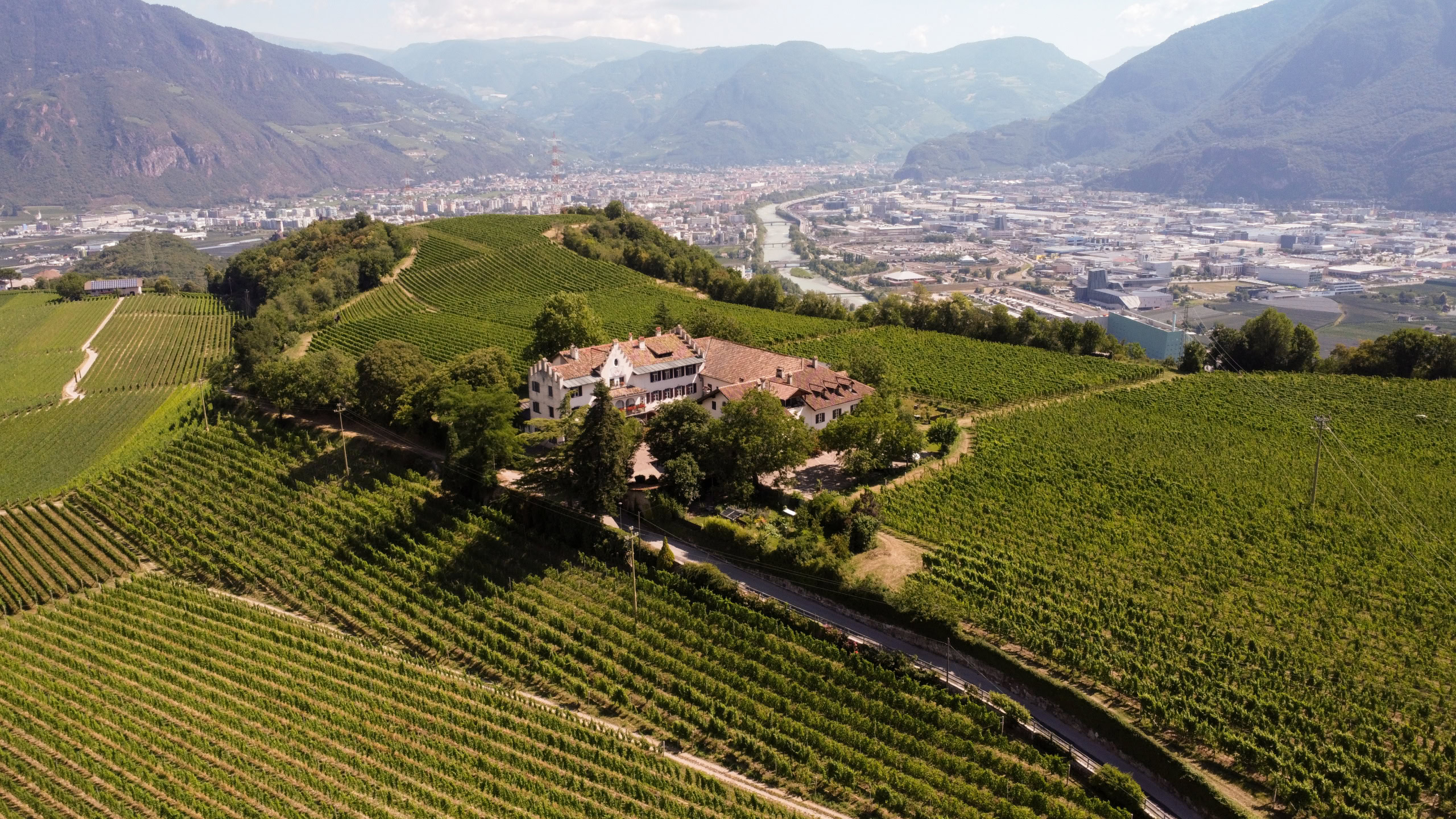
  • Veritable Vernatsch in Alto Adige

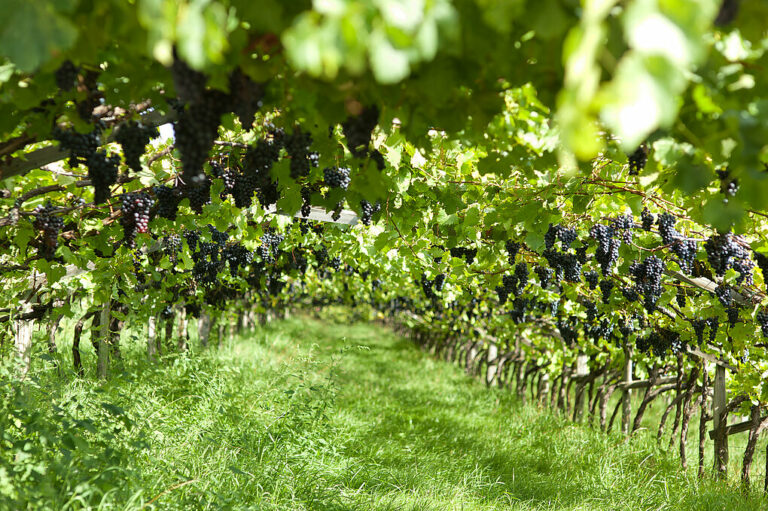
    For centuries, the grape variety Vernatsch has been both flagship and albatross around the neck of Italy’s northern region of Alto Adige-Südtirol. In this final installment of his three-part series, Simon Staffler looks closely at DOC Alto Adige and posits the question: Why Vernatsch? “Vernatsch is unique in the world,” says Martin Pollinger, winemaker at Weingut Eichenstein. The estate is located 400 meters above the city of Meran, and Pollinger is part of a new generation of winegrowers and winemakers who are finding their way back to South Tyrol’s flagship variety. Surrounded by vines, Meran makes up the westward start of the…...

    Membership Required

    You must be a member to access this content.

    View Membership Levels

    Already a member? Log in here
  • · ·

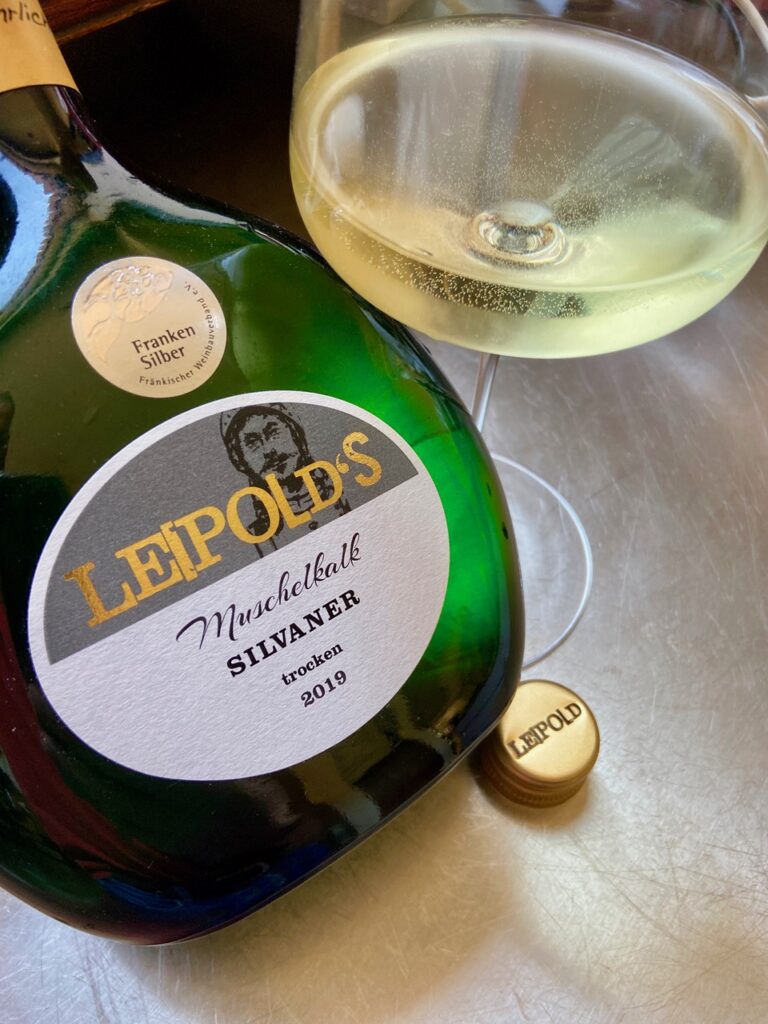
    Eat + TRINK | Where Silvaner Meets the Sea

    Confession time: Which wine and food pairings make your eyes roll faster than a teenager’s? Champagne and strawberries? Pizza and Lambrusco? Muscadet and oysters?  In southern Germany, Silvaner and white asparagus are regional marketing 101. Silvaner has been praised and prized as a pairing for the spring stalk to such an extent that grocers will double their inventories of cheap Silvaner and stack it by the case in the vegetable section. And while the fastest way to get a screenful of Internet ill-will slung in your direction is to suggest the pairing to a German wine group, it is true…...

    Membership Required

    You must be a member to access this content.

    View Membership Levels

    Already a member? Log in here
  • · · ·

    Kabinett Trocken: Oxymoron or Opportunity?

    It’s an unfortunate paradox: the very climatic conditions that leave us thirsting for lightweight, refreshing and soul-satisfying dry wines render these hard to achieve. Yet, rather than leading the way in surmounting this viticultural challenge, Germany’s Riesling establishment routinely throws up roadblocks. That’s a crying shame.  THE CURIOSITY OF “KABINETT” To understand what’s become of “Kabinett trocken,” we must first retrace the steps leading to “Kabinett.” “Cabinet,” as a term applied to German Riesling, dates to 18th-century Rheingau, a derivative of “Cabinetstück” (alternatively, “Kabinet[t]stück”), in use for diverse objects worth displaying in a cabinet of curiosities or, by extension, worthy literary and…...

    Membership Required

    You must be a member to access this content.

    View Membership Levels

    Already a member? Log in here