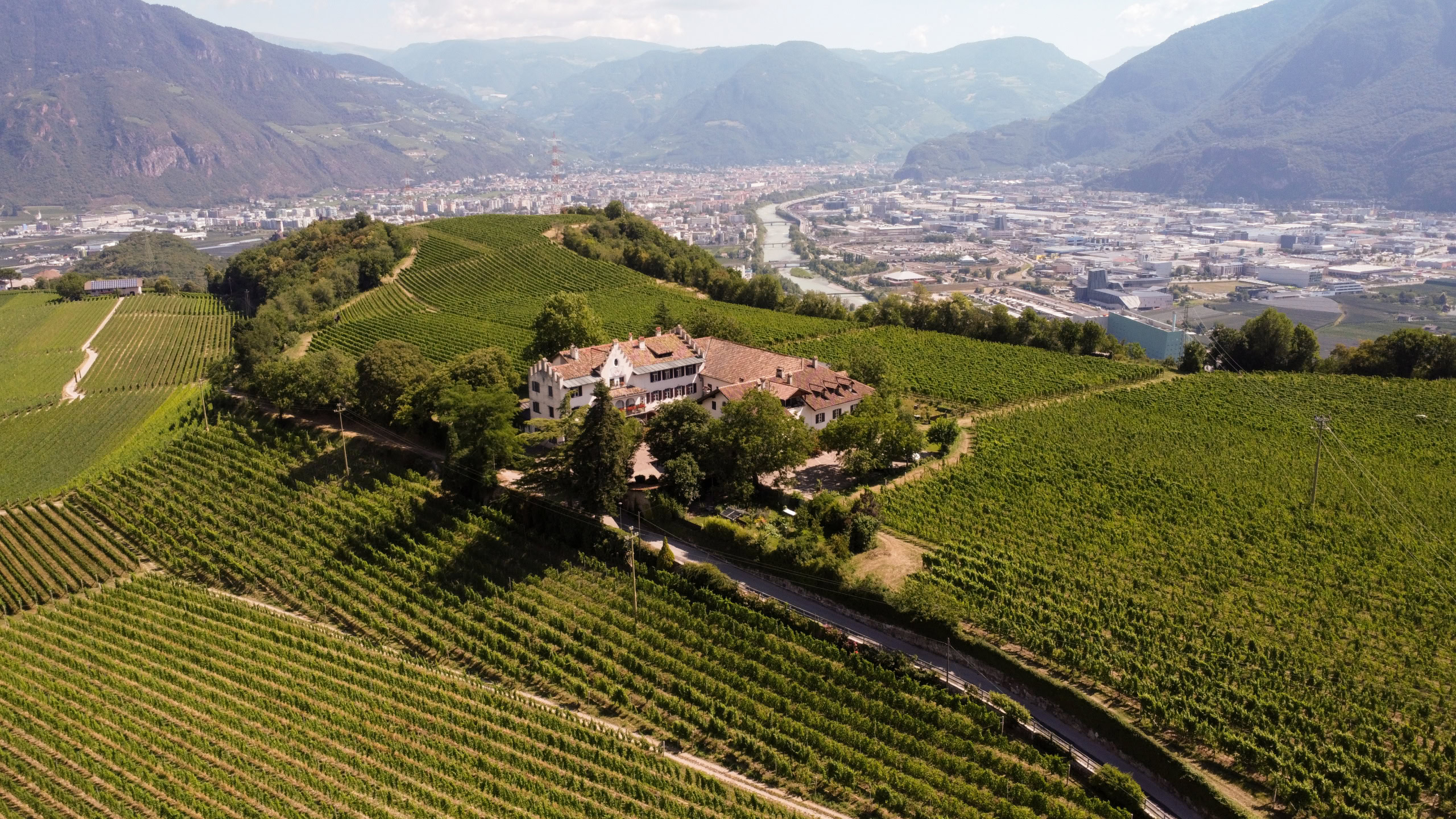
Luckily, Petite Arvine Likes It Hot
As more cool-climate regions like Germany's Mittelrhein seek grapes that can beat the heat, the rare Swiss variety Petite Arvine offers a surprising possibility.

Naturally, we’re focussed on German-Speaking Switzerland here. And yes, that’s the actual name of the region! Although less than a quarter of Swiss wines come from the cool, high vineyards in this Alpine area, we find this fraction most compelling. Pinot Noir makes up half the plantings. If you’ve had Swiss Pinot, you know exactly why this is such an exciting statistic. The Swiss are also in the forefront of organic and biodynamic viticulture, making this an excellent region to explore if you’re going green.
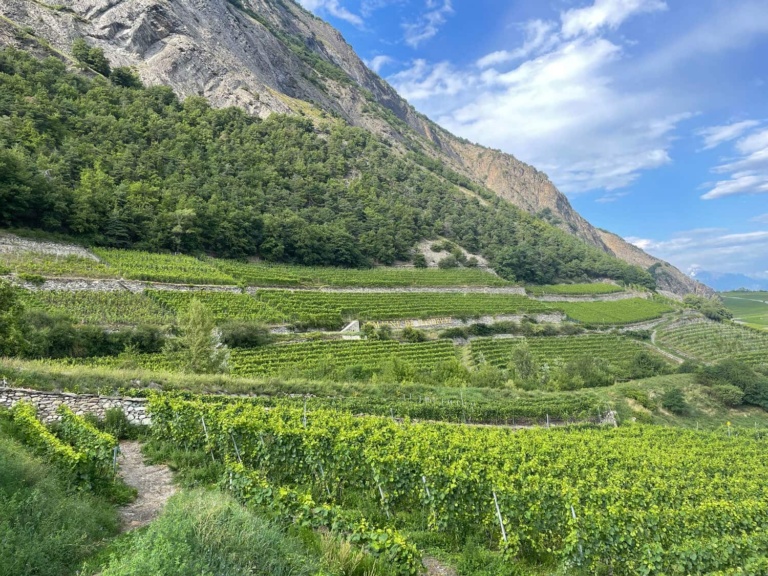
As more cool-climate regions like Germany's Mittelrhein seek grapes that can beat the heat, the rare Swiss variety Petite Arvine offers a surprising possibility.
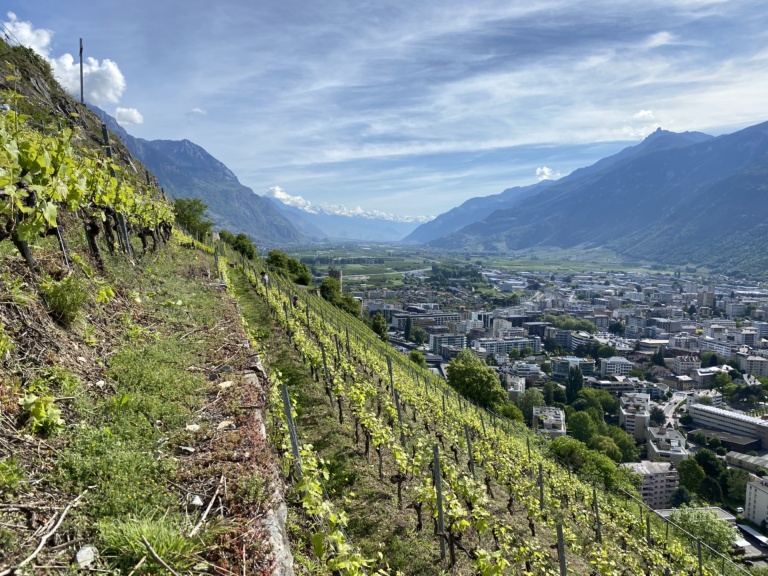
The question is no longer whether Syrah belongs in Wallis, but what kind of Alpine Syrah the region will make its own.

My socials fill up with harvest photos at this time of year. It’s joyful and a bit primal. Nature controls the parameters of how and when, no matter how hard we try to predict and plan. The act of picking grapes initiates an even more fundamental process. Fermentation is to wine what oxygen is to humans. It’s both essential and deadly at the same time. There is no wine without it, yet fermentation’s transformative effects can destroy as readily as they create. It’s a kind of magic. Smoke, Stinks and Magic It’s magic because you start with fresh fruit, then…...

Editors’ Note: Data open tantalizing invitations to speculation. Wine economist Dr. Karl Storchmann of the American Association of Wine Economists is a master at collecting information, presenting it in clear, compelling graphics, and stepping away to allow each of us to draw our own conclusions. When he looked at wine, beer, and spirits consumption in three of TRINK’s coverage zones over the past century, he found striking disparities and a surprising convergence. What story do they tell you? Per capita wine consumption in Austria, Germany, and Switzerland has fluctuated significantly since the late 19th century (see Figure 1). Switzerland has…...

In a country that consumes 99 percent of its own wine, finding a restaurant that has an extensive Swiss selection is easy, but finding a restaurant that exclusively features all the wineries and wines of a single appellation is rare. Alter Torkel in Jenins, a village in Graubünden, in eastern Switzerland, somehow miraculously fits the bill. It may not be the first restaurant to put wine before food, but I have yet to come across one that takes this philosophy to such extremes. As a balmy foehn and radiant late-winter sun warm the crisp mountain air, the terrace at Alter…...

One of the biggest trends in wine over the past two decades has been an increased interest in expressing origin. Organizations like the Verband Deutscher Prädikatsweingüter (VDP) in Germany and the Österreichische Traditionsweingüter (ÖTW) in Austria have both shaped and surfed this wave to the extent that their vineyard classifications — in both cases private initiatives — are now being codified into national law. Switzerland has no comparable organization. The one that comes closest, Mémoire des Vins Suisses, was founded more than 30 years ago, with the aim of proving that Swiss wines can age. Does this mean Swiss wines…...
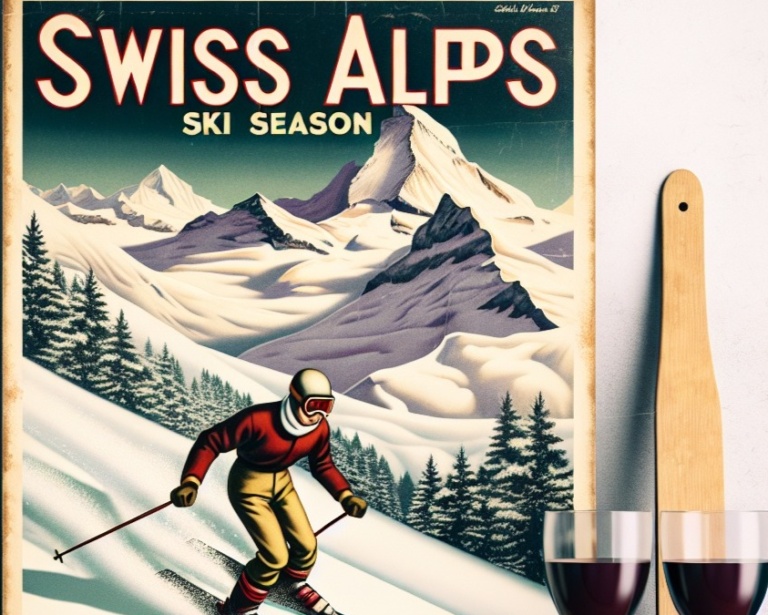
In most wine regions, it’s common to think of harvest as the season’s grand finale, giving way to a quieter period spent in the winery and cellar. For Switzerland’s premier winemaking cantons of Wallis and Graubünden, however, the wine is barely in barrels before these regions face an even busier time: ski season. In Switzerland, skiing and tourism are intertwined, notwithstanding a strong domestic affinity for the sport. The practice in its modern form was imported from Norway in the 1890s. It was initially embraced by members of the British upper class taking winter holidays in resort areas such as…...
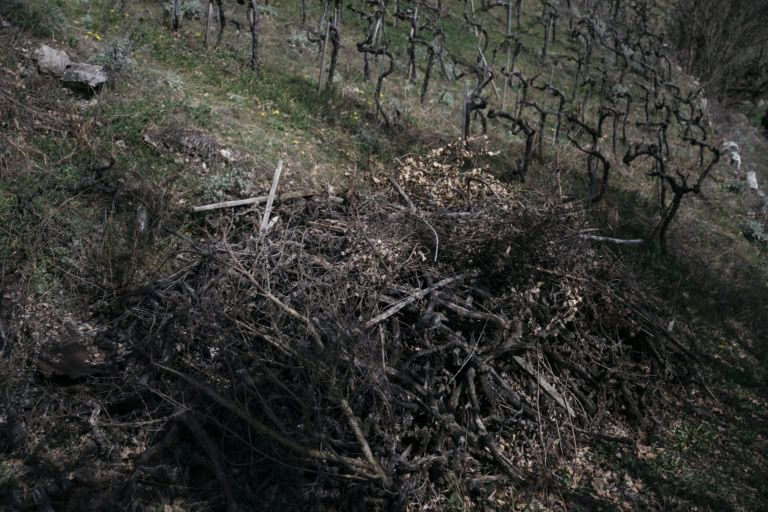
This article is adapted from Natural Trailblazers: 13 Ways to Climate-Friendly Wine, to be published on 21 October 2024 and currently available for pre-order. In the Swiss Alps, husband-and-wife Romaine and Hans-Peter Schmidt have created an island for humans and animals, insects and microbes to thrive in a sea of conventional vineyards. A combination of no-till, green manure, vitoforestry, and biochar makes their legendary winery Mythopia carbon neutral in the vineyard. I’m outside a bakery in Sion, with a view of the railway tracks and the snowy peaks on the horizon. It’s a surreal combination of nature and industry. A…...
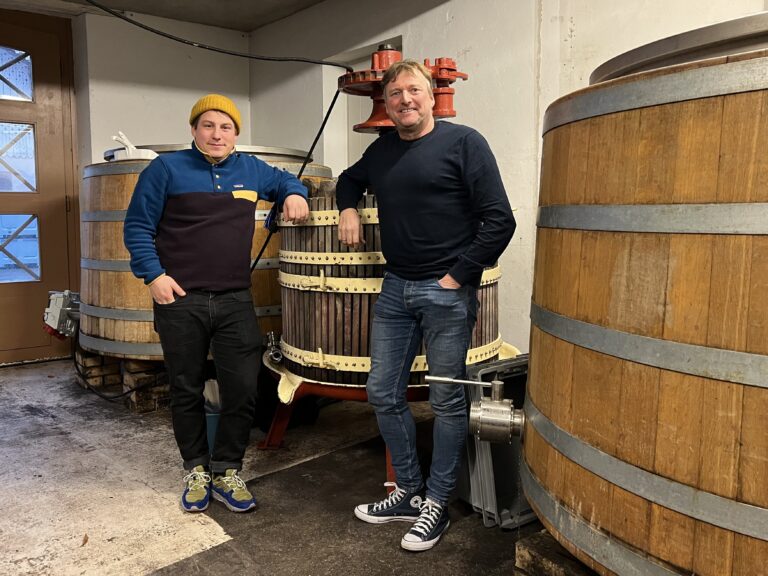
A Swiss winery benefits from the touch of the master of Markgräflerland.
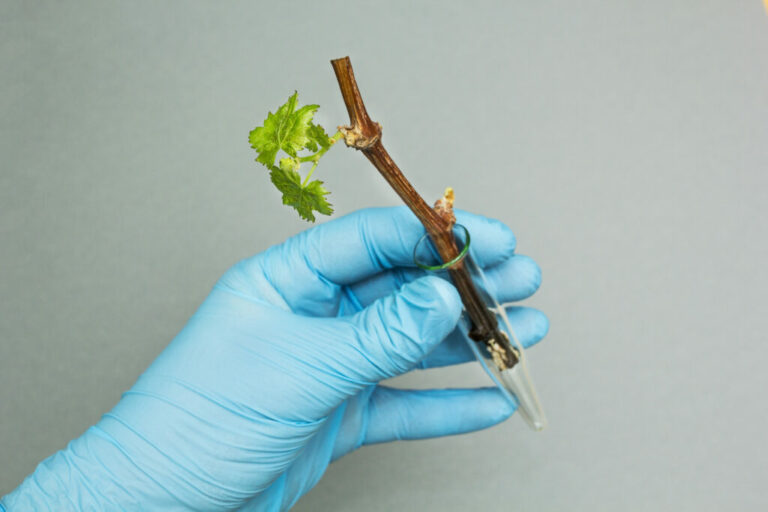
With a third generation of fungus-resistant hybrid wine grapes in development, are we poised for a breakthrough in the spread of so-called PIWIs? Will the quest for an alternative to disease-prone Pinot Noir finally bear fruit? Swiss researchers, breeders, nurseries, and winemakers are at the forefront of this effort. For an increasing number of vintners, traditional grape growing with seven to 12 rounds of spraying annually has become unsustainable. For some, organic farmingisn’t the answer. Because organic agents work superficially and wash off with rain,they must be applied more frequently. This requires more labor and more passes through the vineyard,…...

Archetype, a Portland, Oregon-based import start-up, is focused on Alpine wines. They are refining consumer's understanding of the category and building community near and far.
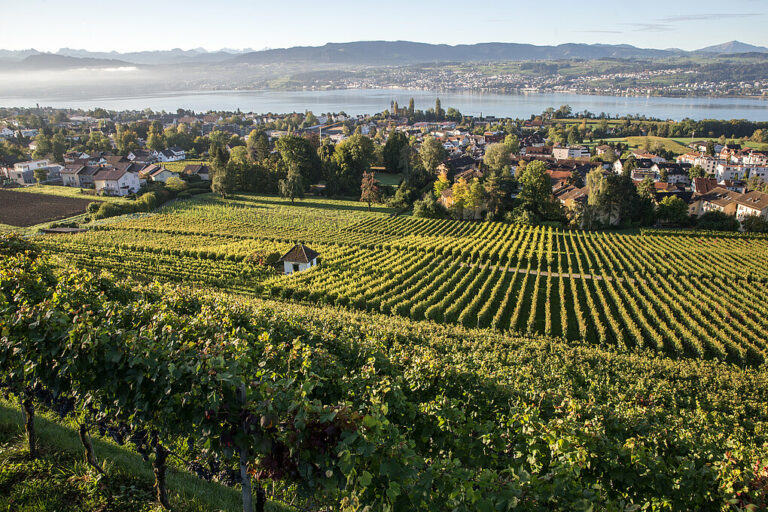
Räuschling isn’t just wonderfully umlauted, it’s also one of the most exciting autochthonous white wine varieties in German-speaking Switzerland. This became clear to me on a March afternoon in 2015. I had accepted an invitation from Mémoire des Vins Suisses to come to Zürich and take part in a Räuschling vertical tasting — featuring vintages that stretched back to 1935 — at Weingut Schwarzenbach in Meilen on Lake Zürich. Since then, I taste every Räuschling I can get my hands on. The lively acidity, fine citrus aromatics, and aging potential of this rare variety fascinate me over and over. Native…...
Trink Magazine | Valerie Kathawala hazards forecasts for the future of wines from Alto Adige-Südtirol, Austria, Germany, and German-speaking Switzerland.

“The Foehn wind is a real affineur of grapes . . .” from the diary of Weingut Bründlmayer Evidence from wine regions everywhere suggests that if cool climate viticulture is to survive, then it must move north — or, in Switzerland’s case, up. Warming temperatures in formerly marginal regions such as Burgundy and Piedmont now require changes in viticulture and/or additions to the permitted roster of grapes just to keep up. Even with successful change, however, the freshness, delicacy, and intricate architecture we love in Pinot Noir and Nebbiolo may be harder to come by. By contrast, Switzerland and parts…...

The world of sparkling wines is changing for the better. The number of producers approaching this beverage in serious, artisanal, and creative ways continues to climb. “Grower Sekt” from Austria and Germany is very much en vogue. We are witnessing a tremendous push to quality. For a long time, “mass over class” was the motto, especially in Germany. But for a new generation, awareness of terroir and a trend toward reducing residual sugar are increasingly the focus. No stone has been left unturned in Austria, either. For several years, Austrian Sekt has been governed by a three-tiered quality pyramid: “Sekt…...
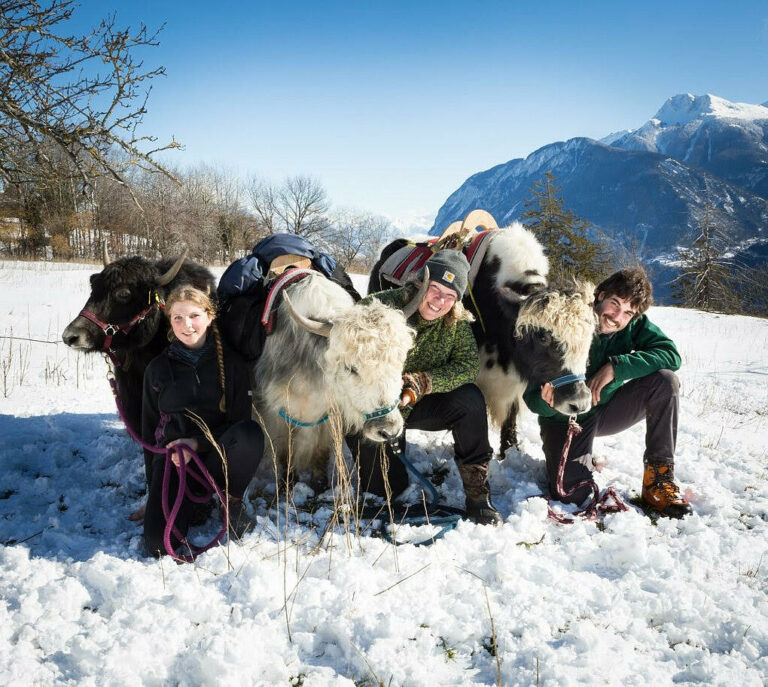
There’s no “yak crossing” sign in front of Caves du Paradis. Nevertheless, in September cars and trucks on the busy industrial road at the edge of Sierre, Switzerland were forced to cede to sturdy yaks trekking from the vines across to the Paradis cellar, their broad backs loaded with ripe Gamay grapes. The yaks appeared to enjoy their new temporary jobs, unusual work for a yak, who normally tills or treks. The pickers in the vineyard quickly made friends with the quiet, gentle creatures, recalls winery owner Olivier Roten, once they realized that the long horns would not get in…...
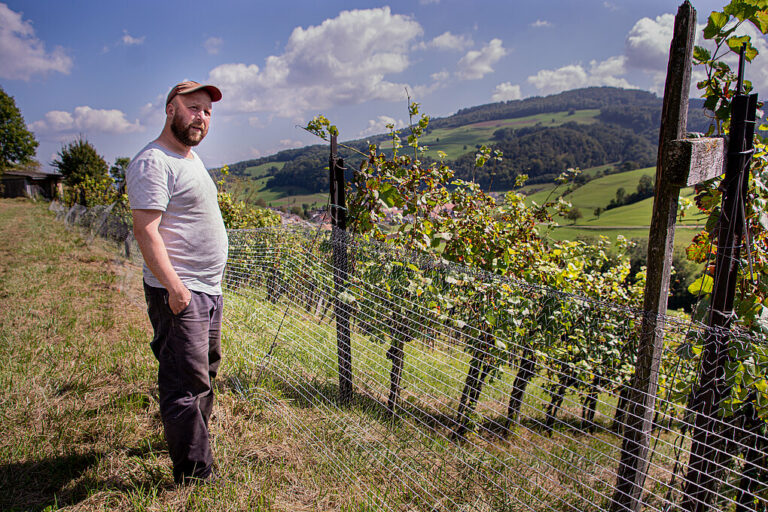
Trained mason Tom Litwan began crafting elegant yet edgy, biodynamic, low-intervention Pinot Noirs and Chardonnays in Switzerland’s Aargau back in 2006. Today his wines play in the same league as top French and German producers. Normally, the Aargau is better known for its notoriously jammed locations along the A1 highway connecting Zürich with Bern and French-speaking Switzerland. The canton’s sole claim to gustatory fame is a carrot cake, Aargauer Rüeblitorte. Litwan’s decision to make wine here may initially surprise, but looking a bit closer, it actually makes a lot of sense. Before phylloxera bedeviled the old world at the end of…...
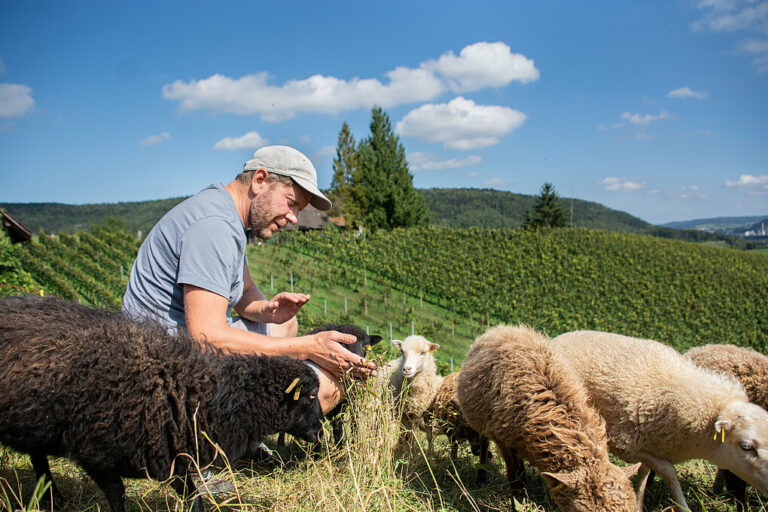
Hoss Hauksson is transforming his Pinot Noir vineyards in the Swiss Aargau into havens of ecological diversity.