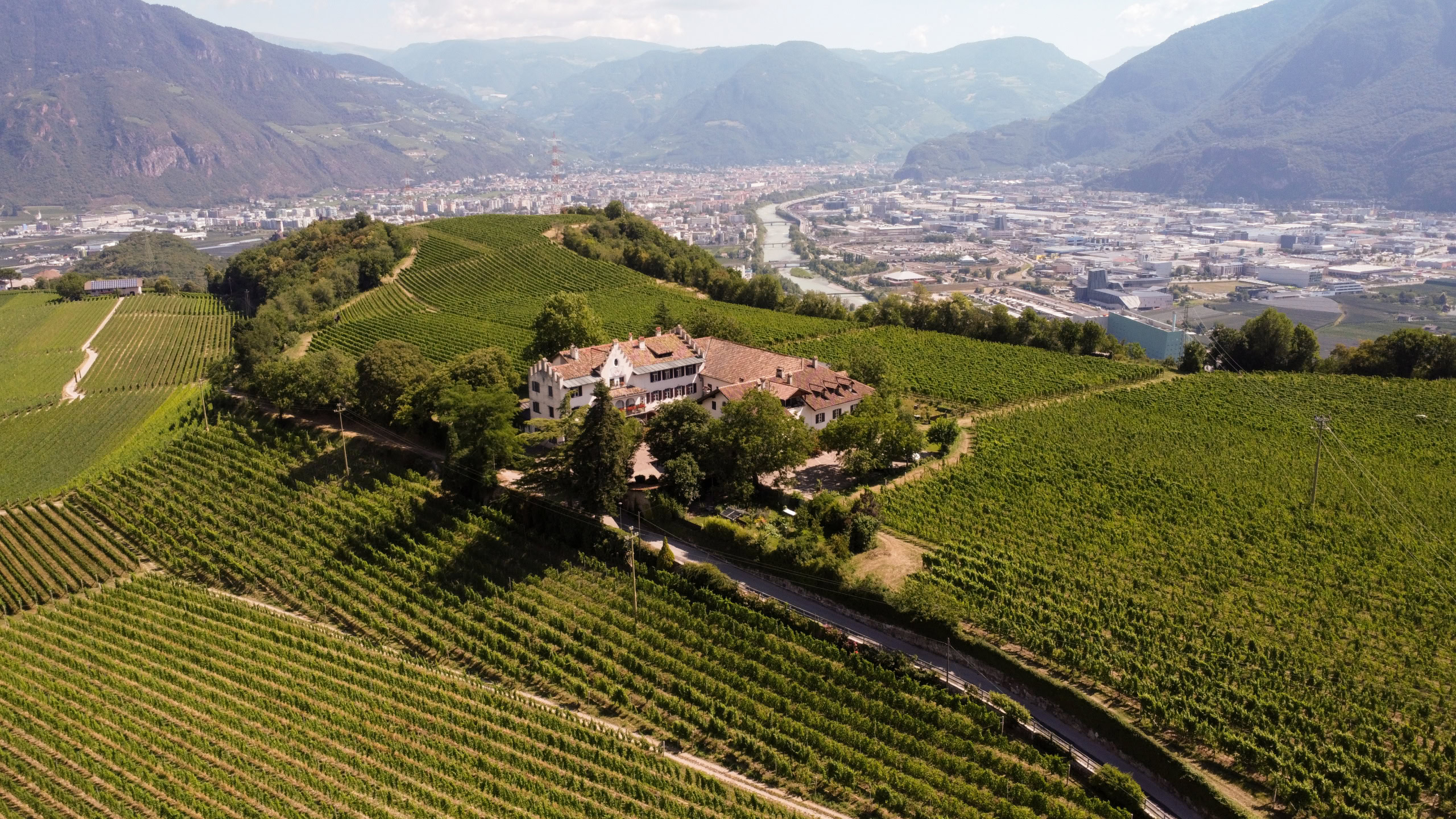
A Short Guide to Swiss Syrah (The Wallis Edit)
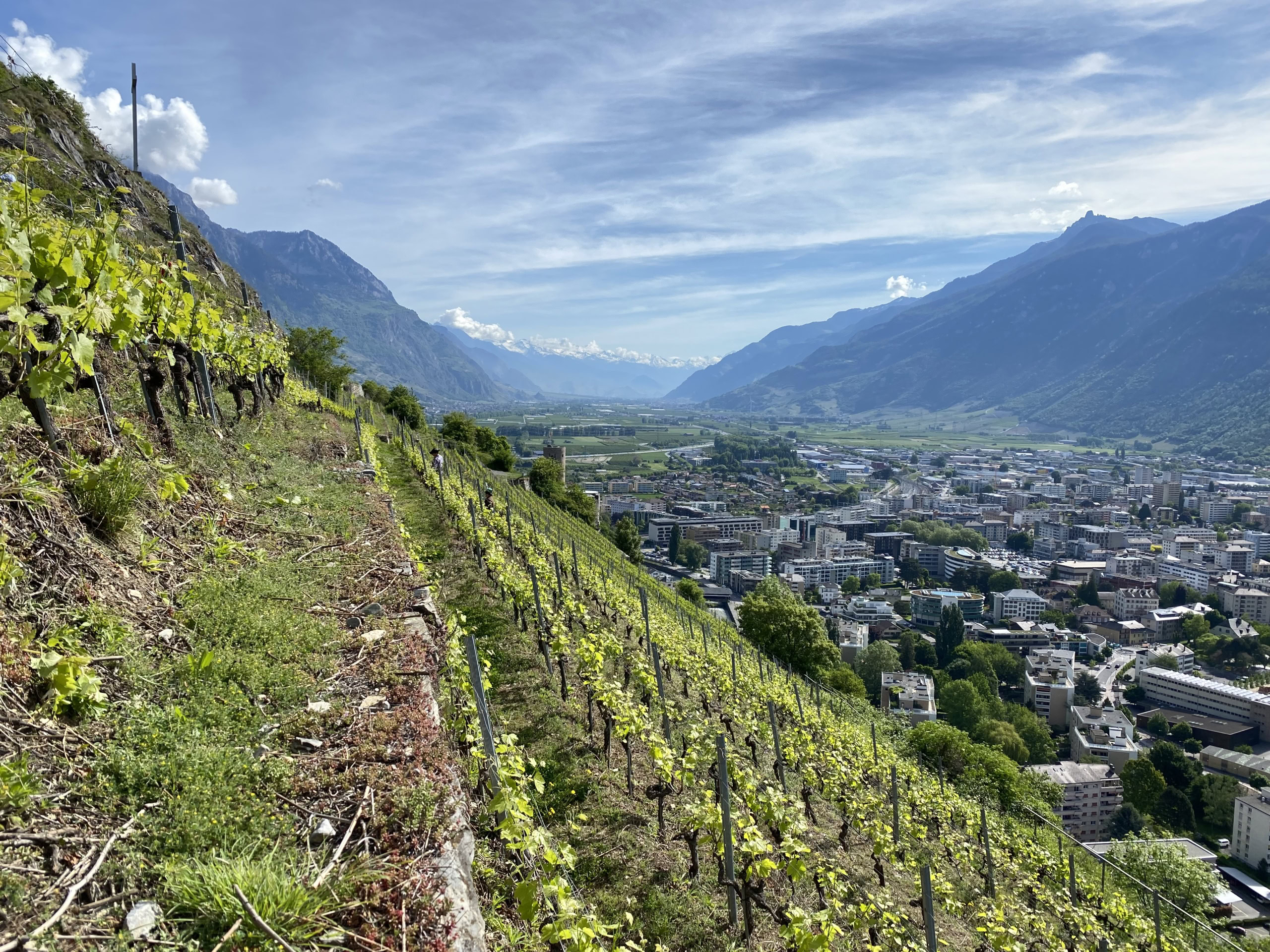
Vineyards of Wallis, photo credit: Gerald Besse
The question is no longer whether Syrah belongs in Wallis, but what kind of Alpine Syrah the region will make its own.

The question is no longer whether Syrah belongs in Wallis, but what kind of Alpine Syrah the region will make its own.

Writer
A geographer by training, Bart’s understanding of soil, geomorphology, and climate, important factors in winemaking, was kindled at an early age. But it was his move to Basel, on the doorstep of Baden and Alsace, that really stirred up his interest for wine. Since his studies at the Austrian Weinakademie, wine has been his profession. Apart from writing for several European publications, such as Perswijn (NL), Apéritif (Norway), Metropole (Austria), Bart organizes wine trips and moderates tastings. An avid amateur flautist, Bart is also very honored to be writing the English program notes for the Sinfonieorchester Basel for the fourth season running.
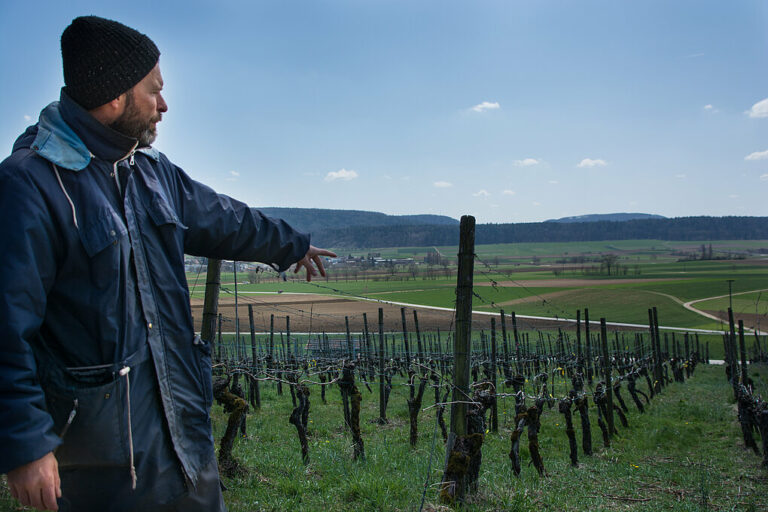
Swiss wines remain rare on the international wine scene. But a new generation of talent committed to uncompromising work and meaningfully sustainable viticulture is slowly changing this. Markus Ruch has been cultivating his own vineyards in the Klettgau, part of Switzerland’s northernmost canton, since 2007. He is widely credited with producing the first Swiss natural wines and leads the movement today. His Pinot Noirs and orange Amphore are served from NOMA in Copenhagen to Konstantin Filippou in Vienna. Ruch’s wines are classy. With a twist. For those less familiar with Swiss geography, the canton of Schaffhausen is situated north of…...
The world of sparkling wines is changing for the better. The number of producers approaching this beverage in serious, artisanal, and creative ways continues to climb. “Grower Sekt” from Austria and Germany is very much en vogue. We are witnessing a tremendous push to quality. For a long time, “mass over class” was the motto, especially in Germany. But for a new generation, awareness of terroir and a trend toward reducing residual sugar are increasingly the focus. No stone has been left unturned in Austria, either. For several years, Austrian Sekt has been governed by a three-tiered quality pyramid: “Sekt…...
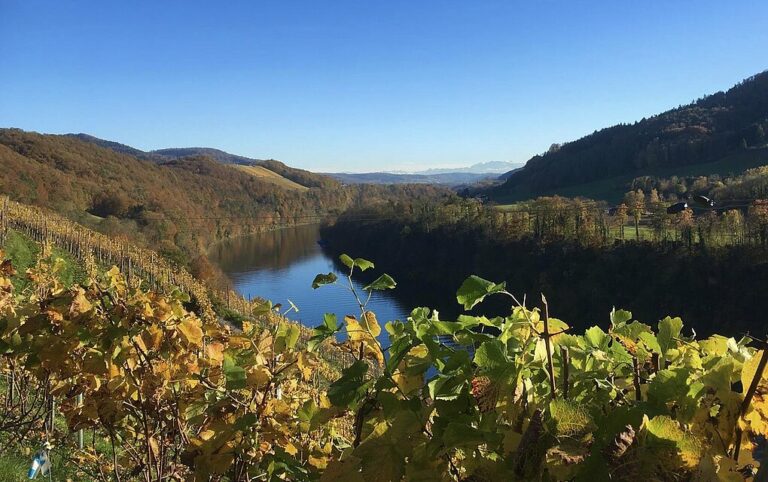
Every guide to Swiss wine begins with the same emphatic but overly simple premise: there are six wine regions in Switzerland. That means one of them, Deutschschweiz, is forever miscast as a single entity, even though it encompasses 19 cantons and covers two-thirds of the nation’s surface area. Meanwhile, four of the other official regions are single cantons — Geneva, Vaud, Valais, and Ticino — each with its own story to tell; a sixth — the Three Lakes region — is geographically contiguous, linguistically mixed and, while quite small, celebrated for its diversity. Why, I ask, is there so little…...
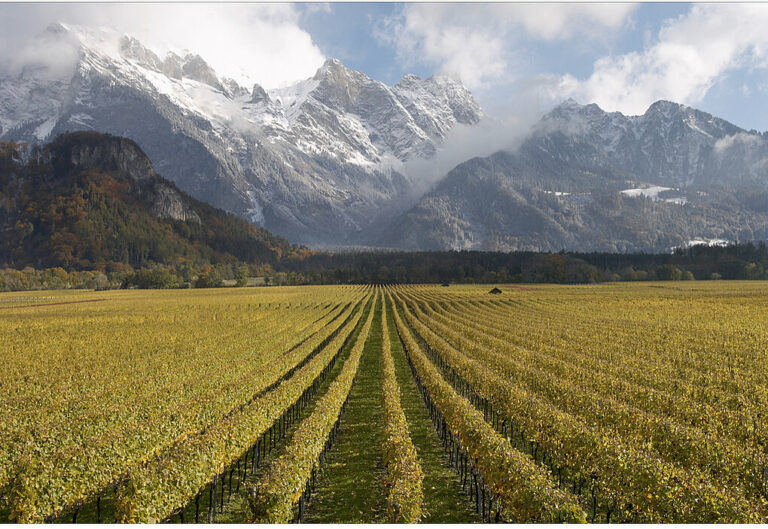
For most of us, it would be easier to climb the Matterhorn in flip-flops than to lay hands on a bottle of wine made by Daniel and Martha Gantenbein. The couple painstakingly grow and make minute quantities of Pinot Noir, Chardonnay, and Riesling on 6 hectares of high Alpine valley in German-speaking Switzerland. Before the wines have even been bottled, each and every one is already sold to long-time customers. How has this modest couple, working in unheralded terrain, become the emblem of Swiss wines par excellence? After nearly 40 vintages, Daniel and Martha have fine-tuned every element within their control — from…...
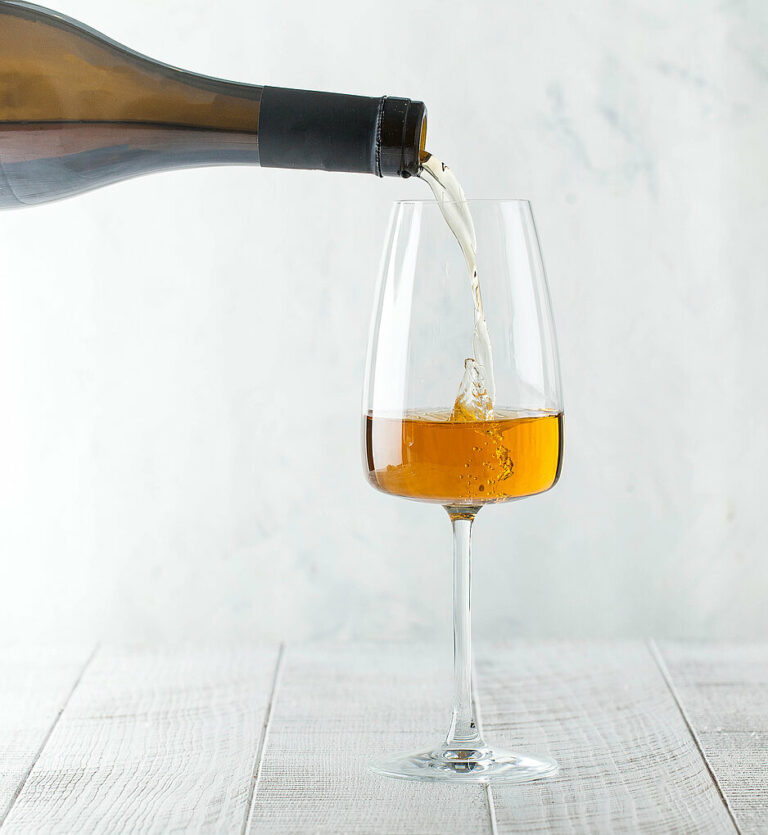
Skin-contact white wines may have their revolutionary roots in Georgia, Slovenia, and Friuli, but the umlaut zone also stakes a strong claim for orange expressions. Austria was an early and highly successful adopter (think Tschida and Tscheppe, Muster and Meinklang). For this, thank geographic proximity, shared traditions, a former empire’s worth of fascinating white varieties, and the remarkable open-mindedness of producers, especially in Styria and Burgenland. Germany came later to the game. The country has been slower to embrace natural and experimental styles generally and its signature variety, Riesling, requires an exceptionally deft hand to succeed in skin-fermented form. However, German…...
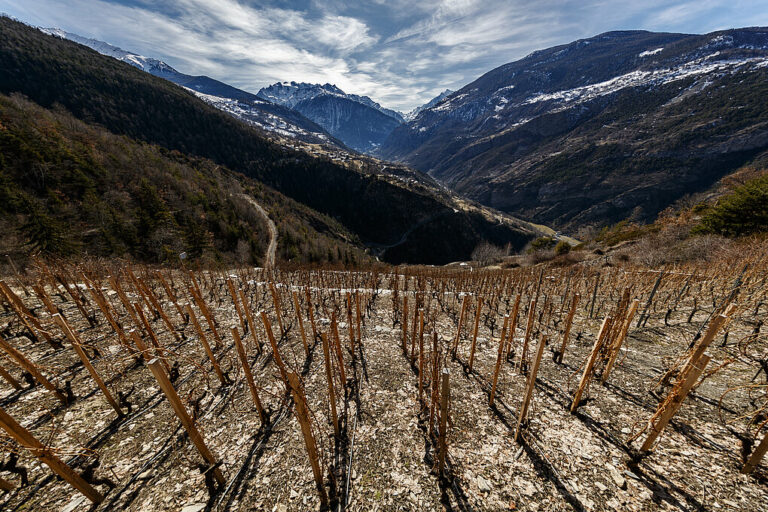
Heida is an old variety with a modern freshness planted in the Swiss Valais heights of the Visperterminen.
© 2026, TRINK Magazine. No portion of this article may be copied, shared or re-distributed without prior consent from TRINK.