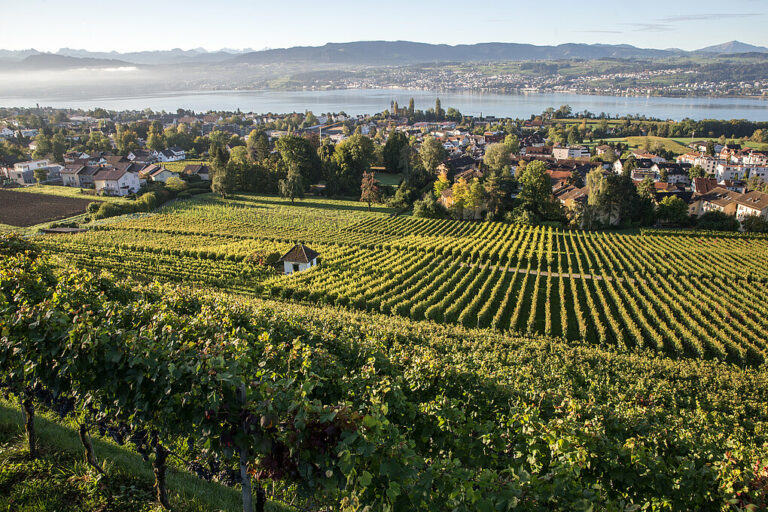
In a country that consumes 99 percent of its own wine, finding a restaurant that has an extensive Swiss selection is easy, but finding a restaurant that exclusively features all the wineries and wines of a single appellation is rare. Alter Torkel in Jenins, a village in Graubünden, in eastern Switzerland, somehow miraculously fits the bill. It may not be the first restaurant to put wine before food, but I have yet to come across one that takes this philosophy to such extremes. As a balmy foehn and radiant late-winter sun warm the crisp mountain air, the terrace at Alter…
A geographer by training, Bart’s understanding of soil, geomorphology, and climate, important factors in winemaking, was kindled at an early age. But it was his move to Basel, on the doorstep of Baden and Alsace, that really stirred up his interest for wine. Since his studies at the Austrian Weinakademie, wine has been his profession. Apart from writing for several European publications, such as Perswijn (NL), Apéritif (Norway), Metropole (Austria), Bart organizes wine trips and moderates tastings. An avid amateur flautist, Bart is also very honored to be writing the English program notes for the Sinfonieorchester Basel for the fourth season running.
Räuschling isn’t just wonderfully umlauted, it’s also one of the most exciting autochthonous white wine varieties in German-speaking Switzerland. This became clear to me on a March afternoon in 2015. I had accepted an invitation from Mémoire des Vins Suisses to come to Zürich and take part in a Räuschling vertical tasting — featuring vintages that stretched back to 1935 — at Weingut Schwarzenbach in Meilen on Lake Zürich. Since then, I taste every Räuschling I can get my hands on. The lively acidity, fine citrus aromatics, and aging potential of this rare variety fascinate me over and over. Native…...
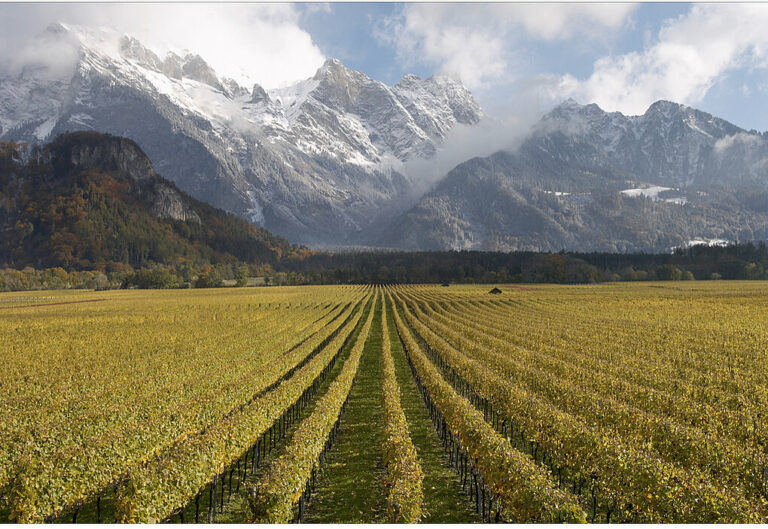
For most of us, it would be easier to climb the Matterhorn in flip-flops than to lay hands on a bottle of wine made by Daniel and Martha Gantenbein. The couple painstakingly grow and make minute quantities of Pinot Noir, Chardonnay, and Riesling on 6 hectares of high Alpine valley in German-speaking Switzerland. Before the wines have even been bottled, each and every one is already sold to long-time customers. How has this modest couple, working in unheralded terrain, become the emblem of Swiss wines par excellence? After nearly 40 vintages, Daniel and Martha have fine-tuned every element within their control — from…...
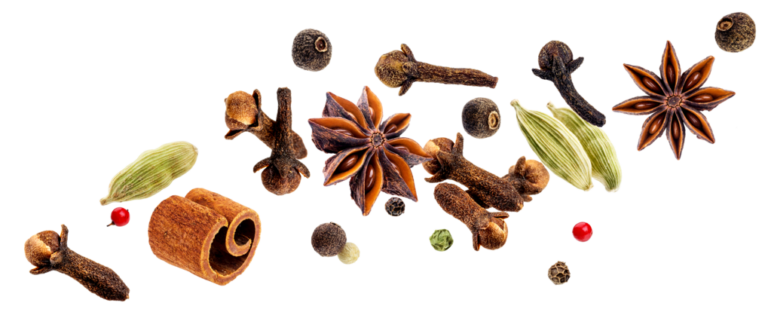
Picture yourself at a German holiday market (if such things were happening in 2020) — a mug of glühwein in hand and the scent of fresh pfeffernuss cookies in the air. It’s no surprise that these warm, spicy aromas are key attributes in many wines from Germany and Austria, South Tyrol, and the German-speaking parts of Switzerland. And there’s a hidden world of compounds and precursors to thank for this distinctive and alluring range. Much like a chef in the kitchen, growers can influence the aromatic and flavor complexity of their wines by playing with soil type, exposition, vine age,…...
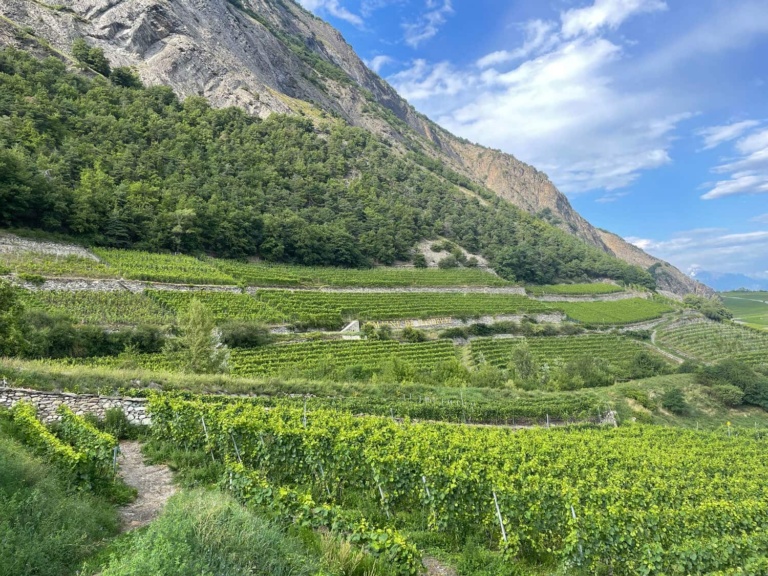
As more cool-climate regions like Germany's Mittelrhein seek grapes that can beat the heat, the rare Swiss variety Petite Arvine offers a surprising possibility.
Archetype, a Portland, Oregon-based import start-up, is focused on Alpine wines. They are refining consumer's understanding of the category and building community near and far.
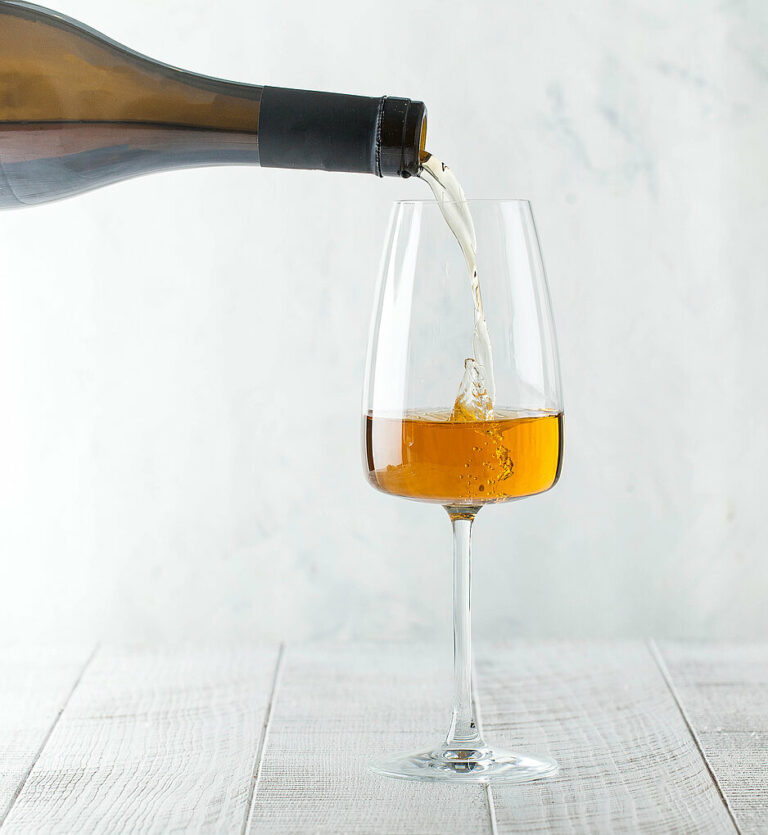
Skin-contact white wines may have their revolutionary roots in Georgia, Slovenia, and Friuli, but the umlaut zone also stakes a strong claim for orange expressions. Austria was an early and highly successful adopter (think Tschida and Tscheppe, Muster and Meinklang). For this, thank geographic proximity, shared traditions, a former empire’s worth of fascinating white varieties, and the remarkable open-mindedness of producers, especially in Styria and Burgenland. Germany came later to the game. The country has been slower to embrace natural and experimental styles generally and its signature variety, Riesling, requires an exceptionally deft hand to succeed in skin-fermented form. However, German…...