Words are like viruses. They appear in culture and may lie dormant then suddenly they are everywhere, swirling about, adapting to their hosts, mutating to survive. In the wine world, this process can happen fast. “Purity,” it turns out, is anything but pure.
Evan P. Spingarn has worked in wine for 30+ years as an educator, consultant, writer, retailer and wholesaler. He is currently the senior salesperson and German portfolio manager for David Bowler Wine. Evan is a fourth generation New Yorker and lives in Brooklyn with his wife Kate, their daughter Nora, and an extensive Chinese takeout menu collection.
The Jewish State was proclaimed in 1948; the Federal Republic of Germany founded a year later. There was a pregnant pause when many wondered if West Germany would acknowledge the past. In 1951, Chancellor Konrad Adenauer acknowledged Germany’s “unspeakable crimes toward Jewish people.” The spell of silence was broken, and Israeli Prime Minister David Ben-Gurion and Adenauer began the long, painful, still unfinished journey toward healing. In the decades since, the people of Germany and Israel have followed their lead, with financial and cultural exchanges that each serve as a profound demonstration of human transcendence. It’s clear we have much…...
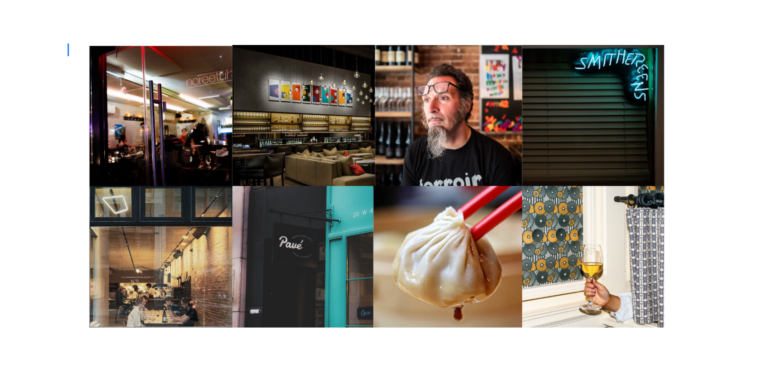
Whether you’re dropping into town for the bacchanalia that is Rieslingfeier or you’re a native New Yorker curious to get a taste of the latest and greatest in German and Austrian wines, here’s your hit list of bars and restaurants that make NYC the country’s best (if priciest) city to drink auf Deutsch. Updated November 2025 to remove Koloman, which has closed. G = German focus A = Austrian focus Noreetuh (G) Manager and co-owner Jin Ahn has turned this decade-old Lower East Side Hawaiian spot into the city’s ultimate insider Riesling hangout. Ahn’s exceptionally well-informed list is divided into Rieslings…...
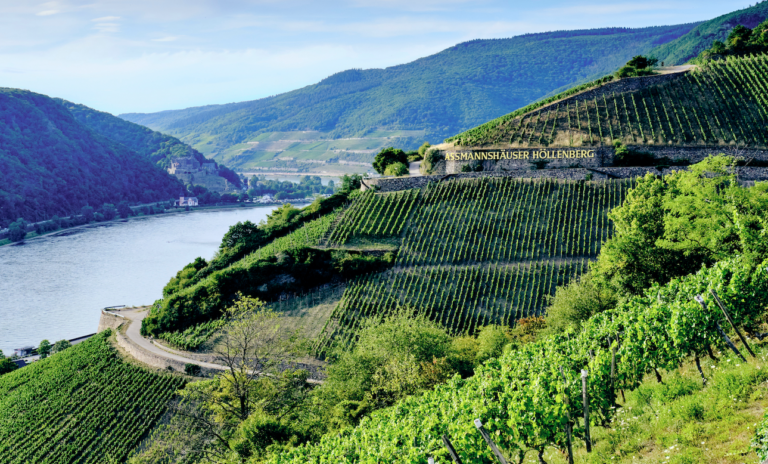
The Rheingau. A small, splendidly historic region of aristocratic estates and superb terroir awaiting an energizing charge. The steady ship in Germany’s often storm-tossed seas, navigating a course of admirable quality through the centuries. Its large estates set global benchmarks; its noble mien, iconic landscapes, and heralded vineyards have always set it apart. In recent times, however, the Rheingau’s identity has become somewhat obscured by the dominance of large, in some cases impersonal estates and global warming has diminished its long-held prominence as one of the few German wine regions capable of achieving consistent ripeness. If it is often described as “underachieving,” the word does hint at…...
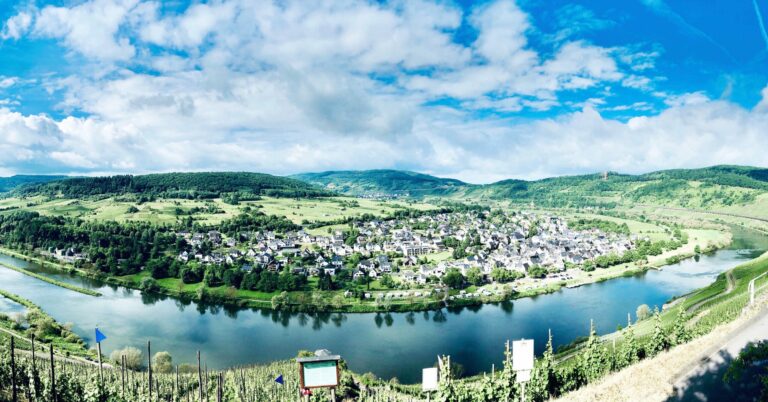
The Mosel, Germany’s oldest winegrowing region, knows how to beguile. The Rheingau swathes itself in the trappings of nobility, Baden boasts of its sunshine, the Mittelrhein beckons with Romanticism. The Mosel, however, reaches straight for myth. There are many recaps of the growing region readily available, so let’s focus on something else instead: what makes the Mosel unique — now, then, and, likely, in the future. Not for nothing is the biggest annual wine fair along the Mosel River entitled “Mythos Mosel.” The name, and the event itself, attest to the enduring power the Mosel holds in the imagination of the wine-drinking…...
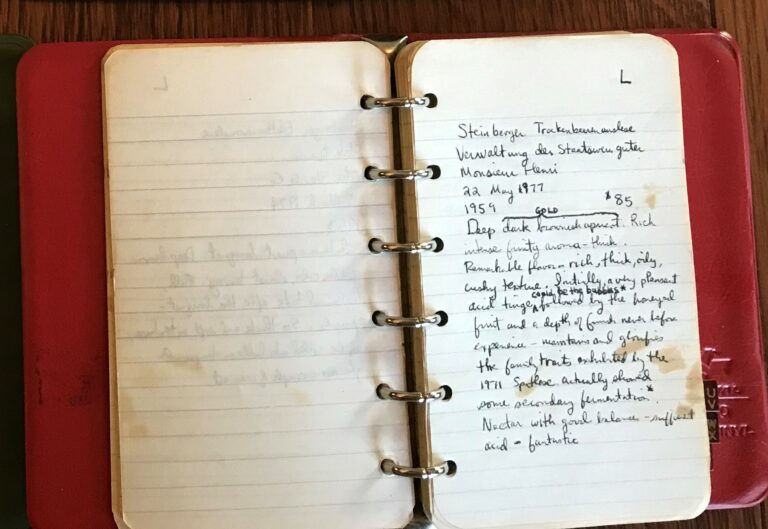
My twenty-something self left two gifts for the older man I would become: a doctorate in applied mathematics and four small, looseleaf notebooks. The degree opened many doors and reinforced my ability to do independent research, perform analyses, and document the results. The notebooks, along with labels from many of the bottles, form an archive of my first decade tasting wine. Between 1969 and 1979, a period covering my student and early career years, I kept detailed notes on almost everything I tasted. During most of that time, I lived in Evanston, Illinois. It was dry until 1975, necessitating runs…...