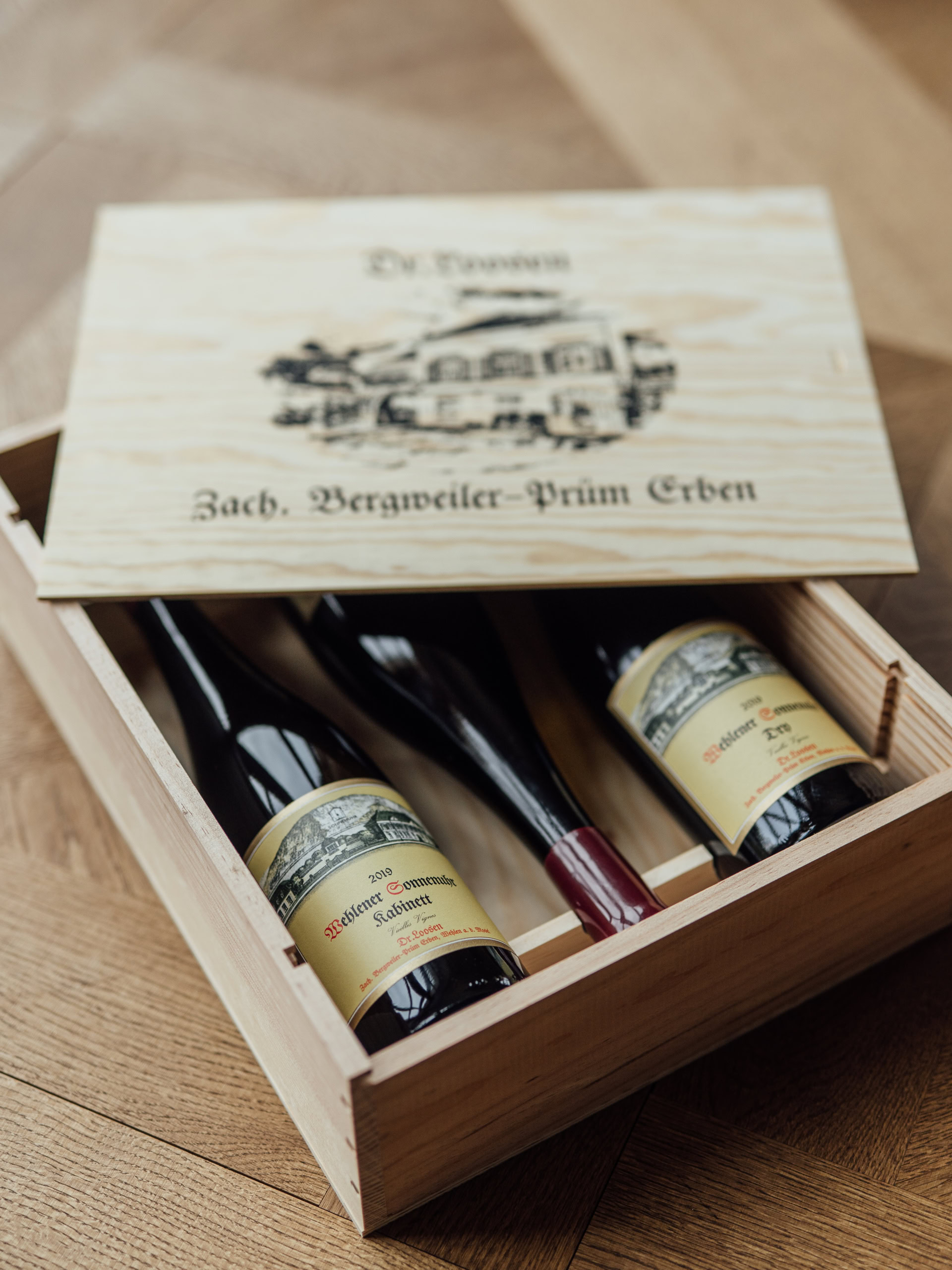
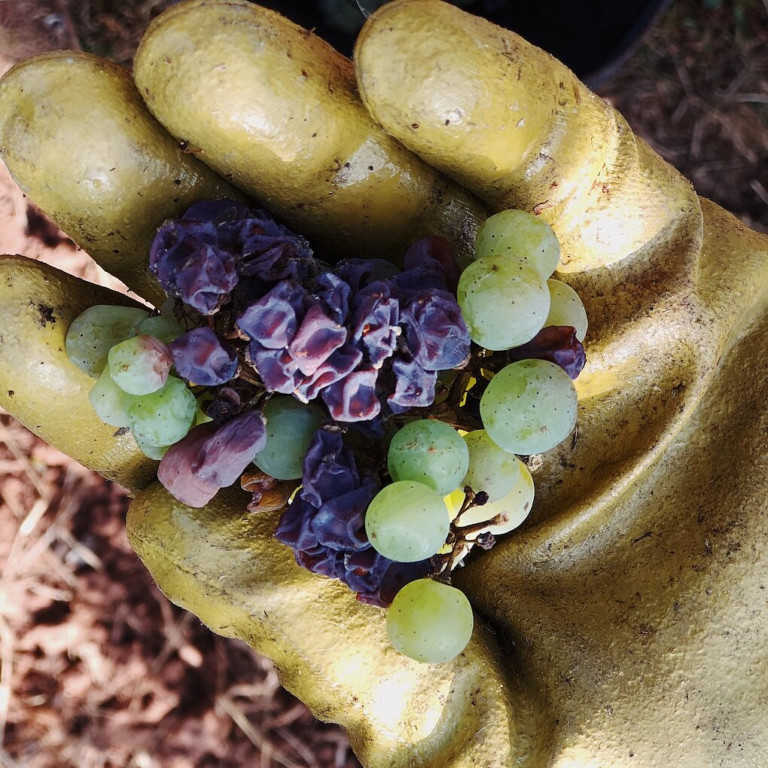
The resurrected Zach. Bergweiler-Prüm Erben wines from Weingut Dr. Loosen offer a new definition of Mosel Riesling: one where the winemaker’s role is found in surrender, not forged by control.
Paula Redes Sidore moves smoothly between the worlds of wine and words. In 2012, she founded Weinstory, a creative content and translation agency dedicated to transposing the world of German-speaking wine into English. TRINK is the natural extension of that pursuit. She is the German and Austrian regional specialist for jancisrobinson.com and a member of the Circle of Wine Writers. Paula has a Masters degree in fiction writing, and her work has been featured in jr.com, Sevenfifty Daily, Feinschmecker, and Heated. She lives on the northern wall of wine growing with her family in Bonn, Germany.
It is Friday night and I’m terrified. In 24 hours, a top sommelier is coming to our house for dinner. A sommelier who puts together the wine lists for a global restaurant group; a sommelier who has spent over 30 years training more somms than I’ve seen typos on a wine list; a sommelier who matches food and wine the way the rest of us match our Sunday outfits. And tomorrow, I’m responsible for the wine. My wife draws up a shopping list for the meal, blissfully unconcerned. “We’re not a restaurant,” she says, “why should she expect Michelin-starred cooking?”…...
People imagined him to be an alchemist. Granted, it wasn’t gold his slender hands were currently molding, rather a gleaming tinted zinc capsule, encompassing perfect angles and gracing the long slender neck of a curvaceous body. While such language might seem passé in 2021, the characters who regularly participated in such frolics were not. Many were successful, most of them hailing from families older than the states whose passports they’d carry in their bespoke suits. Make no mistake: even here, the wealthier they were, the less attention to proper attire; and don’t let us get started on the unshaven angel…...
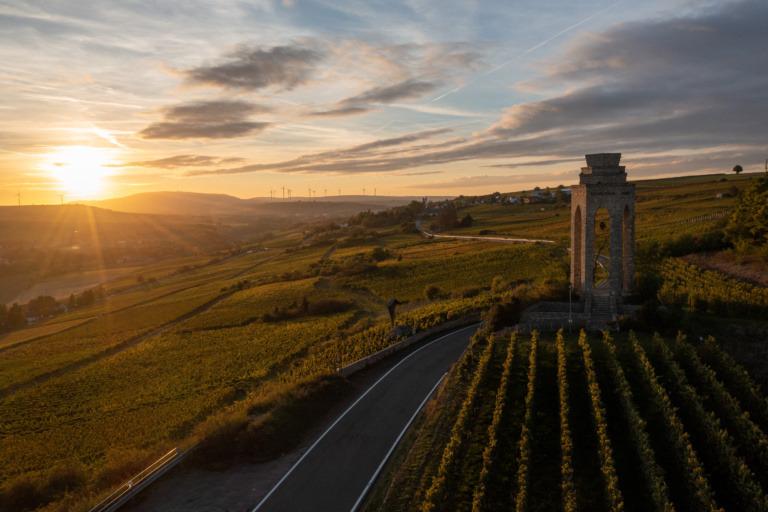
The one piece of German wine law I thought I fully understood was the Prädikat system. First, I memorized the Prädikat levels. Later, I memorized the minimum must weights. I pushed aside my frustration that the sweetness of a wine did not correspond with Prädikat level — accepting that residual sugar wasn’t part of the system. Before visiting Germany, I never expected that the lack of consistency in sweetness for Prädikat wines would be an ongoing point of tension in the very country that came up with the system. Or, that by prioritizing origin over Oechsle degrees, Germany’s renowned wine organization Verband Deutscher Prädikatsweingüter (VDP) would in essence dismiss the…...
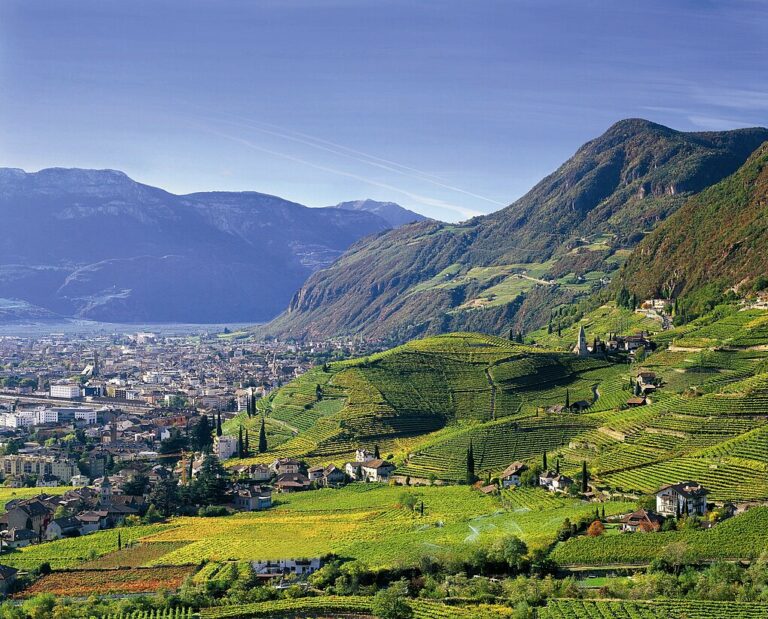
Trink Magazine | St. Magdalener represents perhaps the most powerful and structured of the many Vernatsch expressions in Alto Adige and constitutes an important part of the region’s identity. By Simon Staffler
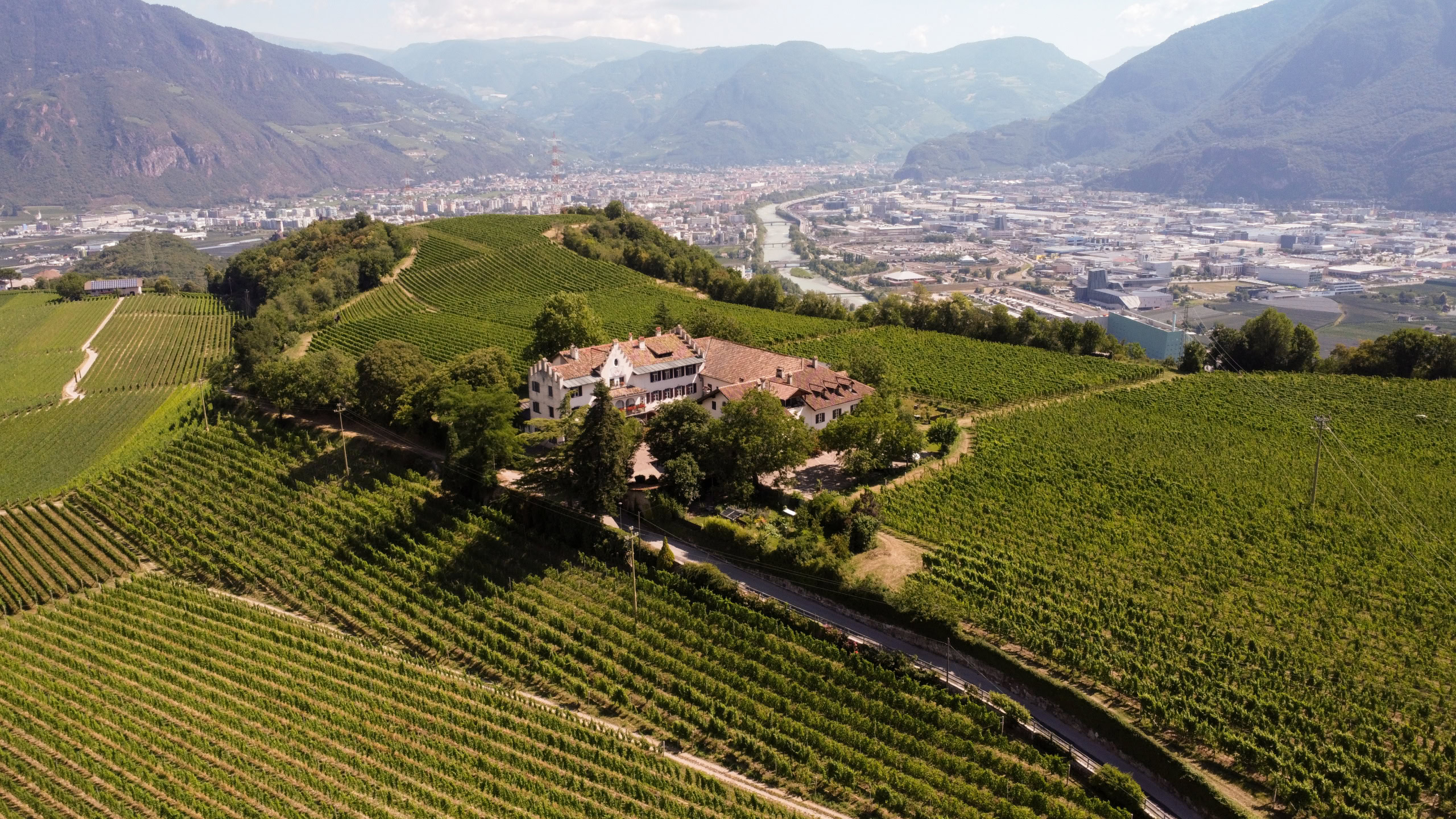
When I arranged to meet H.O. Spanier of Weingut Battenfeld Spanier, one of Germany’s leading growers, in the Zellertal, he wrote to me: “Zellertal is probably one of Germany’s most dynamic regions. I began investing in its most limestone-rich sites 30 years ago.” Since then, interest in the Zellertal has built gradually. But in the past few years, that interest has exploded. Spanier has played a major role in this, as has the world-renowned father-son winemaking duo Klaus Peter and Felix Keller of Weingut Keller. Both estates are now significantly invested in Zellertal vineyards. There was no question their moves…...