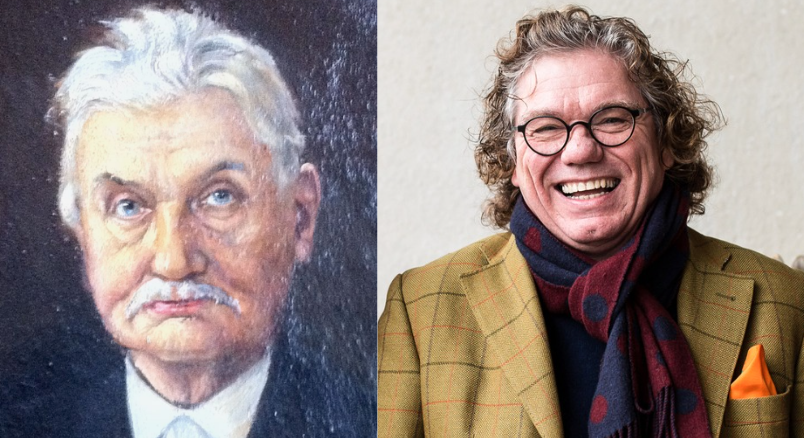
Zacharias Bergweiler-Prüm and his great-grandson Erni Loosen
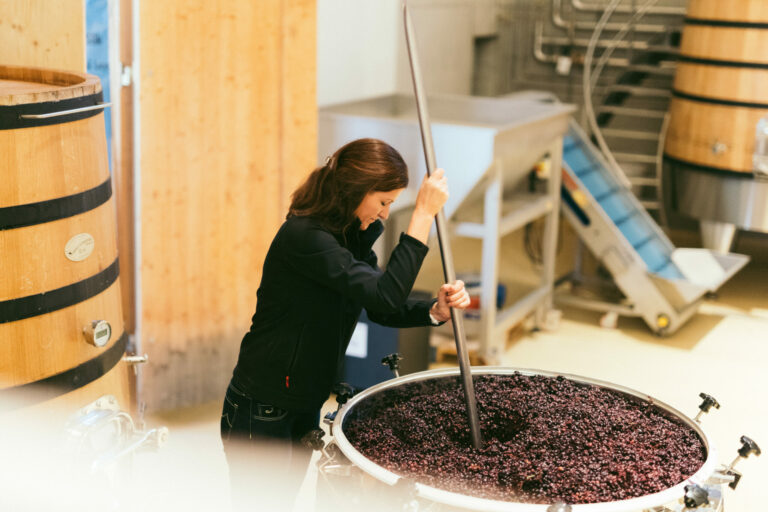
At a time when some Mosel producers are shedding vineyards like snakeskins, Ernst “Erni” Loosen, who already has 90 hectares at his disposal, is trying on a new one.A few years ago, a cousin of Loosen’s called to say he was selling a parcel. Lammertslay, a steep, mid-slope, two-and-a-half-hectare plot within the Wehlener Sonnenuhr, is hallowed ground for Riesling. The vines were largely wurzelecht (ungrafted), planted around 1895 in pure blue slate soil on a south-facing slope. Loosen was sold. The parcel had belonged to his great-grandfather, Dr. Zacharias Bergweiler-Prüm. Loosen saw it as a rare chance to honor his…
Valerie Kathawala specializes in the wines of Germany and Austria. Her work appears in the pages of regularly in Noble Rot and SevenFifty Daily. She is the author of the "German Wine Scholar" (2025).
It is Friday night and I’m terrified. In 24 hours, a top sommelier is coming to our house for dinner. A sommelier who puts together the wine lists for a global restaurant group; a sommelier who has spent over 30 years training more somms than I’ve seen typos on a wine list; a sommelier who matches food and wine the way the rest of us match our Sunday outfits. And tomorrow, I’m responsible for the wine. My wife draws up a shopping list for the meal, blissfully unconcerned. “We’re not a restaurant,” she says, “why should she expect Michelin-starred cooking?”…...
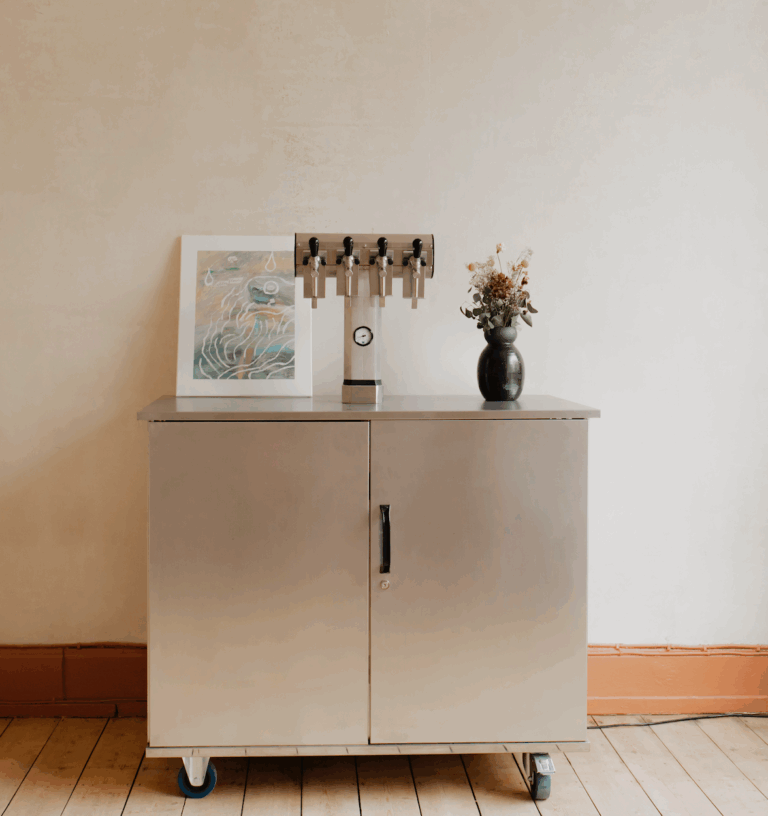
For Deandra Anderson, co-founder of Ebb & Flow Keg, a Frankfurt-based purveyor of organic kegged wines, the supposed “death of wine” among millennials isn’t a crisis, it’s a myth. In her view, the challenge is whether the German wine industry can meet the next generation where they already are.
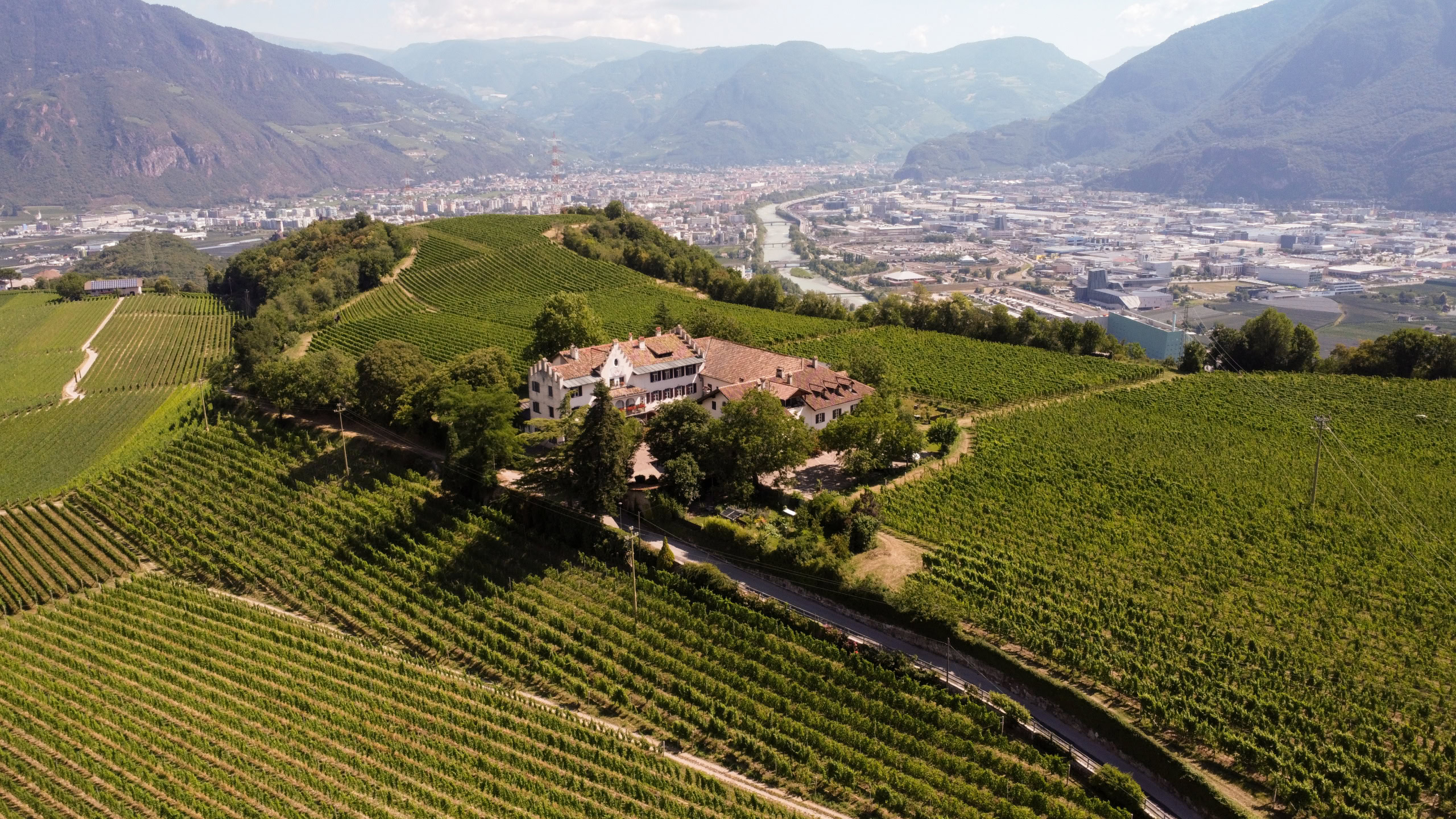
Weingut Blankenhorn It wasn’t love at first sight for Martin and Yvonne Männer of Weingut Blankenhorn in Schliengen. On a trip to Switzerland in spring 2015, they were initially disappointed by the Gutedel (a.k.a. Chasselas) they found there. Or, to be more precise: by how the vintners they encountered vinified it. But when they ordered a bottle of 18-year-old Chasselas Médinette Dézalay Grand Cru from Domaine Louis Bovard on their last night in Geneva, at the Michelin-starred Le Chat-Botté, they realized they had found the key to making a multifaceted, indeed divine Gutedel. Ever since, Langlebigkeit, or longevity, has been part of Weingut Blankenhorn’s DNA. Their wines tell a…...
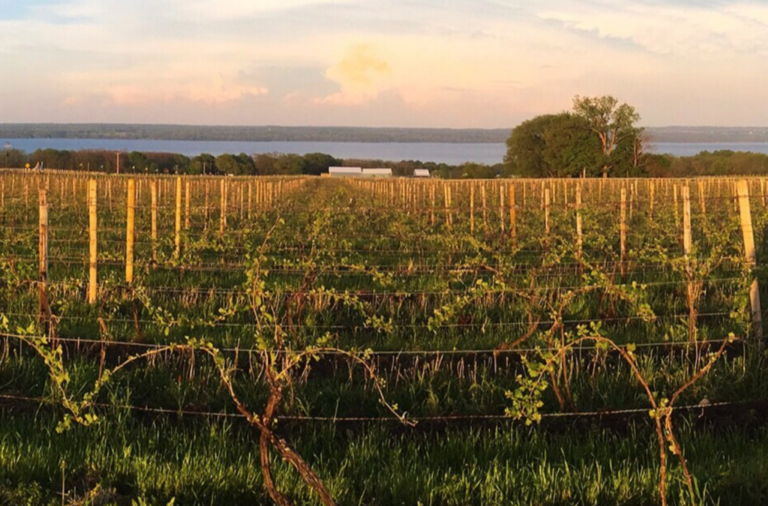
Slopes tilting toward shimmering water; a long, cool growing season; and shallow slate soil — to a connoisseur of German wines, these features immediately evoke the storied Mosel region. Yet they also describe a much younger wine-growing area: New York State’s Finger Lakes, or FLX. Long dismissed as a producer of tourist-friendly sweet wines made from non-vinifera grapes, the Finger Lakes now give life to vintages that express grape and terroir with nuance and sophistication. These include wines created by German-born winemakers, such as Johannes Reinhardt at Kemmeter Wines and Peter Weis at Weis Vineyards, as well as those who trained…...
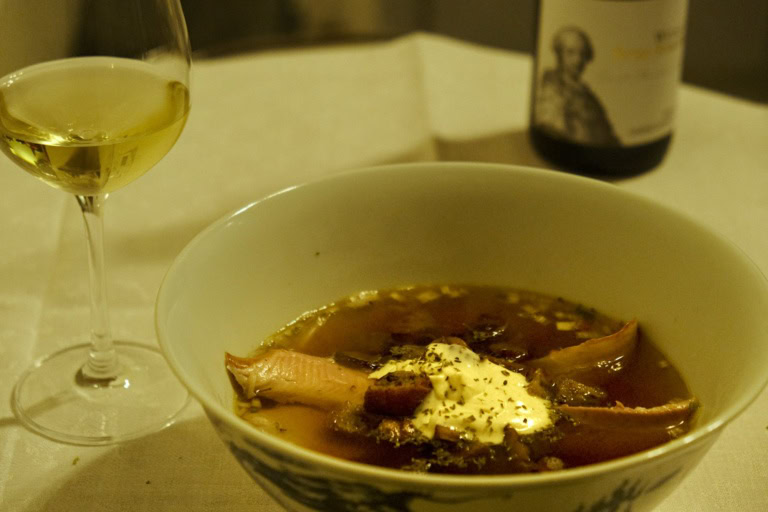
There is no fish soup in the Pfalz. Sad, but true. Like most of Germany’s winegrowing regions, the Pfalz is simply too far removed from the sea for fish to feature prominently in its traditional cuisine. By extension, Pfalz fish soup is practically a culinary contradiction. A delicious deception. A seafood swindle. A Pfalz cookbook is a celebration of rustic comfort: Leberknödel (liver dumplings), Kartoffelsuppe mit Speck (potato soup with bacon, often in unlikely combination with plum cake), and, of course, Saumagen (stuffed pig’s stomach). Arguably the region’s culinary signature dish, this is a hearty, sausage-y mix of pork, potato,…...