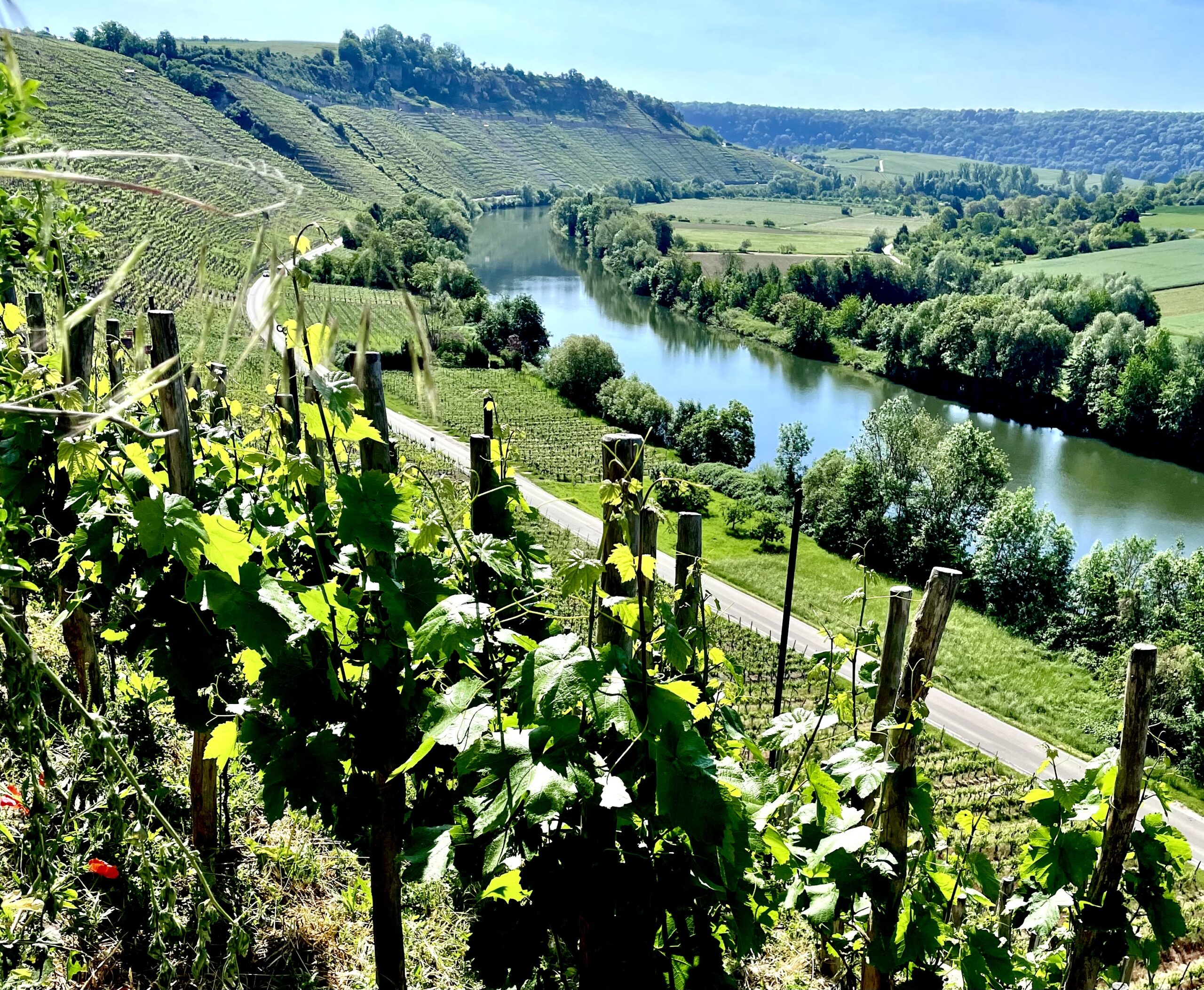
What do you do when you have world-class Riesling terroirs — including some of Germany’s highest, coolest vineyards, extraordinary old vines and massale selections, and a growing cadre of hyper-talented producers who bring imagination and dedication to it all — but the world still thinks of you as a place for, well, something else? This is the predicament of Württemberg’s growers. Over the past decade, they’ve made a strong argument that Riesling should be front and center when we consider the wines of this southwestern German region. Although not everyone believes a narrowed focus benefits Württemberg’s identity (the region’s top…
Valerie Kathawala specializes in the wines of Germany and Austria. Her work appears in the pages of regularly in Noble Rot and SevenFifty Daily. She is the author of the "German Wine Scholar" (2025).
Pinot Blanc is neither a distinctive cépage nor a particular grape variety – at least, not from the viewpoint of ampelography or genetics. And what there is of pure Pinot Blanc worldwide is nearly all rendered in German-speaking growing regions where it is typically known as Weissburgunder.
Riesling is admired for its complexity, longevity, and ability to reflect its terroir. The same is slowly becoming true in the sparkling wine sector, where bubble enthusiasts are discovering what aged Rieslingsekt can offer. In the world of German wines, Riesling is the undisputed star. Still wines gained their historical reputation as early as the 15th century, while the 18th and 19th centuries witnessed the rise of traditional method sekt. Over time, large companies monopolized the production of cheap, tank-fermented sparkling wine, until smaller, individual wineries were finally allowed to produce and sell their sparkling wines in the early 1980s. This…...
“Dry” describes what wine drinkers overwhelmingly profess to desire. And “trocken” can only appear on labels of German Rieslings with less than 10 grams of residual sugar. If one desires sweetness, there is no lack: Most of today’s Kabinetts are higher in sugar than were Auslesen of the 1980s. (Granted, the grapes were probably also higher in must weight.) Aesthetically as well as commercially, success in the realm of legal dryness—Trockenheit—as well as that of pronounced sweetness, can scarcely be denied. German Riesling growers have long since succeeded in proving that they too can render world-class dry wine, while simultaneously…...
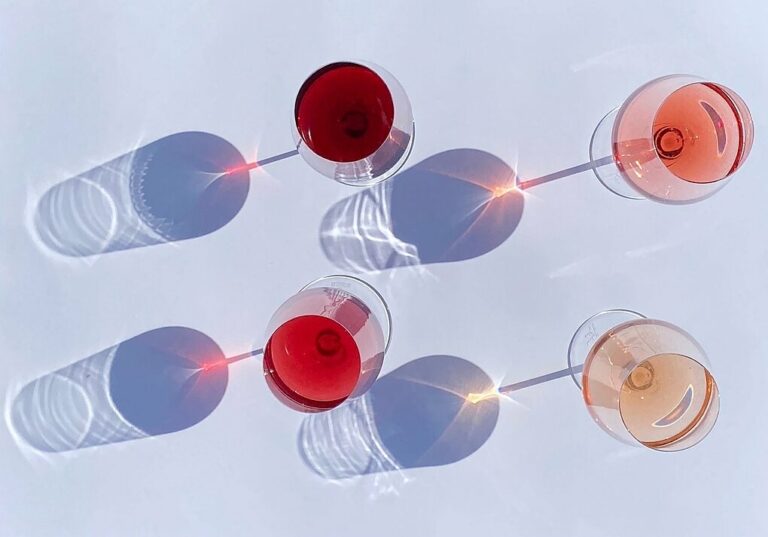
The sun blazes. The air shimmers. On the horizon four figures throw long shadows across the dry, crumbling ground. They are headed toward a city. Doors swing open. The four step from light into dark, their throats dusty and dry. Behind a deserted bar stands a man. He pushes four full glasses over to them. Out of the glasses sloshes a wine as red as the setting sun. If you aren’t thirsty by now, you should at least be hearing the melody of a harmonica. This is how the opening scene of a revival—the Rotling revival—could begin. The four men…...
Words are like viruses. They appear in culture and may lie dormant then suddenly they are everywhere, swirling about, adapting to their hosts, mutating to survive. In the wine world, this process can happen fast. "Purity," it turns out, is anything but pure.