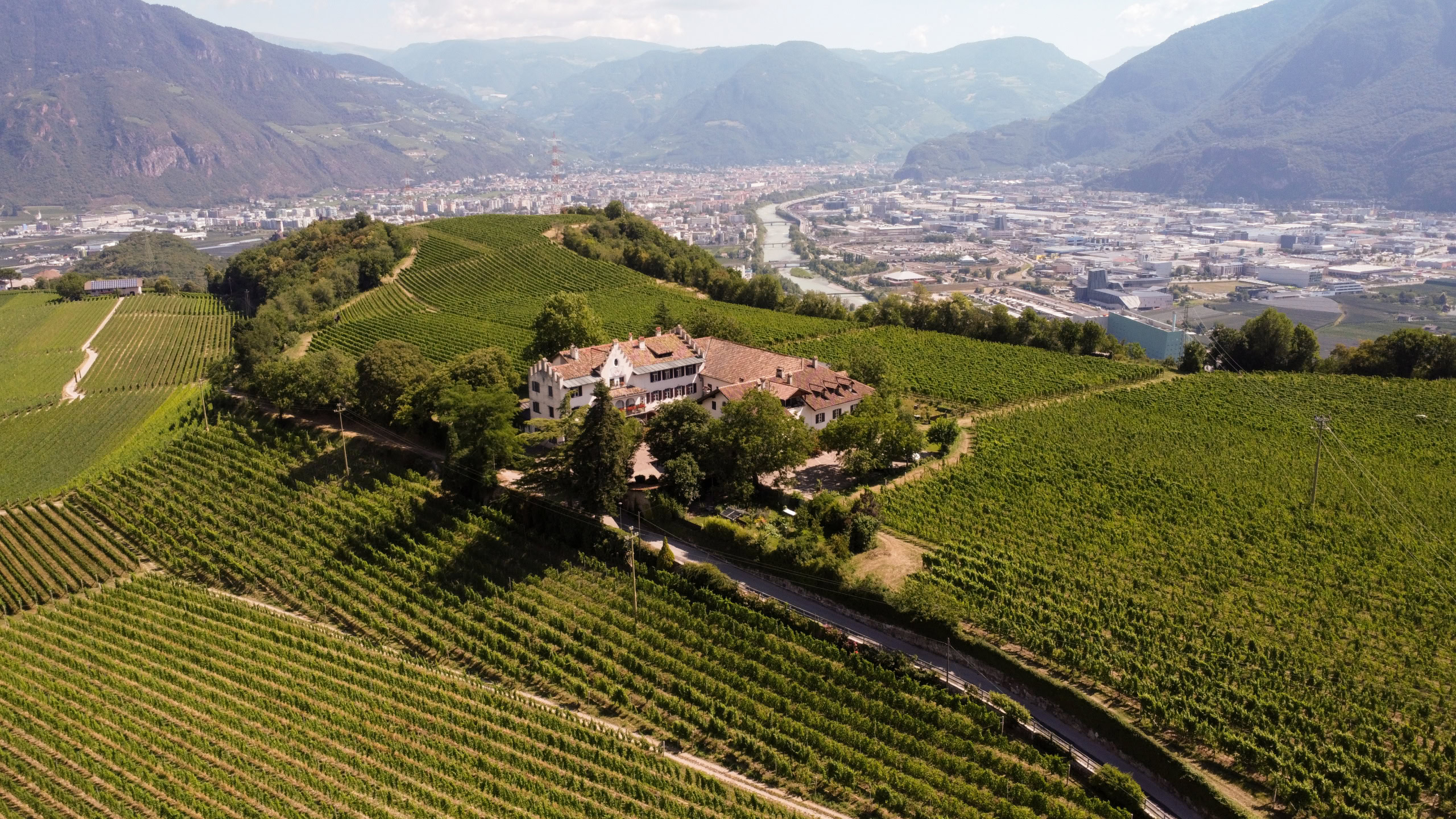
The Delicious Dichotomy of Alto Adige
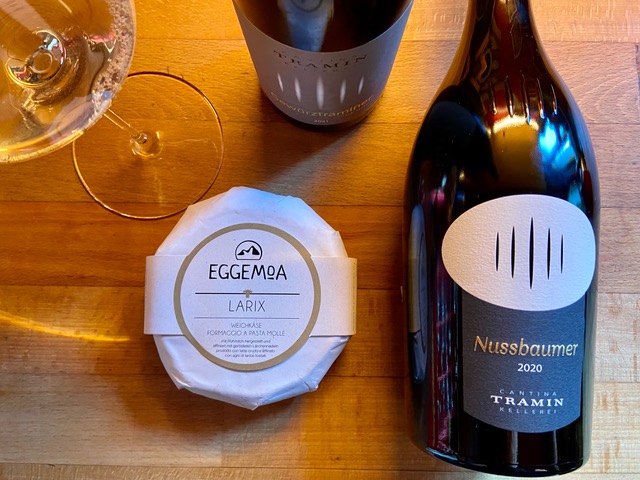
photo credit Ursula Heinzelmann
Earth and sky. Airborne and grounded. The power and pleasure of reimagined wine and cheese from Cantina Tramin and Eggemoa Dairy.

Earth and sky. Airborne and grounded. The power and pleasure of reimagined wine and cheese from Cantina Tramin and Eggemoa Dairy.

Ursula Heinzelmann is an independent scholar and food historian born, bred and based in Berlin, Germany. A trained chef, sommelier and ex-restaurateur, she works as a freelance wine and food writer, specializing in cheese. She has published a number of cookbooks, a food history of Germany, Beyond Bratwurst, as well as several books on cheese, and acted as area editor for the Oxford Companion to Cheese. She is the trustee director of the Oxford Symposium on Food and Cookery as well as curator of the Cheese Berlin festival.
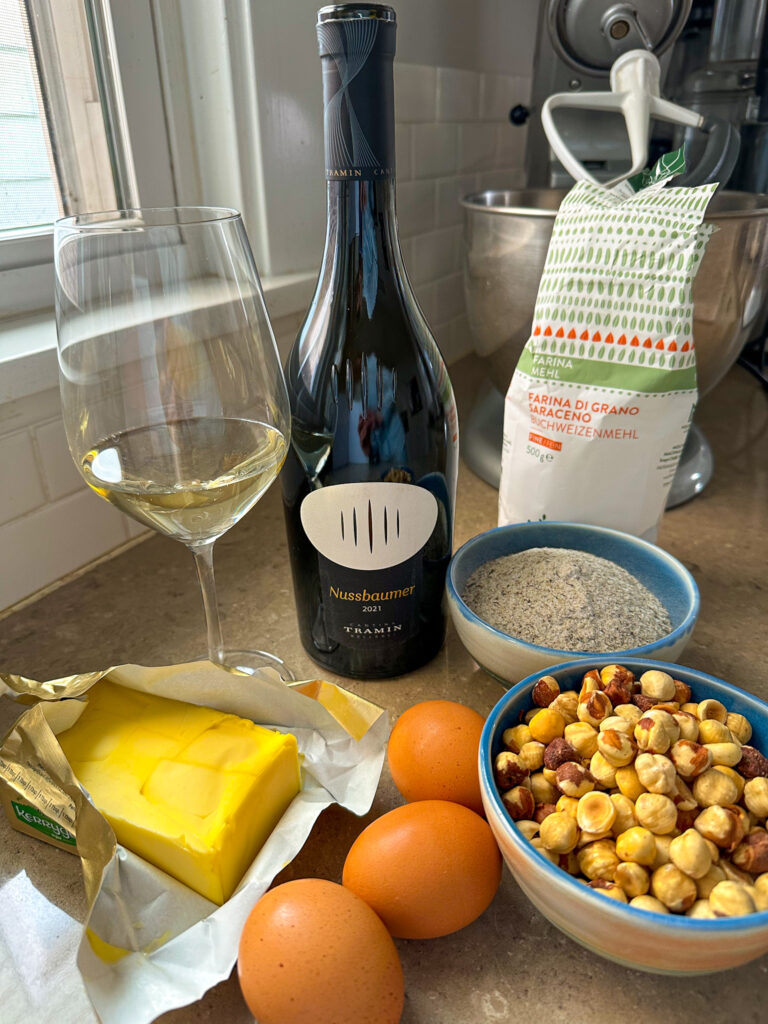
A baker falls in love with hiking, cake and wine in the Italian wine region of Südtirol-Aldo Adige and returns home to recreate the textures and flavors.
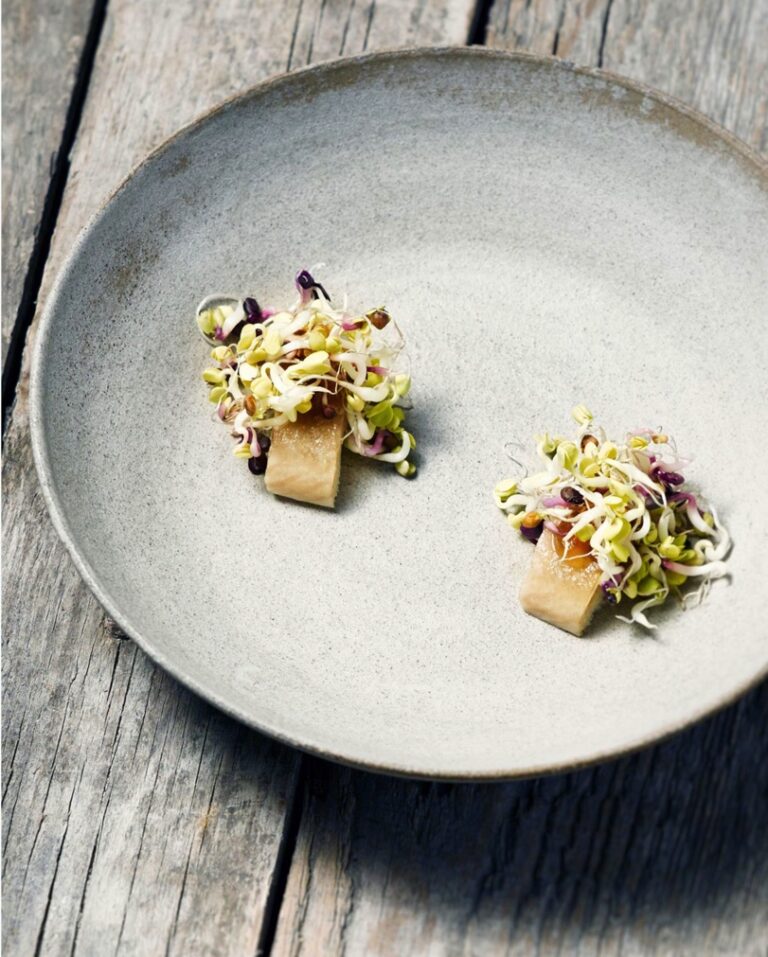
Northern Germany's answer to lobster, and a true hybrid Riesling surprise.
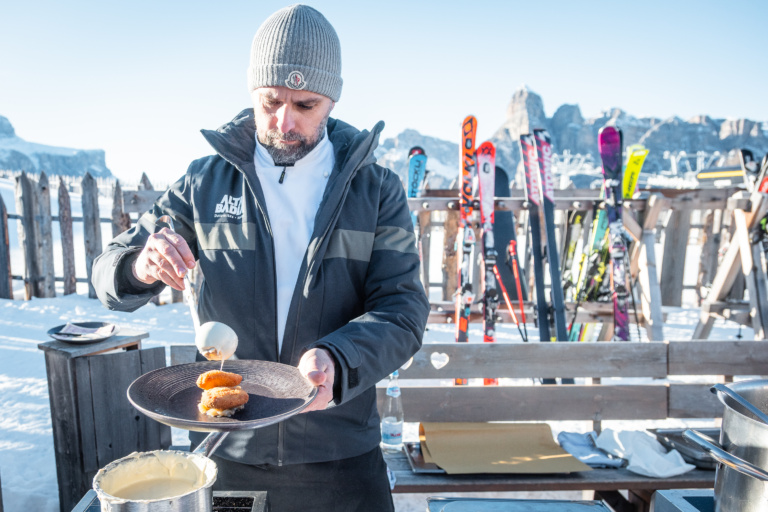
At 2,010 meters above sea level, the first thing that changes is your breathing. The second is your appetite. By the time you are standing outside a mountain hut with a glass of Blauburgunder in hand, something else has shifted too. The wine tastes different up here. In December, I went to Alta Badia, a small, jagged pocket of Südtirol-Alto Adige, with skis, a notebook, and a question. Nestled among the villages of San Cassiano, La Villa, Corvara, and the Campolongo Pass, the region is defined by its verticality, snow, and fine cuisine. Every year, as the ski season starts,…...
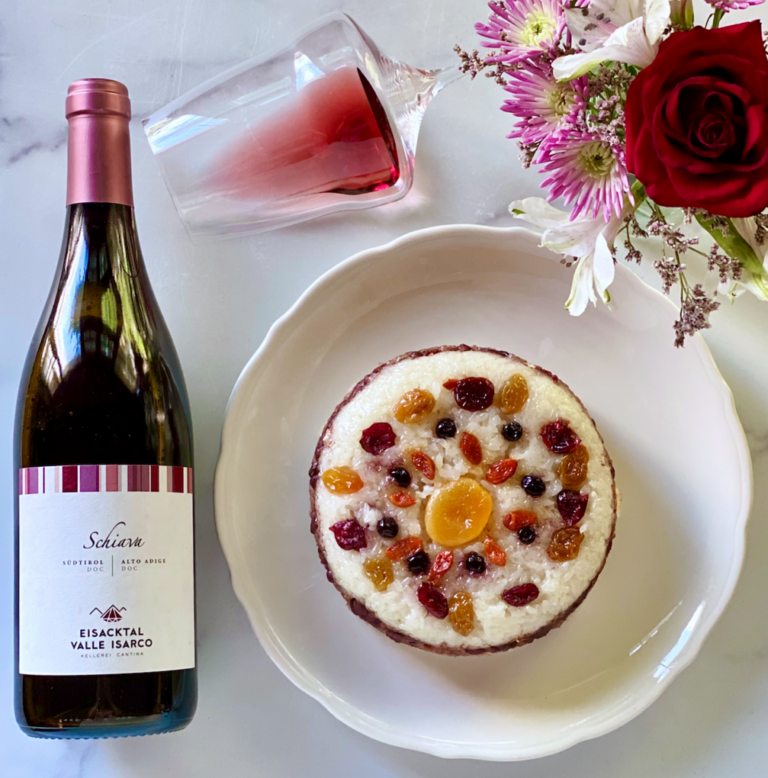
Lunar New Year (aka Spring Festival, or Guo Nian in Mandarin) is arguably the most important holiday for people of Chinese heritage — especially in Taiwan, where I grew up. It’s been my favorite since I was a kid. Now, living in Brooklyn, I recall that a few days before the New Year every household starts to “sweep the dust” to banish bad luck, erase unhelpful habits, and create positive new ones. On the day before New Year’s Eve (a holiday we call Little New Year’s Eve), we will take down the old Spring Festival couplets and replace them with fresh verses. On New…...

Trink Magazine | Valerie Kathawala hazards forecasts for the future of wines from Alto Adige-Südtirol, Austria, Germany, and German-speaking Switzerland.
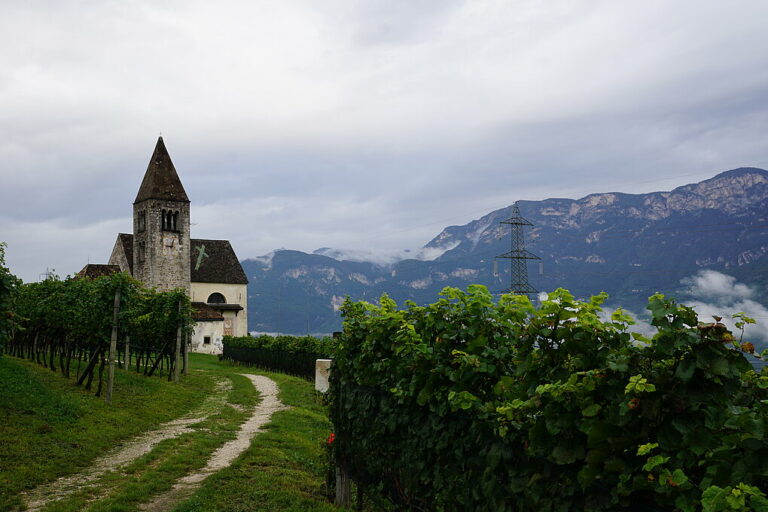
Südtirol-Alto Adige winegrowing has already exerted tremendous energy in re-inventing itself. But as has become ever clearer, that was only step one. The second is yet to come.
© 2026, TRINK Magazine. No portion of this article may be copied, shared or re-distributed without prior consent from TRINK.