
Volume 22 – Digging Deeper

February 2025

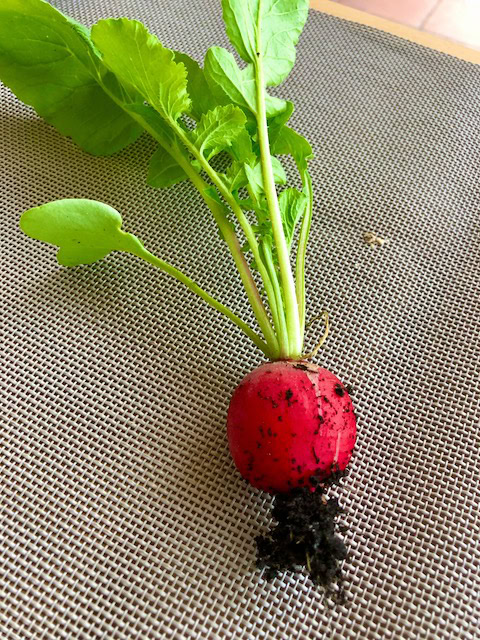
baby radish with green stems and dirt clinging to roots

Dear Readers,

We are deep in winter. A stark state of cold and dark. Winds of change are howling. It’s unclear where they will blow us. But little feels safe or familiar now.

In Volume 22, we turn inward. Toward what sources of comfort, light and warmth are at hand. It requires effort, resolve. Groping our way towards the hope of spring, it feels fitting to dig. Dig deep. Deeper. Roots and seeds of resilience and strength are what we’re after. 

We launched this volume with a soul-restoring piece by Berlin-based food writer Luisa Weiss. (We also offer a review of Luisa’s unjustly overlooked new book on German food and food culture.) As this volume unfolds, you will also find Martin Sorge on the intangible cultural heritage of German bread (with stellar Sekt pairing), and chef and writer Paul Kern’s fresh interpretation of a classic Pfalz dish reinvented for wine lovers. 

You’ll also find Rainer Schäfer’s sharp report on how climate change is remaking viticulture in Germany’s hottest region, Evan Spingarn’s reflections on a troubling word in German tasting notes, Sedale McCall on Austria’s under-the-radar stars, and a close look at why Switzerland hasn’t gone the way of its neighbors with vineyard classifications, from our Basel-based writer Bart de Vries.

If you haven’t caught our new podcast TRINKtalks, we urge you to listen in: recent episodes feature Jancis Robinson, Dorli Muhr, Moritz Haidle, and Daniel Pfitscher, all offering unmissable insights into the world of German-speaking wines.

Finally, a reminder that this kind of specialized journalism neither writes nor pays for itself. As we enter our fifth year of independent, subscriber-funded publication, we remain deeply grateful to our loyal supporters and eager to hear what we can offer to convince those who haven’t yet subscribed to do so. If you enjoy this publication (or our pod!), please subscribe, follow, share, rate, review. It helps more than you know.

Eure

Paula and Valerie

  • Alter Torkel: A Window on Bündner Wine

    In a country that consumes 99 percent of its own wine, finding a restaurant that has an extensive Swiss selection is easy, but finding a restaurant that exclusively features all the wineries and wines of a single appellation is rare.  Alter Torkel in Jenins, a village in Graubünden, in eastern Switzerland, somehow miraculously fits the bill. It may not be the first restaurant to put wine before food, but I have yet to come across one that takes this philosophy to such extremes. As a balmy foehn and radiant late-winter sun warm the crisp mountain air, the terrace at Alter…...

    Membership Required

    You must be a member to access this content.

    View Membership Levels

    Already a member? Log in here
  • · ·

    The Sacred Sylvaner of Neustift Abbey

    In the heart of Alto Adige-Südtirol, infinite green rows of vines crown the chestnut-brown roofs of Neustift Abbey. In this fairytale-like northern Italian valley, German and Italian coexist in mutual synchrony, a vivid reminder of a not-so-distant past when this was part of the Austrian Empire. The fortified ensemble houses a monastery, boarding school, museum, and winery within its Romanesque, Baroque, and Rococo walls. Wine has been made using grapes of the region here for the last nine centuries, all under the vigilance of Augustinian canons. Grüner Veltliner, Kerner, and Sylvaner reflect the terroir, proudly representing the abbey in local…...

    Membership Required

    You must be a member to access this content.

    View Membership Levels

    Already a member? Log in here
  • Four Off-Trail Austrian Wines to Discover

    For most wine drinkers, Riesling and Grüner Veltliner are gateways to Austrian wine. But with Austria’s wide range of climates and geography, this tiny country offers surprising varietal diversity. Forty-two different wine grapes are native or traditional, with expressions ranging from light and vibrant to rich and baroque. Topping the list are varieties with long histories in Austria: the red grapes Blaufränkisch and Zweigelt, the whites Chardonnay (known in Austria as Morillon) and Sauvignon Blanc. Then there are the 22 grapes on the back half of the list, each accounting for less than 1% of total plantings. All these varieties…...

    Membership Required

    You must be a member to access this content.

    View Membership Levels

    Already a member? Log in here
  • ·

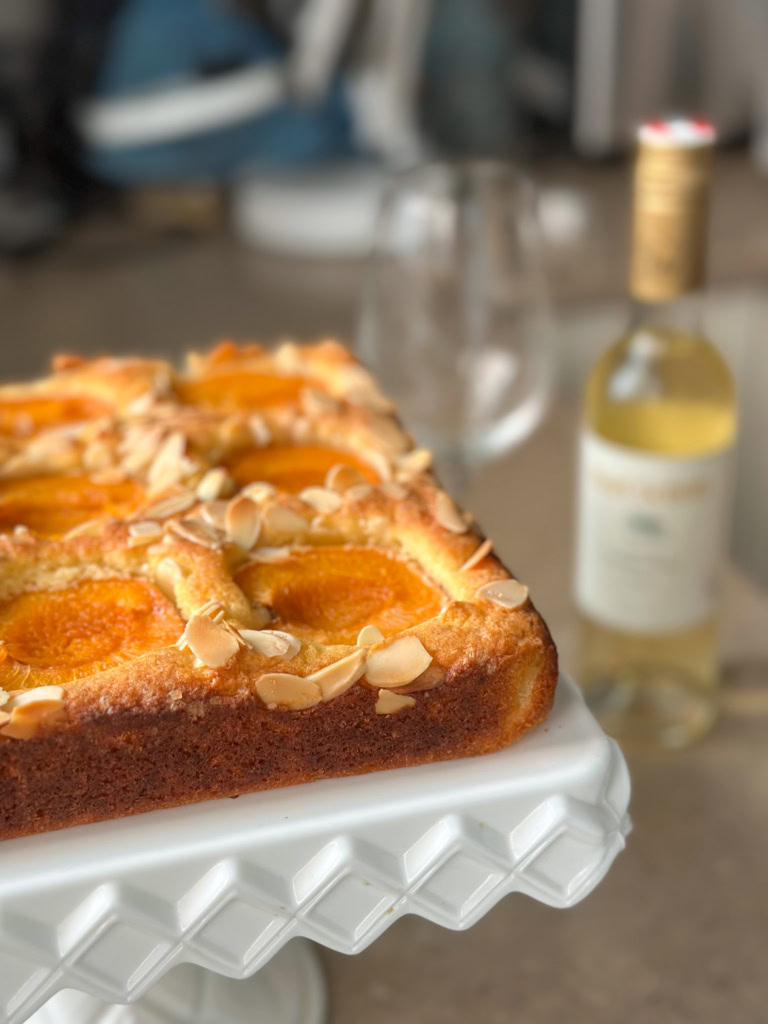
    Eat + TRINK: For the Love of Marillenfleck

    The Wachau stands tall as one of Austria’s most storied wine regions. Terraced vineyards of Grüner Veltliner, Riesling, and other varieties line the bend of the mighty Danube. But grapes aren’t the only iconic fruit here.  As a nerdy baker and wine nerd, I am intrigued by why particular grape or fruit varieties thrive in specific areas and what makes that terroir so special. I swear by Montmorency tart cherries from Northern Michigan just as I revere Grüner Veltliner from the Wachau. When I discovered that the Wachau is also known as a source of my second-favorite fruit to bake…...

    Membership Required

    You must be a member to access this content.

    View Membership Levels

    Already a member? Log in here
  • ·

    The Kitzingen Connection

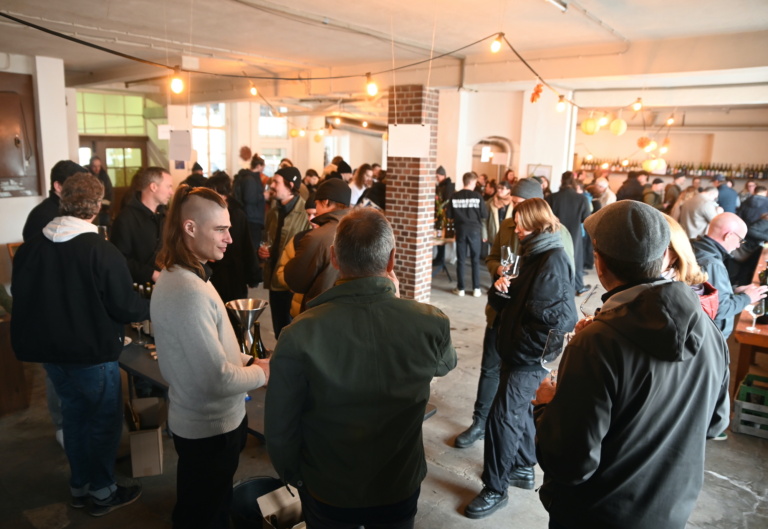
    Kitzingen has never been particularly famed as a mecca for winemaking in Franken. So when I received an invitation to visit this town, 20 km southeast of Würzburg, for a wine presentation by the New Kitz & Friends, I had little reason to suspect it would mutate into a natural wine hub.  At this point, New Kitz & Friends are hardly unknowns – certainly not in this magazine. Colleague Rainer Schäfer recently profiled this group of unconventional locals and newcomers, all moving in a cosmic orbit around the pioneering natural wine estate 2Naturkinder. For this event, the New Kitz called…...

    Membership Required

    You must be a member to access this content.

    View Membership Levels

    Already a member? Log in here
  • Why Is Switzerland Opting Out of the Vineyard Classification Trend?

    One of the biggest trends in wine over the past two decades has been an increased interest in expressing origin. Organizations like the Verband Deutscher Prädikatsweingüter (VDP) in Germany and the Österreichische Traditionsweingüter (ÖTW) in Austria have both shaped and surfed this wave to the extent that their vineyard classifications — in both cases private initiatives — are now being codified into national law. Switzerland has no comparable organization. The one that comes closest, Mémoire des Vins Suisses, was founded more than 30 years ago, with the aim of proving that Swiss wines can age. Does this mean Swiss wines…...

    Membership Required

    You must be a member to access this content.

    View Membership Levels

    Already a member? Log in here
  • · ·

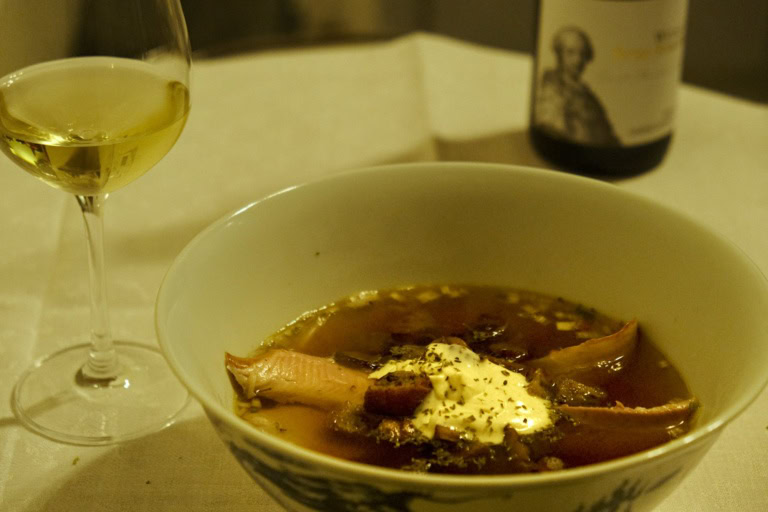
    The Pfalz’s Unlikely Catch: A Fish Soup Story

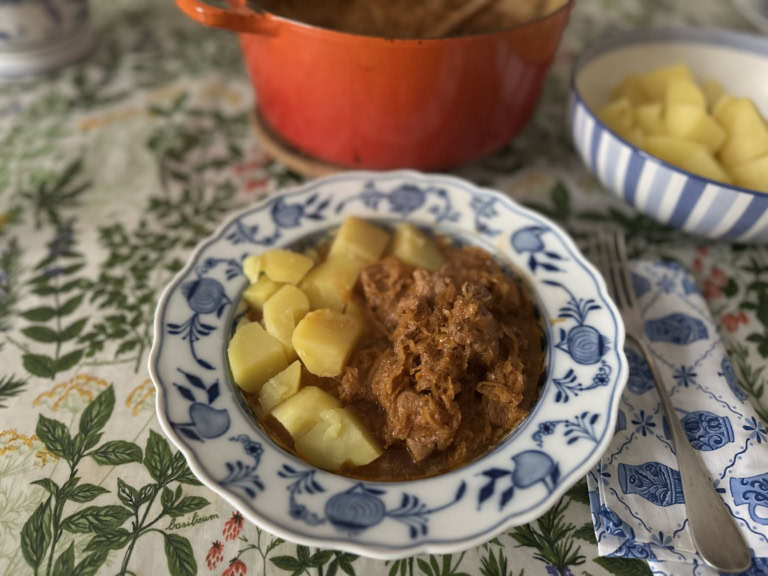
    There is no fish soup in the Pfalz. Sad, but true. Like most of Germany’s winegrowing regions, the Pfalz is simply too far removed from the sea for fish to feature prominently in its traditional cuisine. By extension, Pfalz fish soup is practically a culinary contradiction. A delicious deception. A seafood swindle.   A Pfalz cookbook is a celebration of rustic comfort: Leberknödel (liver dumplings), Kartoffelsuppe mit Speck (potato soup with bacon, often in unlikely combination with plum cake), and, of course, Saumagen (stuffed pig’s stomach). Arguably the region’s culinary signature dish, this is a hearty, sausage-y mix of pork, potato,…...

    Membership Required

    You must be a member to access this content.

    View Membership Levels

    Already a member? Log in here
  • ·

    Big Risks, High Stakes: The New Climate Calculus on the Kaiserstuhl

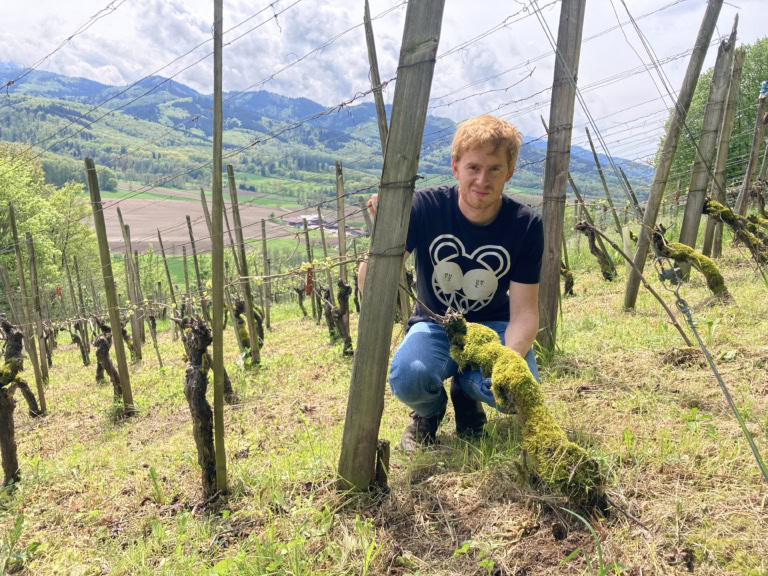
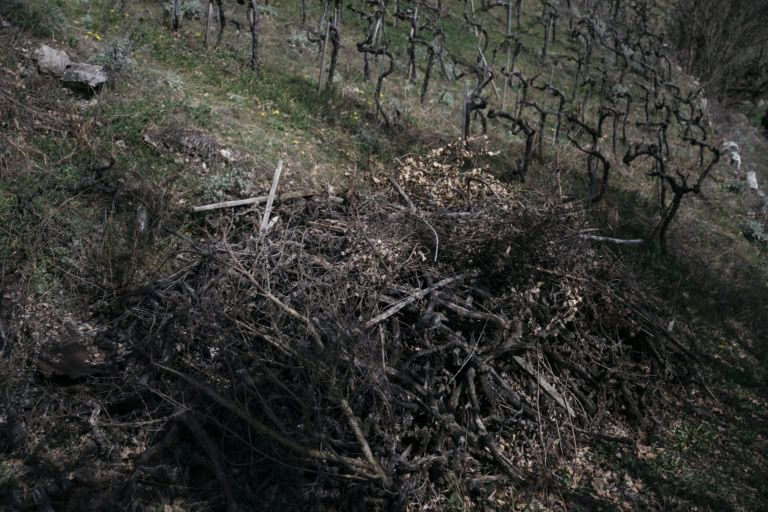
    It is a landscape rife with charms and challenges: From their perch atop the Oberrotweiler Eichberg, on a long-dormant volcano that rises to 310 meters, Johannes Landerer and Jakob Moise can enjoy some of the finest views over the Kaiserstuhl and sprawling Rhine Basin in Baden. The early morning sun is quickly rising, but the Kaiserstuhl, normally a place of striking warmth, has seen an unusual amount of precipitation in the summer of 2024, leaving it greener than at any time in recent memory. But if this pair of Kaiserstuhl winegrowers agree on anything, it’s that this situation is likely…...

    Membership Required

    You must be a member to access this content.

    View Membership Levels

    Already a member? Log in here
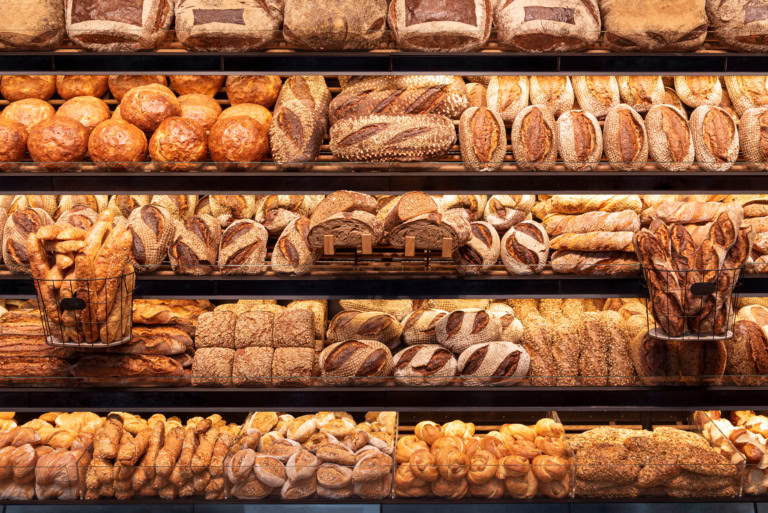
  • Germany’s Unrivaled Bread Culture

    On a chilly April morning, I sat in the tasting room of an renowned old Alsatian winery, under the spell of an enchanting rose-and-peach-inflected, off-dry Gewurztraminer from vines right outside the winery’s door. I chatted with the person pouring the wine. They asked what brought me to Alsace. I answered that I had just studied German bread baking at the Akademie Deutsches Bäckerhandwerk. “I’ve never thought about German bread before,” they responded. We were less than 30 kilometers from the German border, in a town with a German name, at a winery with a German name. But they’d never even…...

    Membership Required

    You must be a member to access this content.

    View Membership Levels

    Already a member? Log in here
  • ·

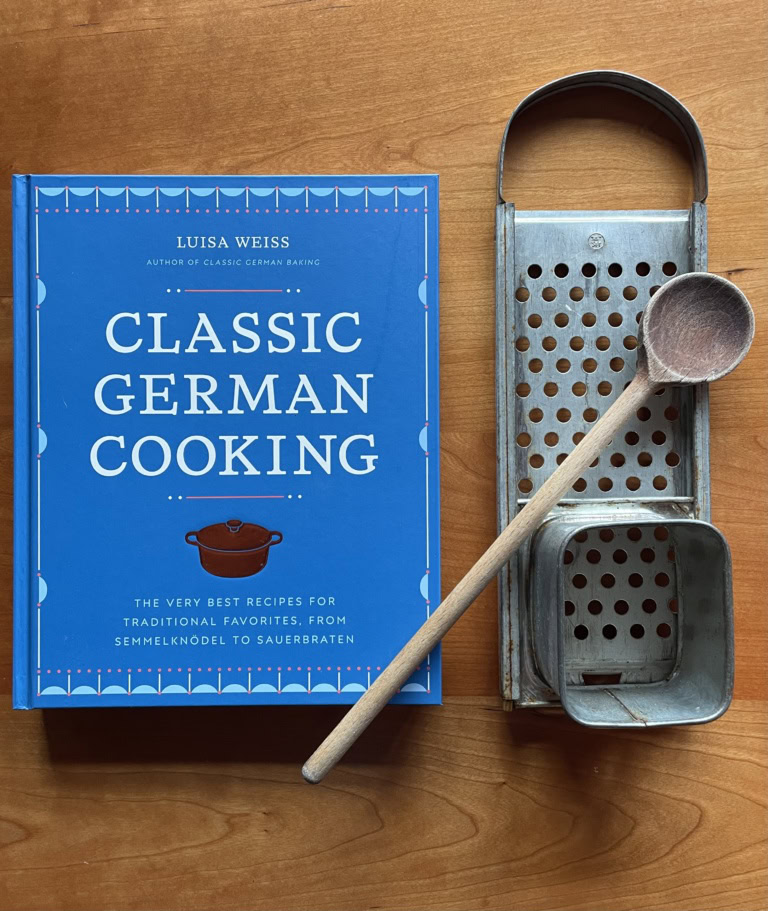
    The Healing Power of Classic German Cooking

    “Germans are particularly nostalgic about the food of their grandmothers,” writes Luisa Weiss, furnishing a sturdy thesis for her handsome, welcoming new cookbook.   Weiss, whom you may — should — know, is a food writer. She was born, partly raised, and now lives full-time in Berlin. She blogged about food for more than a decade from New York as The Wednesday Chef, then moved to Germany. There she wrote her way deeper into the German culinary world: the food-driven memoir My Berlin Kitchen: A Love Story with Recipes (2012) and Classic German Baking (2016). She now writes a Substack organized…...

    Membership Required

    You must be a member to access this content.

    View Membership Levels

    Already a member? Log in here
  • ·

    Carbon-Neutral Pinot Noir Is No Myth at Mythopia

    This article is adapted from Natural Trailblazers: 13 Ways to Climate-Friendly Wine, to be published on 21 October 2024 and currently available for pre-order.  In the Swiss Alps, husband-and-wife Romaine and Hans-Peter Schmidt have created an island for humans and animals, insects and microbes to thrive in a sea of conventional vineyards. A combination of no-till, green manure, vitoforestry,  and biochar makes their legendary winery Mythopia carbon neutral in the vineyard. I’m outside a bakery in Sion, with a view of the railway tracks and the snowy peaks on the horizon. It’s a surreal combination of nature and industry. A…...

    Membership Required

    You must be a member to access this content.

    View Membership Levels

    Already a member? Log in here