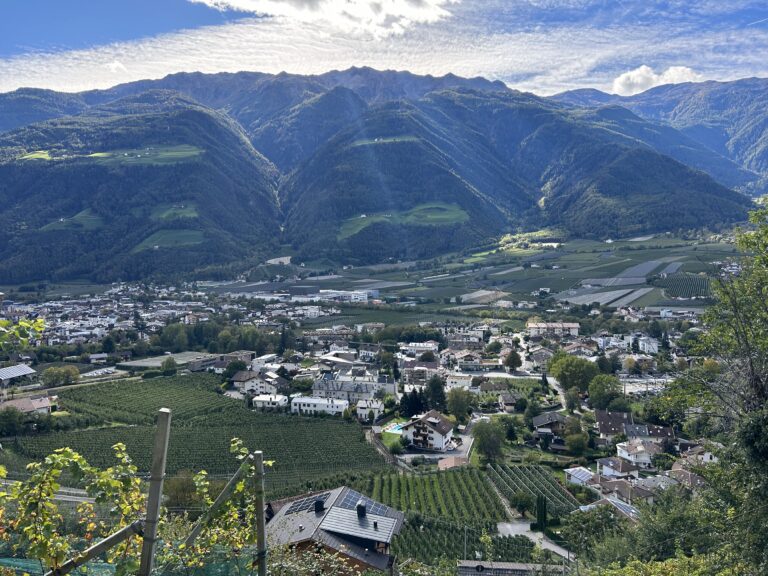
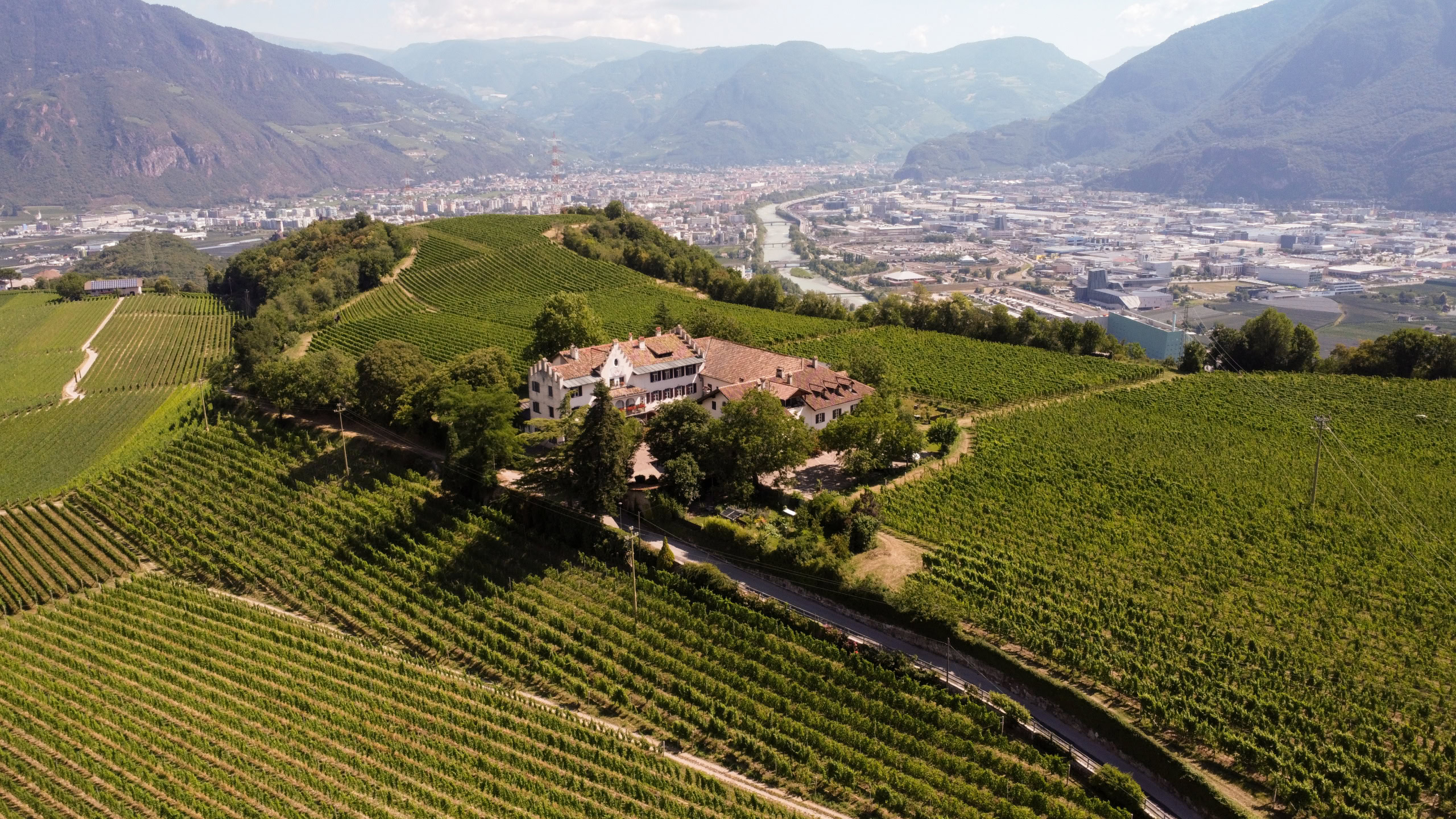
In the heart of Alto Adige-Südtirol, infinite green rows of vines crown the chestnut-brown roofs of Neustift Abbey. In this fairytale-like northern Italian valley, German and Italian coexist in mutual synchrony, a vivid reminder of a not-so-distant past when this was part of the Austrian Empire. The fortified ensemble houses a monastery, boarding school, museum, and winery within its Romanesque, Baroque, and Rococo walls. Wine has been made using grapes of the region here for the last nine centuries, all under the vigilance of Augustinian canons. Grüner Veltliner, Kerner, and Sylvaner reflect the terroir, proudly representing the abbey in local…
Ani Duzdabanyan is an Armenian-American journalist based in Los Angeles, California. She started her journey in investigative journalism as part of a project discovering children rights’ violations in orphanages and specialized schools in Armenia. In 2016 Ani Duzdabanyan received the Woman in Journalism Award by the Armenian-American Chamber of Commerce. Her work can be found in publications such as Los Angeles Times, Decanter, Food & Wine, Eater, and others covering the life of diverse communities in L.A. through food and wine.
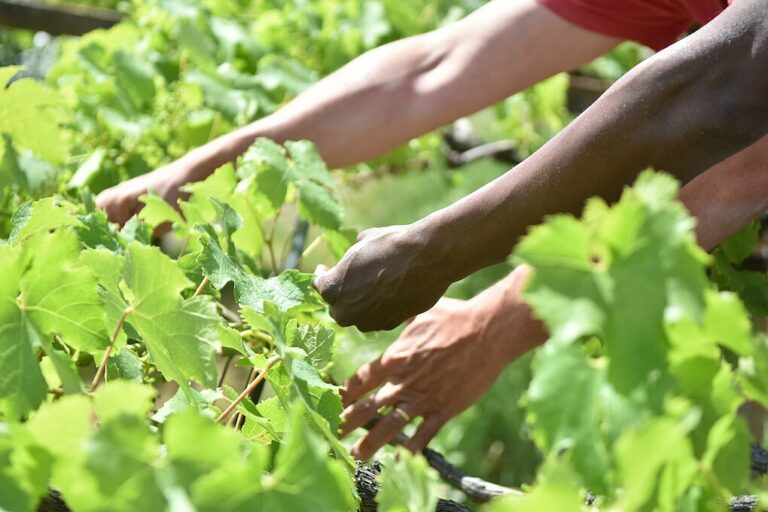
A tiny pilot project created by immigrants for immigrants is taking root in the small wineries of Alto Adige-Südtirol. V.I.T.E. — Viticulture Integration Training Empowerment — is an innovative partnership that grew out of shared need. A demographic shift in this Alpine corner of northern Italy is bringing with it a shortage of skilled vineyard workers. Where grandparents and cousins once pitched in, trained immigrants from around the world may begin to take up that role. According to organizers, the beauty of this public-private approach to addressing the gap between labor supply and demand is that it also fosters understanding…...
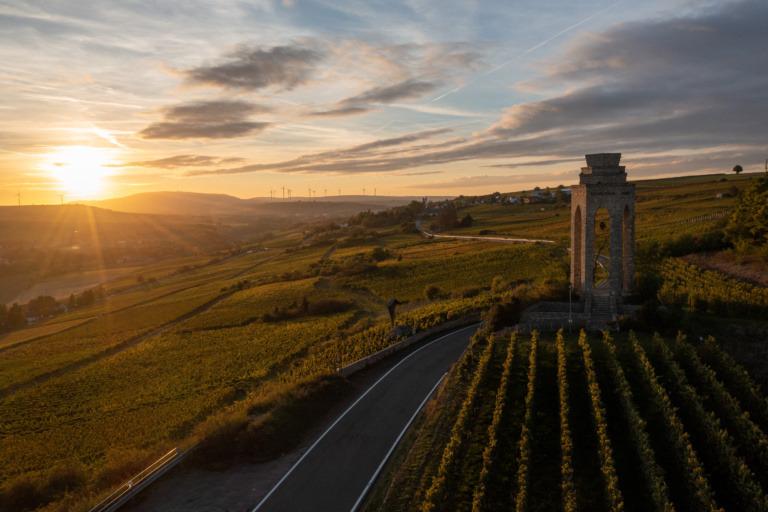
When I arranged to meet H.O. Spanier of Weingut Battenfeld Spanier, one of Germany’s leading growers, in the Zellertal, he wrote to me: “Zellertal is probably one of Germany’s most dynamic regions. I began investing in its most limestone-rich sites 30 years ago.” Since then, interest in the Zellertal has built gradually. But in the past few years, that interest has exploded. Spanier has played a major role in this, as has the world-renowned father-son winemaking duo Klaus Peter and Felix Keller of Weingut Keller. Both estates are now significantly invested in Zellertal vineyards. There was no question their moves…...
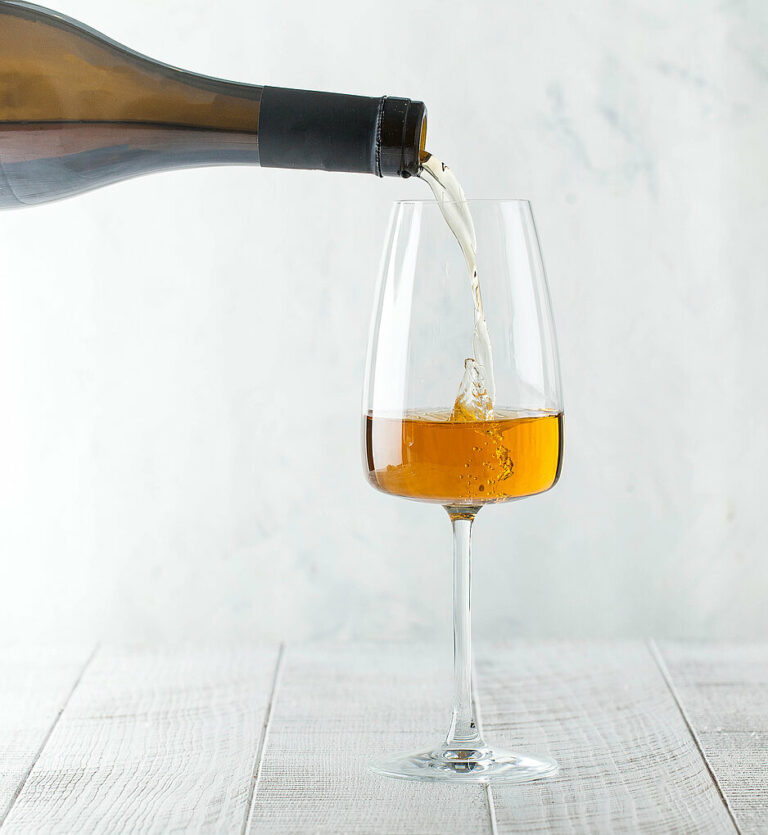
Skin-contact white wines may have their revolutionary roots in Georgia, Slovenia, and Friuli, but the umlaut zone also stakes a strong claim for orange expressions. Austria was an early and highly successful adopter (think Tschida and Tscheppe, Muster and Meinklang). For this, thank geographic proximity, shared traditions, a former empire’s worth of fascinating white varieties, and the remarkable open-mindedness of producers, especially in Styria and Burgenland. Germany came later to the game. The country has been slower to embrace natural and experimental styles generally and its signature variety, Riesling, requires an exceptionally deft hand to succeed in skin-fermented form. However, German…...
Lunar New Year (aka Spring Festival, or Guo Nian in Mandarin) is arguably the most important holiday for people of Chinese heritage — especially in Taiwan, where I grew up. It’s been my favorite since I was a kid. Now, living in Brooklyn, I recall that a few days before the New Year every household starts to “sweep the dust” to banish bad luck, erase unhelpful habits, and create positive new ones. On the day before New Year’s Eve (a holiday we call Little New Year’s Eve), we will take down the old Spring Festival couplets and replace them with fresh verses. On New…...
Trink Magazine | Valerie Kathawala hazards forecasts for the future of wines from Alto Adige-Südtirol, Austria, Germany, and German-speaking Switzerland.