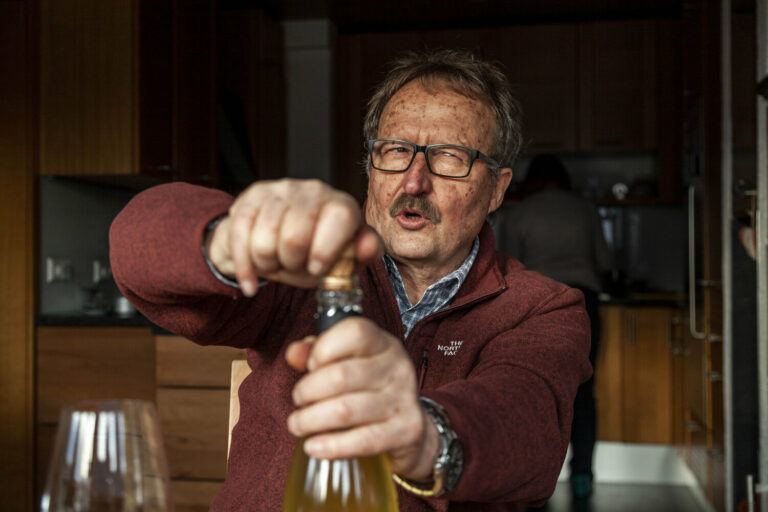
Hans Ruck, Weingut Johann Ruck, photo credit WBV-Franken
Hans Ruck, 74, is fully at home in front of a stove. The German vintner, of Weingut Ruck in Iphofen, has been a serious chef for five decades, with a healthy stash of self-composed recipes — all harmonized to the wines from his estate at the edge of the Steigerwald in central Franken. “I’ve never had a beer with a meal in my life,” Ruck claims. “The harmony between food and wine is what truly brings the enjoyment.” Once Ruck gets rolling, it’s hard to stop him. You soon feel like you’re standing at the stove with him, peeking into…
Rainer Schäfer writes about what he values most: wine, food, and soccer. The first wine that impressed him as a teenager was a Silvaner from Endingen, grown in the vineyard of his Kaiserstühl relatives. He's lived in Hamburg for 30 years and travels the wine regions of the world, always curious about dazzling personalities, surprising experiences, and unknown pleasures.
Don’t let anyone tell you those rocks are a waste of time. Twenty-five years from now, sitting in a Koblenz classroom on your first day of wine school, you will be grateful for each and every one of them. Because there in the heart of German wine country, those stones and their secrets — though you don’t know it yet — will be the foundation keeping you steady among your more experienced classmates, those vintners’ sons and daughters who boast seven, ten, 15 generations in the business, and counting. All while you are still trying to locate the Mosel on…...
For a Jewish baby boomer like me, the Holocaust was always part of my DNA. Yet, I was not the child of survivors. My Polish grandparents were safely in the United States by the 1920s. The family they left behind were mostly killed. In yeshiva, where I spent a dozen years splitting my curriculum between religious and secular studies, we were frequently subjected to footage of emaciated bodies, piled up for burning or disposal. Teachers didn’t hide the numbers tattooed on their arms. But the personal horror stories my cousins told of Polish concentration camps and ghettos were the images…...
Those who go on the hunt for modern Württemberg may be surprised by what they find on the journey. In this stretch of southern Germany, many things work differently. Swabians have their own take on cool. Here you’ll meet a grower from the hip-hop scene who has the region’s traditional wine mug inked as a tattoo. You’ll bump into a start-up winery launched with crowdfunding. And you’ll land at the door of one of Germany’s hippest growers, 68-year-old Helmut Dolde of Linsenhofen. DOLDE Dolde wears a walrus mustache and, on the day of my visit, a cap someone gave him that says “Wine in…...
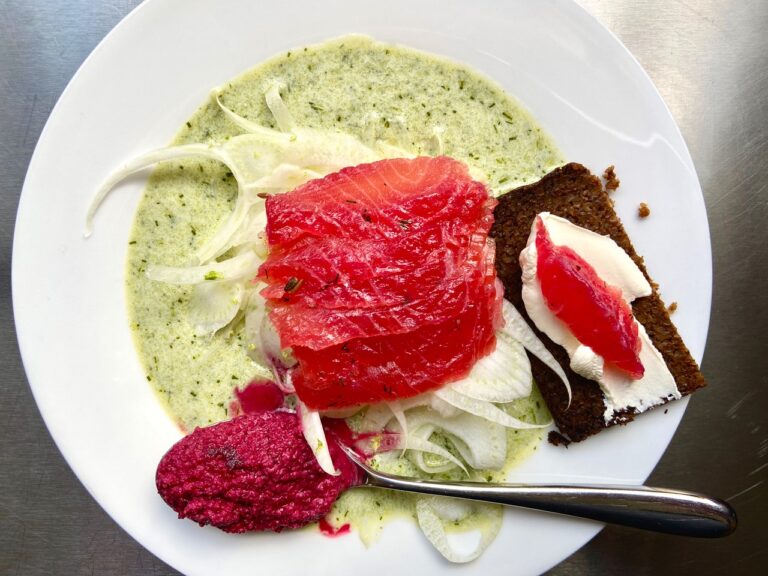
Curing fish is a bit like baking cakes: unless one follows a particular recipe to the letter, the final result inevitably contains an element or three of surprise. Once in the oven, once in the brine, the window for intervention has passed – leaving time and temperature as the only remaining levers. I clearly lack the discipline to work with exact measurements (thus explaining my ban from baking birthday cakes), but I do enjoy the imprecise, historical art of preserving food with salt. Think: classic Sauerkraut, southern German Surfleisch, or – well – salmon. This particular side of freshly caught salmon…...
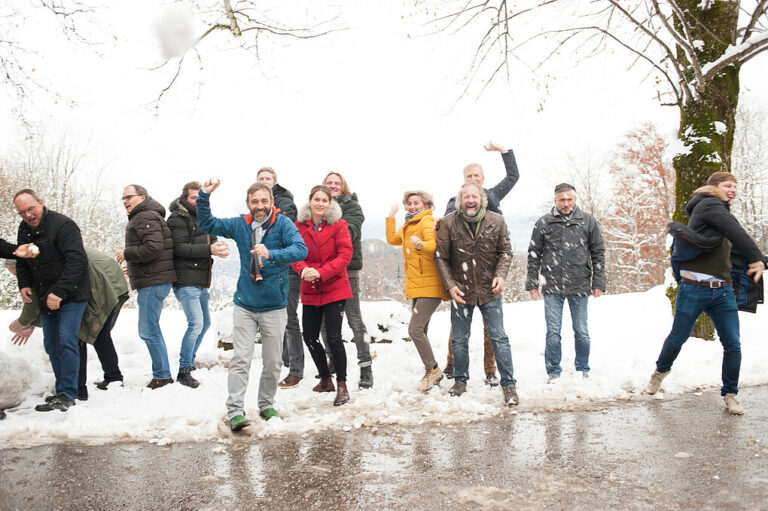
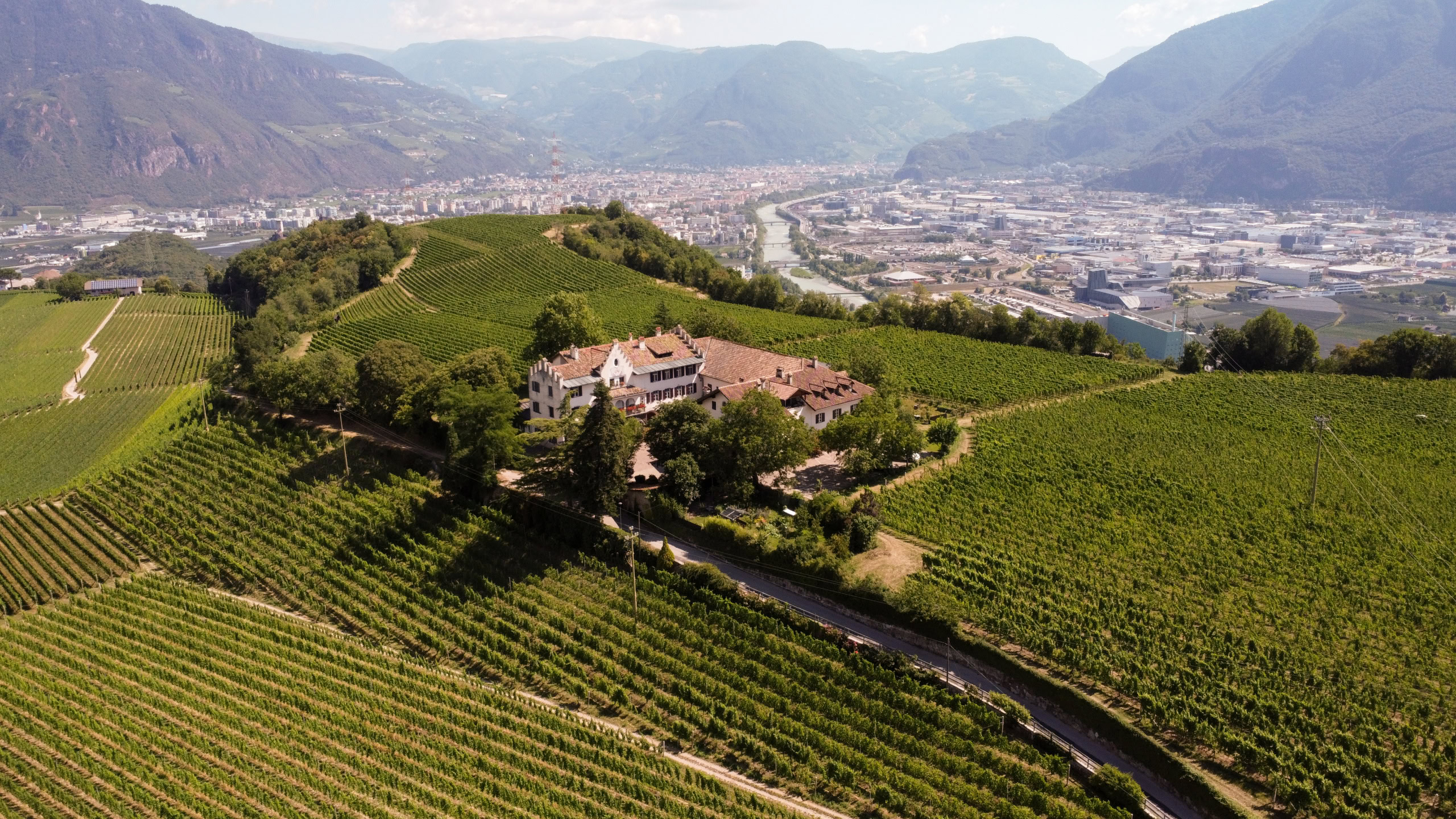
Why does biodynamics matter? Respekt-BIODYN is the ongoing effort of 25 growers from German-speaking wine regions to answer that question. Though there are many forms of holistic farming that benefit people, planet, vines and wines, this tight-knit Austria-based group believes that a shared commitment to viewing the teachings of philosopher and agricultural reformer Rudolf Steiner as a springboard for exchange, cooperation, shared learning, and support helps cultivate a sense of individuality that, ultimately, translates into more profound terroir expression and higher quality in their wines. Biodynamic Origins “The first 12 winemakers started in 2005,” explains the group’s leader, Michael Goëss-Enzenberg…...