For most wine drinkers, Riesling and Grüner Veltliner are gateways to Austrian wine. But with Austria’s wide range of climates and geography, this tiny country offers surprising varietal diversity. Forty-two different wine grapes are native or traditional, with expressions ranging from light and vibrant to rich and baroque.Topping the list are varieties with long histories in Austria: the red grapes Blaufränkisch and Zweigelt, the whites Chardonnay (known in Austria as Morillon) and Sauvignon Blanc. Then there are the 22 grapes on the back half of the list, each accounting for less than 1% of total plantings. All these varieties combined…
Sedale McCall is an award-winning wine writer, passionate about telling stories about the wines, regions and people that are not told enough. He holds his WSET Level 3 and Certified Specialist in Wine certifications.
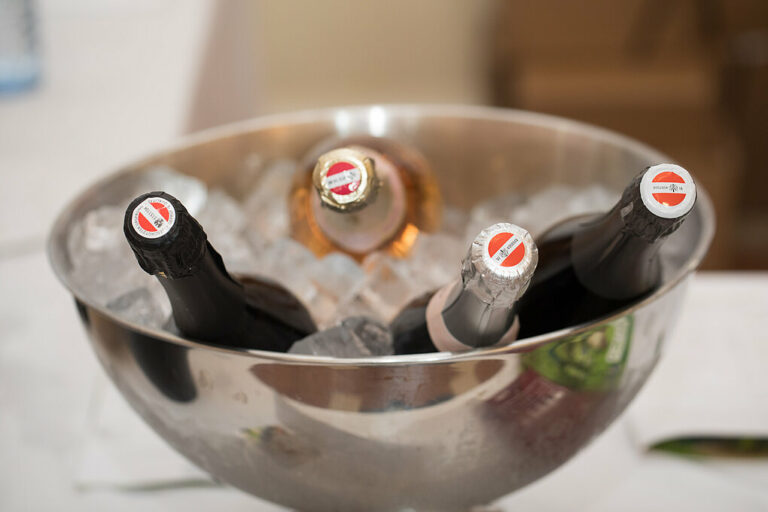
Austrian sparkling wines are filled with adventure, from serious Winzersekt (Austria’s answer to grower Champagne) to the refreshing fizz of pét-nat, a style the country was quick to embrace. The adoption of a three-tiered quality pyramid for Austrian sparkling wine in 2015 helped set the stage. The book 111 Austrian Wines You Must Not Miss includes nine sparkling wines that illustrate this effervescent trend. Three I’d like to spotlight here are the outstanding Winzersekte of Ebner-Ebenauer and Fred Loimer, which represent the absolute pinnacle of quality, as well as a pét-nat that was one of the first to make a splash…...
Whether you’re dropping into town for the bacchanalia that is Rieslingfeier or you’re a native New Yorker curious to get a taste of the latest and greatest in German and Austrian wines, here’s your hit list of bars and restaurants that make NYC the country’s best (if priciest) city to drink auf Deutsch. Updated November 2025 to remove Koloman, which has closed. G = German focus A = Austrian focus Noreetuh (G) Manager and co-owner Jin Ahn has turned this decade-old Lower East Side Hawaiian spot into the city’s ultimate insider Riesling hangout. Ahn’s exceptionally well-informed list is divided into Rieslings…...
When Italy’s Collio DOC voted in December 2024 to include orange wines in their disciplinare, the news barely caused a ripple in the grand lake that is global wine. Meanwhile, I was in a state of mild shock. One of Italy’s most conservative appellations had just voted to allow orange wines to bear its hallowed classification. The decision clearly made sense: Collio is ground zero when it comes to orange wine. It was here, after all, that seminal growers like Gravner and Radikon redefined skin-fermented white wines in the late 1990s. Once considered heretics, their approach is now established worldwide…....