Djuce first entered my periphery late last year at the New York City iteration of Karakterre’s natural wine fair. Amid a cheerful invasion of producers from what has winningly been dubbed “the Austro-Hipsterian Empire,” I narrowed my focus to taste at some touchstones of Austrian natural wine — Judith Beck, Zillinger, Heinrich, Meinklang, Nittnaus, Weninger. Hurrying between offerings of electric-amped Grüner Veltliner and ethereal Blaufränkisch, I brushed by a small table stacked with slim, colorful cans and a paper sign that read “Djuce.” I paused just long enough to register an internal eye roll at what I assumed was the bro-culture spelling and reflexive ecoism of yet…
Valerie Kathawala specializes in the wines of Germany and Austria. Her work appears in the pages of regularly in Noble Rot and SevenFifty Daily. She is the author of the "German Wine Scholar" (2025).
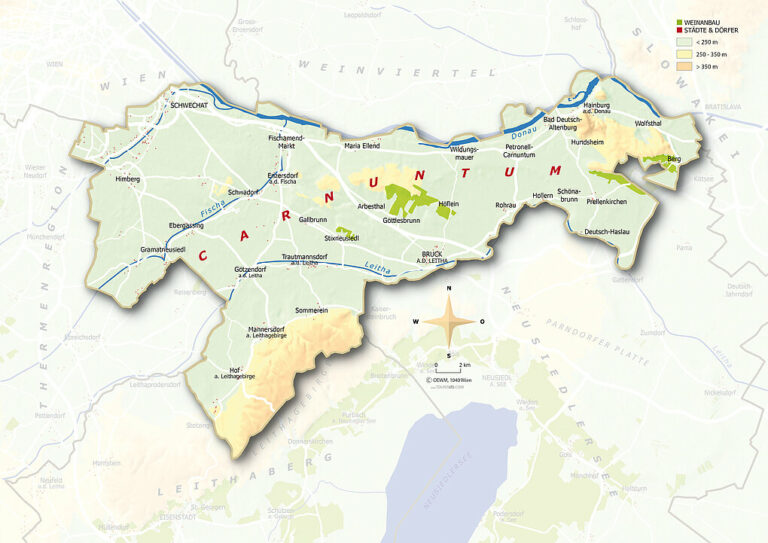
The little wine region of Carnuntum sits east of Vienna and south of the Danube. With a mere 900 hectares under vine, it distinguishes itself through an awareness of regionality developed early on. In 1992, when Austria was still largely classifying its wines by variety rather than origin, Carnuntum implemented the idea of a regionally typical red wine with the name Rubin Carnuntum. But reaching DAC origin status – oriented to the regional, village, single-vineyard wine concept – was still a long road away. This only took effect in 2019 and today Zweigelt Rubin Carnuntum is a regional wine. Although white…...
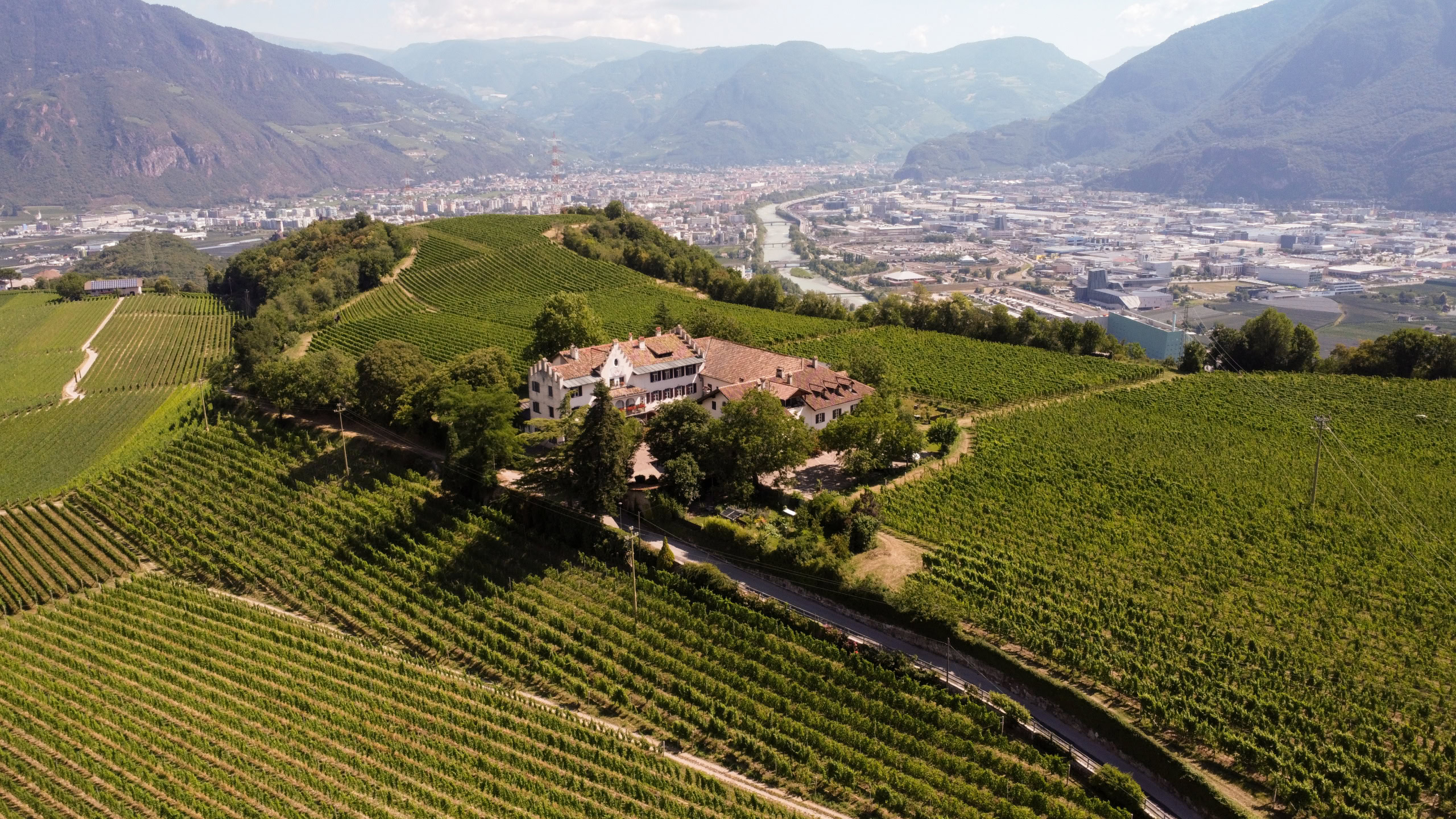
To mark a recent milestone anniversary, Austria’s association of traditional wine estates (ÖTW) invited into its fold a region that is in many regards the epitome of Herkunft, or origins. The Thermenregion, often held up as Austria’s Burgundy, brings a suitably deep and glorious wine tradition. The ÖTW’s intake process for the Thermenregion is in the final stages of fine-tuning, reports chairman Michael Moosbrugger. Most likely, white wines from Erste Lage, or premier cru, sites from the 2022 vintage will be the first to be classified, followed by the reds. “In joining the ÖTW, it was crucial that the region’s…...
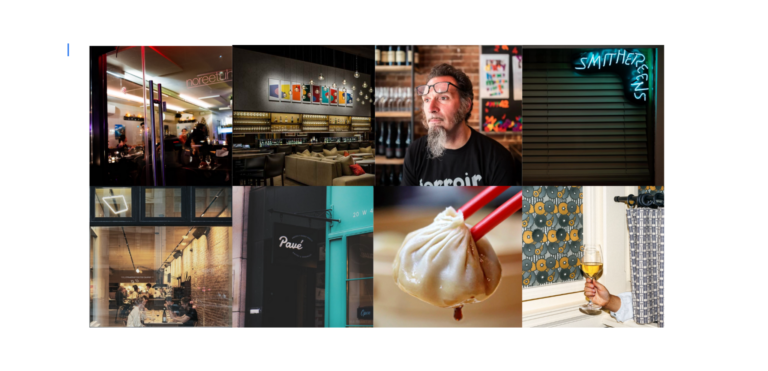
Whether you’re dropping into town for the bacchanalia that is Rieslingfeier or you’re a native New Yorker curious to get a taste of the latest and greatest in German and Austrian wines, here’s your hit list of bars and restaurants that make NYC the country’s best (if priciest) city to drink auf Deutsch. Updated November 2025 to remove Koloman, which has closed. G = German focus A = Austrian focus Noreetuh (G) Manager and co-owner Jin Ahn has turned this decade-old Lower East Side Hawaiian spot into the city’s ultimate insider Riesling hangout. Ahn’s exceptionally well-informed list is divided into Rieslings…...