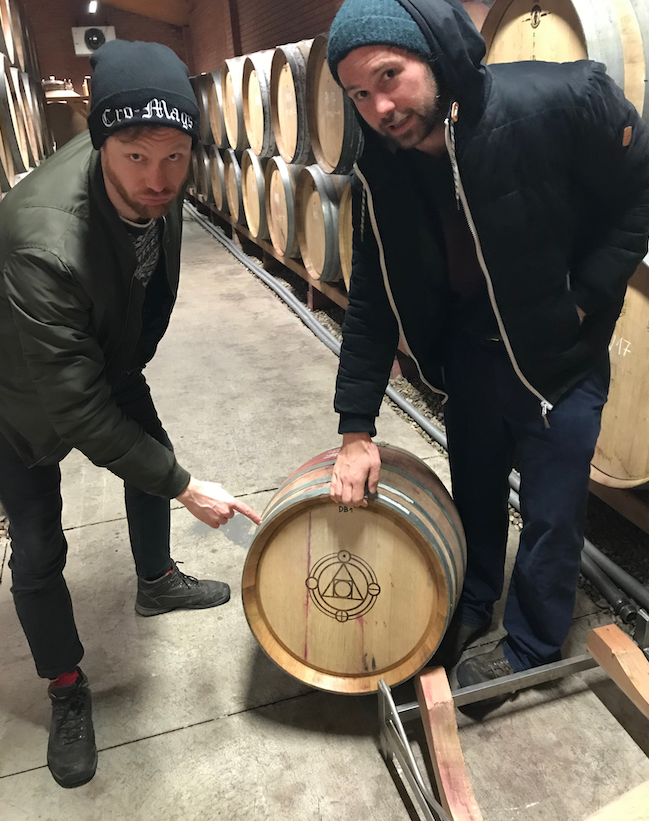
Shaping our wines is like sculpting: you start with a rock and you chisel out the sculpture,” Martin Nittnaus, 34, states confidently. The arts are never far away when you speak to the oldest son of winemakers Anita and Hans Nittnaus. Like his father, who dreamt of becoming a musician, Martin never planned on a life in wine. He went to university to study English literature and philosophy. But blood is thicker than water, and this year marked his sixth vintage working the plots his father gave to him and his brother, Andreas (Andi, 31). The Nittnaus estate is in Gols,…
A geographer by training, Bart’s understanding of soil, geomorphology, and climate, important factors in winemaking, was kindled at an early age. But it was his move to Basel, on the doorstep of Baden and Alsace, that really stirred up his interest for wine. Since his studies at the Austrian Weinakademie, wine has been his profession. Apart from writing for several European publications, such as Perswijn (NL), Apéritif (Norway), Metropole (Austria), Bart organizes wine trips and moderates tastings. An avid amateur flautist, Bart is also very honored to be writing the English program notes for the Sinfonieorchester Basel for the fourth season running.
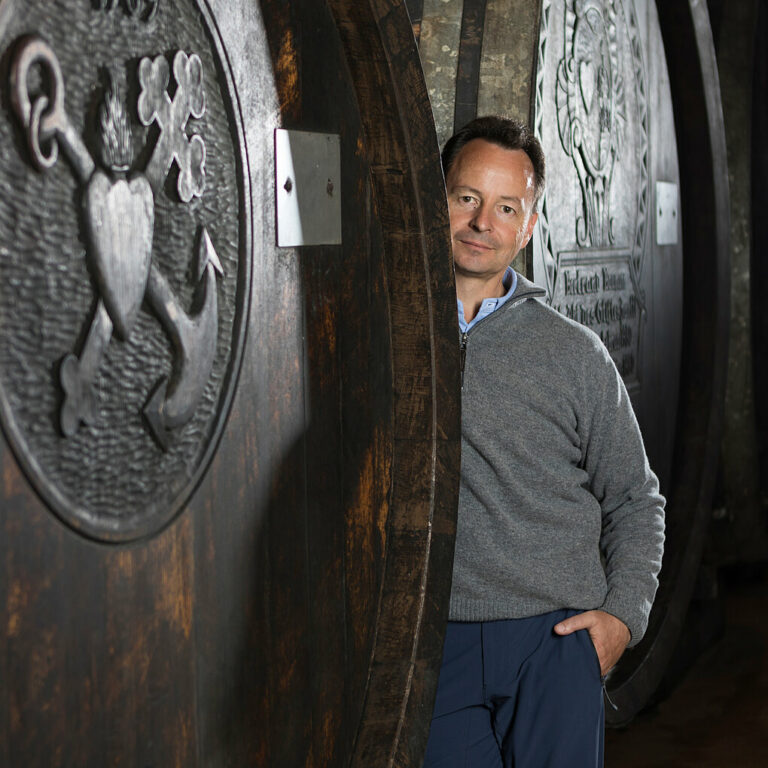
It’s hard to think of any one who has had greater influence over where Austrian wine is heading than Schloss Gobelsburg proprietor and Austria’s Traditionsweingüter (ÖTW) chairman Michael Moosbrugger. In part two of their conversation, David Schildknecht sounds out Moosbrugger on classification, appellation, and how music can illuminate wine. The following interview – translated and edited by the interviewer – was conducted in writing as well as orally in spring 2022. Occasional excerpts from earlier conversations and correspondence have been interpolated. Consolidation under topical headings as well as the insertion of punctuation were at the interviewer’s discretion in an effort…...
The scent of pine trees is a time machine, a brusque mix of barbed, balsamic beauty. I have a million pine memories. One good whiff and I’m transported home, sap streaking the inside of my scraped arms as I scale the tall white pine in our neighbor’s backyard, lunchbox dangling from the rear belt loop of my short pants. Lost in a cross-hatching of aromatic needles. I’m in the warming house of the town rink, my toes aching with cold. Silhouetted skaters float and spin on the bumpy ice outside. A pine fire acrid with resin heaves black smoke up…...
For most wine drinkers, Riesling and Grüner Veltliner are gateways to Austrian wine. But with Austria’s wide range of climates and geography, this tiny country offers surprising varietal diversity. Forty-two different wine grapes are native or traditional, with expressions ranging from light and vibrant to rich and baroque. Topping the list are varieties with long histories in Austria: the red grapes Blaufränkisch and Zweigelt, the whites Chardonnay (known in Austria as Morillon) and Sauvignon Blanc. Then there are the 22 grapes on the back half of the list, each accounting for less than 1% of total plantings. All these varieties…...
Trink Magazine | Valerie Kathawala hazards forecasts for the future of wines from Alto Adige-Südtirol, Austria, Germany, and German-speaking Switzerland.
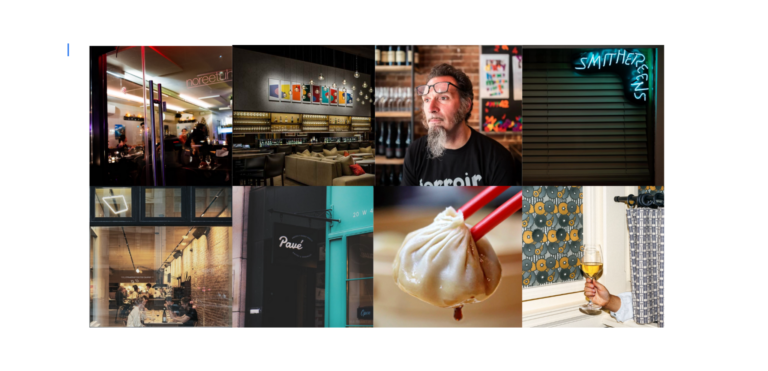
Whether you’re dropping into town for the bacchanalia that is Rieslingfeier or you’re a native New Yorker curious to get a taste of the latest and greatest in German and Austrian wines, here’s your hit list of bars and restaurants that make NYC the country’s best (if priciest) city to drink auf Deutsch. Updated November 2025 to remove Koloman, which has closed. G = German focus A = Austrian focus Noreetuh (G) Manager and co-owner Jin Ahn has turned this decade-old Lower East Side Hawaiian spot into the city’s ultimate insider Riesling hangout. Ahn’s exceptionally well-informed list is divided into Rieslings…...