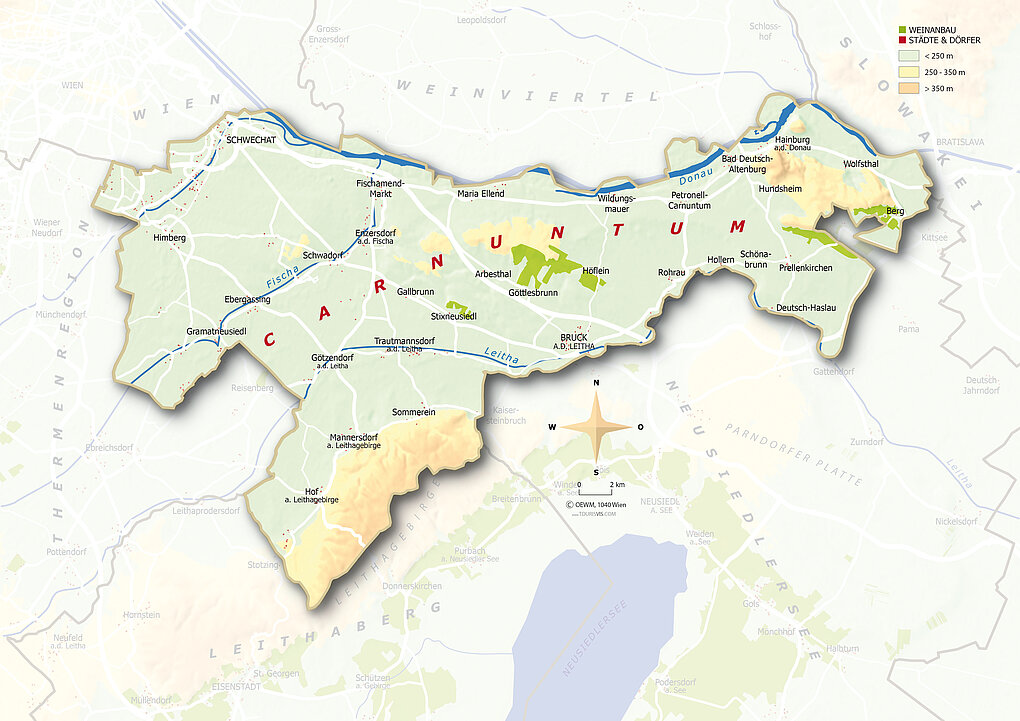
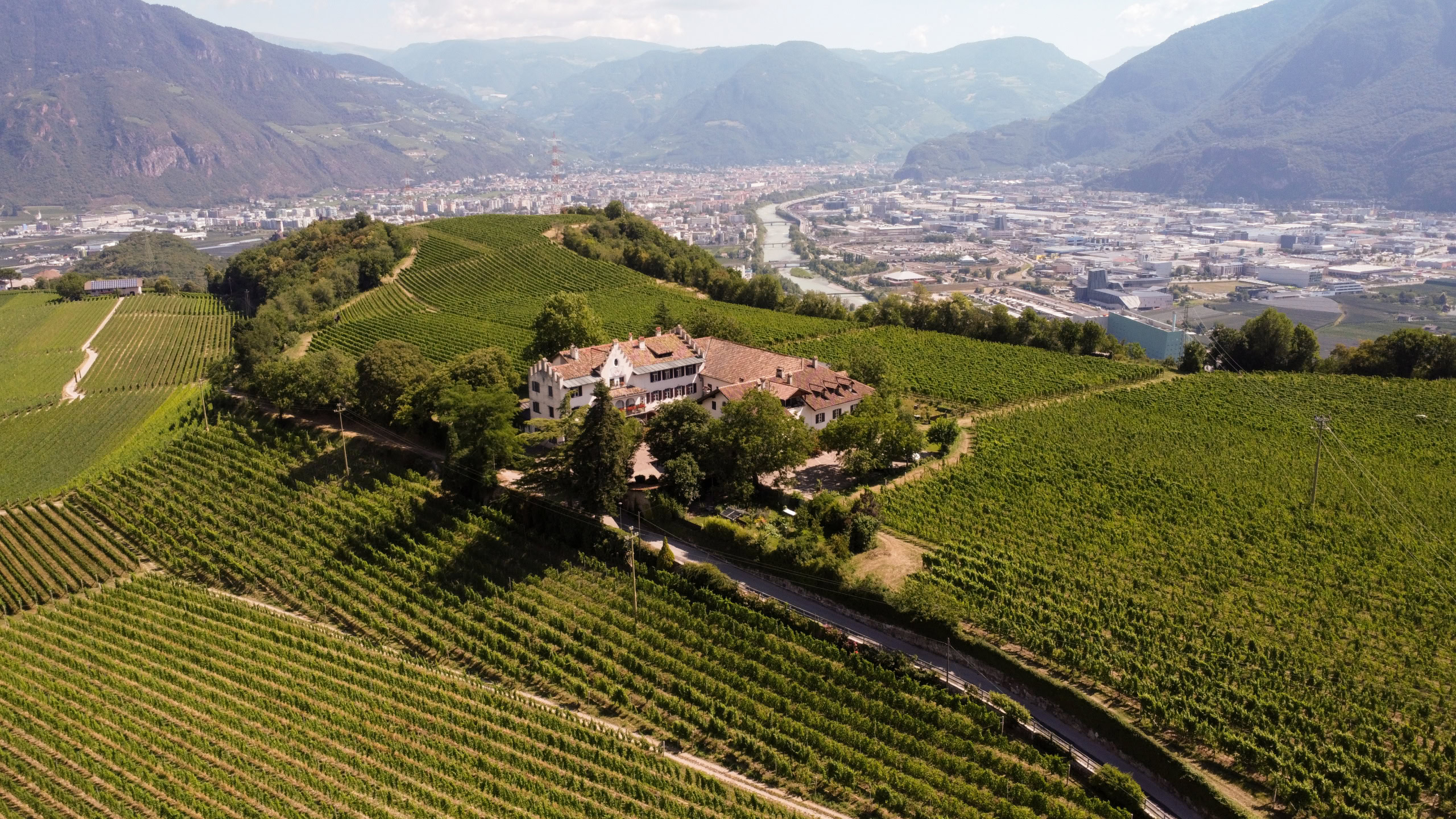
The little wine region of Carnuntum sits east of Vienna and south of the Danube. With a mere 900 hectares under vine, it distinguishes itself through an awareness of regionality developed early on. In 1992, when Austria was still largely classifying its wines by variety rather than origin, Carnuntum implemented the idea of a regionally typical red wine with the name Rubin Carnuntum. But reaching DAC origin status – oriented to the regional, village, single-vineyard wine concept – was still a long road away. This only took effect in 2019 and today Zweigelt Rubin Carnuntum is a regional wine. Although white…
Daniela Dejnega studied landscape design and discovered her love of wine while writing her thesis on "Erosion prevention in viticulture." Afterwards, she trained at the Weinakademie in Rust, Austria. She now lives in Vienna where she works as an editor at a viticultural trade magazine, writes regularly for Austrian wine publications, and is a frequent judge and taster at wine competitions.
Whether you’re dropping into town for the bacchanalia that is Rieslingfeier or you’re a native New Yorker curious to get a taste of the latest and greatest in German and Austrian wines, here’s your hit list of bars and restaurants that make NYC the country’s best (if priciest) city to drink auf Deutsch. Updated November 2025 to remove Koloman, which has closed. G = German focus A = Austrian focus Noreetuh (G) Manager and co-owner Jin Ahn has turned this decade-old Lower East Side Hawaiian spot into the city’s ultimate insider Riesling hangout. Ahn’s exceptionally well-informed list is divided into Rieslings…...
It would be easy to dismiss what happens in the tiny winegrowing country of Switzerland as an inconsequential alpine eddy, an iridescent surge in the great river of wine. After all, the nation boasts a mere 15,000 hectares of vines, ranking it only 132nd worldwide in terms of area. But do so at your own peril. After all, the Rhine itself begins in this country, high in the hills of Graubünden some 120 km due south of Switzerland’s capital city. In that spot, it is little more than a spring-fed stream off Lake Toma. “To me, the Rhine looks very…...
It takes little to be happy. And he who is happy is king.” This 19th-century German song – with just two lines – expresses how good a simple life, with little, can be. Just how little is something each of us has experienced, almost daily, this year. Finding the joy in this can be difficult, and regrettably few have managed to perceive the freedom in “less.” Two people who did so long ago are Heike und Gernot Heinrich of Weingut Heinrich in Austria’s Burgenland. I visited them in early September, during Europe’s pandemic lull. The timing couldn’t have been better…....
Austria’s vineyard classification is nearing legal status. Can its grand-cru model withstand its critics — and travel beyond Austria? A conversation with ÖTW Managing Director Michael Tischler-Zimmermann.
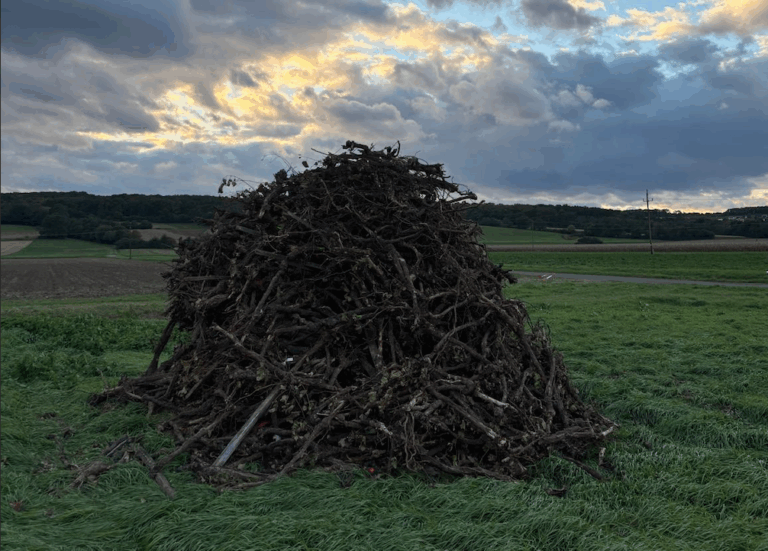
In slanting early morning light, a shadow crosses a vineyard. The figure moves row by row, ripping out vines and casting them onto a large, burning pyre. The blaze stretches to greet the sun as it rises above a mountainous horizon. There is fire from all points of the compass. Death is in the air. The culprit is a phytoplasm fatal to Vinifera vines. Its spread is aided by the American grapevine leafhopper (Scaphoideus titanus), a dwarf cicada native to North America. As it feasts on the vines, it transmits the pathogen of what is known in German as Goldgelbe…...