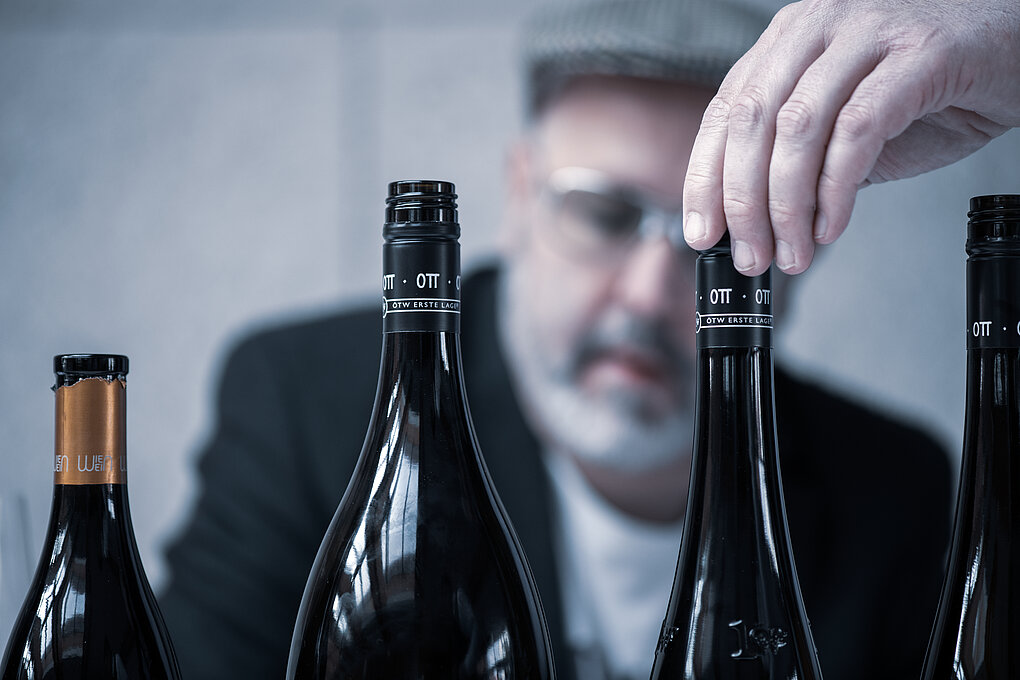
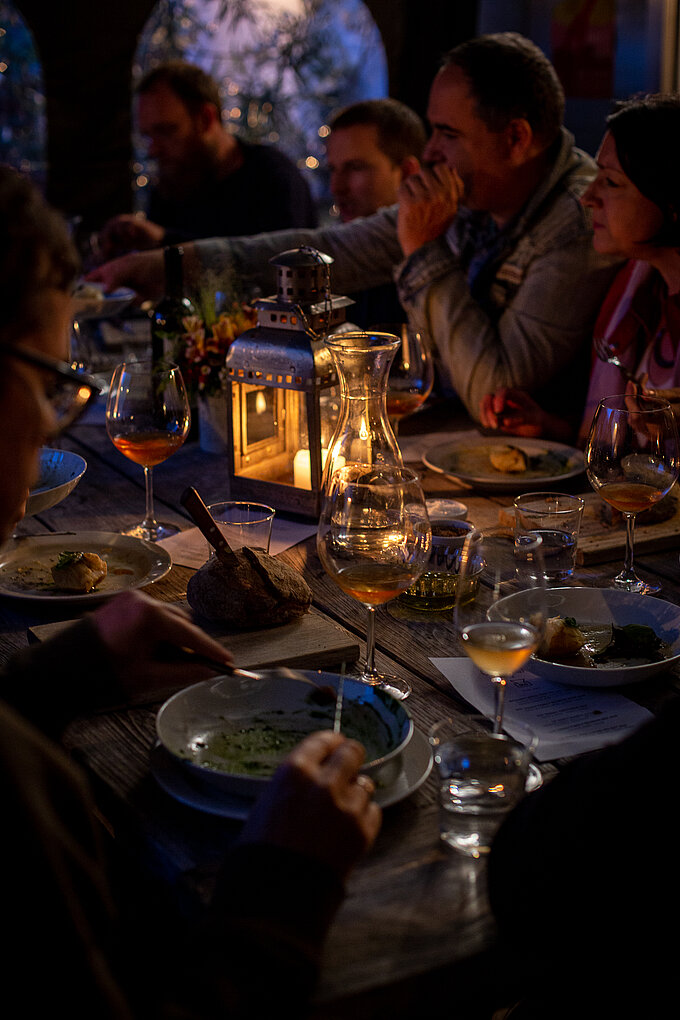
12/17/2021 Photo credit: Jürgen Schmücking Swine Wines in the Steiermark By Sebastian Bordthäuser In mid-October, Koch.Campus invited guests to a first-class pig-out in Trautmannsdorf, in Steiermark. “Going Whole Hog!” was the stated theme: two days of digging into the question of what differentiates the various heritage breeds from one another, and which provides the best meat. This combination of swine and wine catapulted the topic into the Champions League, and raised equally enthralling questions: Is there such a thing as terroir pork? Which wines are best suited to pair with various breeds? How much raw pork can I sample…
Sebastian Bordthäuser’s original dream was to be a rockstar. But between solos and concerts, he developed a hunger and thirst for good food and wine — and the people and stories behind them. And so trading his guitar for books, he began studying German and English literature. He spent more than a decade working in gastronomy before setting out as a freelance sommelier, author, and journalist. His work appears regularly in many of Germany's top publications, including Effilee, Welt am Sonntag, Der Feinschmecker, and Meiningers Sommelier-Magazin. Wine, food, cooking and travel remain the heart of his matter.
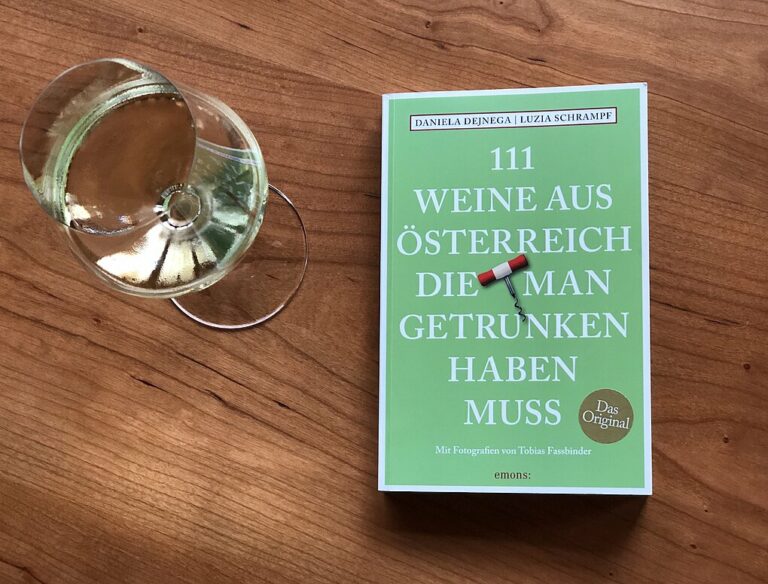
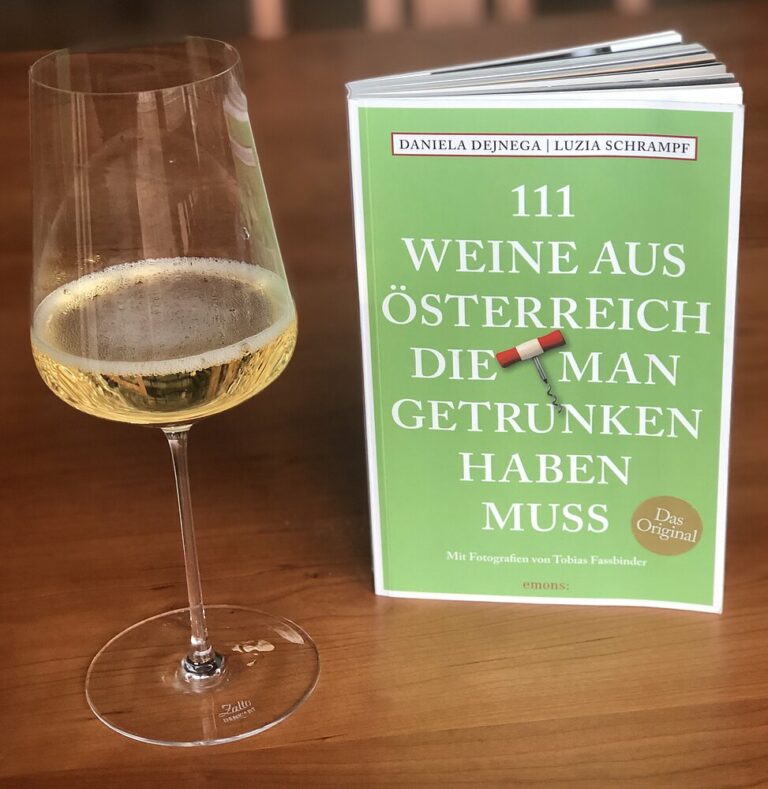
With its nearly ideal set of conditions — location, climate, indigenous varieties —Austria’s Thermenregion curiously remains an insider secret. In addition to a colorful mix of varieties common in Austria, this region just south of Vienna devotes 200 of its 2,200 hectares to the autochthonous grapes Rotgipfler and Zierfandler. They are the region’s great opportunity and are now back in growers’ sights, as illustrated by their well-deserved inclusion in the book 111 Weine aus Österreich, die man getrunken haben muss. Beyond this, some producers here are venturing into new areas, like pét-nat, while among red wines, Sankt Laurent and Pinot…...
This article is an excerpted chapter from We Don’t Want Any Crap in Our Wine (2019). After the book went to print, the Rennersistas informed the author that Susanne Renner left the winery, which will now be run by siblings Stefanie and Georg. In 2015, Susanne and Stefanie Renner took over the family wine business in Gols, Austria and became their parents’ bosses. In short order, the sisters converted to biodynamics and created their own line of wines, Rennersistas, in addition to the family’s traditional red Renner cuvées. Ever since, Susanne and Stefanie have reveled in the freedom of making…...
Austrian sparkling wines are filled with adventure, from serious Winzersekt (Austria’s answer to grower Champagne) to the refreshing fizz of pét-nat, a style the country was quick to embrace. The adoption of a three-tiered quality pyramid for Austrian sparkling wine in 2015 helped set the stage. The book 111 Austrian Wines You Must Not Miss includes nine sparkling wines that illustrate this effervescent trend. Three I’d like to spotlight here are the outstanding Winzersekte of Ebner-Ebenauer and Fred Loimer, which represent the absolute pinnacle of quality, as well as a pét-nat that was one of the first to make a splash…...
These days, when I discover a new wine producer, it usually happens at a restaurant. I turn the bottle around, read the information on the label, and later, research the wine on the Internet, looking for a blog post or something reliable on Instagram. Maybe I’ll find a few photos, or a social media post from someone I trust who has actually met the winemaker. Someone lucky enough to be living in Europe, who is able to do what I once did on a regular basis: hop on a train, rent a car, find the vineyard — or, meet the…...
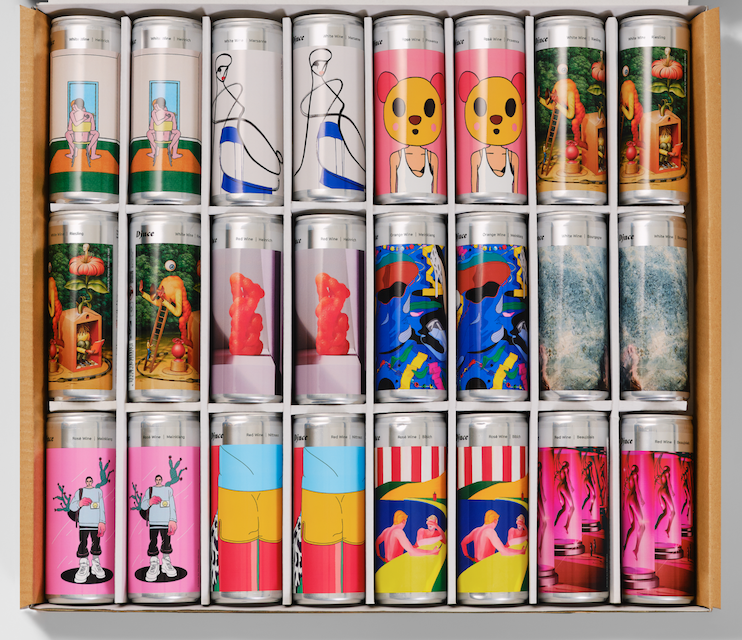
Djuce first entered my periphery late last year at the New York City iteration of Karakterre’s natural wine fair. Amid a cheerful invasion of producers from what has winningly been dubbed “the Austro-Hipsterian Empire,” I narrowed my focus to taste at some touchstones of Austrian natural wine — Judith Beck, Zillinger, Heinrich, Meinklang, Nittnaus, Weninger. Hurrying between offerings of electric-amped Grüner Veltliner and ethereal Blaufränkisch, I brushed by a small table stacked with slim, colorful cans and a paper sign that read “Djuce.” I paused just long enough to register an internal eye roll at what I assumed was the bro-culture spelling and reflexive ecoism of yet…...