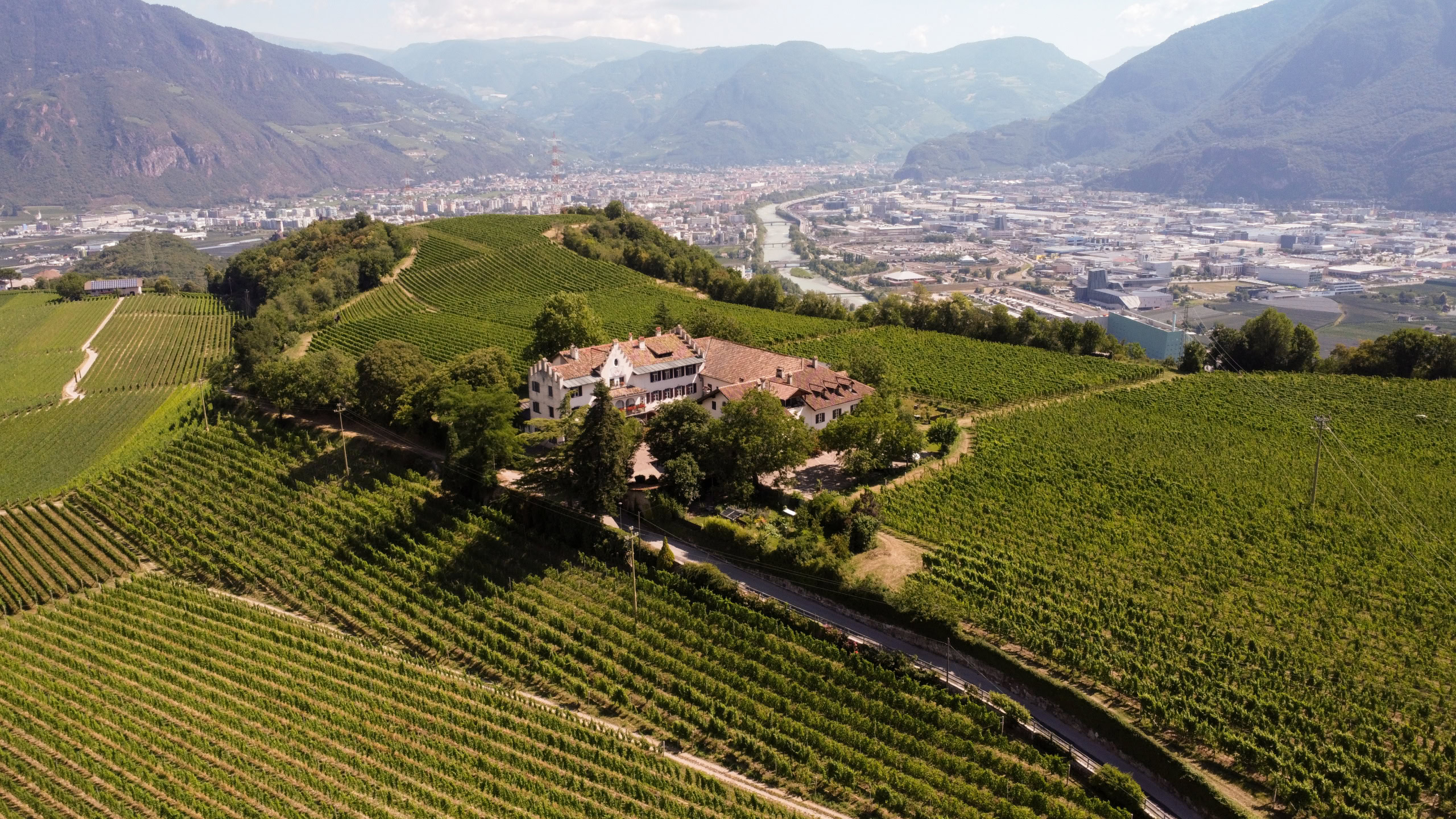
Karakterre Driven
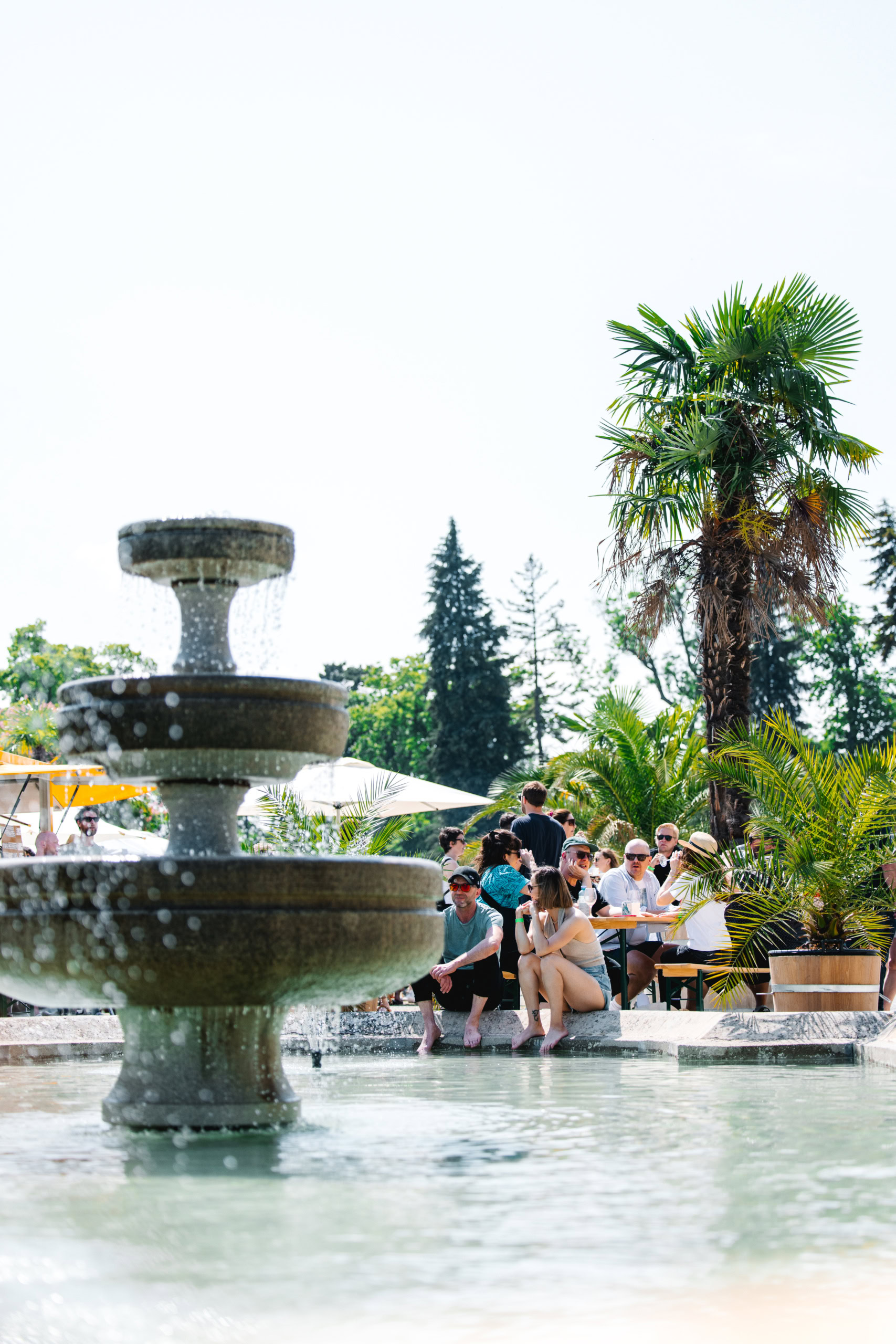
Photo credit: Karakterre/PhilandAI
The festival where character meets connection over a glass of wine

The festival where character meets connection over a glass of wine

Małgorzata Partyka began writing about wine in 2015. The scientific experience gained from her PhD in human molecular biology helped her write two articles that were published in the Jancis Robinson Wine Writing Competitions of 2017 and 2020. Today, she writes about wine and food for Polish online and print magazines. She lives in Warsaw with her partner and young son.
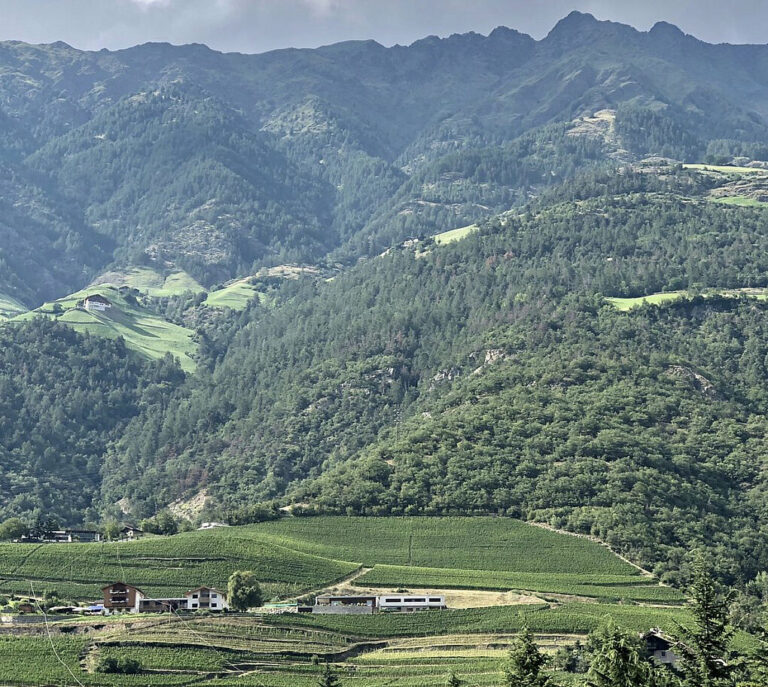
Trink Magazine | With forests, glaciers, and vineyards that soar above 1,300 elevation, the Vinschgau remains a bastion of true cool climate wines. By Valerie Kathawala
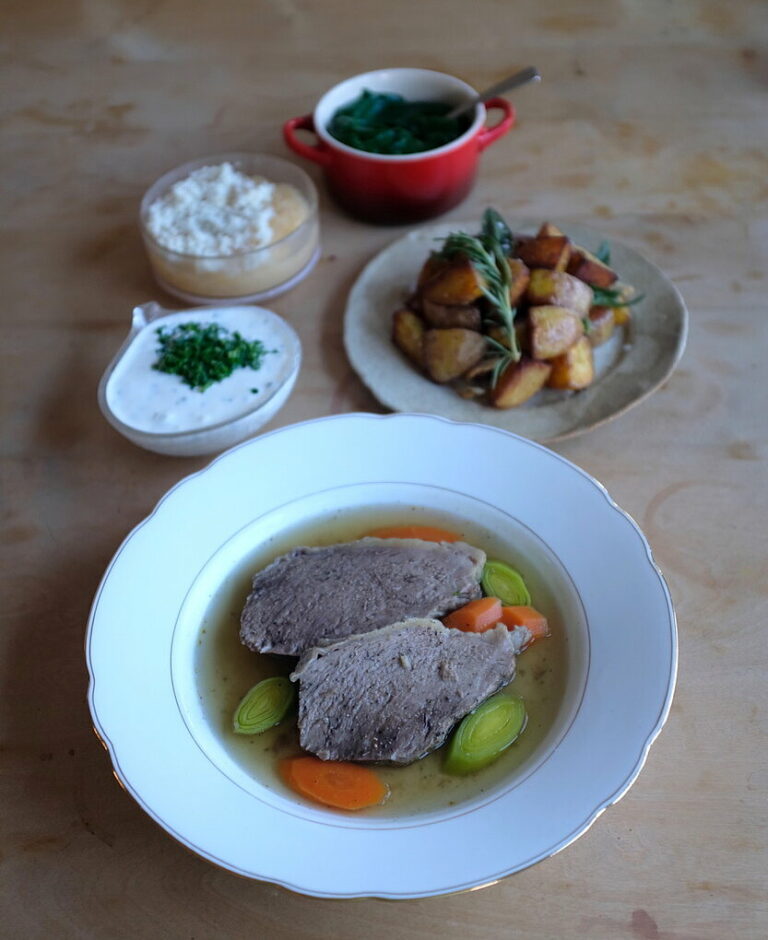
Tafelspitz is the Austrian inspiration for holiday feasting. Emily Campeau tells the story and offers a fool-proof recipe.
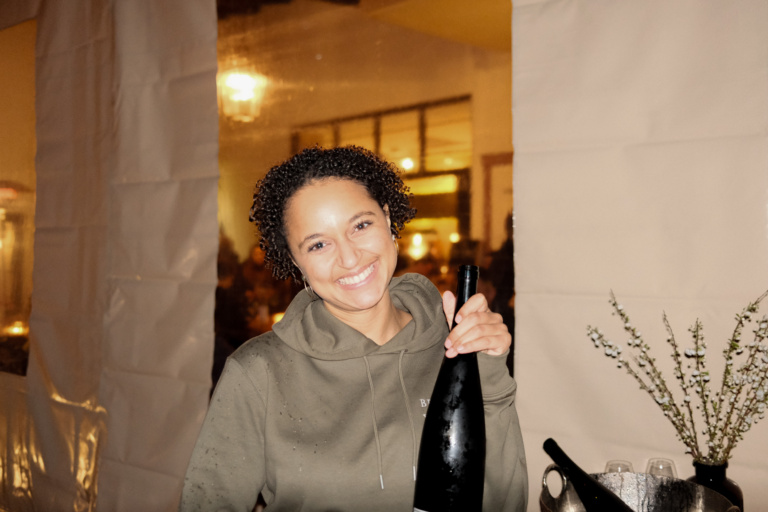
At 31, Isabella (“Bella”) Keller-Rutayungwa is already a force in German wine. She’s an entrepreneur who launched her own wine import company, a Master of Wine student, the mind behind a globally popular pop-up bar, a part-time grower at Weingut Keller, one of Germany’s most respected estates — and the newest member of German wine’s highly respected “royal family.” Beyond all this, what sets Keller-Rutayungwa apart is her conviction that fine wine (she prefers a different term) is for everyone. Her mindset is already changing how people approach the wines she champions. She’s got a winning backstory, smart ideas around…...
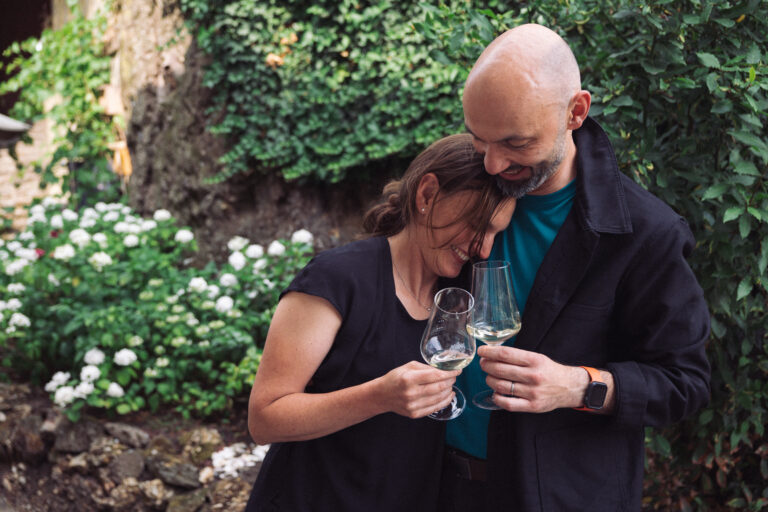
For Valentine's Day, how a chocolate and wine pairing made for a meet-cute that is now writing a new wine narrative in the Nahe.
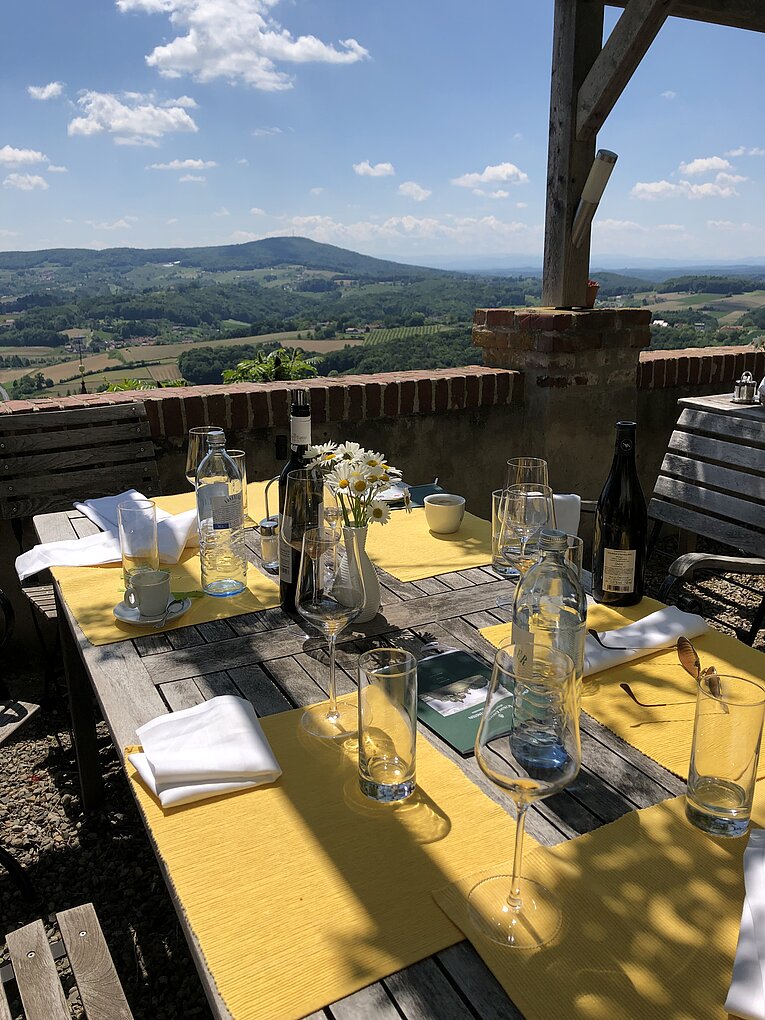
12/17/2021 Wines with a View at Winkler-Hermaden By Jill Barth The story of Weingut Winkler-Hermaden and its home in a striking 11th-century castle starts with a “small, tough” woman. That woman, Magdalene Helene, was current proprietor Georg Winkler-Hermaden’s grandmother. When he found her diary, which she kept from her arrival at the Schloss Kapfenstein in 1916 through WWII, he “began to read and couldn’t stop until the book was finished.” In 1916, Magdalene Helene came to the castle as a young woman to work as a maid. Just two years later, her employer died and bequeathed the Schloss and…...
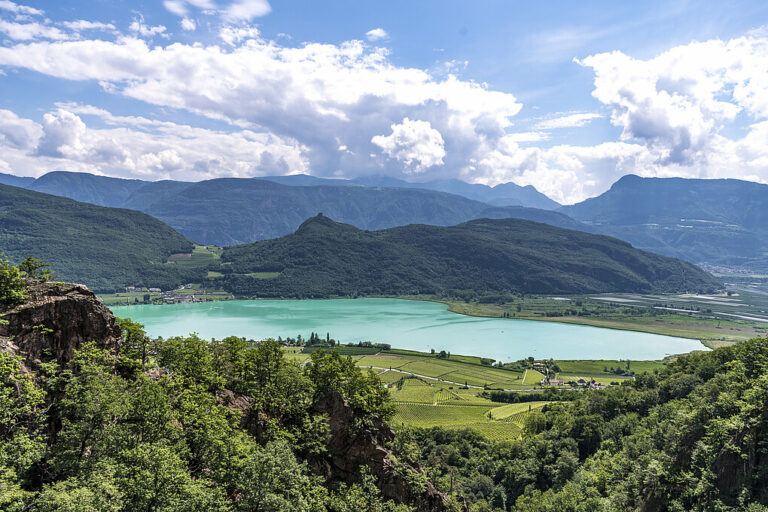
Kalterersee is Alto Adige-Südtirol’s oldest DOC zone, and the most fragrant and floral expression of Vernatsch in the region.
© 2026, TRINK Magazine. No portion of this article may be copied, shared or re-distributed without prior consent from TRINK.