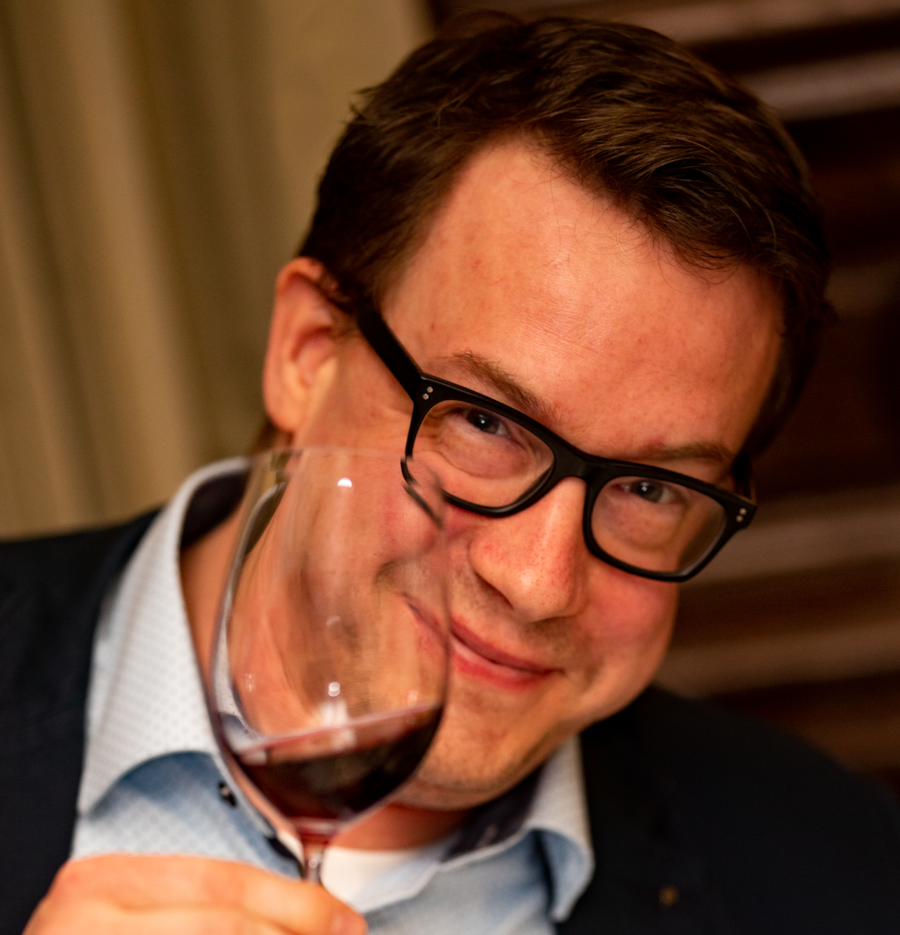
A fresh crop of Masters of Wine was announced late last month: Ten individuals who have grasped the holy grail of wine education. Among them is Moritz Nikolaus Lüke of Bonn — the tenth German to achieve the distinction. He joins an elite crew who have earned the title by passing legendarily rigorous blind tasting examinations and writing a series of theory papers as well as a research-based thesis. TRINK caught up with Lüke to find out what the experience was like, learn about his Covid-driven research paper — and get an answer to the question we’re all naturally most curious about: what he drank…
Valerie Kathawala specializes in the wines of Germany and Austria. Her work appears in the pages of regularly in Noble Rot and SevenFifty Daily. She is the author of the "German Wine Scholar" (2025).
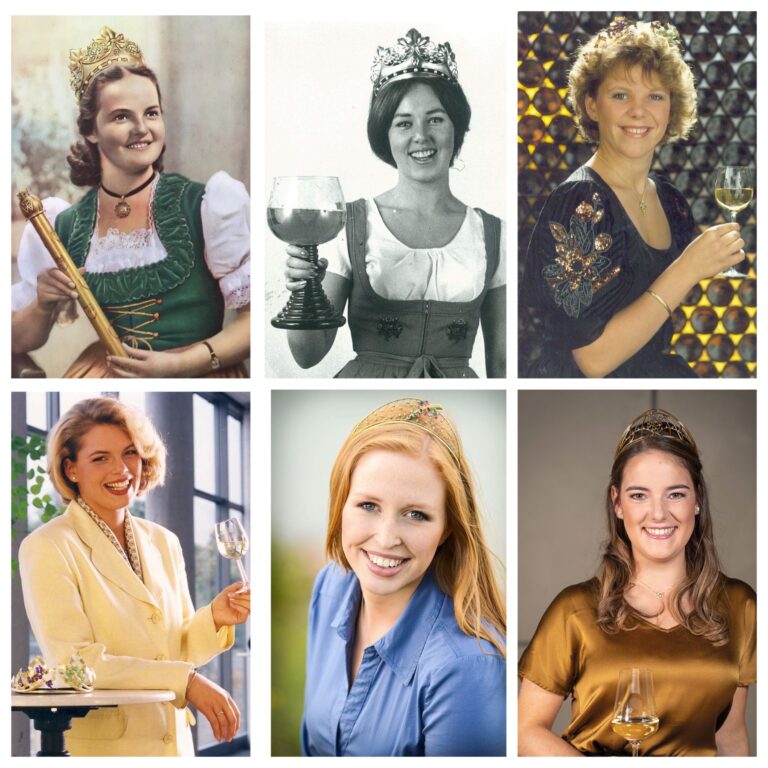
The story starts with a pedicure and a camping van. Each year when the German wine queen visits New York City, Paul Grieco treats her to a pedicure. (If the queen’s mother is also visiting, she gets one, too.) Grieco is a sommelier, vocal Riesling advocate, and owner/manager of Terroir wine bar in New York. He is also part jester, reveling in the micro-tradition of the pedicure while also pointing toward the intellectual esteem in which he holds every queen he’s ever met. Grieco honors the queens, he said, “because we [at Terroir] are fans of history and culture and [the queens] are an…...
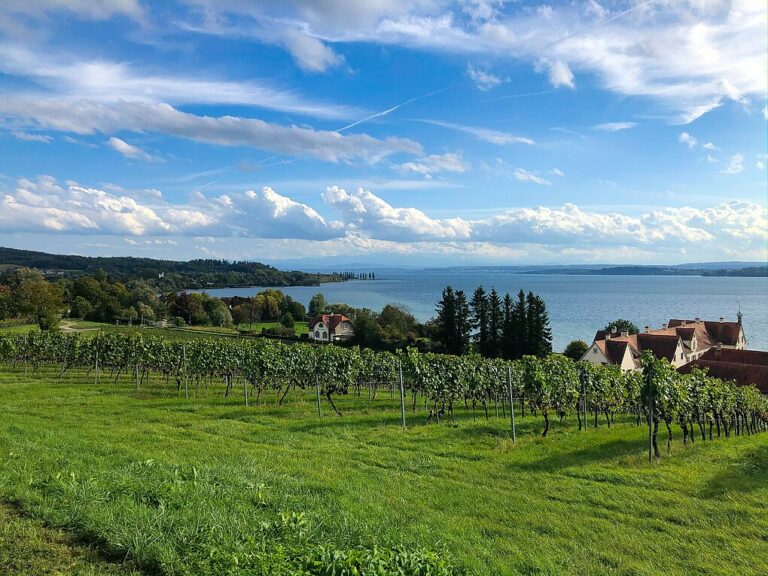
Ask a German about their favorite domestic vacation spots and Bodensee — aka Lake Constance — routinely sits near the top of the list. The country’s largest lake offers plenty of water and winter sports, proximity to Switzerland and Austria, the island of Mainau, and the Reichenau peninsula with its medieval history and churches. Then ask about dream winegrowing destinations, and watch Bodensee slip way, way down the list. With a reputation for simple wines that do little more than embody lake life, it is no wonder that in recent times Bodensee has struggled to be taken seriously. But a small group of young…...
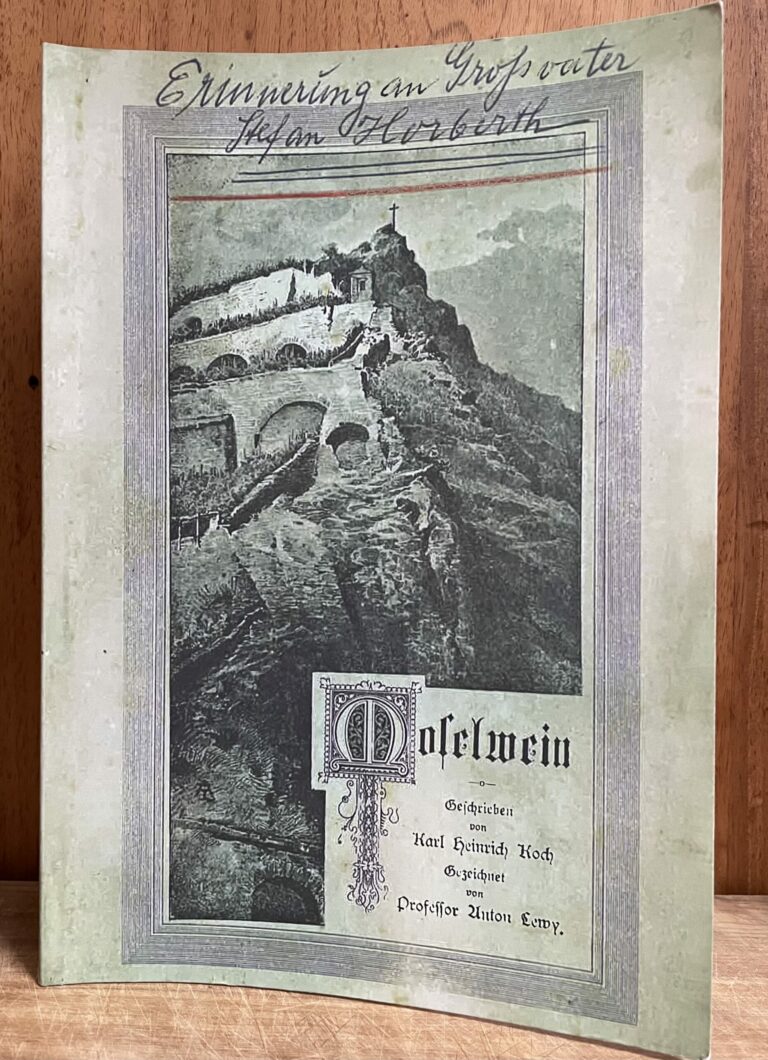
We like to think of Mosel wine as eternally glorious. The river valley’s nearly 2,000-year vinous history, its relics of Roman civilization and tributes to Celtic wine gods, its very viticulture carved with seeming permanence into stony banks all suggest an unbroken line. But an excellent new book, edited by Lars Carlberg, with able assistance from David Schildknecht, Kevin Goldberg, and Per Linder, underscores the extent to which the Mosel’s glory has been far more ebb than flow. Such awareness only makes the late 19th-century golden age that is the book’s focus more luminous. The book nests together several components…....
Zeter assesses the natural bounty of his home, the Pfalz, with the eye of a chef. The soils are his mise en place — the basis of his work — the grape varieties are the ingredients he brings to the table and the bottle. His favorite ingredient — Sauvignon Blanc — has become his trademark. This love came early: in South Africa, 1992, at the Buitenverwachting winery in Cape Town. Now, he is celebrating 15 years as a Sauvignon Blanc iconoclast himself. A recent vertical tasting spanning his first vintage in 2007 to the current release, 2021, made clear the value of following palate…...
It is Friday night and I’m terrified. In 24 hours, a top sommelier is coming to our house for dinner. A sommelier who puts together the wine lists for a global restaurant group; a sommelier who has spent over 30 years training more somms than I’ve seen typos on a wine list; a sommelier who matches food and wine the way the rest of us match our Sunday outfits. And tomorrow, I’m responsible for the wine. My wife draws up a shopping list for the meal, blissfully unconcerned. “We’re not a restaurant,” she says, “why should she expect Michelin-starred cooking?”…...
Gerhild Burkhard, founder of the International Sparkling Festival, reveals everything you've always wanted to know about sekt (*but were afraid to ask).