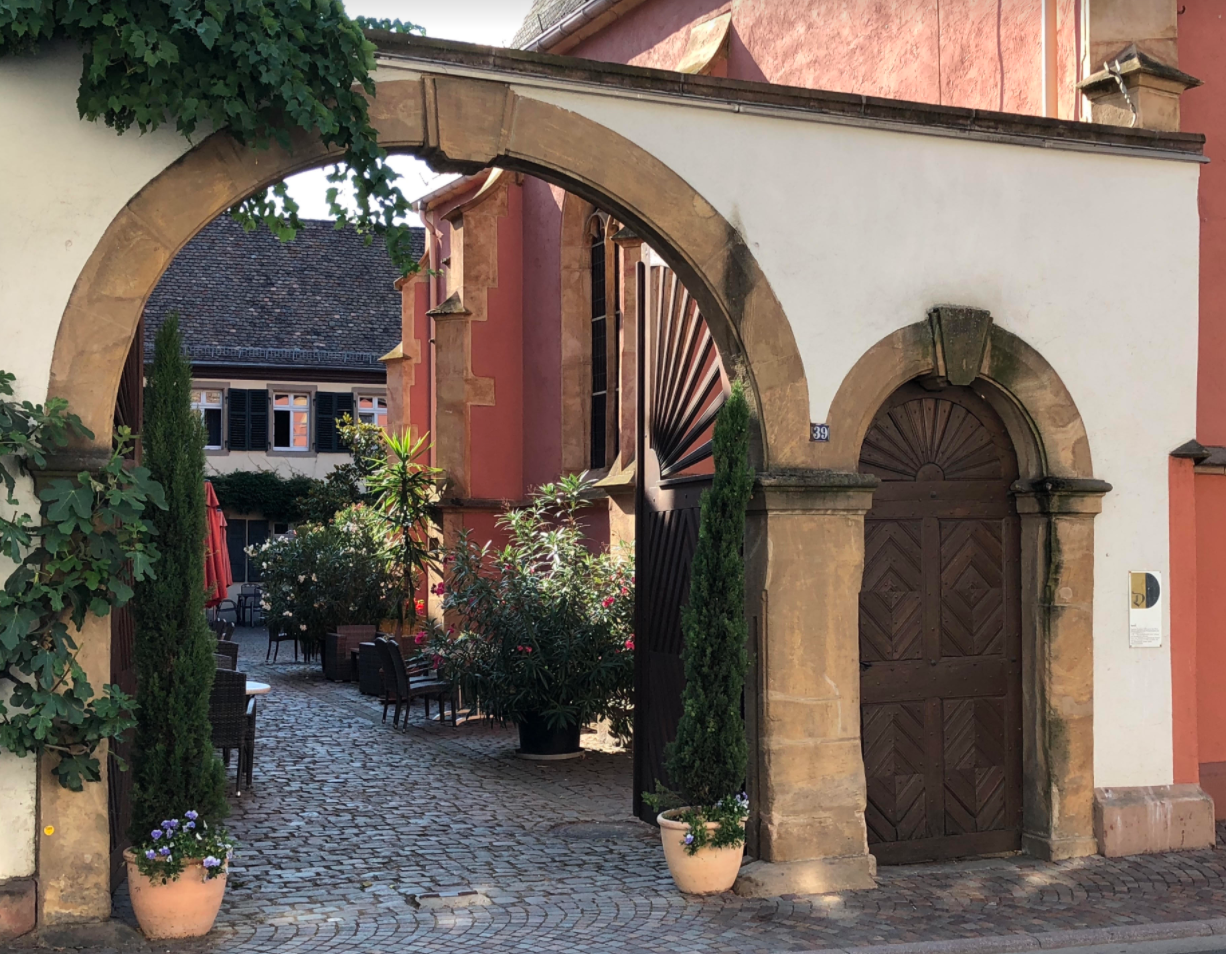
The Pfalz is Germany’s second-largest wine region (by volume) — and perhaps its biggest surprise. The south-of-the-Alps feel of abundance and harmony stems from geographic confluence, where the sheltering Haardt mountains meet Rhine river plain. With Rheinhessen to its north and Alsace due south, it’s a wholly unexpected idyll of fig, lemon, and almond trees, pastel villas, and gentle vine-wrapped slopes as far as the eye can see. Amid this beauty, the Pfälzer live with French-inflected savoir-faire. This amplitude is all there in the wines. Within a compact 85-km north-south span, 130 villages and seemingly countless vineyards are tightly packed north to…
Valerie Kathawala specializes in the wines of Germany and Austria. Her work appears in the pages of regularly in Noble Rot and SevenFifty Daily. She is the author of the "German Wine Scholar" (2025).
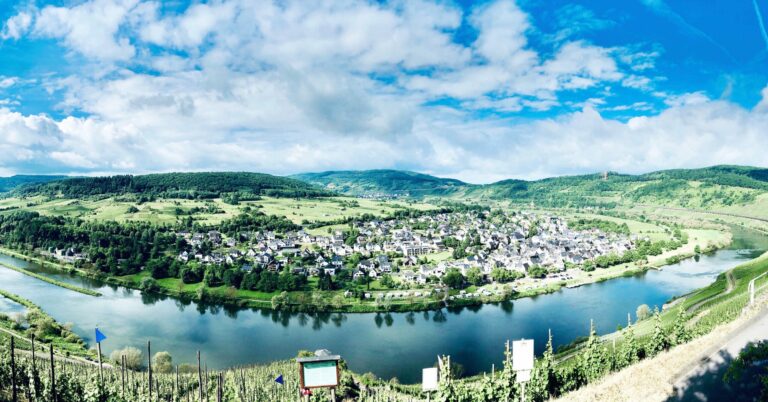
The Mosel, Germany’s oldest winegrowing region, knows how to beguile. The Rheingau swathes itself in the trappings of nobility, Baden boasts of its sunshine, the Mittelrhein beckons with Romanticism. The Mosel, however, reaches straight for myth. There are many recaps of the growing region readily available, so let’s focus on something else instead: what makes the Mosel unique — now, then, and, likely, in the future. Not for nothing is the biggest annual wine fair along the Mosel River entitled “Mythos Mosel.” The name, and the event itself, attest to the enduring power the Mosel holds in the imagination of the wine-drinking…...
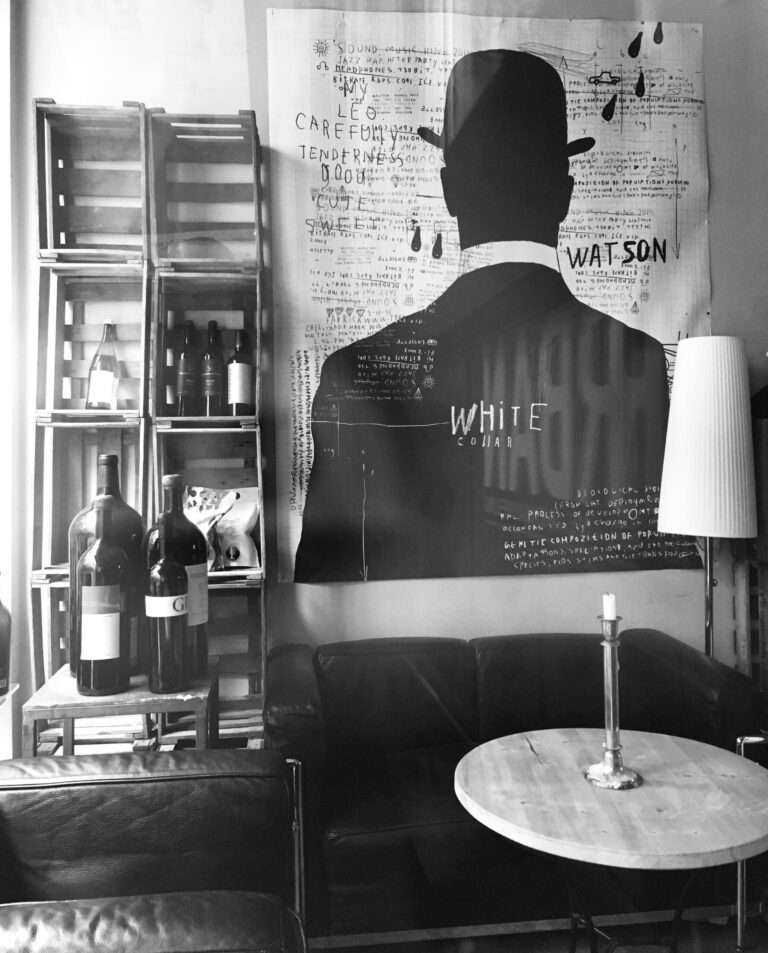
The intimate wine bar from Holger Schwedler, the size of a Texas walk-in closet, sat off a quiet pedestrian alley not far from the famous curative hot spring of Wiesbaden, the Kochbrunnen. Too small for a kitchen, the wine bar encouraged patrons to bring their own vittles, which, like the guests, included a variety...
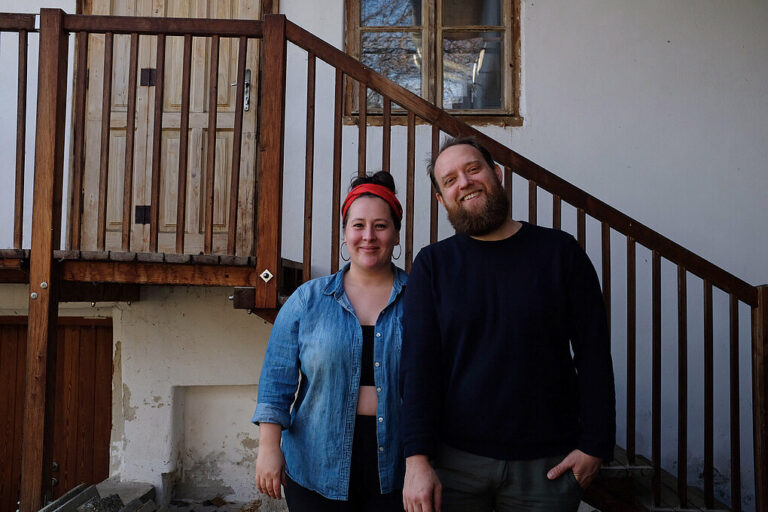
Home is where the vines grow. We’ve all heard variations on that theme. But just how far can that idea be taken? WeinGoutte offers one answer. This portable micro-estate — whose first vintage sold out in a blink — is the brainchild of husband-and-wife team Christoph Müller and Emily Campeau. The concept goes beyond negociant but stops well short of flying winemaker. It also presents an entirely new model for a footloose generation’s interpretation of the relationship between vintner and site. Campeau, a fierce lover of food and wine (and a vivid writer on both), is originally from Québec. Her experiences in…...
People imagined him to be an alchemist. Granted, it wasn’t gold his slender hands were currently molding, rather a gleaming tinted zinc capsule, encompassing perfect angles and gracing the long slender neck of a curvaceous body. While such language might seem passé in 2021, the characters who regularly participated in such frolics were not. Many were successful, most of them hailing from families older than the states whose passports they’d carry in their bespoke suits. Make no mistake: even here, the wealthier they were, the less attention to proper attire; and don’t let us get started on the unshaven angel…...
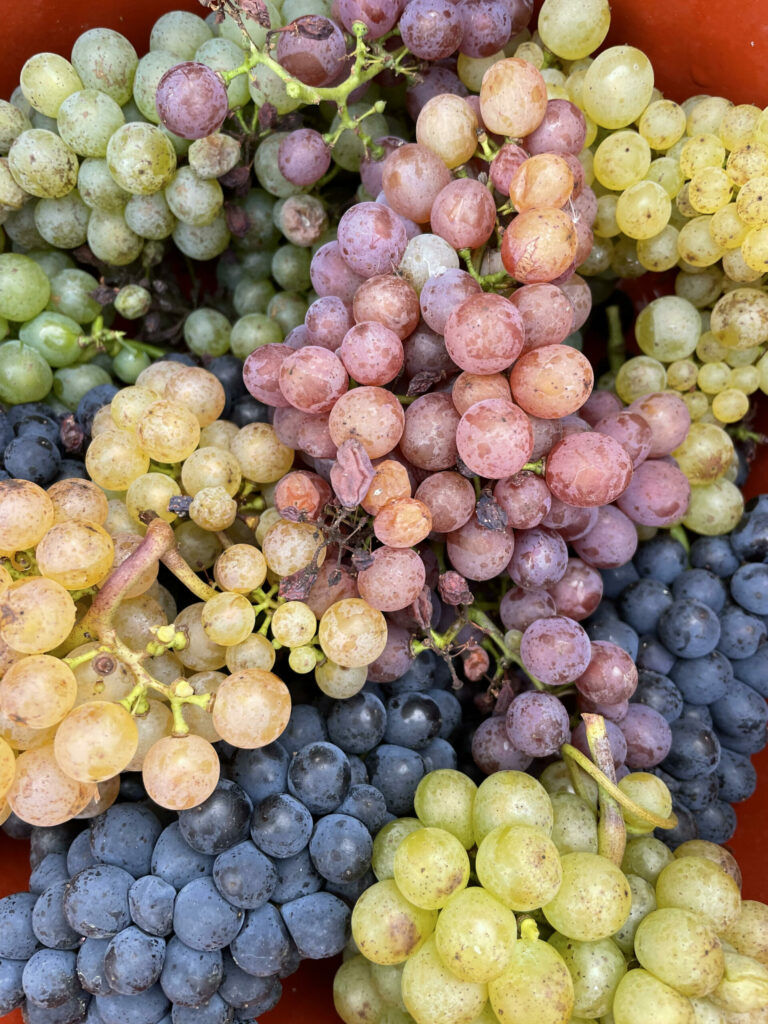
The year is 1806. The date June 17th. Privy Councilor Goethe sits in Frankfurt — high and dry. He reaches for his quill and writes a letter to a friend: “Send me some Würzburger wine, for no other wine satisfies, and I am morose without my accustomed favorite drink.” While the line may not be poetic, the composition Johann Wolfgang von Goethe thirsted for is. The wine in question was, quite possibly, “Frentsch” (local dialect for Altfränkischer Satz or Old Franconian Mixed Set): a field blend of some 20 grape varieties, all planted, harvested, and fermented together. What once gave growers a bit of…...