Sammie Steinmetz is one half of Weingut Günther Steinmetz, a mid-sized, family-run winery in Brauneberg on the Mosel. Born in Pensacola, Florida, Sammie came to Germany in 2007 as an enlisted member of the U.S. Air Force, stationed at Spangdahlem Air Base not far from the winery. She’d already planned on settling in the country when her term of service ended (“because Riesling,” she laughs). But a chance invitation to a wine-tasting introduced her to fifth-generation winemaker Stefan Steinmetz. Two weeks after meeting, they were dating and they married a few years later. In 2014, Sammie took early retirement from the…
Valerie Kathawala specializes in the wines of Germany and Austria. Her work appears in the pages of regularly in Noble Rot and SevenFifty Daily. She is the author of the "German Wine Scholar" (2025).
Müller-Thurgau was a blessing and a curse for 20th-century Germany. Emily Campeau asks whether new respect from growers can make a contender in the 21st.
Melanie Broyé-Engelkes, a seasoned marketing executive and entrepreneur from Paris and Luise Böhme, a former nationally competitive athlete from eastern Germany, have joined Theresa Olkus, a communications specialist from Württemberg, to form a triumverate that — in ways large and small — now steers the future of German wine.
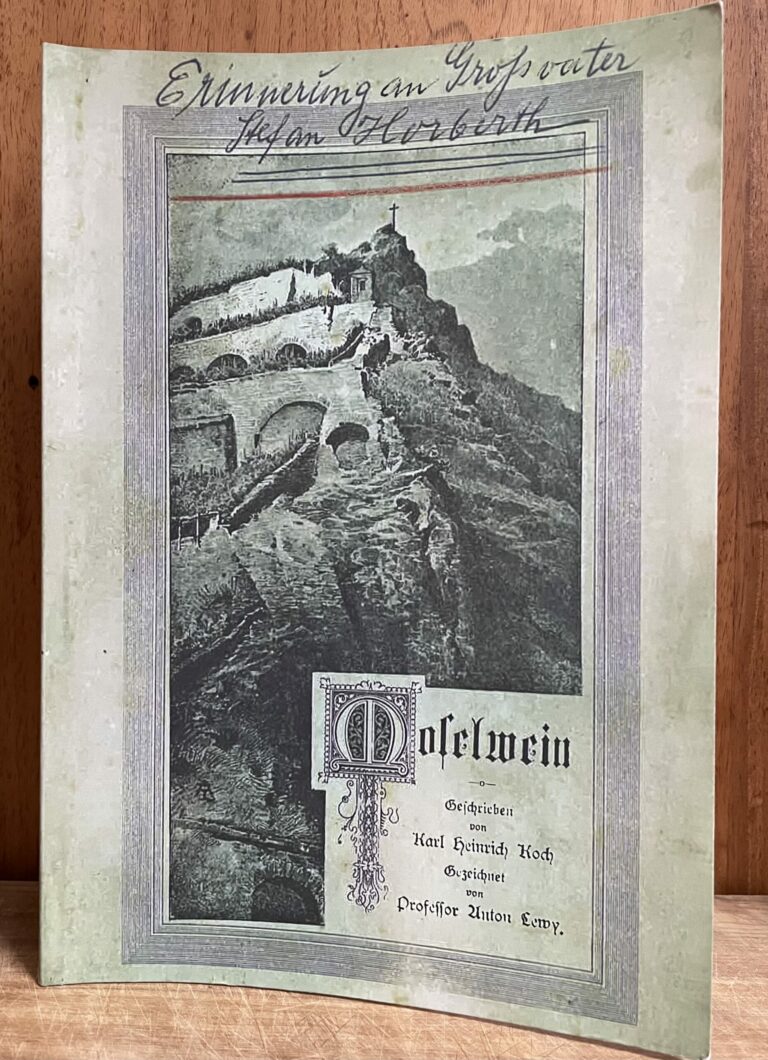
We like to think of Mosel wine as eternally glorious. The river valley’s nearly 2,000-year vinous history, its relics of Roman civilization and tributes to Celtic wine gods, its very viticulture carved with seeming permanence into stony banks all suggest an unbroken line. But an excellent new book, edited by Lars Carlberg, with able assistance from David Schildknecht, Kevin Goldberg, and Per Linder, underscores the extent to which the Mosel’s glory has been far more ebb than flow. Such awareness only makes the late 19th-century golden age that is the book’s focus more luminous. The book nests together several components…....
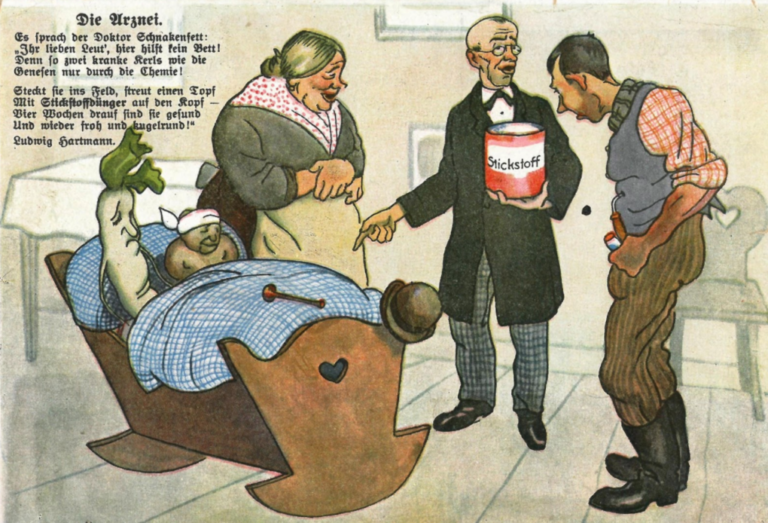
Above, a postcard from the German fertilizer industry of the 1920s. At the time, perspectives on soil were changing: Until then, people had spoken of plant growth as being affected by forces; afterward, it was substances. Deficiencies could simply be addressed with the help of agrochemistry. As recently as a decade ago, biodynamic viticulture could be shrugged off as “some dogma about phases of the moon and cow horns.” But now that we find a who’s who of the wine world on the member lists of relevant biodynamic organizations, it’s no longer so easy to cancel adherents to this form of farming. Those…...