Kitzingen has never been particularly famed as a mecca for winemaking in Franken. So when I received an invitation to visit this town, 20 km southeast of Würzburg, for a wine presentation by the New Kitz & Friends, I had little reason to suspect it would mutate into a natural wine hub. At this point, New Kitz & Friends are hardly unknowns – certainly not in this magazine. Colleague Rainer Schäfer recently profiled this group of unconventional locals and newcomers, all moving in a cosmic orbit around the pioneering natural wine estate 2Naturkinder.For this event, the New Kitz called on…
Christoph Raffelt is one of an exciting new vanguard of voices when it comes to German wine. And voices is not a euphemism here, as it is indeed his voice together with his stellar cast of winemakers and guests that come together on his monthly podcast Originalverkorkt.de; while his words appear in his online magazine of the same name. He's been on the road since 2016 with Büro für Wein & Kommunikation as a freelance journalist, copywriter and all-round wordsmith. His work has appeared in such esteemed publications as Meiningers, Weinwirtschaft, Weinwelt, Sommelier, Champagne-Magazin and Schluck.
“Dry” describes what wine drinkers overwhelmingly profess to desire. And “trocken” can only appear on labels of German Rieslings with less than 10 grams of residual sugar. If one desires sweetness, there is no lack: Most of today’s Kabinetts are higher in sugar than were Auslesen of the 1980s. (Granted, the grapes were probably also higher in must weight.) Aesthetically as well as commercially, success in the realm of legal dryness—Trockenheit—as well as that of pronounced sweetness, can scarcely be denied. German Riesling growers have long since succeeded in proving that they too can render world-class dry wine, while simultaneously…...
Roughly once a generation, the German government pops the hood on the country’s wine law for a tune up. 2021 is one such year, with a new set of revisions taking effect in early May. On the surface, the changes appear more incremental than revolutionary. Yet controversy has followed as various stakeholders realize that some new wrinkles may have unexpectedly far-reaching consequences. So let’s pour ourselves a glass of dry wine (law) and savor some juicy power dynamics. Here are the early winners and losers of the 2021 German Wine Act. Winner: The VDP’S Long Game You can’t say the…...
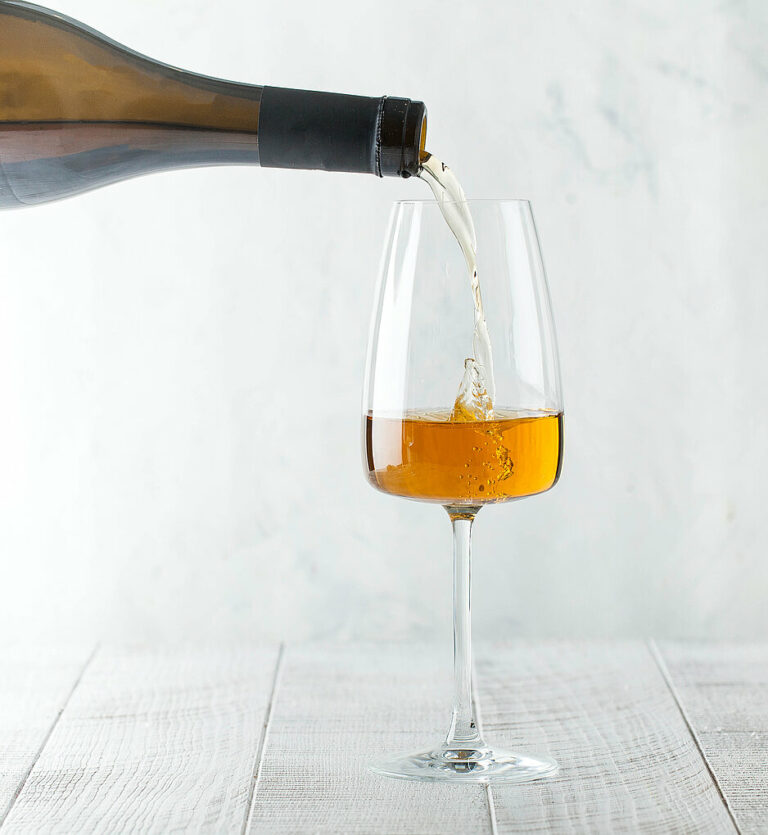
Skin-contact white wines may have their revolutionary roots in Georgia, Slovenia, and Friuli, but the umlaut zone also stakes a strong claim for orange expressions. Austria was an early and highly successful adopter (think Tschida and Tscheppe, Muster and Meinklang). For this, thank geographic proximity, shared traditions, a former empire’s worth of fascinating white varieties, and the remarkable open-mindedness of producers, especially in Styria and Burgenland. Germany came later to the game. The country has been slower to embrace natural and experimental styles generally and its signature variety, Riesling, requires an exceptionally deft hand to succeed in skin-fermented form. However, German…...
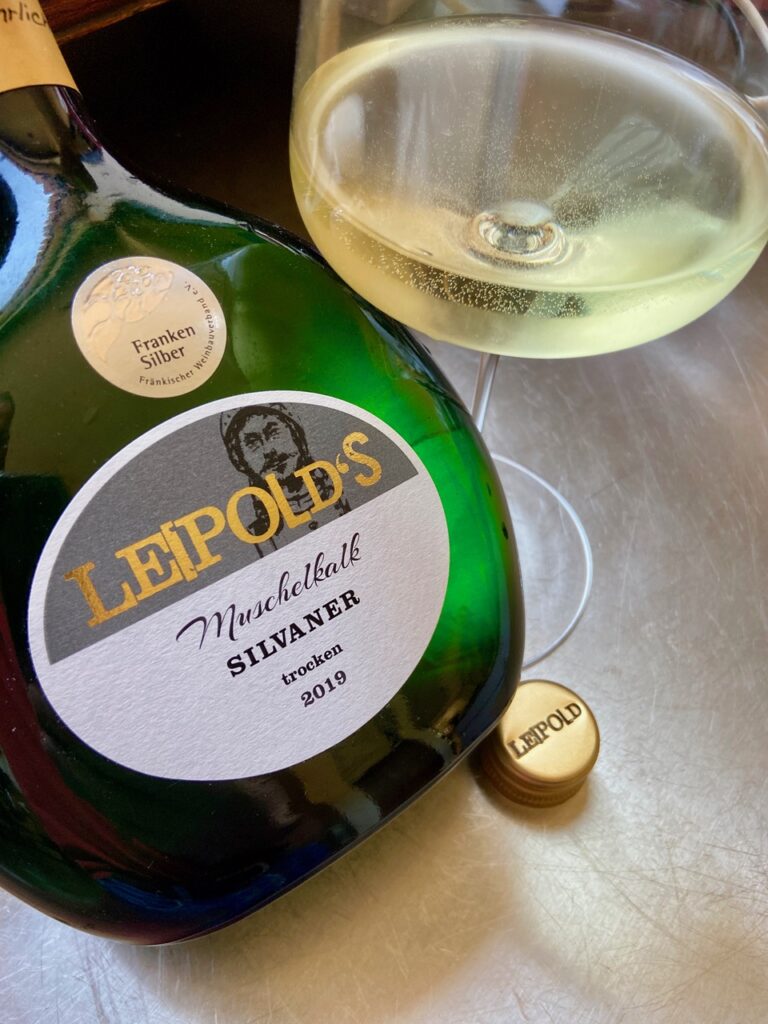
Confession time: Which wine and food pairings make your eyes roll faster than a teenager’s? Champagne and strawberries? Pizza and Lambrusco? Muscadet and oysters? In southern Germany, Silvaner and white asparagus are regional marketing 101. Silvaner has been praised and prized as a pairing for the spring stalk to such an extent that grocers will double their inventories of cheap Silvaner and stack it by the case in the vegetable section. And while the fastest way to get a screenful of Internet ill-will slung in your direction is to suggest the pairing to a German wine group, it is true…...
If Emilio Zierock finds it hard to talk about his controversial father, you can’t tell by listening to him. He speaks with remarkable openness about the man. Rainer Zierock, who passed away in 2009, was a brilliant visionary, but also in all likelihood the grandest provocateur in post-war German and Italian viticulture. The powerfully eloquent and often choleric Zierock was considered an eccentric of note, and one who went after everyone. More than a few people also consider him a misunderstood genius, far ahead of his time. His influence on the young wine generation, and particularly the natural wine scene,…...