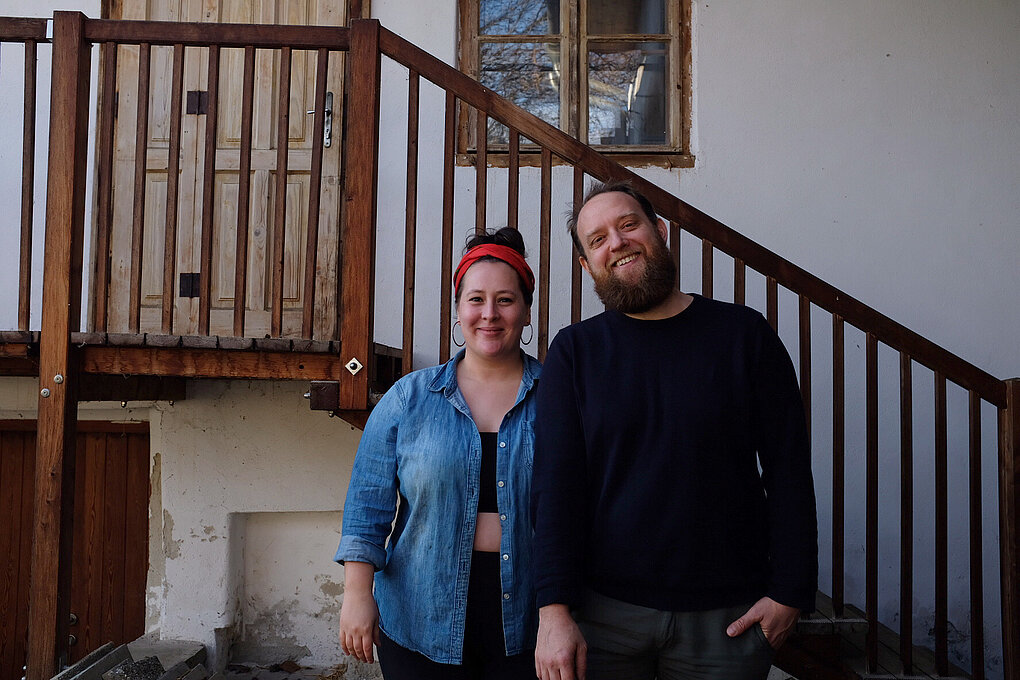
Home is where the vines grow. We’ve all heard variations on that theme. But just how far can that idea be taken? WeinGoutte offers one answer. This portable micro-estate — whose first vintage sold out in a blink — is the brainchild of husband-and-wife team Christoph Müller and Emily Campeau. The concept goes beyond negociant but stops well short of flying winemaker. It also presents an entirely new model for a footloose generation’s interpretation of the relationship between vintner and site. Campeau, a fierce lover of food and wine (and a vivid writer on both), is originally from Québec. Her experiences in…
Valerie Kathawala specializes in the wines of Germany and Austria. Her work appears in the pages of regularly in Noble Rot and SevenFifty Daily. She is the author of the "German Wine Scholar" (2025).
Pinot Blanc is neither a distinctive cépage nor a particular grape variety – at least, not from the viewpoint of ampelography or genetics. And what there is of pure Pinot Blanc worldwide is nearly all rendered in German-speaking growing regions where it is typically known as Weissburgunder.
Her child, she thinks, is a Riesling. Of all the varieties in the world, she inevitably returns to this one. There is something in the grape’s singular ability to convey fragility and strength, ephemera and eternity, that mirrors motherhood and frames the child in her mind’s eye. The child could have reflected a multiple of varieties, a blend perhaps, or a different hue. She remembers a strawberry-scented evening of pink Cinsault in a South African game lodge, bottomless glasses as sundowners, followed by a queasy morning-after, and a realization that the child — then little more than a flicker —…...
As I peer out the window of a train from Hamburg, I understand why Sylt, sometimes referred to as “the Hamptons of Germany,” is such a popular destination for German vacationers. I can feel the tension of travel slipping away with the mainland as the tracks cross the shallow waters of the Wadden Sea and approach the sweeping, sandy landscape of this North Frisian island. Nils Lackner, a charismatic sommelier, tour guide, and regional expert based here, picks me up at the station, wondering how Sylt ended up on my radar since so few Americans are aware of it. I…...
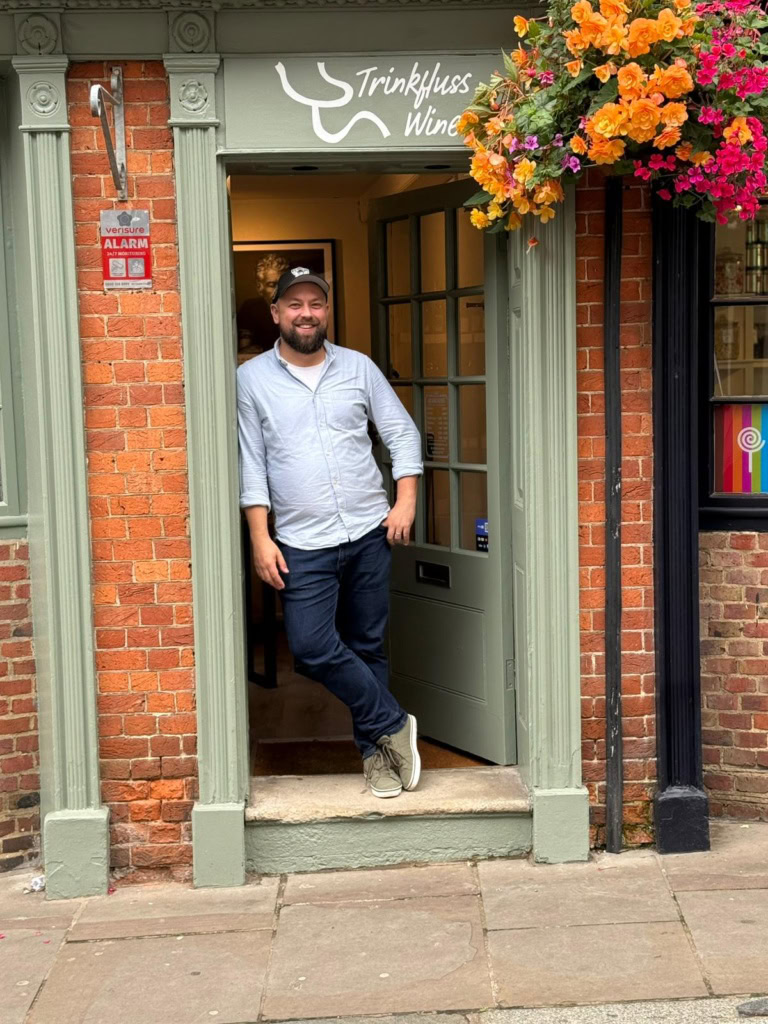
“Where are all the dynamic, characterful wines from Germany?” Bastian Fischer asked in exasperation after 16 years in the UK wine trade. This year he answered that question himself by opening his own shop. Trinkfluss Wines, just outside London, focuses “on some of the most electric, food-friendly, and downright delicious wines anywhere,” in Fischer’s view. His new venture, baptized with the German word for drinkability, quenches the thirst for Germany’s full gamut of varieties. But one swallow doesn’t make a summer. The somms and wine aficionados who shop at specialist wine stores like Fischer’s may have embraced German wines, but…...