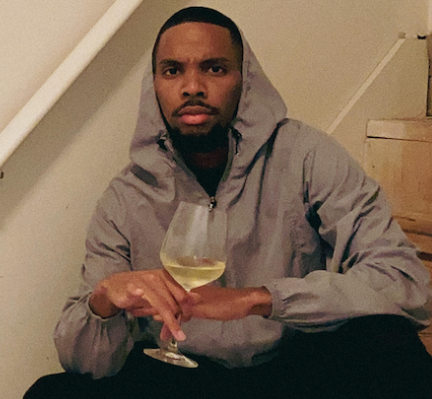
Mason Washington wants to set himself apart in the wine world. He’s convinced his German identity is the ticket. The 24-year-old digital media marketer grew up in Fayetteville, North Carolina, a small city in the American south that Washington charitably describes as being “what you make of it.” It was an unlikely place for a young Black man to be raised in a German family. But his grandmother Ingrid, a native of Berlin, and his mother, Carmen, born in Munich, were just that. “The biggest thing for me is the German heritage on my mom’s side,” says Washington. Now, he’s digging into…
Valerie Kathawala specializes in the wines of Germany and Austria. Her work appears in the pages of regularly in Noble Rot and SevenFifty Daily. She is the author of the "German Wine Scholar" (2025).
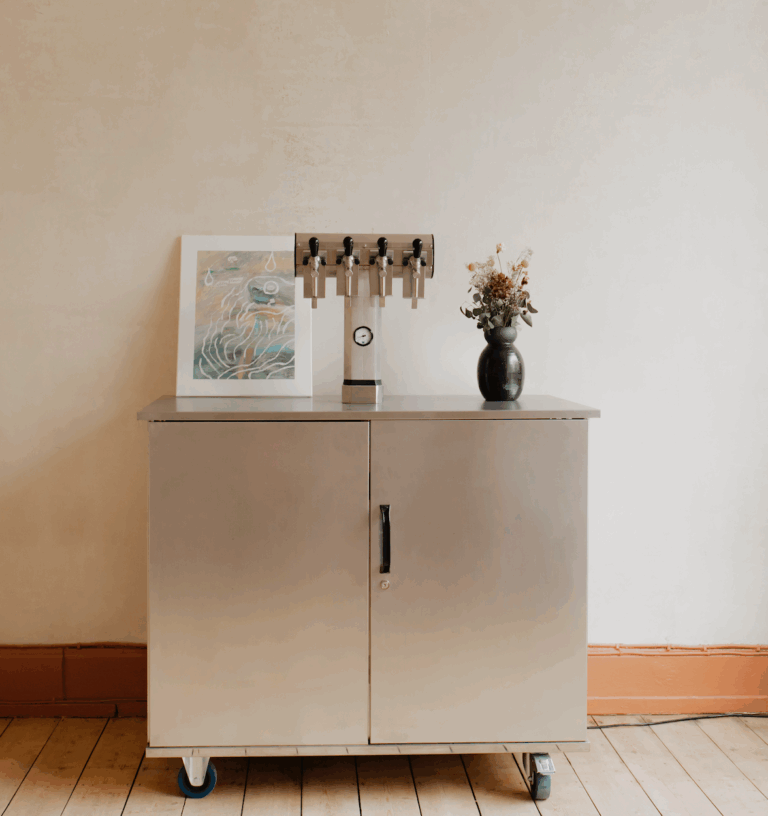
For Deandra Anderson, co-founder of Ebb & Flow Keg, a Frankfurt-based purveyor of organic kegged wines, the supposed “death of wine” among millennials isn’t a crisis, it’s a myth. In her view, the challenge is whether the German wine industry can meet the next generation where they already are.
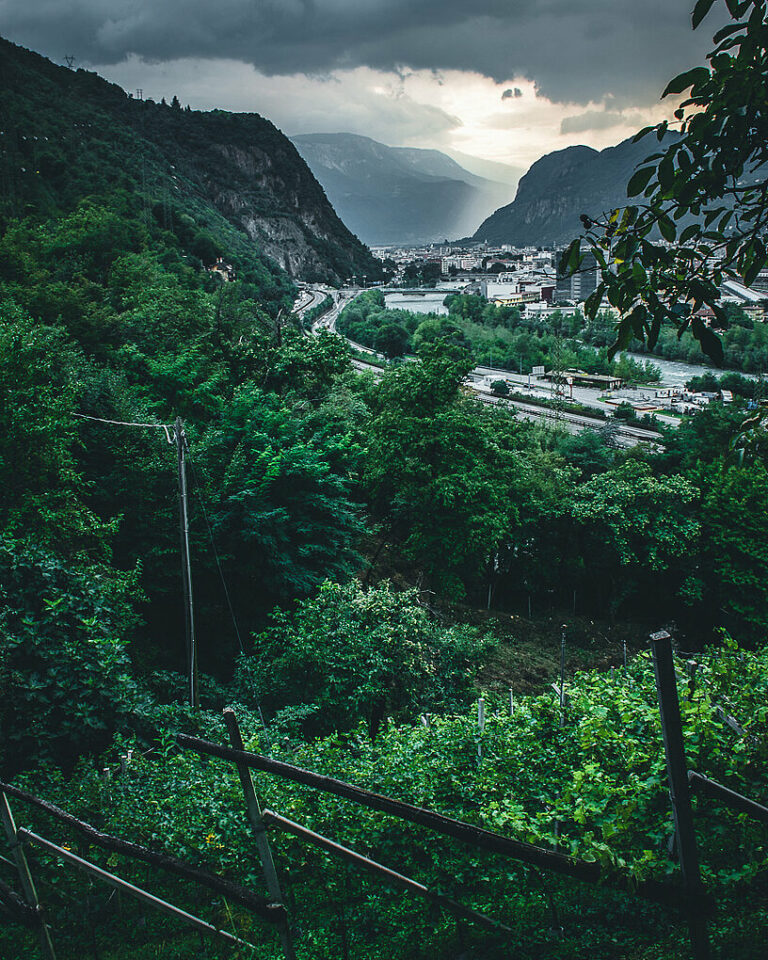
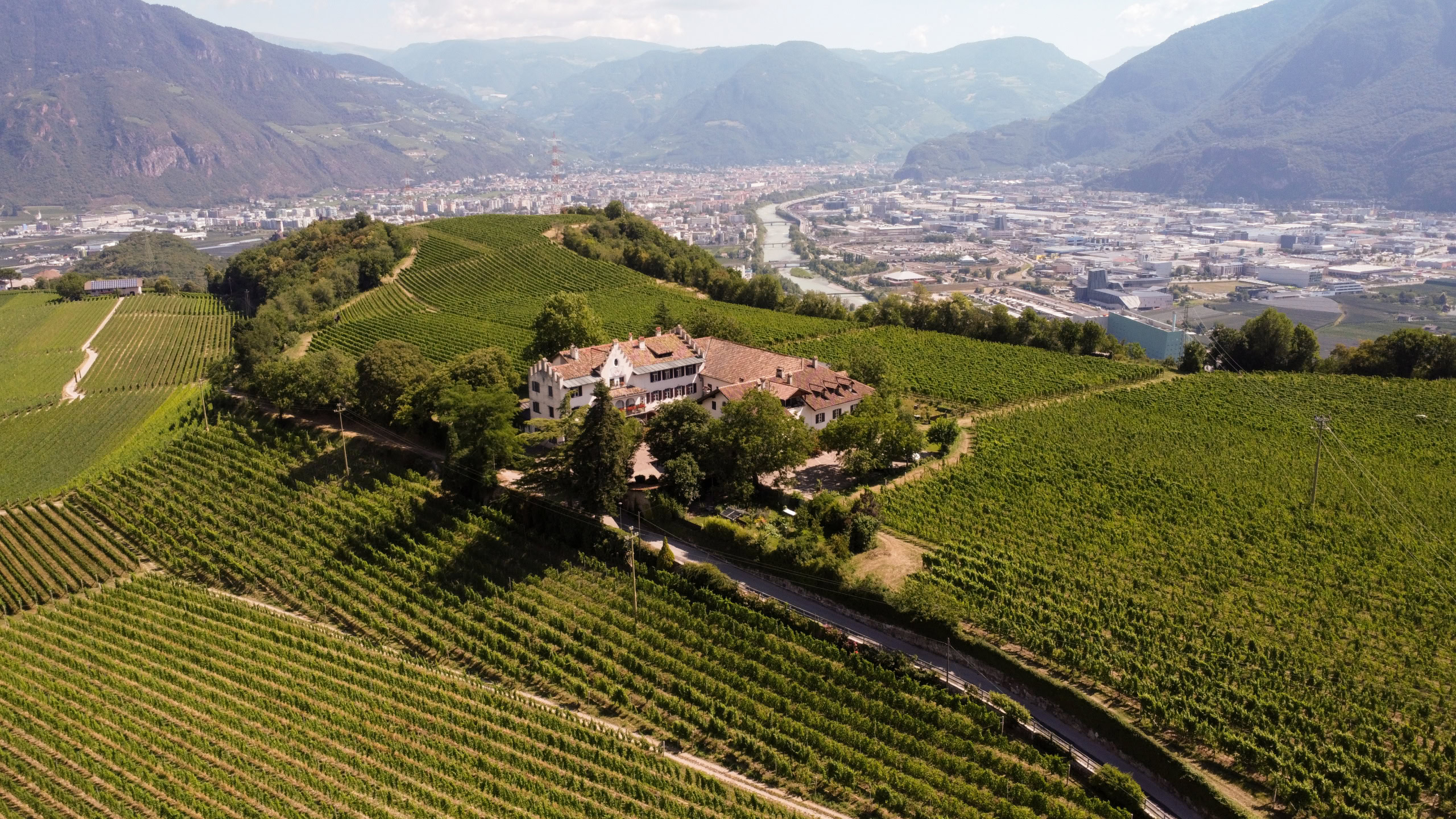
Pranzegg. In der Eben. Thomas Niedermayr. Garlider. Four names that will mean more or less to you depending on where and how you drink wine. Four small-scale organic and biodyanamic growers from four points on the compass of northern Italy’s Südtirol-Alto Adige (aka South Tyrol). Four individualists who, after years of being stuck in the corners at tastings and fairs — singled out as “crazies” for their cloudy cuvées, atypical varieties, and defiant styles — decided that being outsiders together would, at a minimum, be more fun. More off-piste than pissed-off, Freistil (“free style”) was born. South Tyrol’s trademark is mountainous diversity. A remarkable living…...
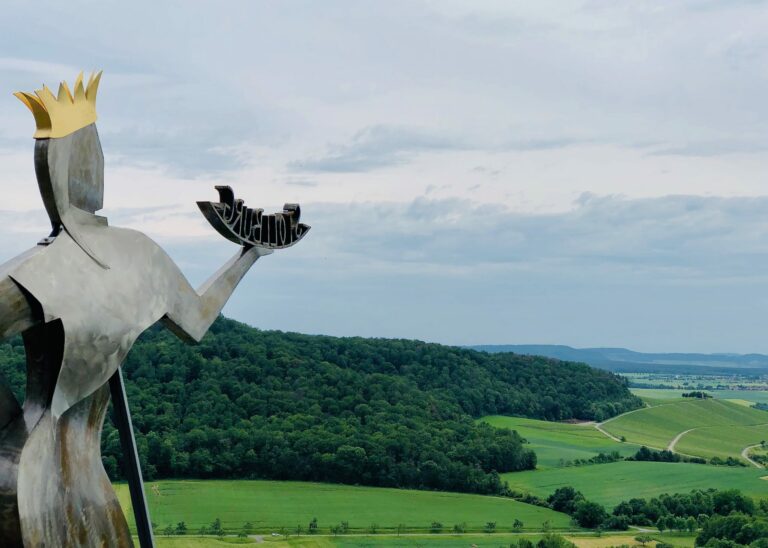
We’ll come right out and say it: Franken (Franconia) is Germany’s most underrated region. If you still think of it as the source of wan wines poured from squat flagons and drunk mostly at home, we’re here to let you in on a secret: there has never been a more exciting time for this corner of northern Bavaria, where wine, not beer, rules the day. The region sits just below the 50th parallel and at the cool, eastern edge of Germany’s wine core. It’s a perilous position for viticulture. As decades of frost-crimped and extreme-heat-affected vintages attest, its starkly continental…...
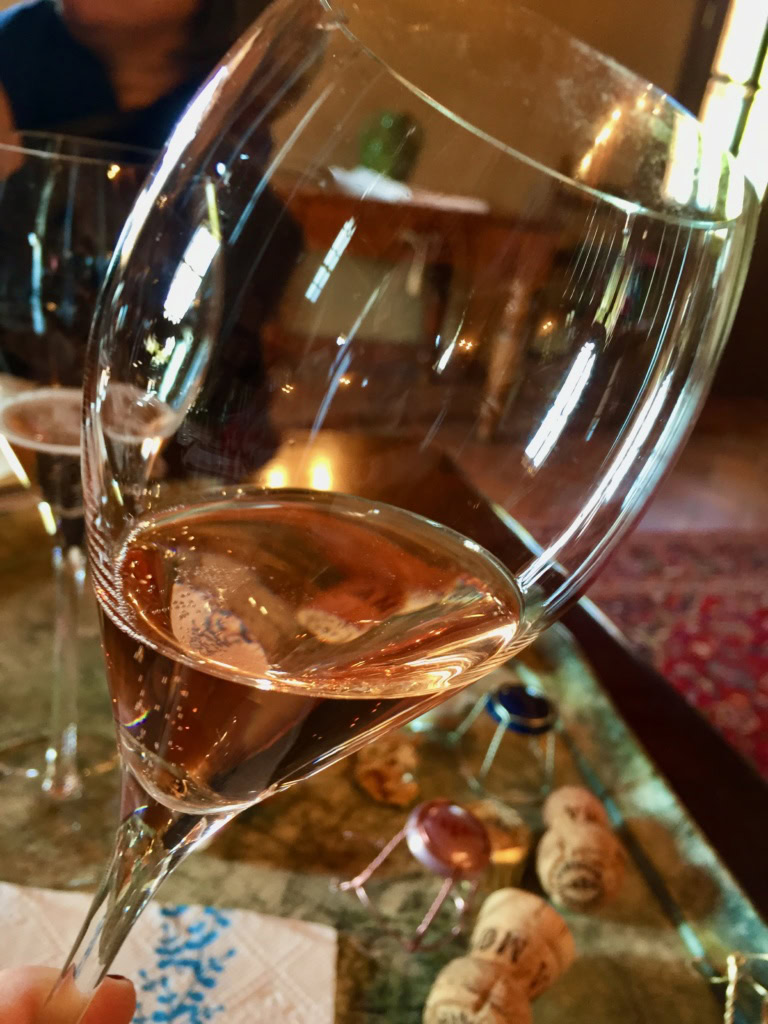
Gerhild Burkhard, founder of the International Sparkling Festival, reveals everything you've always wanted to know about sekt (*but were afraid to ask).
A jack of all trades is inherently a master of none. While finding the right focus can help, that is often easier said than done. Sometimes a more drastic solution is needed. Intervention, anyone? Rheinhessen! I’m so glad you could make it today. Won’t you join us? Feel free to grab something to eat before you sit. There’s coffee, tea, and water. And a big box of tissues, in case we need those later. Wine? No, at least not like that. But I’m glad you raise the issue, because wine is actually what’s brought us together here. I know this won’t be…...
Sekt embodies free spirit, hedonism, even — in its blatant disregard for rules — punk. The limitless maximization of lust for life and the unadulterated joy of the sensual assume the spotlight, while ethics and morals are asked to exit stage left. Whether it’s to christen a ship, toast a victory, or celebrate a birthday in the office (back when we did things like this), bubbles embrace the sparkling side of everyday life. A flash of glam on an otherwise wretched Tuesday afternoon. Sekt is bound to nothing and to no one, neither to food nor occasion. And that’s why…...