
German Pinot’s Pride and Prejudice
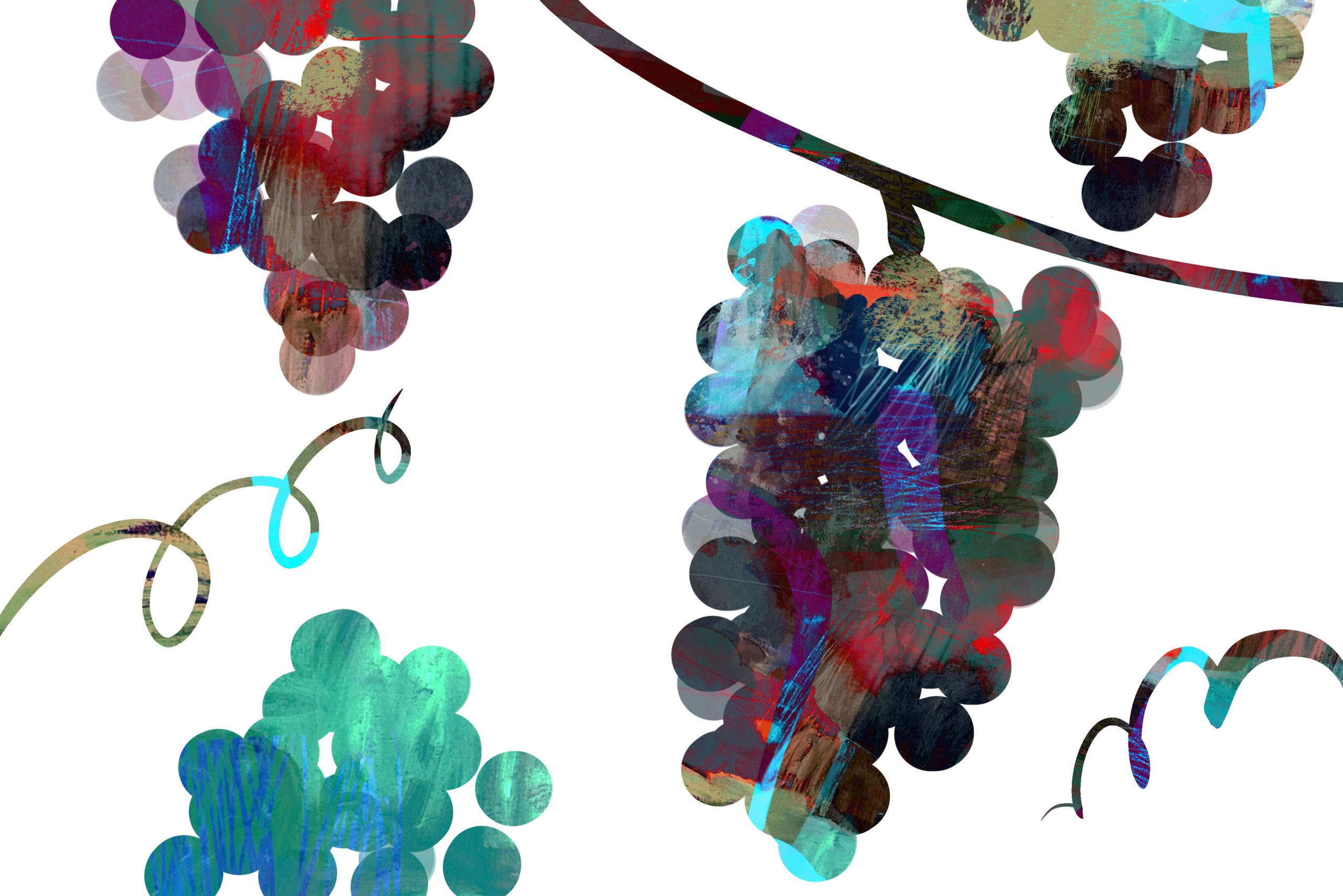
Orignal digital artwork "The Many Faces of Pinot Noir" © Meg Maker
Can German Pinot Noir finally catch on or is forever fashionably spät(burgunder)?

Can German Pinot Noir finally catch on or is forever fashionably spät(burgunder)?

German-born but London-based, Anne Krebiehl MW is a freelance wine writer and lecturer. She covers Alsace, Germany, Austria, England and Grower Champagne for Vinous. She lectures, particularly on German wine, judges at international wine competitions and is a panel chair at the IWC. She loves high-acid wines and her work often focuses on Pinot Noir, Riesling, and traditional method sparkling wines. Her first book, The Wines of Germany (2019) won Domaine Faiveley International Wine Book Of The Year 2020 at the Louis Roederer International Wine Writers’ Awards.

This is a story for the wine romantics among us who dream of bygone varieties, who hunker down to listen to the old stone terraces telling stories of yesteryear, of those with a weak spot for growers and wines committed to character. It is in this world of nostalgia and nerds that this story is set. Enter Ulrich “Uli” Martin, a viticulturist from Gundheim in Rheinhessen. “Such a reliable companion!” he says. “Honest, direct, and amiable. You sense it immediately.” This high praise, however, is not aimed at his best friend, at least not in the traditional sense. Rather, at a grape…...
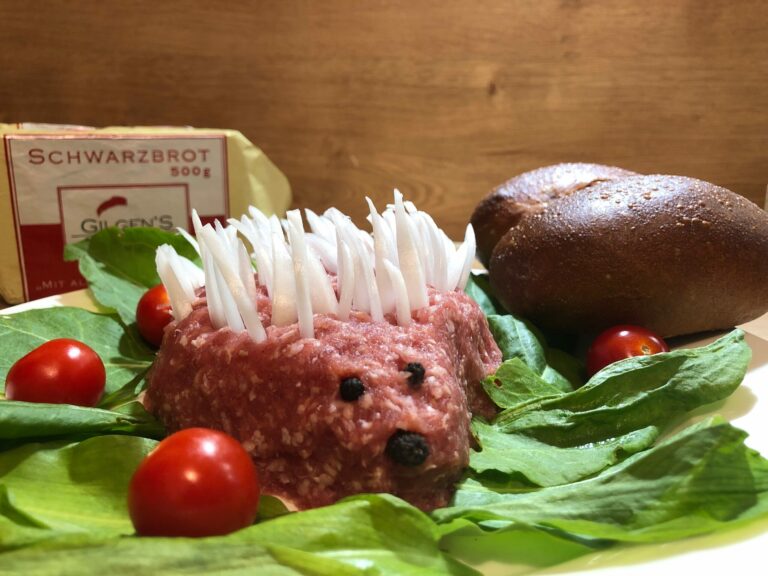
Raw pork is the umlaut answer to the American molded potato salad or ham-and-bananas hollandaise.
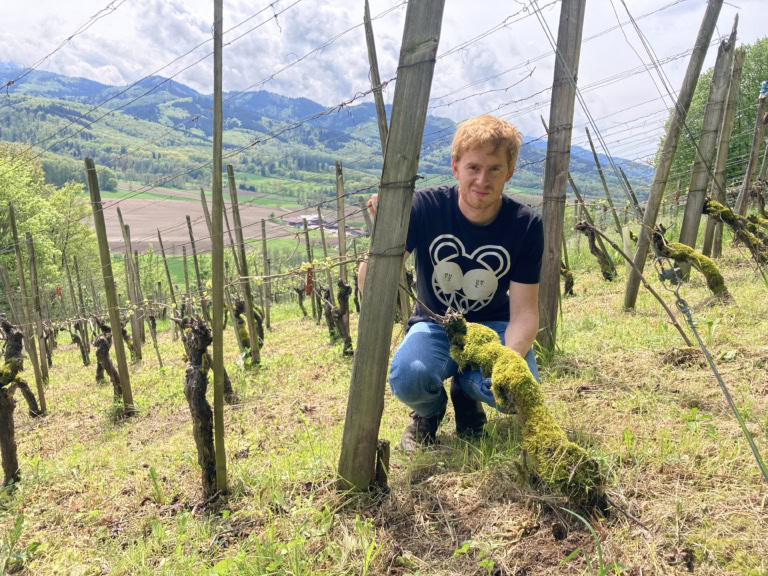
It is a landscape rife with charms and challenges: From their perch atop the Oberrotweiler Eichberg, on a long-dormant volcano that rises to 310 meters, Johannes Landerer and Jakob Moise can enjoy some of the finest views over the Kaiserstuhl and sprawling Rhine Basin in Baden. The early morning sun is quickly rising, but the Kaiserstuhl, normally a place of striking warmth, has seen an unusual amount of precipitation in the summer of 2024, leaving it greener than at any time in recent memory. But if this pair of Kaiserstuhl winegrowers agree on anything, it’s that this situation is likely…...
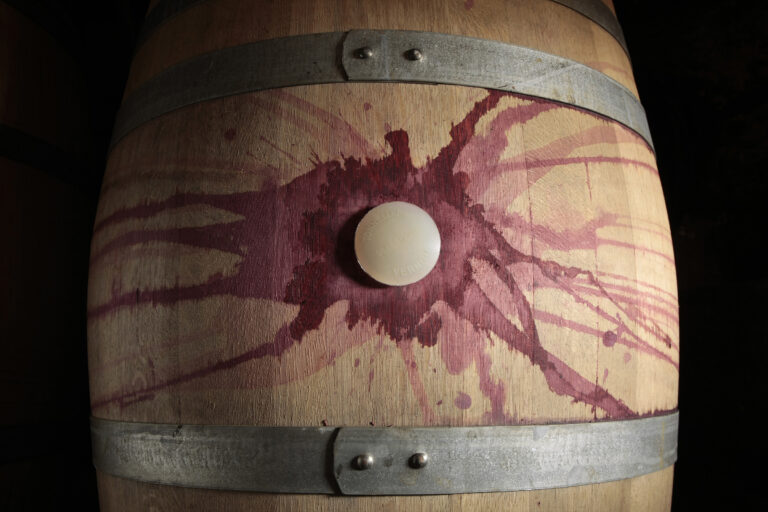
Germany seems to require an official examination for everything. Qualitätsweine (“quality wines”) are no exception. Those that fail the test are slapped with the Landwein label. In April 2015, a group of top growers from Baden, deep in Germany’s southwest, joined forces to rebel against the official inspection system. Flouting what officials would think of as a demotion, they decided to wear Landwein as a badge of honor. Baden has long been seen as the kinder, more conventional Germany. Thus Landwein is a direct challenge to that sensibility, one that takes on more significance because it seemed the unlikeliest of places for revolt. It happened the way so many…...
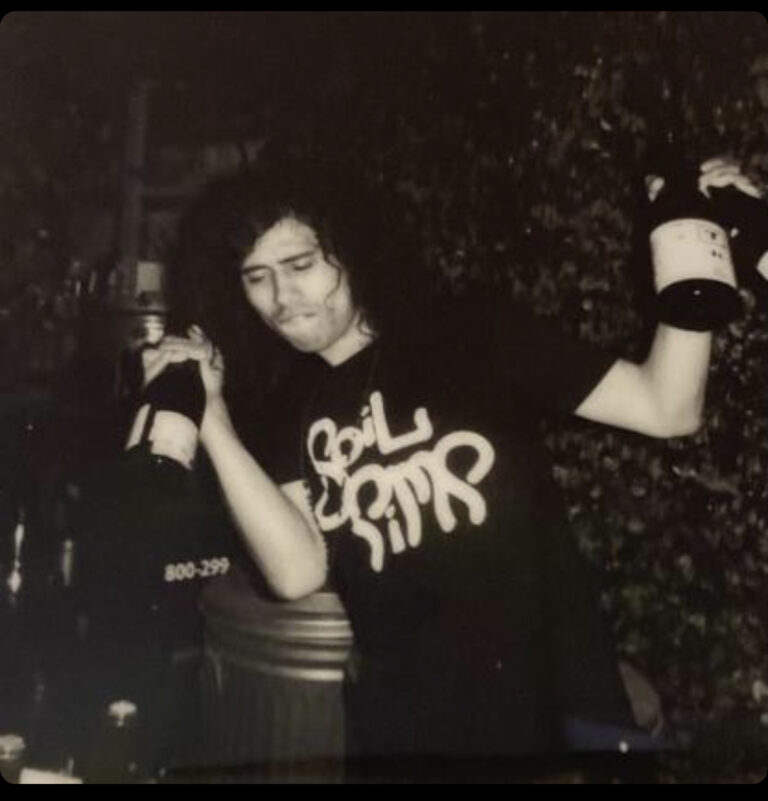
On an early autumn night, in a quietly insiderish neighborhood of Queens, New York, deep beats and warping, hypnotic sound penetrate the stillness. Trapezoids of light slant onto the dark sidewalk through the broad windows of a corner restaurant, the music’s source. Silhouetted figures mingle and shift in projection. Robert Dentice, noted collector of Riesling and vinyl, stands near the door, a bottle of Keller Abts E — one of Germany’s, if not the world’s, most coveted wines — in hand, greeting new arrivals with hugs and heavy pours. Inside, there’s an invitingly louche aura of fin-de-siècle Vienna or Berlin. A slew of wine is open, almost…...
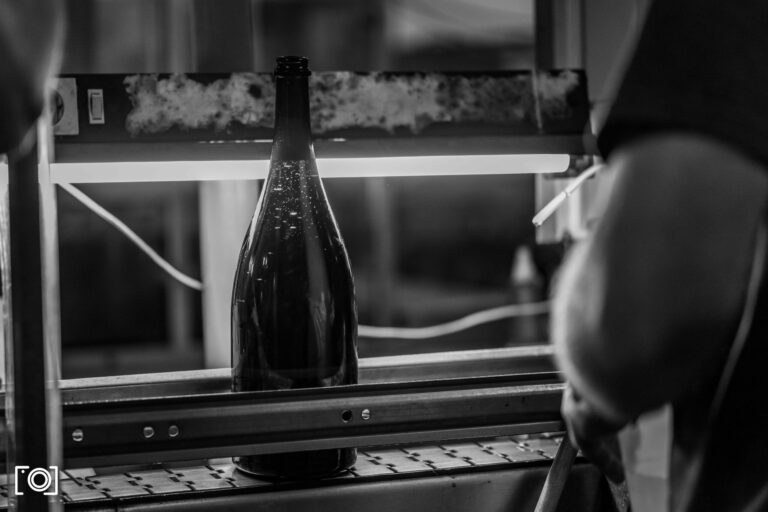
For the longest time, Sekt was a dirty word. It stood for bottles of inexpensive, easy fizz with obnoxious plastic corks to be found on the street, next to the debris of spent fireworks, on New Year’s Day. Leftovers from high jinks and cheap thrills the night before. But that was then. Today, Sekt’s star is once again on the rise. We cannot even say that it is returning to its former glory because the story of German Sekt today is unprecedented and, quite literally, effervescent. It was the 20th century that destroyed with consummate efficiency what was once so promising, so frivolous,…...
© 2026, TRINK Magazine. No portion of this article may be copied, shared or re-distributed without prior consent from TRINK.