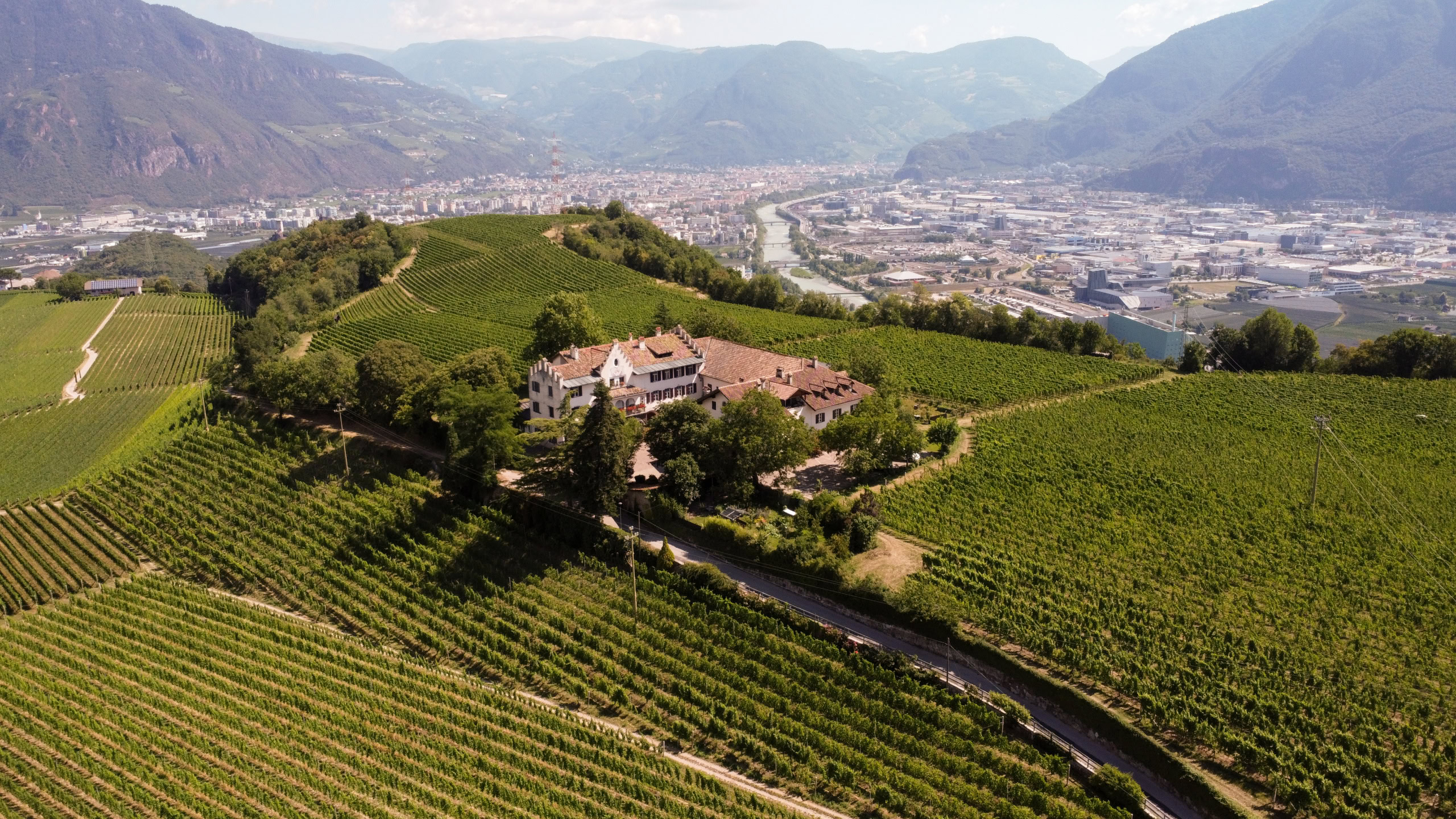
Germany seems to require an official examination for everything. Qualitätsweine (“quality wines”) are no exception. Those that fail the test are slapped with the Landwein label. In April 2015, a group of top growers from Baden, deep in Germany’s southwest, joined forces to rebel against the official inspection system. Flouting what officials would think of as a demotion, they decided to wear Landwein as a badge of honor. Baden has long been seen as the kinder, more conventional Germany. Thus Landwein is a direct challenge to that sensibility, one that takes on more significance because it seemed the unlikeliest of places for revolt. It happened the way so many…
Katharina Matheis is German wine journalist. She was born and raised amid the vineyards of Rheinhessen and worked fo several years as a reporter for WirtschaftsWoche before training as a certified sommelier. Since then she has focused on topics in wine. Her articles have appeared in Handelsblatt, WirtschaftsWoche, Gault&Millau, Spiegel, Feinschmecker, and more. Her favorite subject to cover is organic viticulture. Together with Sven Prange she recently founded the guide sustainable enjoyment neigschmeckt-magazin.de. She lives in Tübingen, Baden-Württemberg.
Pinot Blanc is neither a distinctive cépage nor a particular grape variety – at least, not from the viewpoint of ampelography or genetics. And what there is of pure Pinot Blanc worldwide is nearly all rendered in German-speaking growing regions where it is typically known as Weissburgunder.
Editors’ Note: Data open tantalizing invitations to speculation. Wine economist Dr. Karl Storchmann of the American Association of Wine Economists is a master at collecting information, presenting it in clear, compelling graphics, and stepping away to allow each of us to draw our own conclusions. When he looked at wine, beer, and spirits consumption in three of TRINK’s coverage zones over the past century, he found striking disparities and a surprising convergence. What story do they tell you? Per capita wine consumption in Austria, Germany, and Switzerland has fluctuated significantly since the late 19th century (see Figure 1). Switzerland has…...
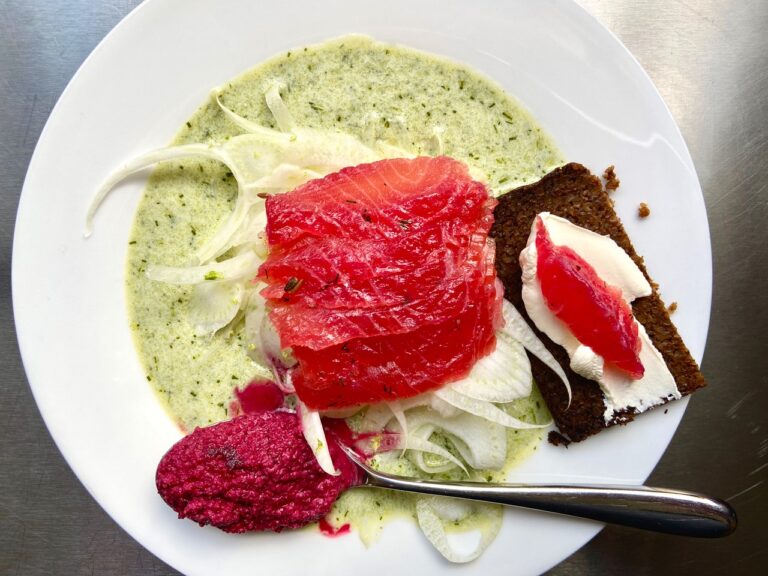
Curing fish is a bit like baking cakes: unless one follows a particular recipe to the letter, the final result inevitably contains an element or three of surprise. Once in the oven, once in the brine, the window for intervention has passed – leaving time and temperature as the only remaining levers. I clearly lack the discipline to work with exact measurements (thus explaining my ban from baking birthday cakes), but I do enjoy the imprecise, historical art of preserving food with salt. Think: classic Sauerkraut, southern German Surfleisch, or – well – salmon. This particular side of freshly caught salmon…...