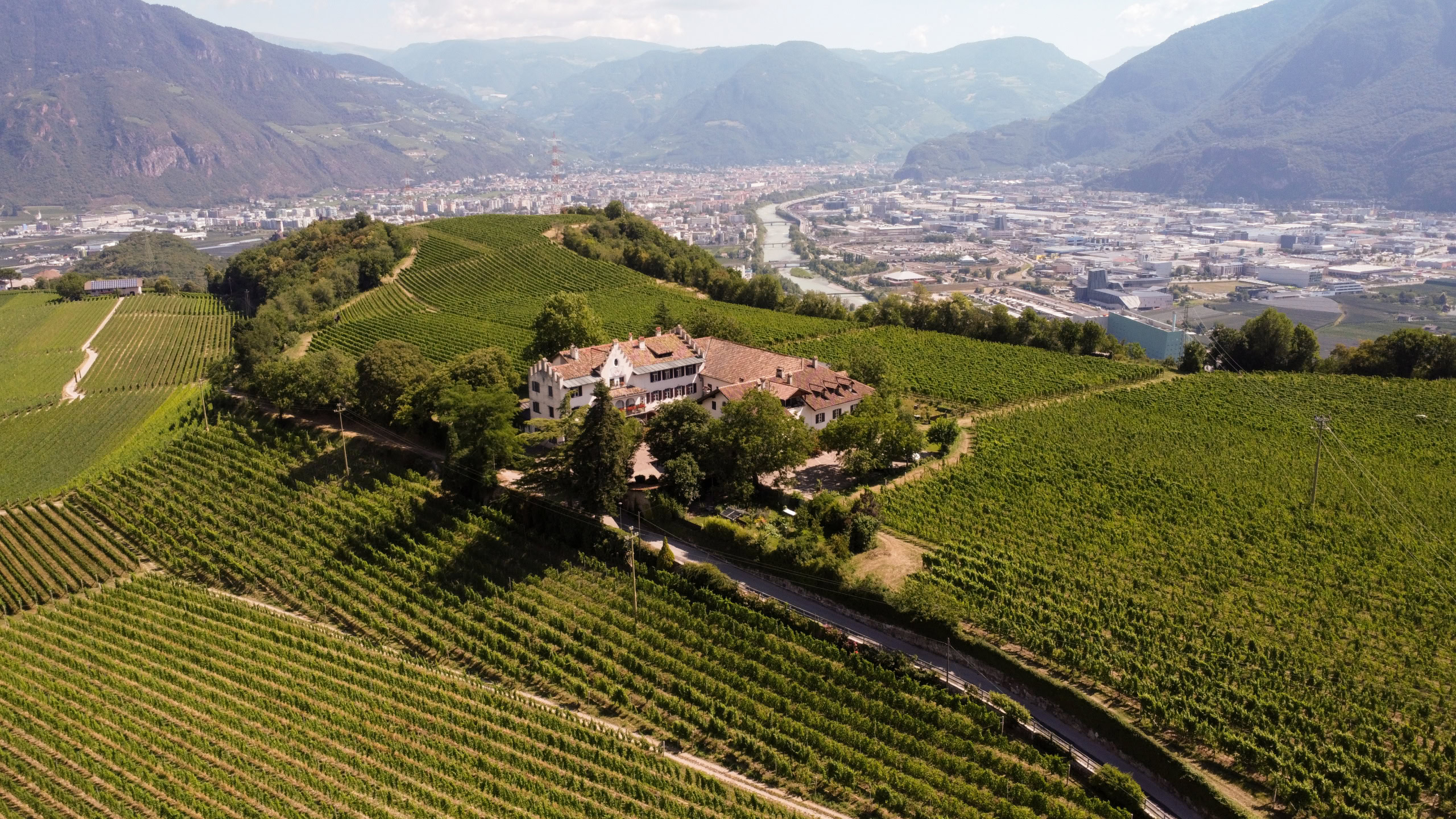
Inside the Konzer Tälchen
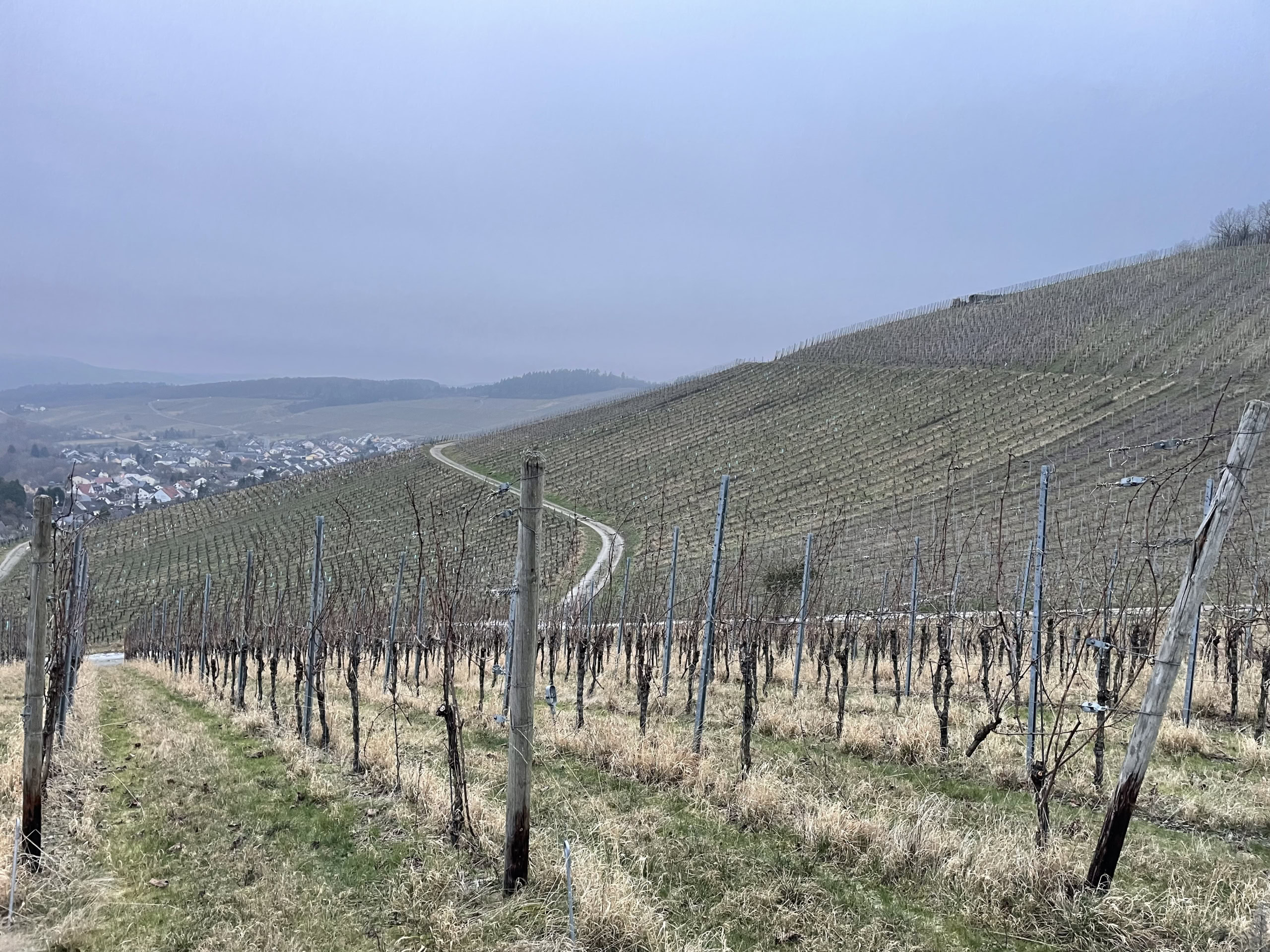
Konzer Tälchen, photo credit Valerie Kathawala
Konzer Talchen is where the Saar keeps its cool.

Konzer Talchen is where the Saar keeps its cool.

Rainer Schäfer writes about what he values most: wine, food, and soccer. The first wine that impressed him as a teenager was a Silvaner from Endingen, grown in the vineyard of his Kaiserstühl relatives. He's lived in Hamburg for 30 years and travels the wine regions of the world, always curious about dazzling personalities, surprising experiences, and unknown pleasures.
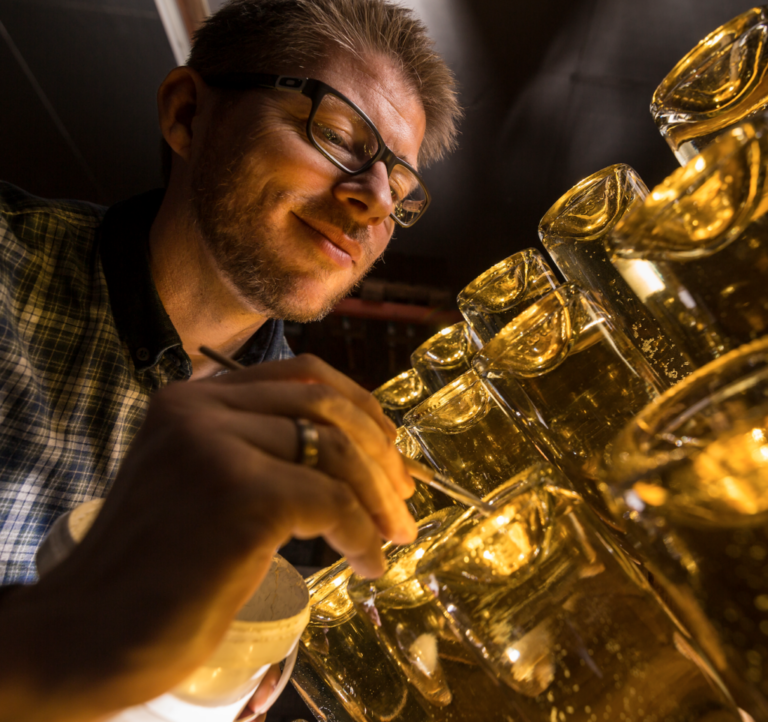
Riesling is admired for its complexity, longevity, and ability to reflect its terroir. The same is slowly becoming true in the sparkling wine sector, where bubble enthusiasts are discovering what aged Rieslingsekt can offer. In the world of German wines, Riesling is the undisputed star. Still wines gained their historical reputation as early as the 15th century, while the 18th and 19th centuries witnessed the rise of traditional method sekt. Over time, large companies monopolized the production of cheap, tank-fermented sparkling wine, until smaller, individual wineries were finally allowed to produce and sell their sparkling wines in the early 1980s. This…...
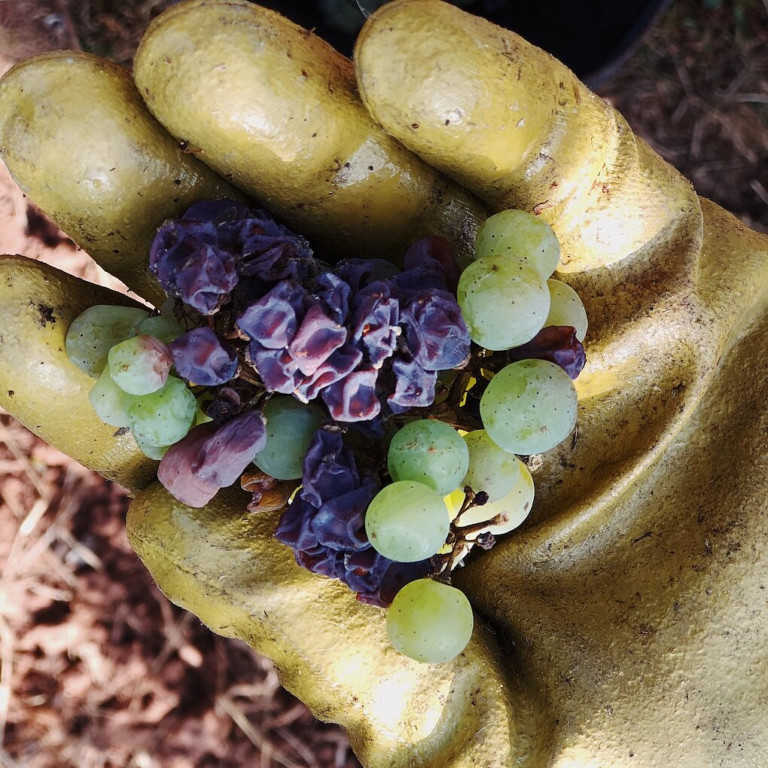
The one piece of German wine law I thought I fully understood was the Prädikat system. First, I memorized the Prädikat levels. Later, I memorized the minimum must weights. I pushed aside my frustration that the sweetness of a wine did not correspond with Prädikat level — accepting that residual sugar wasn’t part of the system. Before visiting Germany, I never expected that the lack of consistency in sweetness for Prädikat wines would be an ongoing point of tension in the very country that came up with the system. Or, that by prioritizing origin over Oechsle degrees, Germany’s renowned wine organization Verband Deutscher Prädikatsweingüter (VDP) would in essence dismiss the…...
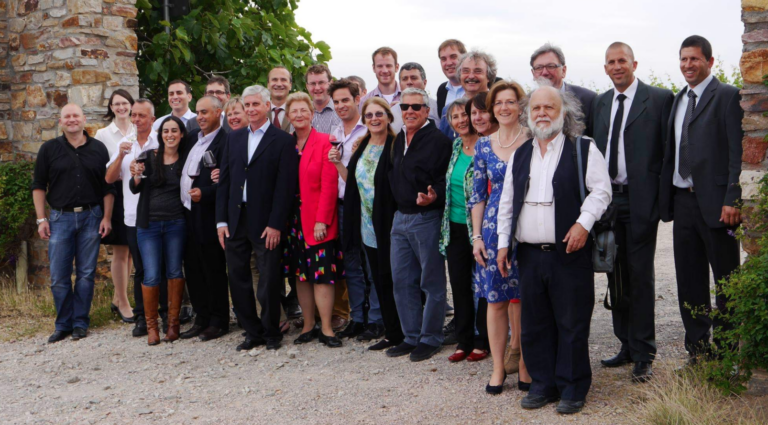
The Jewish State was proclaimed in 1948; the Federal Republic of Germany founded a year later. There was a pregnant pause when many wondered if West Germany would acknowledge the past. In 1951, Chancellor Konrad Adenauer acknowledged Germany’s “unspeakable crimes toward Jewish people.” The spell of silence was broken, and Israeli Prime Minister David Ben-Gurion and Adenauer began the long, painful, still unfinished journey toward healing. In the decades since, the people of Germany and Israel have followed their lead, with financial and cultural exchanges that each serve as a profound demonstration of human transcendence. It’s clear we have much…...

On Saturday 13 September, Germany lost a winemaking legend when Werner Näkel passed away at the age of 72 in Dernau, his home village in the Ahr Valley and seat of the family estate, Weingut Meyer-Näkel. Werner Näkel will be remembered as a founding father of great German Pinot Noir, a wine which under the name of Spätburgunder had for a long time simply languished in the vinous doldrums of Germany, before, in the 1980s, Näkel and a handful of like-minded colleagues began to wonder why the grape, so highly revered worldwide for its red Burgundy renditions, should not be…...
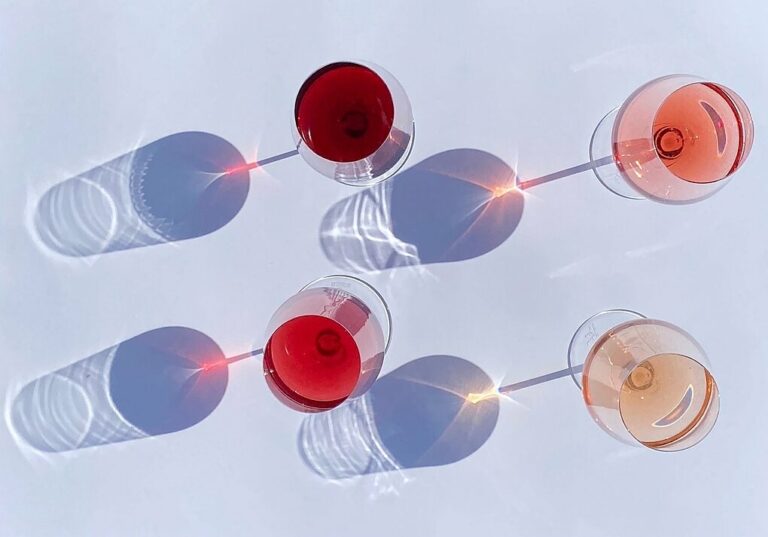
The sun blazes. The air shimmers. On the horizon four figures throw long shadows across the dry, crumbling ground. They are headed toward a city. Doors swing open. The four step from light into dark, their throats dusty and dry. Behind a deserted bar stands a man. He pushes four full glasses over to them. Out of the glasses sloshes a wine as red as the setting sun. If you aren’t thirsty by now, you should at least be hearing the melody of a harmonica. This is how the opening scene of a revival—the Rotling revival—could begin. The four men…...
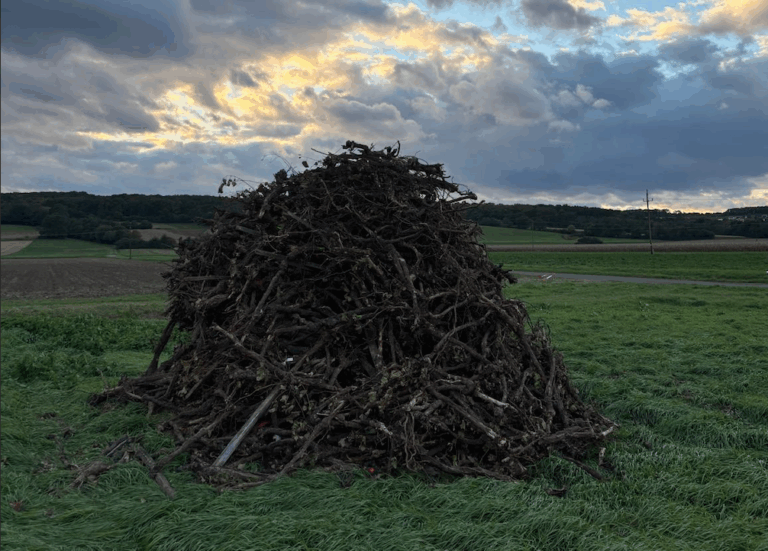
In slanting early morning light, a shadow crosses a vineyard. The figure moves row by row, ripping out vines and casting them onto a large, burning pyre. The blaze stretches to greet the sun as it rises above a mountainous horizon. There is fire from all points of the compass. Death is in the air. The culprit is a phytoplasm fatal to Vinifera vines. Its spread is aided by the American grapevine leafhopper (Scaphoideus titanus), a dwarf cicada native to North America. As it feasts on the vines, it transmits the pathogen of what is known in German as Goldgelbe…...
© 2026, TRINK Magazine. No portion of this article may be copied, shared or re-distributed without prior consent from TRINK.