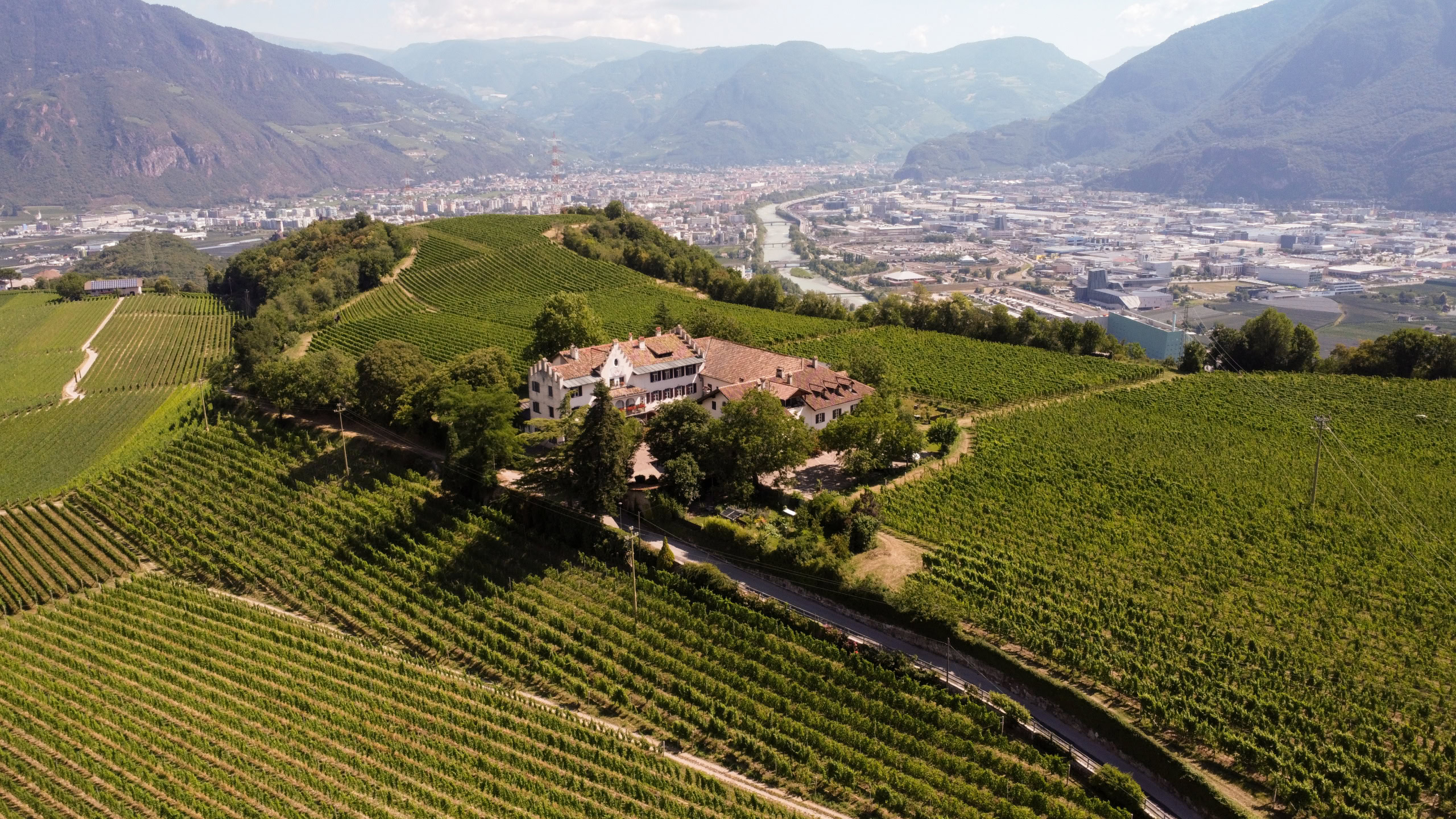
Mythos Mosel: 10 Things to Know Before You Go

Mythos Mosel invites a closer connection with vineyards and growers, photo credit Paula Redes Sidore
Learn more about the most dynamic way to interact with 120 producers in just one weekend.

Learn more about the most dynamic way to interact with 120 producers in just one weekend.

Journalist and Editor
Valerie Kathawala specializes in the wines of Germany and Austria. Her work appears in the pages of regularly in Noble Rot and SevenFifty Daily. She is the author of the "German Wine Scholar" (2025).
It is Friday night and I’m terrified. In 24 hours, a top sommelier is coming to our house for dinner. A sommelier who puts together the wine lists for a global restaurant group; a sommelier who has spent over 30 years training more somms than I’ve seen typos on a wine list; a sommelier who matches food and wine the way the rest of us match our Sunday outfits. And tomorrow, I’m responsible for the wine. My wife draws up a shopping list for the meal, blissfully unconcerned. “We’re not a restaurant,” she says, “why should she expect Michelin-starred cooking?”…...
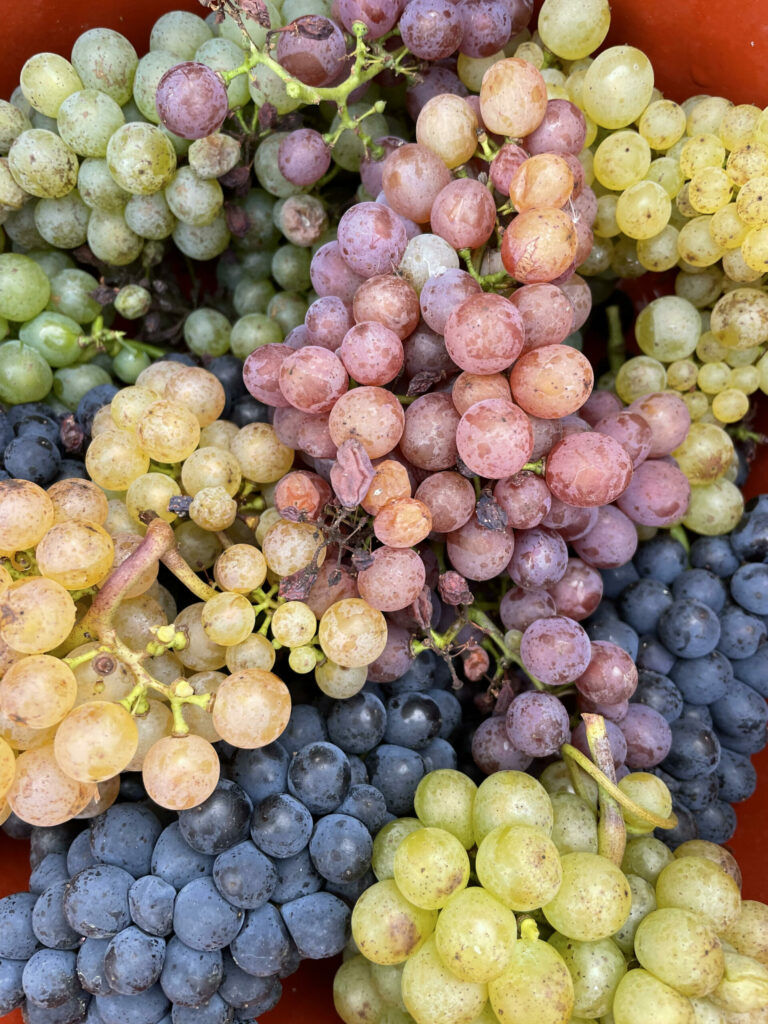
The year is 1806. The date June 17th. Privy Councilor Goethe sits in Frankfurt — high and dry. He reaches for his quill and writes a letter to a friend: “Send me some Würzburger wine, for no other wine satisfies, and I am morose without my accustomed favorite drink.” While the line may not be poetic, the composition Johann Wolfgang von Goethe thirsted for is. The wine in question was, quite possibly, “Frentsch” (local dialect for Altfränkischer Satz or Old Franconian Mixed Set): a field blend of some 20 grape varieties, all planted, harvested, and fermented together. What once gave growers a bit of…...
“Dry” describes what wine drinkers overwhelmingly profess to desire. And “trocken” can only appear on labels of German Rieslings with less than 10 grams of residual sugar. If one desires sweetness, there is no lack: Most of today’s Kabinetts are higher in sugar than were Auslesen of the 1980s. (Granted, the grapes were probably also higher in must weight.) Aesthetically as well as commercially, success in the realm of legal dryness—Trockenheit—as well as that of pronounced sweetness, can scarcely be denied. German Riesling growers have long since succeeded in proving that they too can render world-class dry wine, while simultaneously…...
Much has been made of an increase in German wine exports last year. Dr. Karl Storchmann reports that the data are open to interpretation.
While artists throughout the ages have longed to catch time in a bottle, it is winemakers who have indeed come closest to achieving this noblest of goals. A fine wine captures not just a single moment, but the span of a vintage, a lifetime, of eons of geology. A liquid suspension of sugar, acids, ethanol, tannins, phenolics, and chemical compounds can become a remarkable crucible of climate, soil, and vision. Yet unlike many other artistic disciplines, there is no fixed point at which the winemaker can lay down his pen or her brush and declare the bottle finished. There are certainly…...
For the longest time, Sekt was a dirty word. It stood for bottles of inexpensive, easy fizz with obnoxious plastic corks to be found on the street, next to the debris of spent fireworks, on New Year’s Day. Leftovers from high jinks and cheap thrills the night before. But that was then. Today, Sekt’s star is once again on the rise. We cannot even say that it is returning to its former glory because the story of German Sekt today is unprecedented and, quite literally, effervescent. It was the 20th century that destroyed with consummate efficiency what was once so promising, so frivolous,…...
© 2026, TRINK Magazine. No portion of this article may be copied, shared or re-distributed without prior consent from TRINK.