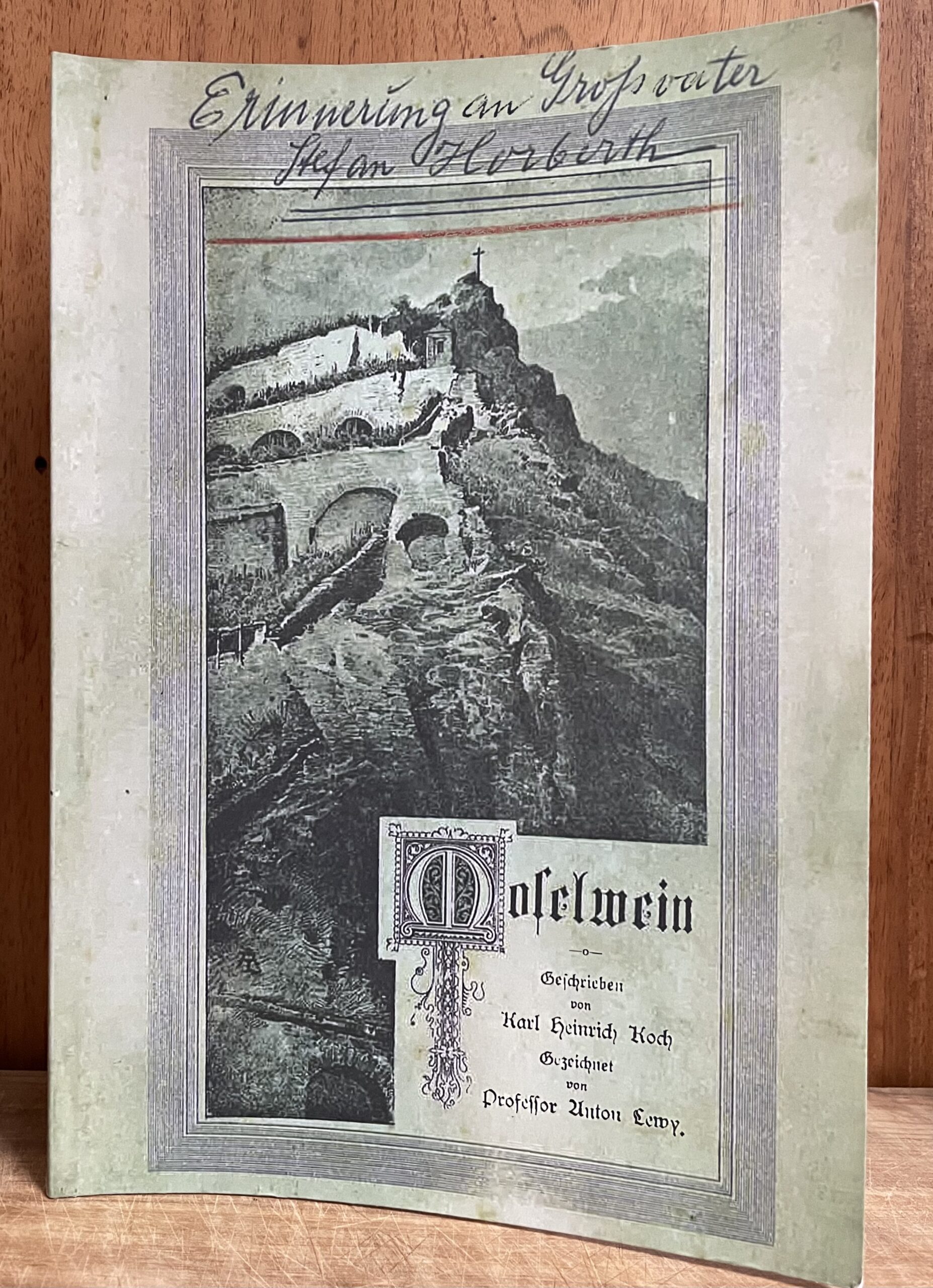
We like to think of Mosel wine as eternally glorious. The river valley’s nearly 2,000-year vinous history, its relics of Roman civilization and tributes to Celtic wine gods, its very viticulture carved with seeming permanence into stony banks all suggest an unbroken line. But an excellent new book, edited by Lars Carlberg, with able assistance from David Schildknecht, Kevin Goldberg, and Per Linder, underscores the extent to which the Mosel’s glory has been far more ebb than flow. Such awareness only makes the late 19th-century golden age that is the book’s focus more luminous. The book nests together several components….
Valerie Kathawala specializes in the wines of Germany and Austria. Her work appears in the pages of regularly in Noble Rot and SevenFifty Daily. She is the author of the "German Wine Scholar" (2025).
Why does biodynamics matter? Respekt-BIODYN is the ongoing effort of 25 growers from German-speaking wine regions to answer that question. Though there are many forms of holistic farming that benefit people, planet, vines and wines, this tight-knit Austria-based group believes that a shared commitment to viewing the teachings of philosopher and agricultural reformer Rudolf Steiner as a springboard for exchange, cooperation, shared learning, and support helps cultivate a sense of individuality that, ultimately, translates into more profound terroir expression and higher quality in their wines. Biodynamic Origins “The first 12 winemakers started in 2005,” explains the group’s leader, Michael Goëss-Enzenberg…...
It is Friday night and I’m terrified. In 24 hours, a top sommelier is coming to our house for dinner. A sommelier who puts together the wine lists for a global restaurant group; a sommelier who has spent over 30 years training more somms than I’ve seen typos on a wine list; a sommelier who matches food and wine the way the rest of us match our Sunday outfits. And tomorrow, I’m responsible for the wine. My wife draws up a shopping list for the meal, blissfully unconcerned. “We’re not a restaurant,” she says, “why should she expect Michelin-starred cooking?”…...
My first true Blaufränkisch moment came in 2013, at a now-shuttered restaurant in Hamburg. Thirty-six bottles from a swath of Austria’s appellations stood open for tasting, from classics like Prieler’s Goldberg 1995 to Marienthal from Ernst Triebaumer to Ried Point from Kolwentz. Those wines impressed me, as they had in the past, even as they failed to inspire me. This time, however, other wines had joined the lineup. The Spitzerberg of Muhr-van der Niepoort (today Weingut Dorli Muhr) , for example; the 2010 Reserve Pfarrgarten from Wachter-Wiesler; and the 2002 Lutzmannsburg Alte Reben from Moric. Suddenly, I was electrified. The wine in the glass was entirely unlike anything I…...
If Emilio Zierock finds it hard to talk about his controversial father, you can’t tell by listening to him. He speaks with remarkable openness about the man. Rainer Zierock, who passed away in 2009, was a brilliant visionary, but also in all likelihood the grandest provocateur in post-war German and Italian viticulture. The powerfully eloquent and often choleric Zierock was considered an eccentric of note, and one who went after everyone. More than a few people also consider him a misunderstood genius, far ahead of his time. His influence on the young wine generation, and particularly the natural wine scene,…...
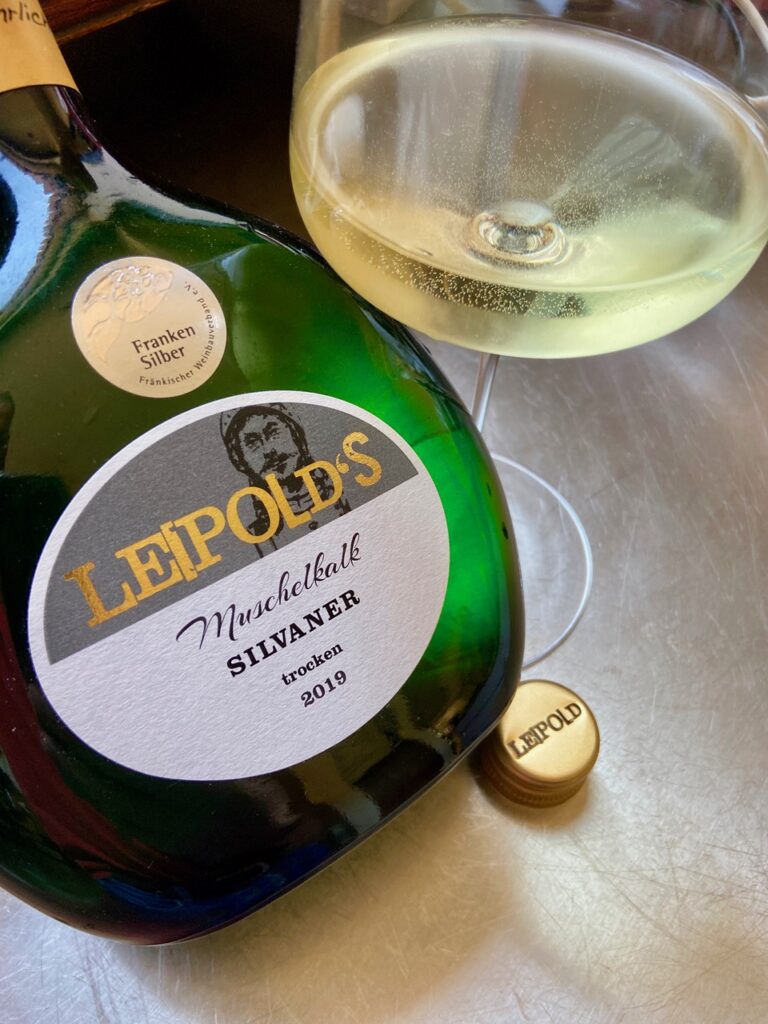
Confession time: Which wine and food pairings make your eyes roll faster than a teenager’s? Champagne and strawberries? Pizza and Lambrusco? Muscadet and oysters? In southern Germany, Silvaner and white asparagus are regional marketing 101. Silvaner has been praised and prized as a pairing for the spring stalk to such an extent that grocers will double their inventories of cheap Silvaner and stack it by the case in the vegetable section. And while the fastest way to get a screenful of Internet ill-will slung in your direction is to suggest the pairing to a German wine group, it is true…...
Mason Washington wants to set himself apart in the wine world. He’s convinced his German identity is the ticket. The 24-year-old digital media marketer grew up in Fayetteville, North Carolina, a small city in the American south that Washington charitably describes as being “what you make of it.” It was an unlikely place for a young Black man to be raised in a German family. But his grandmother Ingrid, a native of Berlin, and his mother, Carmen, born in Munich, were just that. “The biggest thing for me is the German heritage on my mom’s side,” says Washington. Now, he’s digging into…...