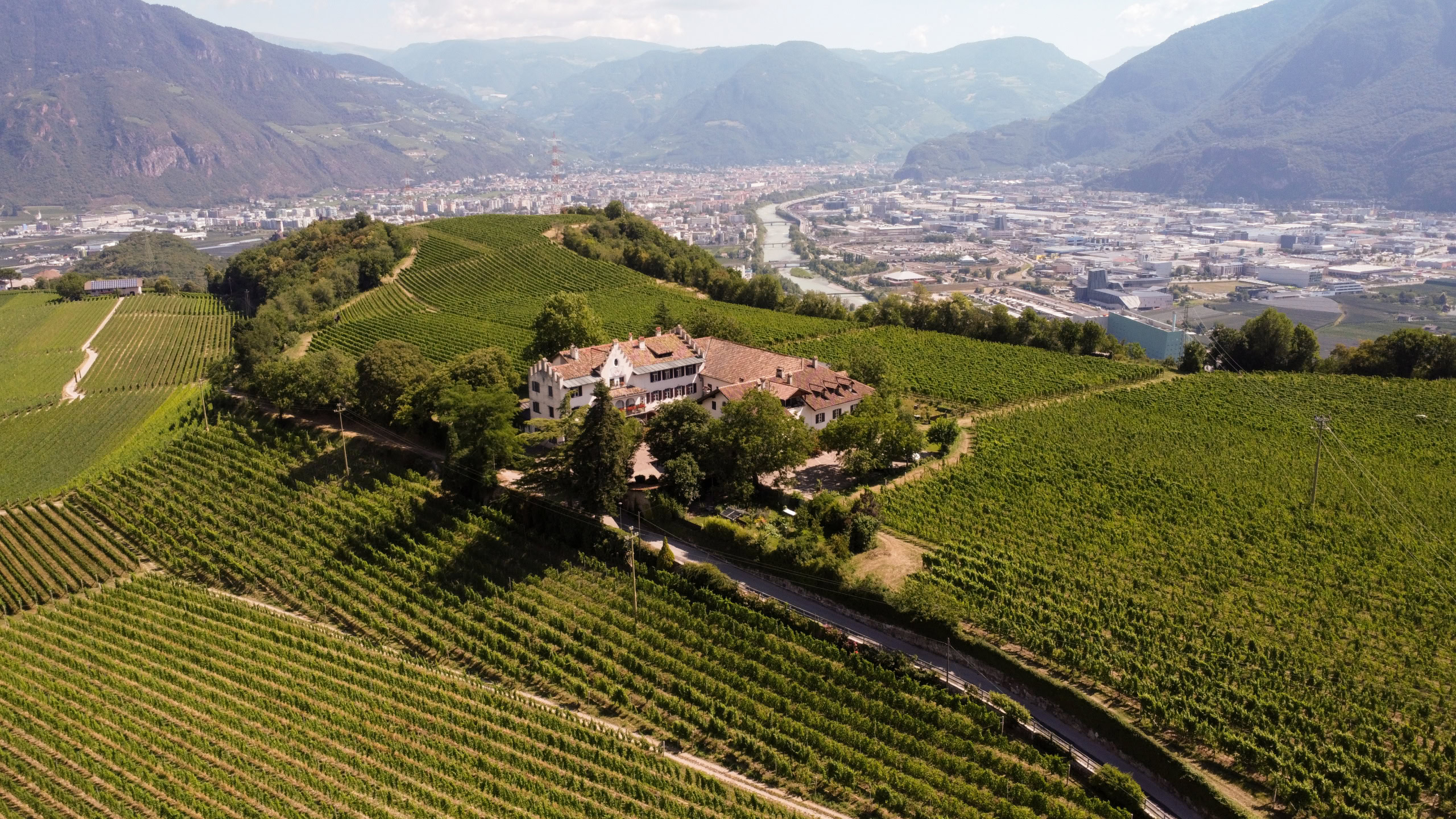
Baden: Wines That Zig Where Others Zag
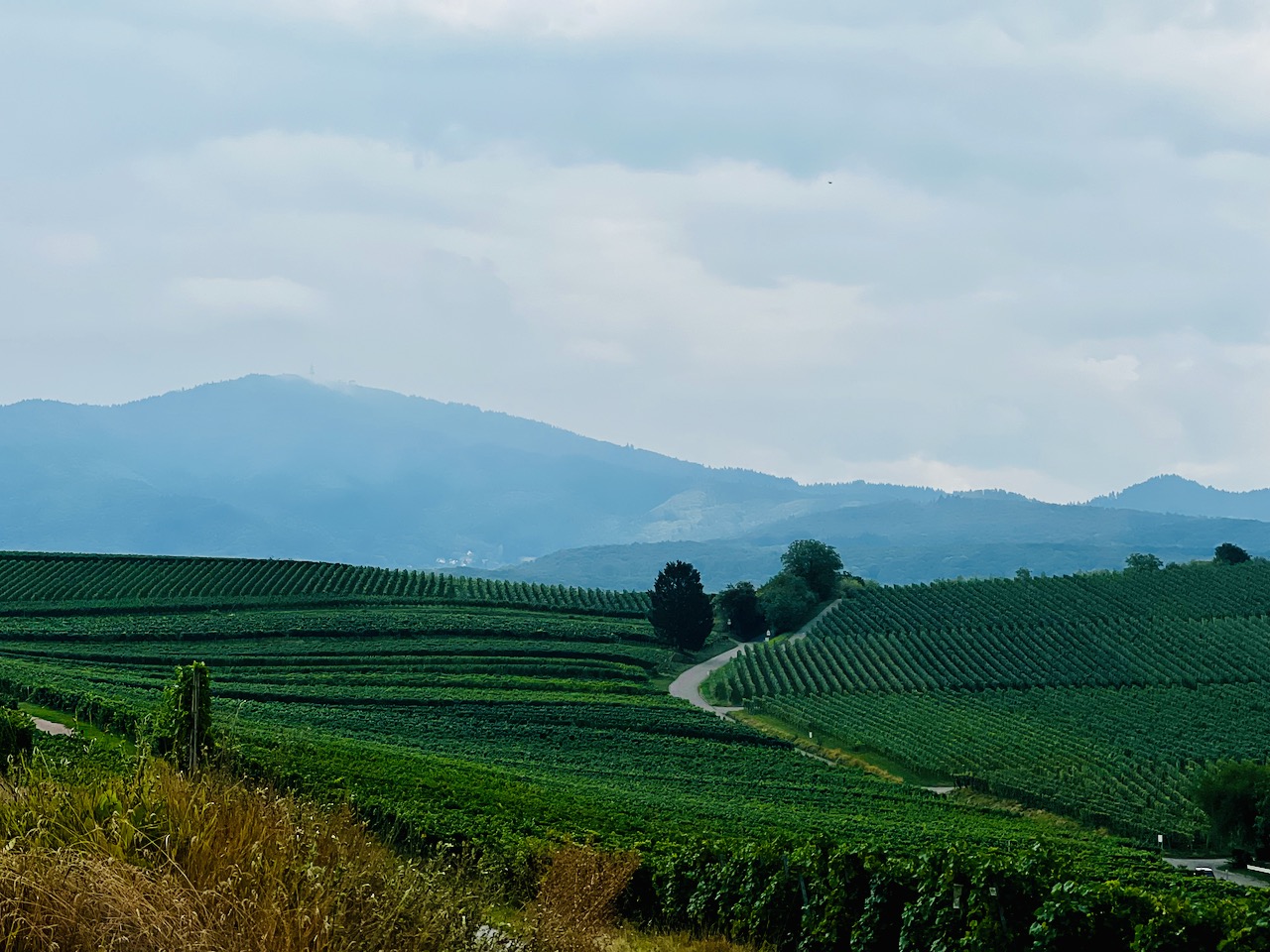
Badischeweinstrasse. Photo credit Paula Sidore
Baden is Germany’s third largest winegrowing region. From Cooperatives to Landwein, learn what makes this region and its wines so important.

Baden is Germany’s third largest winegrowing region. From Cooperatives to Landwein, learn what makes this region and its wines so important.

Truth be told, I relish the fact that the phrase “kabinett trocken” feels like an oxymoron to so many people. For all reasonable drinkers who have come to reflexively associate the word “Kabinett” with an off-dry Riesling, the fact that a Kabinett can be both 1) dry and 2) not Riesling is jarring. An oxymoron right up there with “freezer burn,” “peacekeeper missile,” and “airline food.” Yet, that’s only one part of a much larger obsession…er, story. Kabinett trocken reduces the grandest terroir to its most essential, most fundamental, most tangible, and most immediate. A few exceptional Kabinett trockens have been among…...
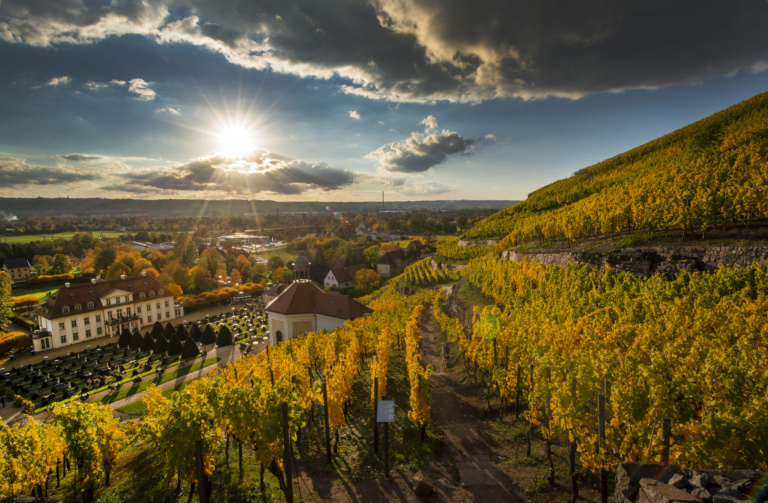
André Gussek remembers very clearly how it all got started: Right around the time he was hired as cellar master at the historic eastern German Kloster Pforta winery in 1982, “the first Spätburgunder vines, West German clones obtained via foreign trade,” arrived at the estate in Naumburg an der Saale, roughly 60 kilometers from Leipzig and some 220 kilometers from Berlin. “In the fog of history, it was difficult to see precisely where they came from,” Gussek explains with characteristic calm. Much clearer is what they became: a catalyst for red wine to assume “an ever-larger role” in the former…...
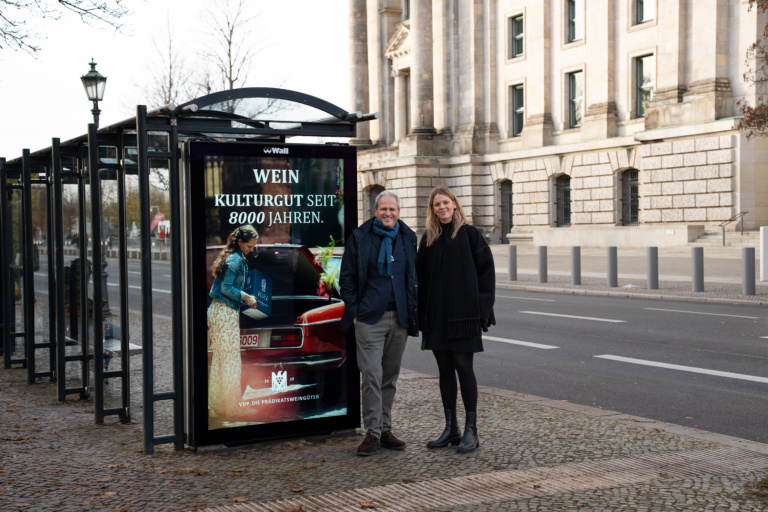
Maps illustrating German viticulture in the Middle Ages show a dense, far-reaching expanse. Vines and wine were integral to daily life, sacred and secular. Vineyards formed a distinctive cultural landscape and wine a vital cultural asset — a long, living link to the past. Today, that link is being tested. The German wine industry is contending with what some experts have called its greatest crisis since World War II. Fueling the crisis are anti-alcohol messaging, demographic shifts, rocketing costs, and the increasingly erratic tolls of the climate crisis. Worse, there’s no clear sense of where rock bottom lies. But German…...
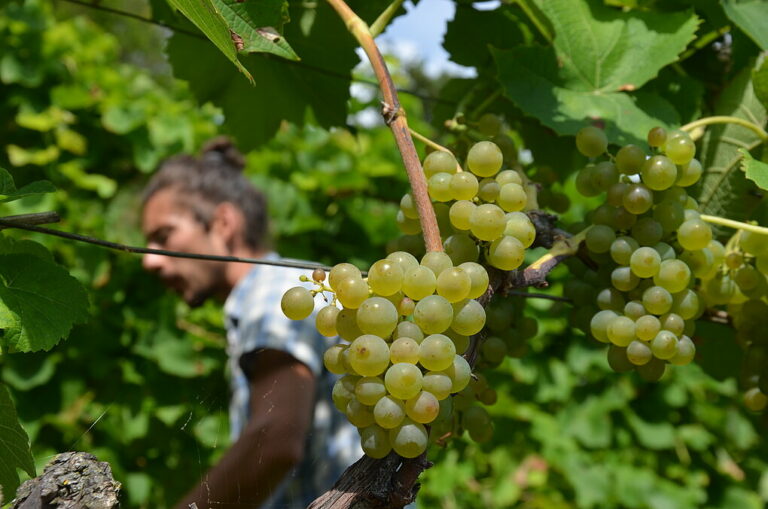
Trink Magazine | Are PIWIs or grape hybrids our viticultural future as the climate crisis makes winegrowing more, not less, challenging? By Christoph Raffelt
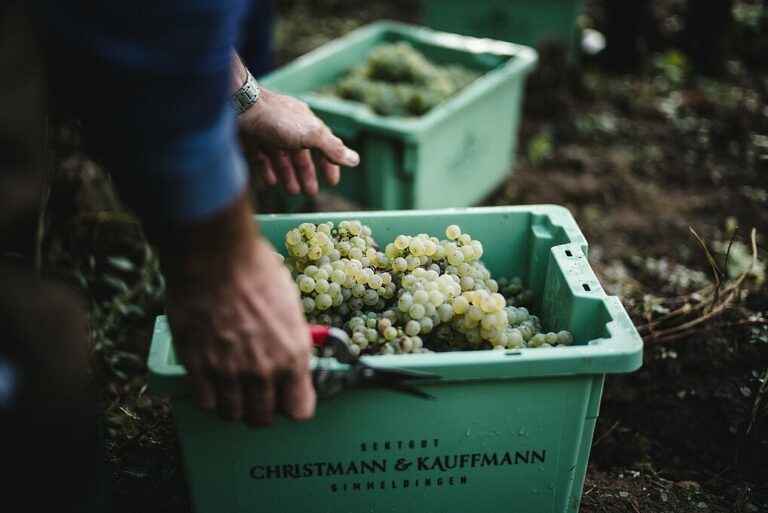
Champagne roots and Riesling blood: an interview with Pfalz's newest sektgut Christmann & Kauffmann.
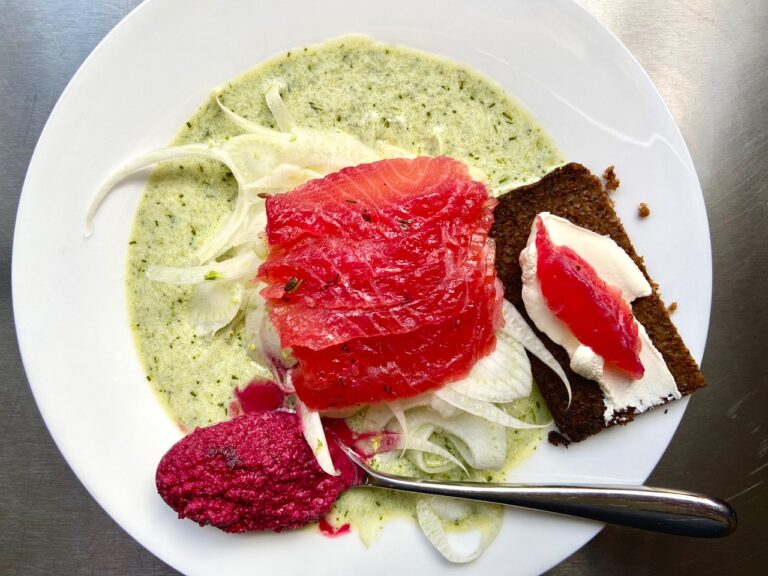
Curing fish is a bit like baking cakes: unless one follows a particular recipe to the letter, the final result inevitably contains an element or three of surprise. Once in the oven, once in the brine, the window for intervention has passed – leaving time and temperature as the only remaining levers. I clearly lack the discipline to work with exact measurements (thus explaining my ban from baking birthday cakes), but I do enjoy the imprecise, historical art of preserving food with salt. Think: classic Sauerkraut, southern German Surfleisch, or – well – salmon. This particular side of freshly caught salmon…...
© 2026, TRINK Magazine. No portion of this article may be copied, shared or re-distributed without prior consent from TRINK.